Casa da Cerca

Almada · Setúbal

Casa da Cerca

MuseumXVIIICivil Architecture
Rua da Cerca, 2800-050 Almada4.7 Rating · 2,66155 min

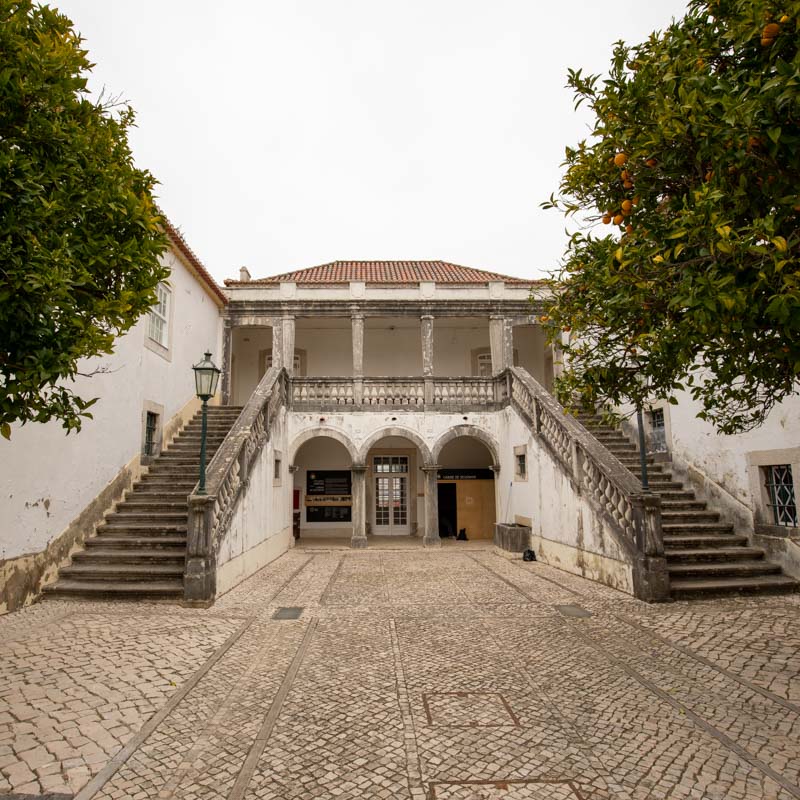
High above Almada Velha, facing Lisbon and the Tagus, Casa da Cerca brings together an old leisure estate and one of the most distinctive cultural projects on the south bank. Built between the late seventeenth and early eighteenth centuries, the manor house was enlarged over time; in the chapel survive tile panels attributed to Master P.M.P., and in the oldest part there are still traces of a blocked sixteenth-century doorway. After decades of private use and a period of neglect, the building was restored by the municipal council and opened in 1993 as a Centre for Contemporary Art, through the initiative of Rogério Ribeiro, with special attention to drawing. The garden deepens that rare identity: O Chão das Artes, inaugurated in 2001, brings together botany, art and science through plants linked to pigments, fibres, oils and other materials used in artistic creation. Between the white house, the walls and the light on the river, the place has the calm of a belvedere and the curiosity of a laboratory.

Why it matters

In the old part of Almada, Casa da Cerca shows how a noble recreational estate was transformed into a contemporary art centre. Built between the late 17th and early 18th centuries, it was known as the Palácio or Quinta da Cerca and occupied an open position overlooking Lisbon and the Tagus. The house was inhabited until 1957 and, in 1974, had a temporary use connected with the Almada Hospital. When it passed to Almada City Council in 1988, it was in an advanced state of ruin. The restoration carried out between February 1992 and June 1993 returned the building to the city, now with a cultural function. It opened to the public in 1993 as Casa da Cerca – Centro de Arte Contemporânea, developing the project begun by Rogério Ribeiro, centred on the research and promotion of contemporary art, with special attention to drawing.

Architecture and history

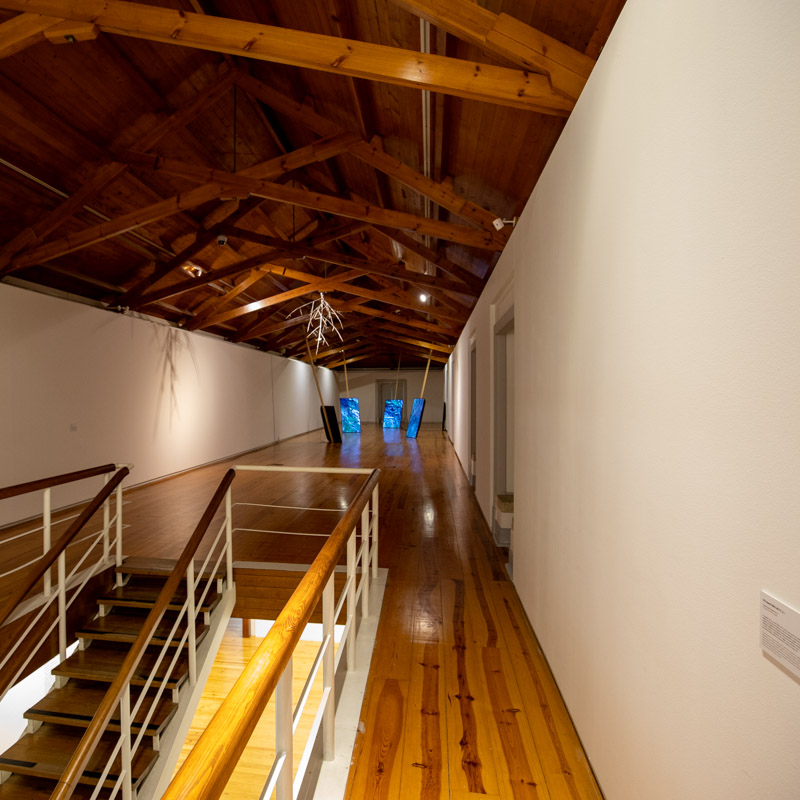
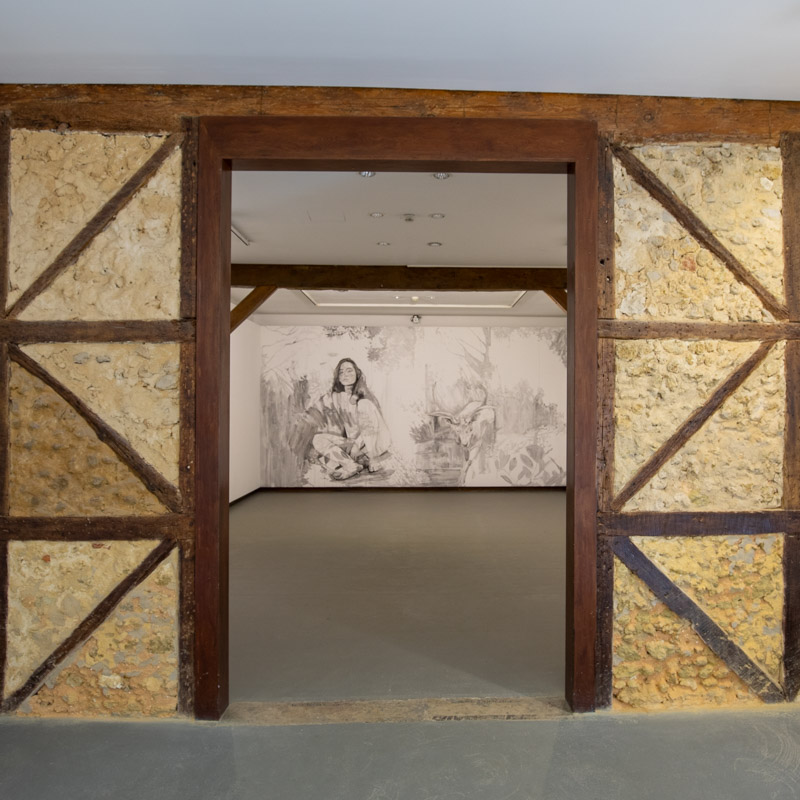
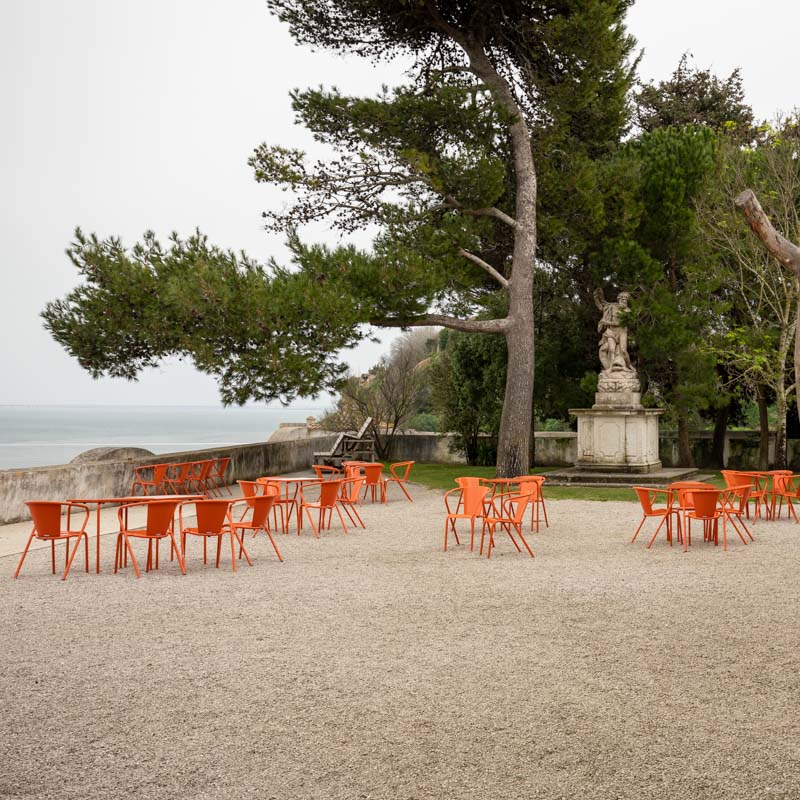
The architectural volumes added in different periods give the ensemble a layered reading. The ground floor facing north, towards the Tagus and Lisbon, is identified as the oldest core and preserves traces of a 16th-century doorway, now blocked. The former chapel holds early 18th-century tile panels attributed to Mestre P.M.P., a detail that links the noble house to Portuguese decorative culture of that period. The garden is enclosed by walls, opens visually over the Tagus valley and connects with the house through specific doors, reinforcing the feeling of a sheltered estate. Its classification as a Property of Public Interest in 1996 recognised the heritage value of the Palácio da Cerca. The presence of the present galleries adds another reading: historic architecture now frames exhibitions, documentation and contemporary art activities.

More context

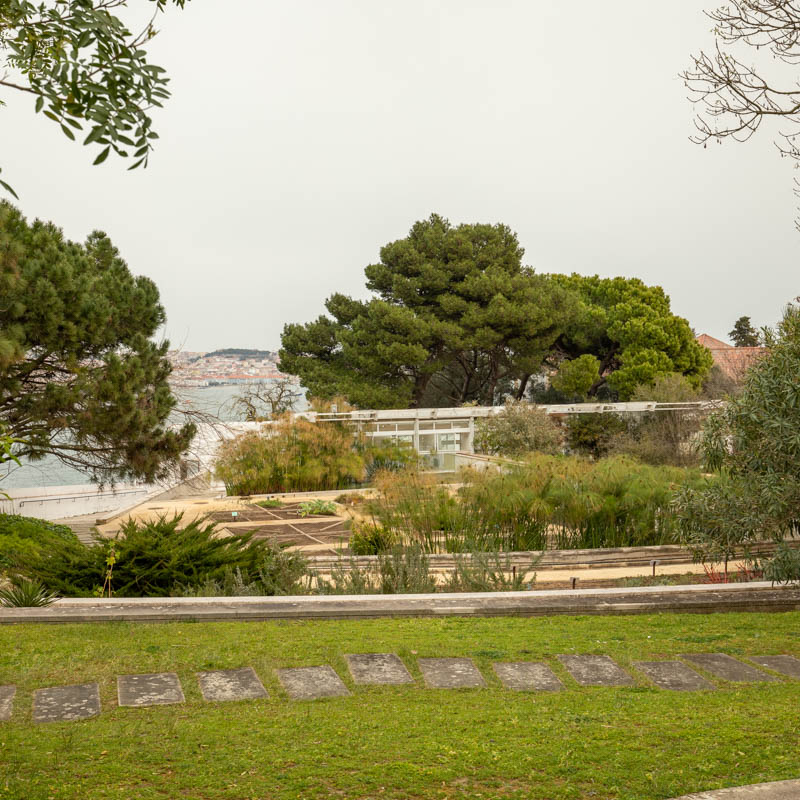
O Chão das Artes – Jardim Botânico extends the visit beyond the rooms. Opened to the public in 2001, after the creation of the art centre, it covers about half a hectare and explores the relationship between art and science through plants used as raw materials in the visual arts. Notice the thematic areas, such as the Jardim dos Pigmentos, Pomar das Gomas, Jardim dos Óleos, Jardim das Fibras, the Greenhouse, the Pond and the Woodland. These sections help explain where colour, gum, oil, fibre, wood, paper or varnish can come from. The centenary dragon tree placed on the site in 1997 marks the garden’s recent history. In the building, also look for the courtyard, the former chapel and the exhibition rooms: together, they show the passage from noble house to public place dedicated to drawing, botany and contemporary creation.

Gallery

Casa da Cerca 1
Casa da Cerca 2
Casa da Cerca 3
Casa da Cerca 4
Casa da Cerca 5

Nearby places

View all