Almada · Setúbal
Submarino Barracuda
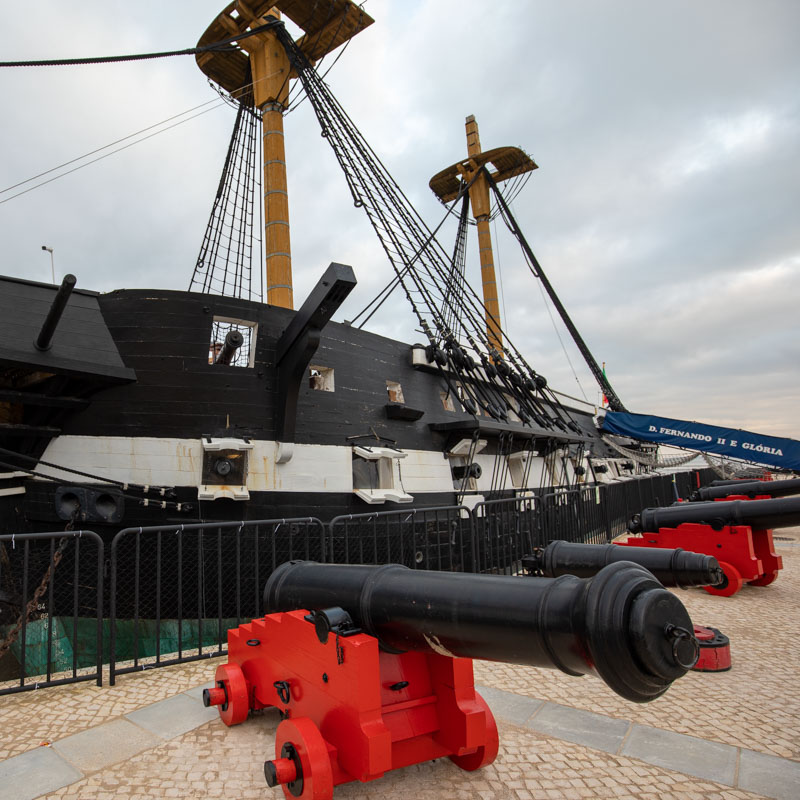
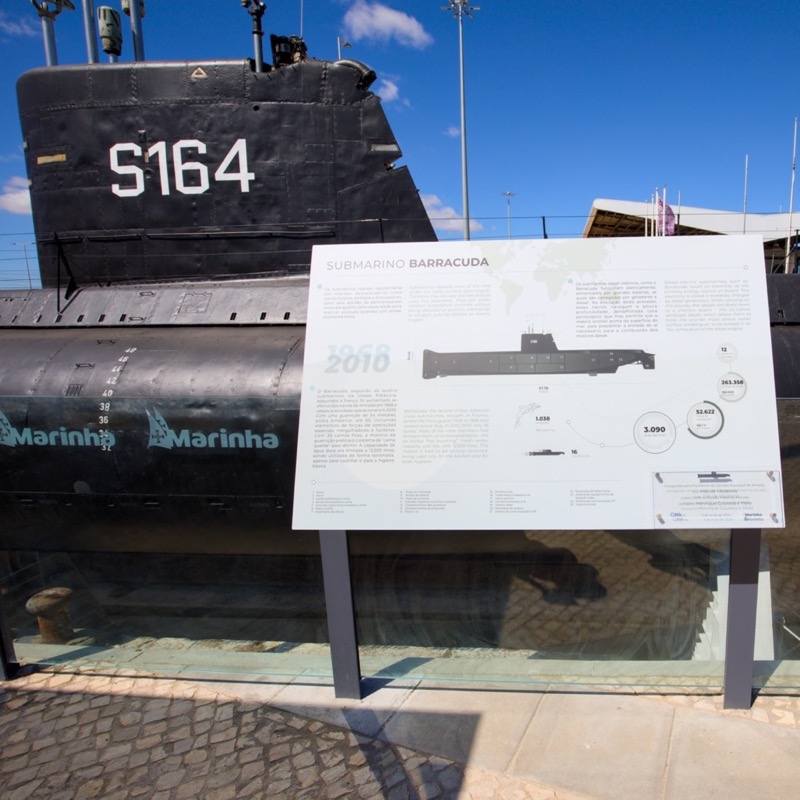
In Cacilhas, in the municipality of Almada, the Barracuda Submarine returned to public contact as a museum ship of the Portuguese Navy. Inaugurated in this new role on 9 May 2024 and open to visitors since 11 May, it forms part of the Cacilhas dry dock, alongside the Frigate D. Fernando II e Glória. Built in France, it was the second of four Albacora-class submarines in the Portuguese Navy. It entered service on 4 May 1968 and completed its last mission in 2010, after 42 years of operational life. With a length of 54 metres, a submerged displacement of 1,038 tonnes and a crew of 54 servicemen, it could operate down to 300 metres and carry 12 torpedoes. Over its career, it carried out national and international missions and covered 263,358 nautical miles. Today, the dark hull and compact interior reveal the technical precision and discipline required by submarine navigation.
Why it matters
The Barracuda Submarine, now a floating museum in Cacilhas, is a significant symbol of Portugal’s naval history. Part of the Albacora class, this submarine was built in France for the Portuguese Navy. Launched in 1967, it played a crucial role during the Cold War, being deployed on patrol and training missions to protect Portugal’s territorial waters and contribute to NATO operations. The Barracuda marked a milestone in the modernisation of Portugal’s naval fleet, equipped with advanced technology for its time, capable of conducting surveillance and underwater combat operations. For over three decades, the Barracuda participated in numerous missions and international exercises. Its ability to dive up to 300 metres deep made it a strategic asset in maritime defence. In 2005, after 38 years of service, the Barracuda was decommissioned and, in 2008, transformed into a floating museum, now open to the public in Cacilhas. This transformation preserves the memory of an era of technological advancements and global tensions, allowing visitors a glimpse into life aboard a submarine during the Cold War.
Architecture and history
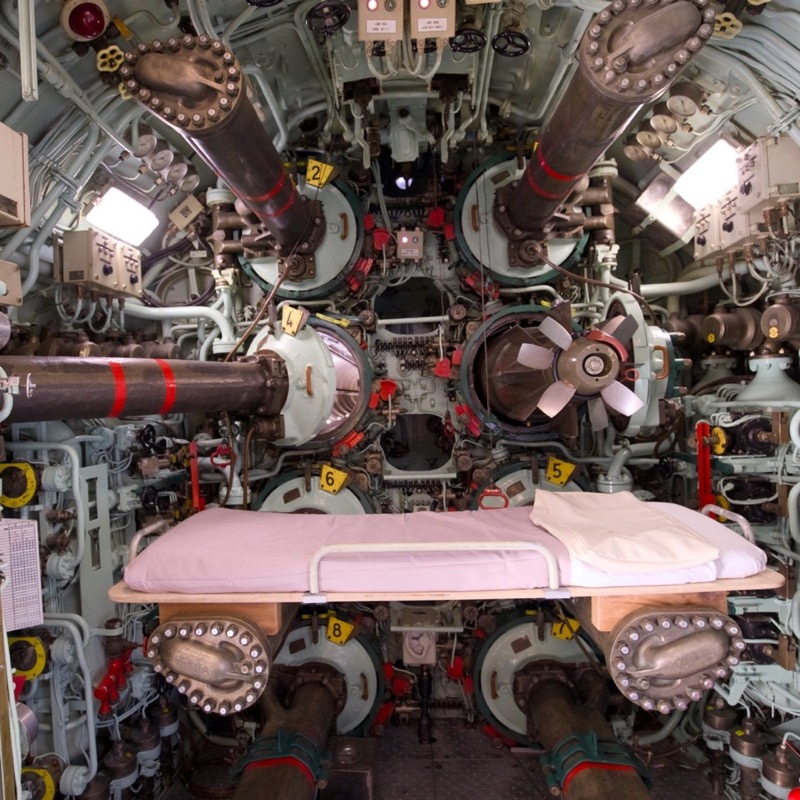
Measuring 57.8 metres in length and 6.7 metres in width, the Barracuda is an impressive feat of naval engineering. Built with a sturdy design, the submarine was designed for long-term missions in hostile environments, with extraordinary resistance to deep dives. Its diesel-electric propulsion system allowed it to operate both on the surface and underwater, providing flexibility in various tactical situations. The submarine’s interior is characterised by a functional and compact design, optimised to accommodate a crew of about 50 people. The small spaces and narrow corridors create a claustrophobic feeling that reflects the daily challenges faced by the crew. Key areas that visitors can explore include the control room, where the periscope and navigation systems are located, and the torpedo compartment, equipped to launch heavy weaponry. Every detail has been preserved, offering visitors an authentic experience of life aboard a military submarine.
More context
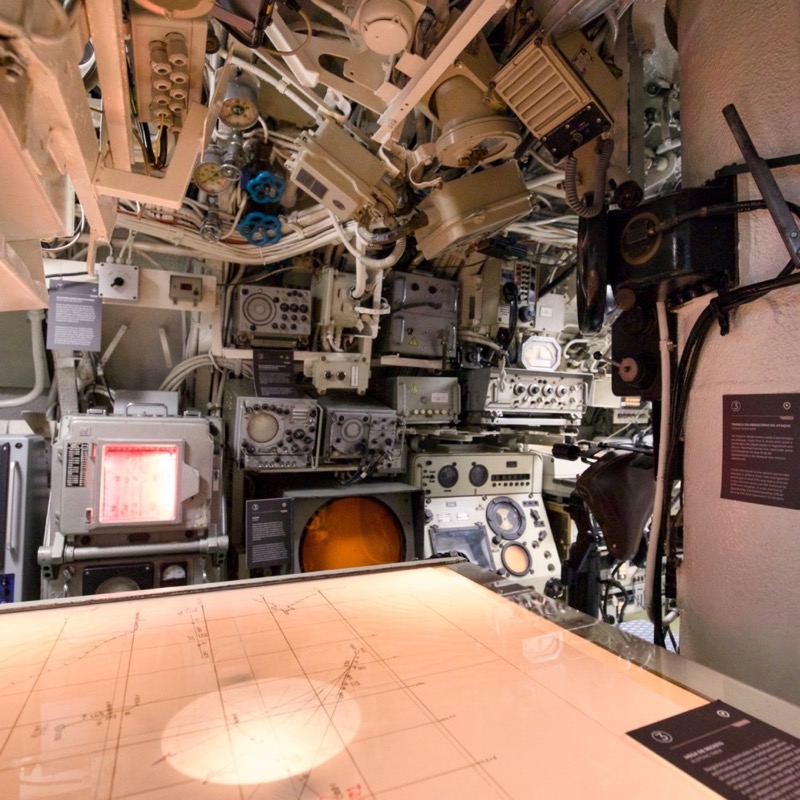
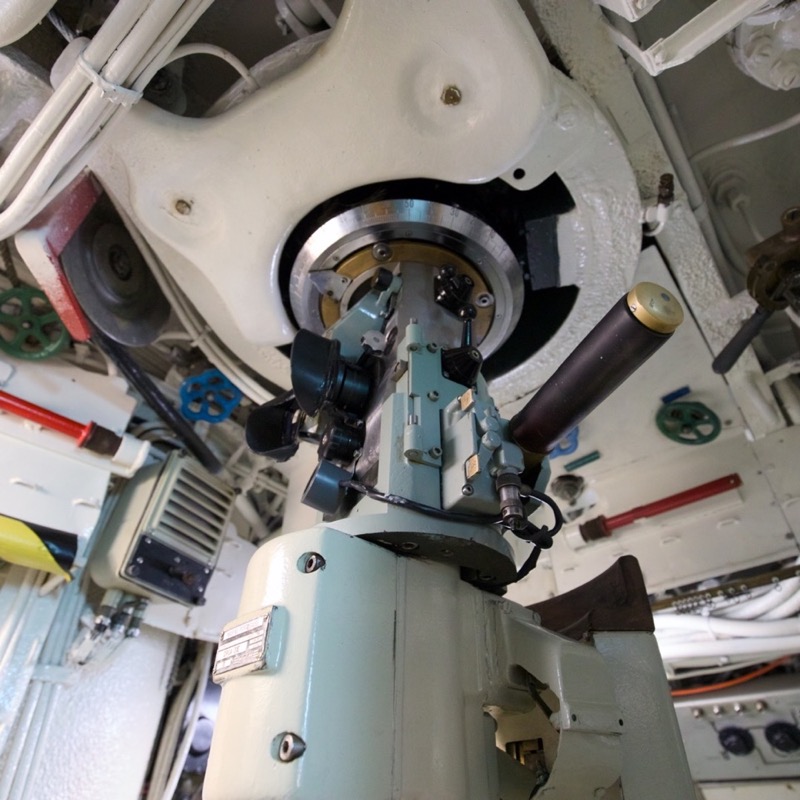
A visit to the Barracuda Museum Ship in Cacilhas offers a unique opportunity to experience the workings of a submarine up close. Visitors can explore the vessel’s interior, walking through narrow corridors and seeing the cabins where the crew lived during long missions at sea. The control room is one of the main attractions, where visitors can observe the original periscope, command panels, and complex navigation systems. This environment recreates the feeling of being part of a real underwater operation. In addition to the submarine itself, the museum offers interactive exhibits that explain the historical context of the Barracuda and its importance in Cold War operations. There is also detailed information about the role of the Portuguese Navy in NATO missions and the technological advancements in submarines over time. For those interested in military history and naval engineering, the experience is enriching, providing a rare perspective on one of Portugal’s most important defence assets of the 20th century.
Gallery