Casa-Museu de Santa Maria

Cascais · Lisboa

Casa-Museu de Santa Maria

MuseumXXPalace Architecture
Rua do Farol de Santa Marta, 2750-341 Cascais4.5 Rating · 98450 min

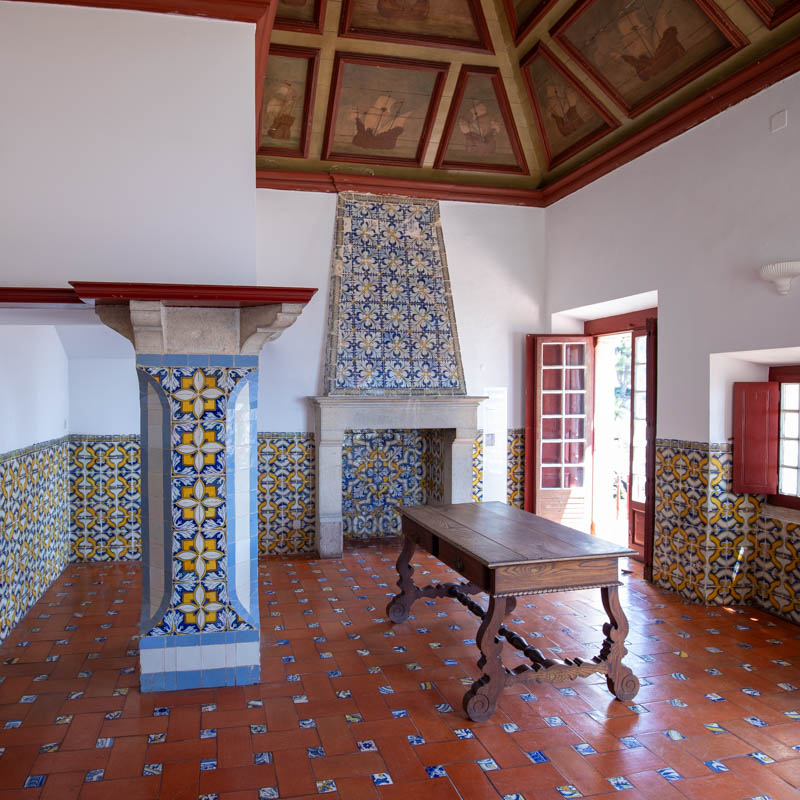
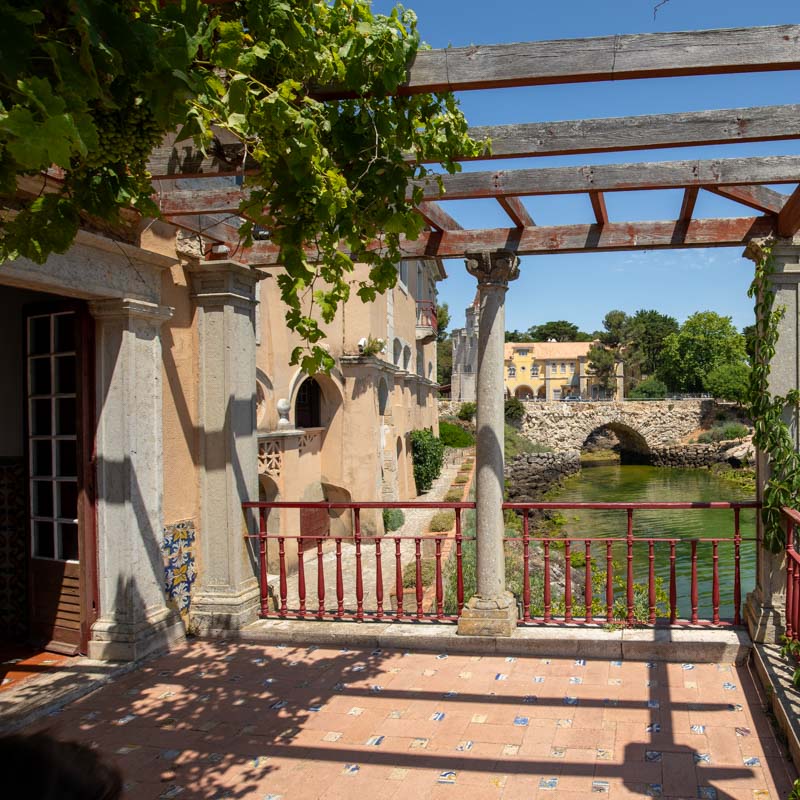
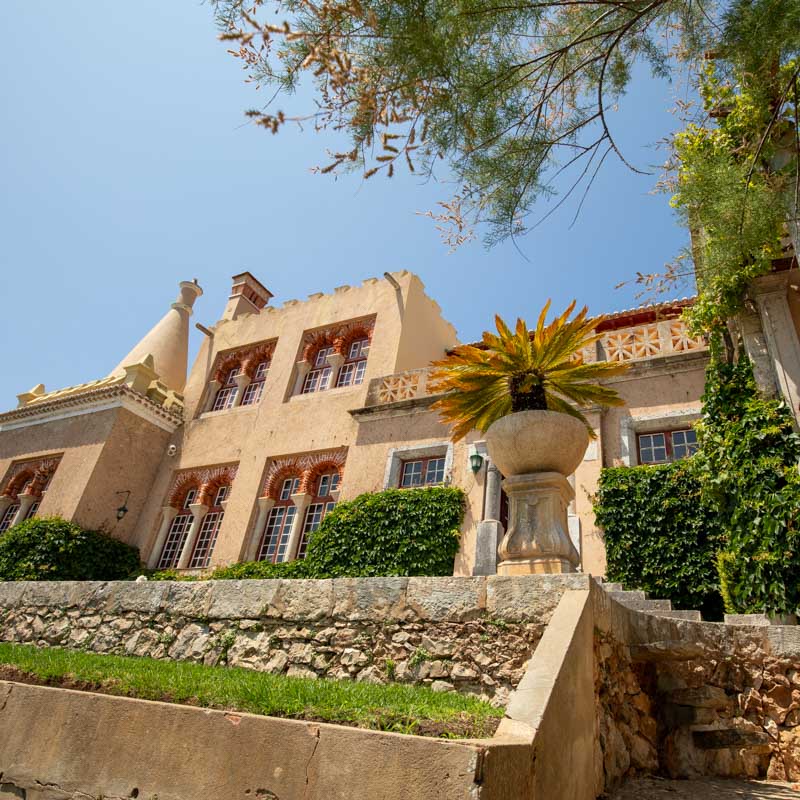
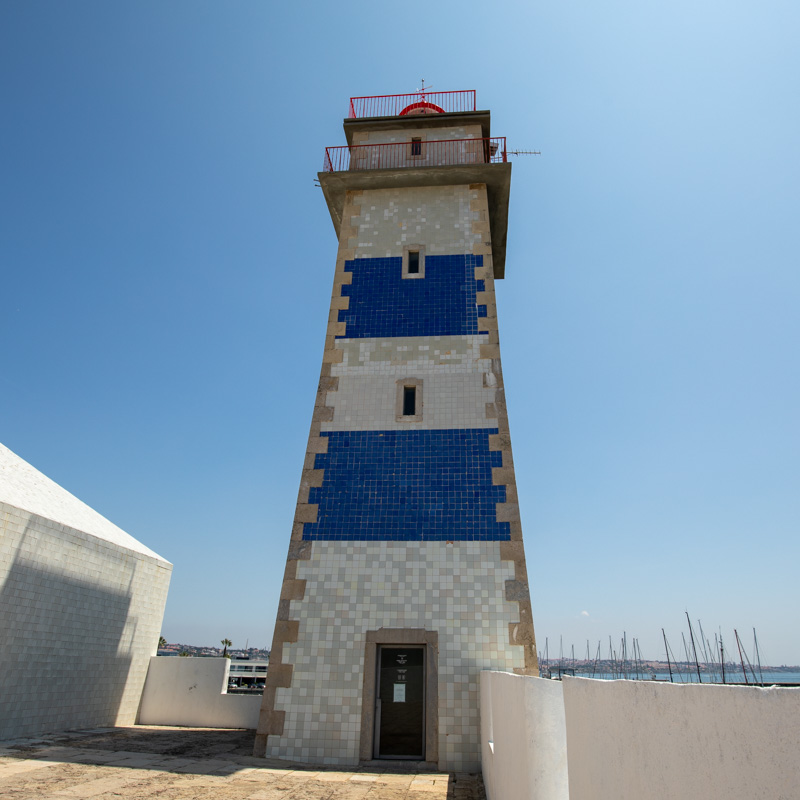
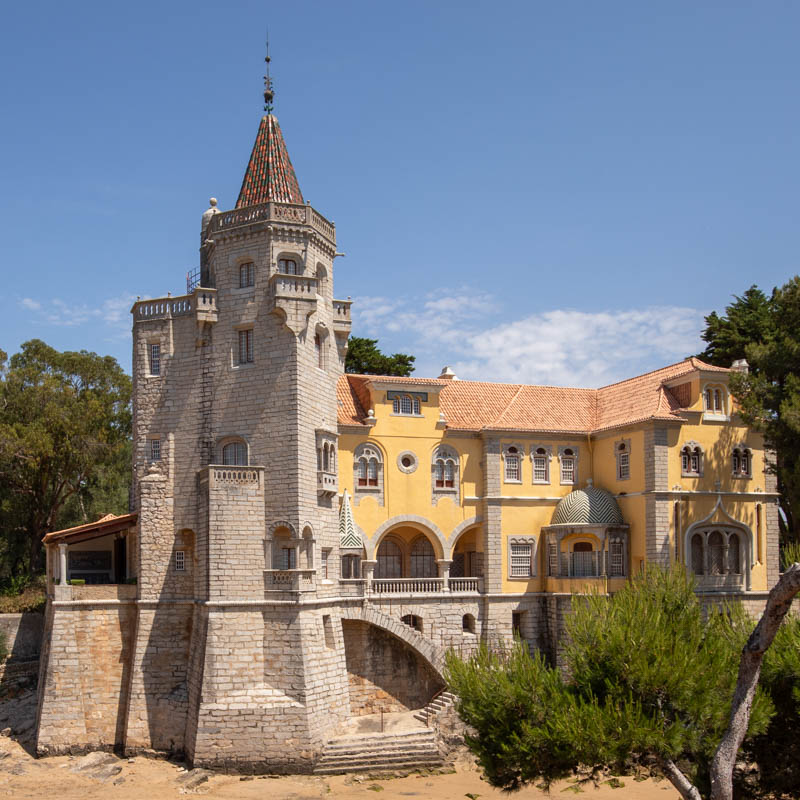
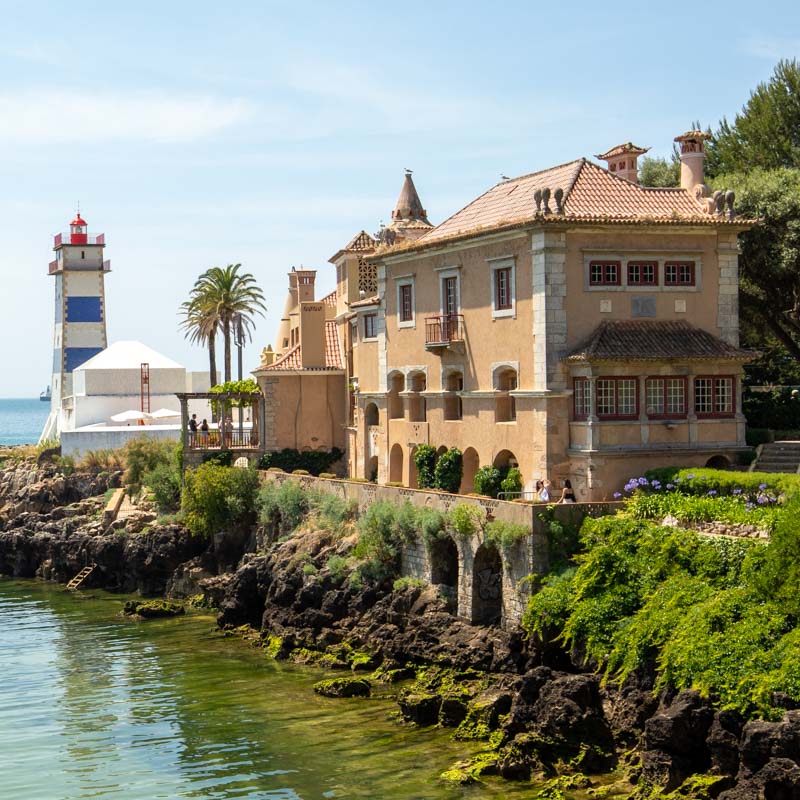
In Cascais, almost above the Santa Marta cove, the Casa-Museu de Santa Maria seems to rise from the rock and the light of the sea. Raul Lino designed it in 1902 for Jorge O’Neill, as a gift for his daughter Maria Teresa, in one of the earliest moments of a body of work that already suggests his idea of the Portuguese house, with Mediterranean and Moorish echoes. For about a century it remained a private residence; today, as part of the Museum Quarter, it still keeps that intimate character, more like a lived-in house than a small palace. The interior surprises with its decorative richness: the Hall of Arches, the terrace facing the water, the tiles designed by the architect and, above all, the late seventeenth-century panels brought from a chapel in Frielas give the whole place a quiet and very distinctive beauty. Between windows open to the Atlantic, painted wood and silence, one senses that this house was not meant to dominate the landscape, but to converse with it.

Why it matters

Casa de Santa Maria was created in 1902, beside the Santa Marta Lighthouse, in an area of Cascais that was changing from a fishing town and military stronghold into a summer resort for the court, the nobility and the wealthy bourgeoisie. It was commissioned by Jorge O’Neill from the young Raul Lino, who designed it for the owner’s daughter. The house later belonged to José Lino, the architect’s brother, and was enlarged in ways that reinforced its domestic and artistic character. For around one hundred years it remained in private use, before being acquired by Cascais City Council in 2004 and becoming a cultural facility. The heritage protection granted in 2012 recognised the importance of the house and garden within the historic Santa Marta area. Its value helps visitors understand how Cascais transformed its coastal landscape into a place of seasonal residence, leisure and social display.

Architecture and history

The elongated body of the building follows the narrow ground between the cove and the lighthouse, creating a sequence of rooms linked by circulation areas. The language chosen by Raul Lino brings the house close to the traditional architecture of southern Portugal, with four-pitched roofs, covered verandas, cool entrance spaces and varied openings. Some horseshoe arches, framed by exposed brick, reveal Moorish influences without moving the building away from a domestic scale. In the enlargements of the 1910s, new areas appeared, such as the basement partly covered in tiles, the Sala dos Arcos and the terrace connected to the Sala das Caravelas. The presence of tiles is decisive: there are patterned and figurative panels, with rural and religious themes, linking the building to Portuguese Baroque art and to the idea of a house lived through colour and Atlantic light.

More context

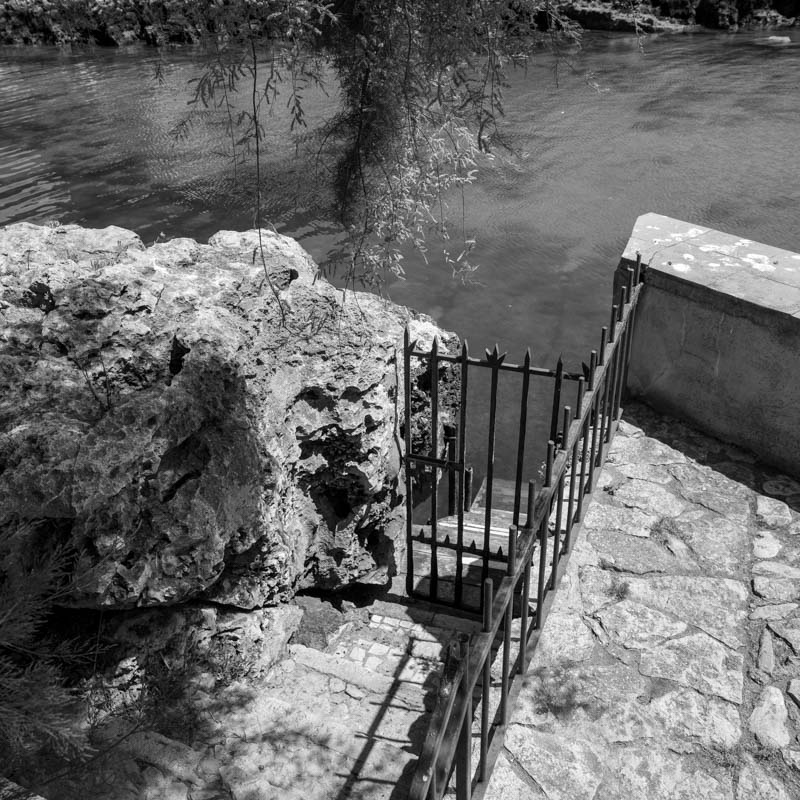
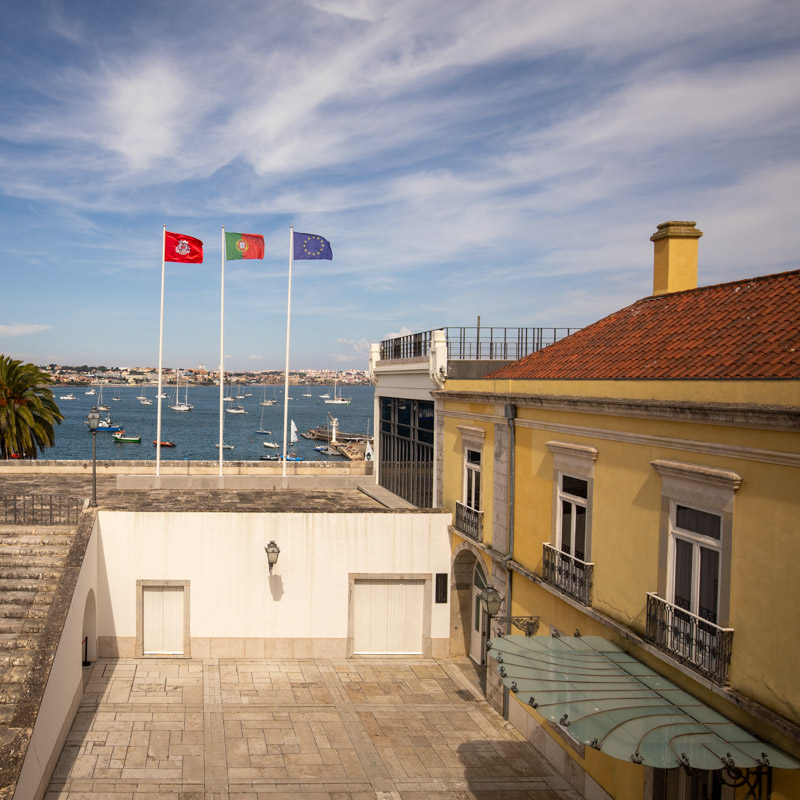
The tiles are the first guide to the visit: notice the bucolic scenes, animals, card games and episodes from the Life of the Virgin, dated 1698-99 and originally from the former Chapel of Nossa Senhora do Monte, in Frielas. The oil-painted wooden ceiling, adapted to the dining room, shows how decoration was integrated into new functions of the house. The Sala dos Arcos helps visitors understand the passage between interior and exterior, so important in Raul Lino’s architecture. In the garden, look at the relationship between walls, terraces and the Santa Marta cove: the house was designed to converse with the lighthouse, the sea and the neighbouring buildings. The route is best completed by understanding that Casa de Santa Maria is at once a residence, a tile collection and a piece of Cascais’ historic landscape.

Routes

Explore this place in a cultural route

View all Routes

Gallery

Casa-Museu de Santa Maria 1
Casa-Museu de Santa Maria 2
Casa-Museu de Santa Maria 3
Casa-Museu de Santa Maria 4
Casa-Museu de Santa Maria 5

Nearby places

View all