Palácio da Cidadela de Cascais

Cascais · Lisboa

Palácio da Cidadela de Cascais

PalaceXVIIIPalace Architecture
Avenida D. Carlos I, 2750-310 Cascais4.6 Rating · 1,08090 min

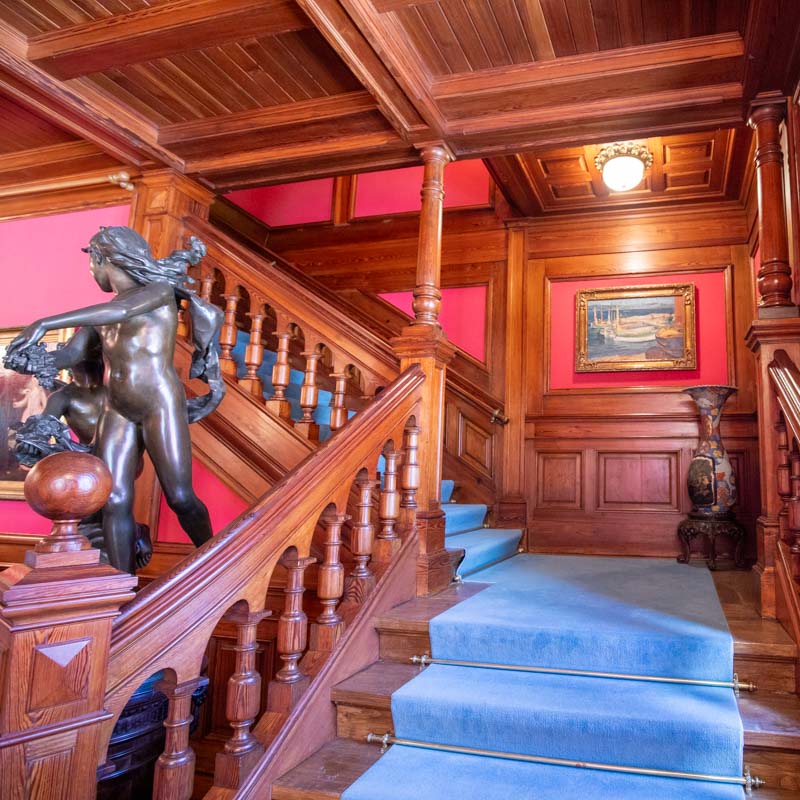
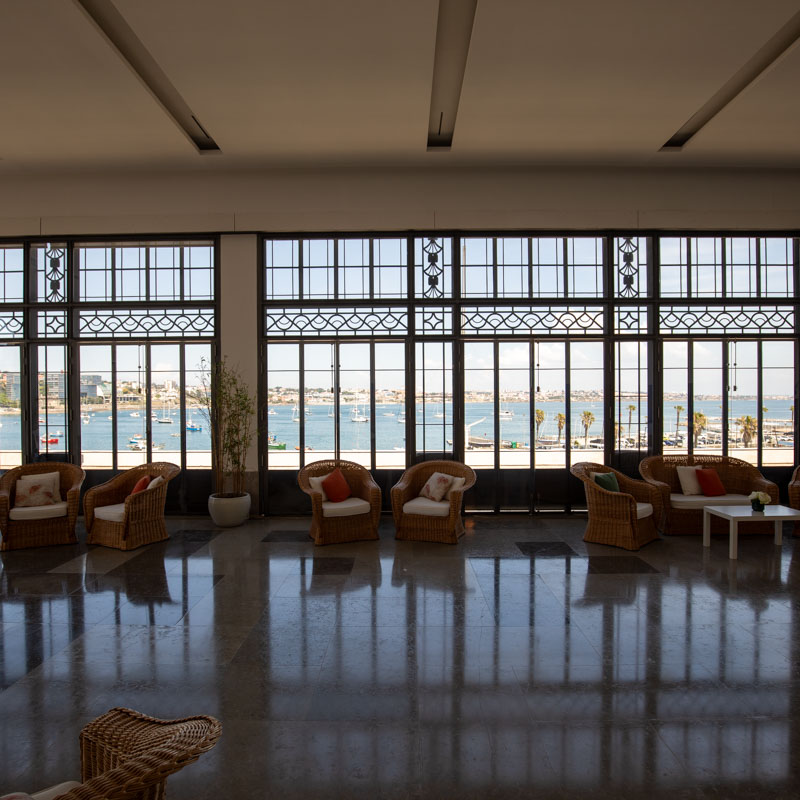
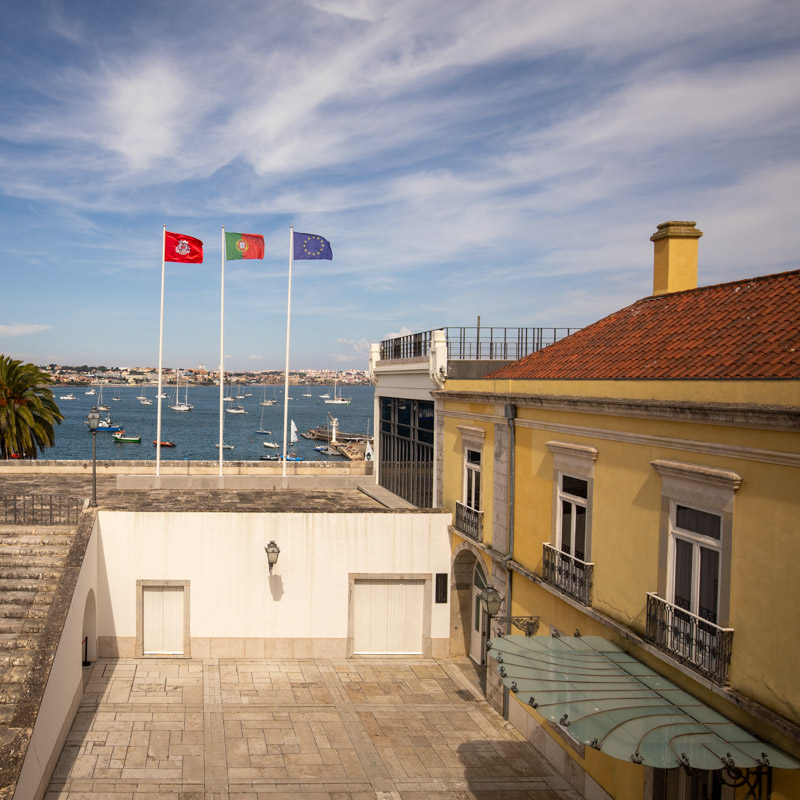
In the Citadel of Cascais, the palace shows how a place of maritime defence was transformed into a royal summer residence and later into a site of state memory. The former governor’s house of the fortress, part of a complex whose story begins in 1488, was adapted by King Luís in 1870 for the royal family. From then on, Cascais changed in scale: the court began to spend time in the town, King Carlos deepened its bond with the sea and, in 1878, one of Portugal’s earliest experiments with electric light illuminated the palace battery. Even today, between the courtyard of honour, the view over the bay, the Arab Room inspired by the Alhambra and the wood panelling from the time of Carlos, one senses that unusual blend of fortress, palace and lived residence. After the proclamation of the Republic, the building passed to the Presidency and, after rehabilitation in the twenty-first century, finally opened to the public.

Why it matters

The Palácio da Cidadela was born inside a fortress, at a strategic point overlooking Cascais Bay. Before becoming a palace, it was the former house of the military governor. In 1870, when Cascais was already losing its defensive importance, King Luís ordered the building to be adapted as a holiday residence for the royal family, creating the Royal Palace of Cascais. The presence of the court changed the rhythm of the town, linking it to sea bathing, summer residence and late 19th-century social life. King Luís died in this palace in 1889. During the reign of King Carlos, the Cidadela also gained a scientific dimension, with the installation, in 1896, of Portugal’s first marine biology laboratory. After the Republic, in 1910, the palace passed to the Presidency of the Republic. Between 2007 and 2011 it was restored and opened to the public as a place for visits and cultural programming.

Architecture and history

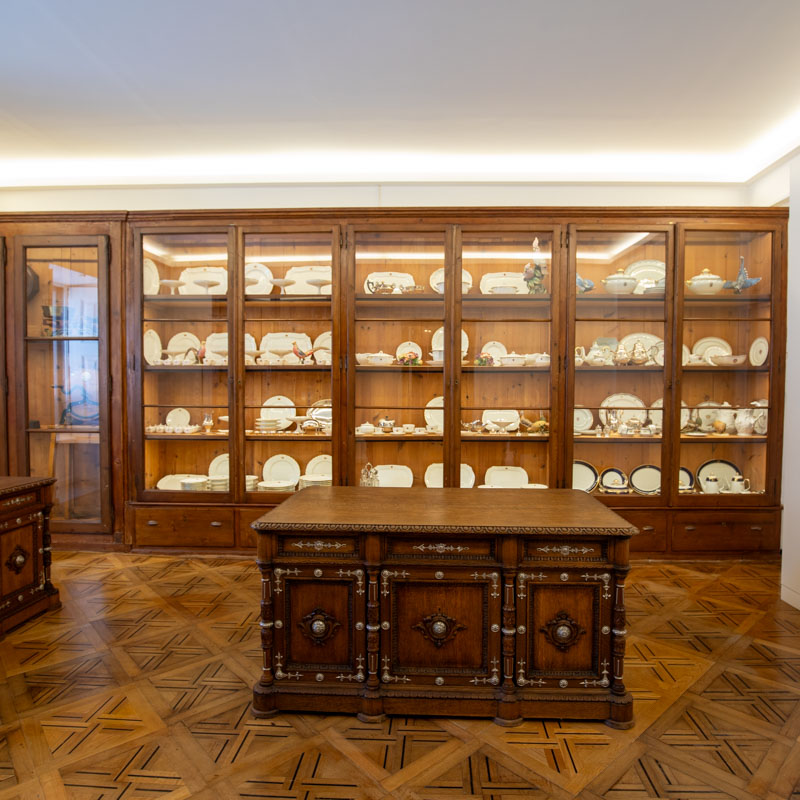
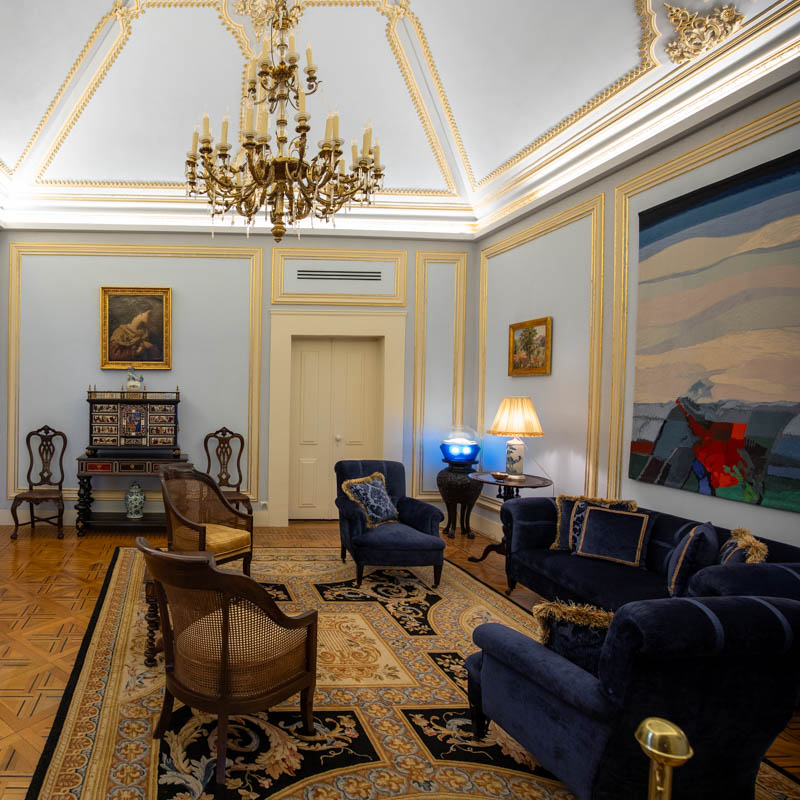
The palace maintains a direct relationship with the military structure that surrounds it. The Cidadela is organised around a central courtyard, formerly a space for movement and service, with blocks connected to the garrison, the hospital and the governor’s house. The palace building grew from the Santa Catarina block, beside the parade ground, and preserves this double identity: a formal residence and a construction integrated into a coastal fortress. The 19th-century adaptation created reception rooms, private areas and a functional connection to the Chapel of Nossa Senhora da Vitória. Later campaigns altered parts of the building, including areas over the former battery facing the bay. The restrained exterior contrasts with interiors designed for representation, such as the State Room, the Arab Room, the dining room and the Glass Hall, where the architecture follows the maritime view.

More context

The parade ground helps visitors understand that the palace was not born in isolation, but within a defensive machine made of gates, walls, courtyards and batteries. In the state rooms, notice how the spaces have changed function without losing their royal and presidential memory: the former bedroom of King Luís is now used in an institutional context, and the State Room remains connected to official receptions. The Arab Room reveals 19th-century decorative taste, while the dining room and the Glass Hall recall adaptations made to live with the closeness of the sea. The battery deserves attention for its view over the bay and for its connection to the electric-light experiment carried out in 1878. The Chapel of Nossa Senhora da Vitória completes the reading of the complex, showing how residence, ceremony, defence and landscape meet in the Cidadela.

Routes

Explore this place in a cultural route

View all Routes

Gallery

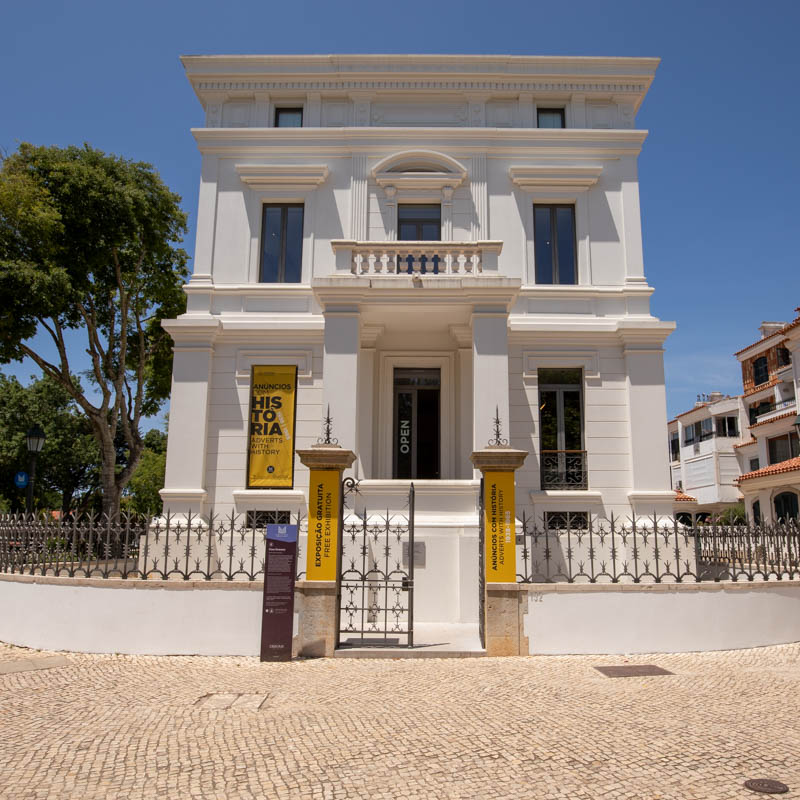
Palácio da Cidadela de Cascais 1
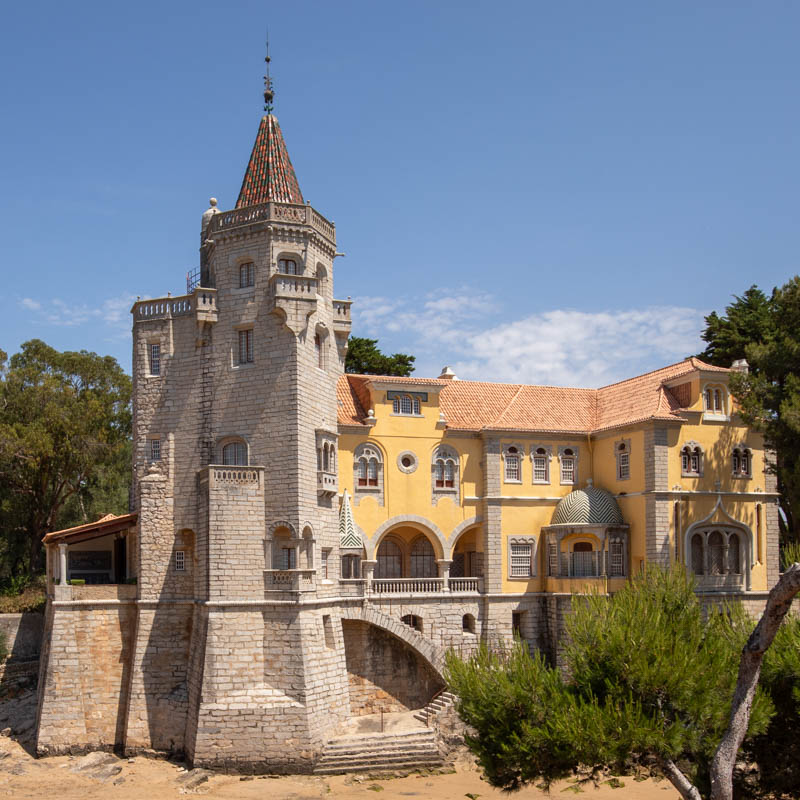
Palácio da Cidadela de Cascais 2
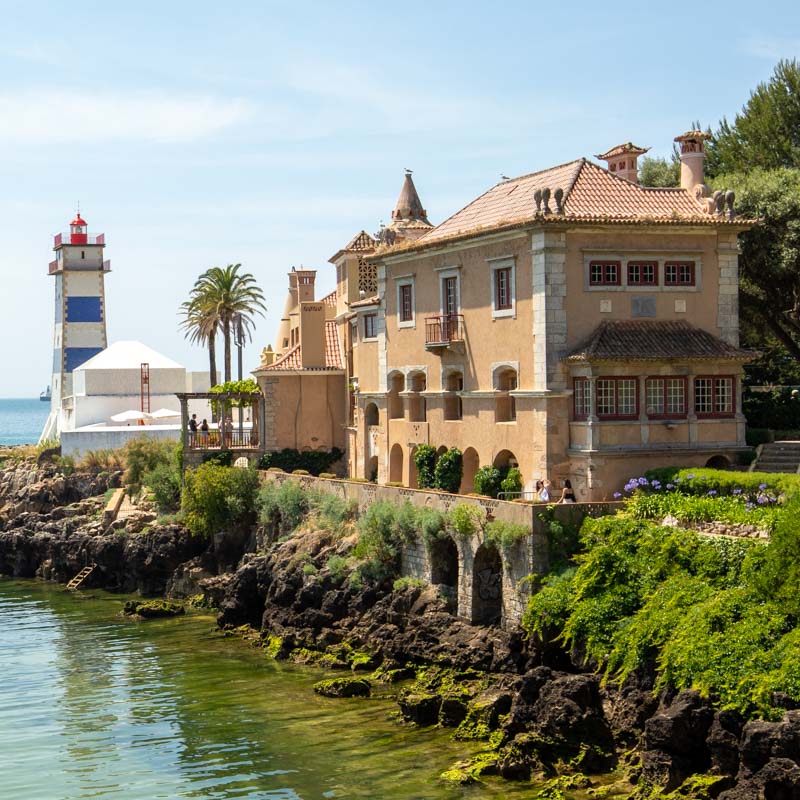
Palácio da Cidadela de Cascais 3
Palácio da Cidadela de Cascais 4
Palácio da Cidadela de Cascais 5

Nearby places

View all