Lisboa · Lisboa
Centro Interpretativo da História do Bacalhau
The Codfish History Interpretation Centre, in Lisbon, turns an everyday food into a theme of maritime and cultural memory. The exhibition presents cod as a symbol of Portuguese gastronomy, but also as the result of long voyages, hard work and Atlantic connections. The route is organised into two major sections, “The Sea” and “At the Table”, and combines images, films, animations and interactive experiences. In the rooms dedicated to the fishing saga appear the luggers, the dories, the White Fleet and life on board, including campaigns that could last around six months. The narrative also passes through the propaganda of the Estado Novo and the place of cod on the Portuguese table. In the end, “Cod 20.20” opens a reflection on marine resources, climate change and the future of fishing, showing that this history is still changing.
Why it matters
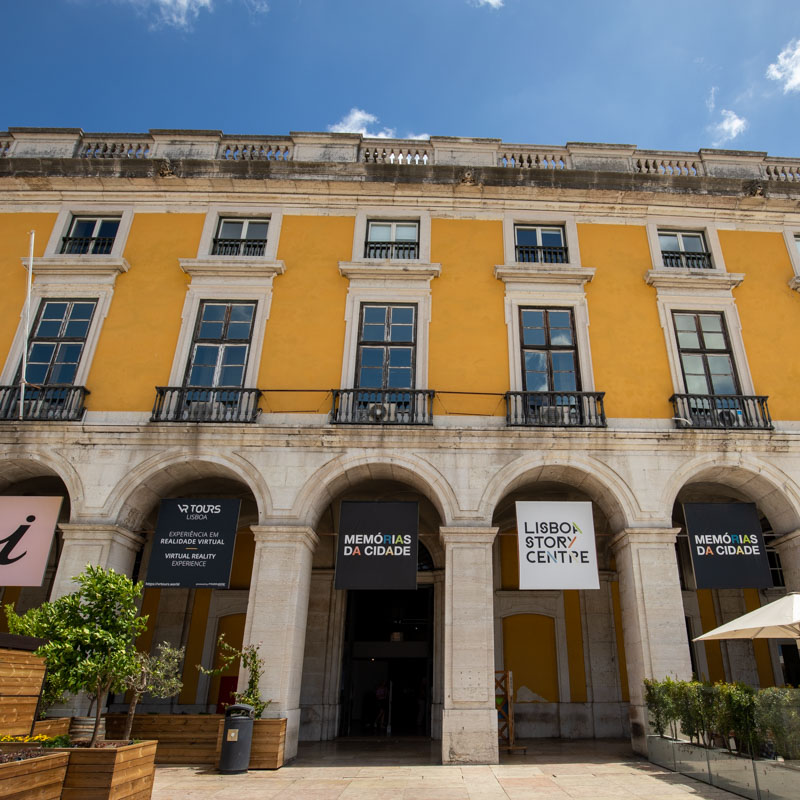
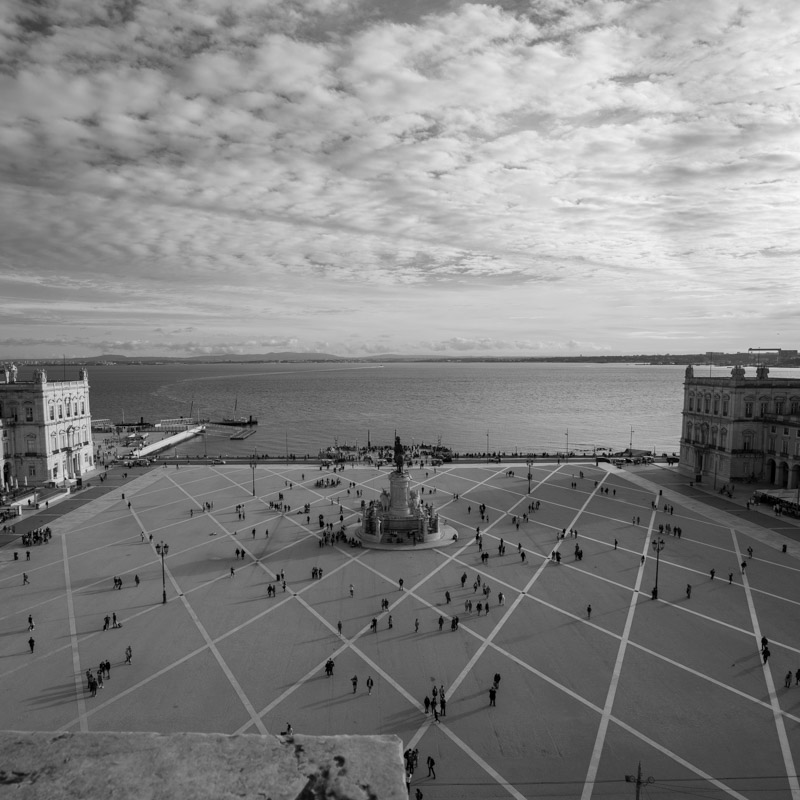
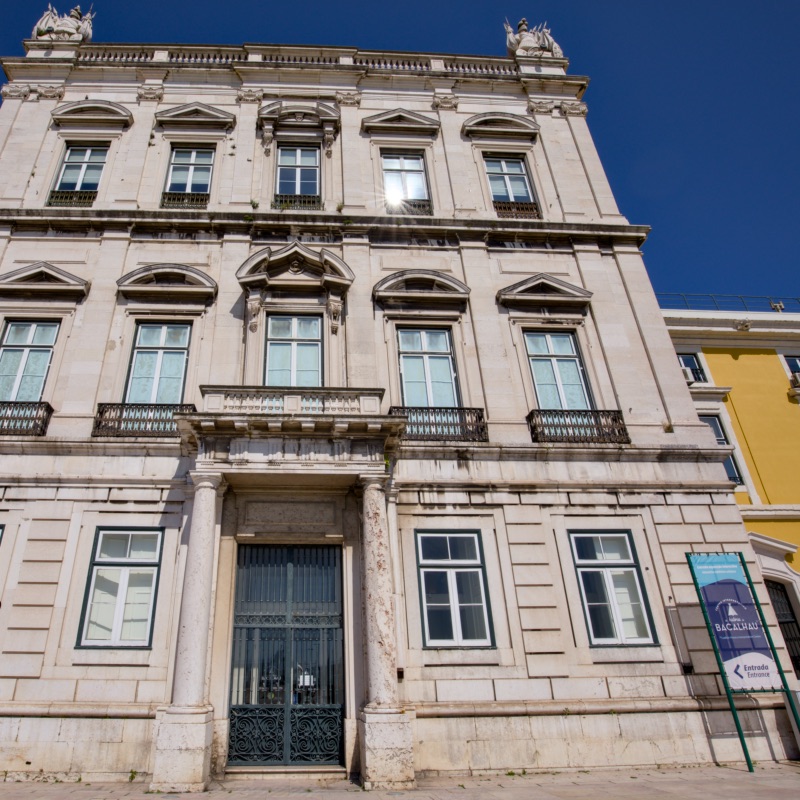
The Interpretive Centre of the History of Cod, housed in the eastern tower of Terreiro do Paço, was conceived as a place of memory devoted to the Portuguese relationship with the sea and with cod. More than a thematic venue, it stands as a tribute to a food that, over the centuries, moved from the economic sphere into the cultural one, becoming a symbol of Portuguese gastronomy, popular culture and a national identity connected to navigation and the Atlantic. The exhibition narrative revisits the epic of large-scale cod fishing in the cold waters of Newfoundland and Greenland, following sailors and fishermen who, campaign after campaign, left for long months in the North Atlantic. The route also recalls farewells on the quay, the harsh daily life on board and the way the Cod Campaign was appropriated by the propaganda of the Estado Novo regime. At the same time, the centre frames the lasting place of cod on Portuguese tables since at least the fifteenth century and shows how the subject remains relevant today, bringing together historical memory, food tradition and reflection on the future of marine resources.
Architecture and history
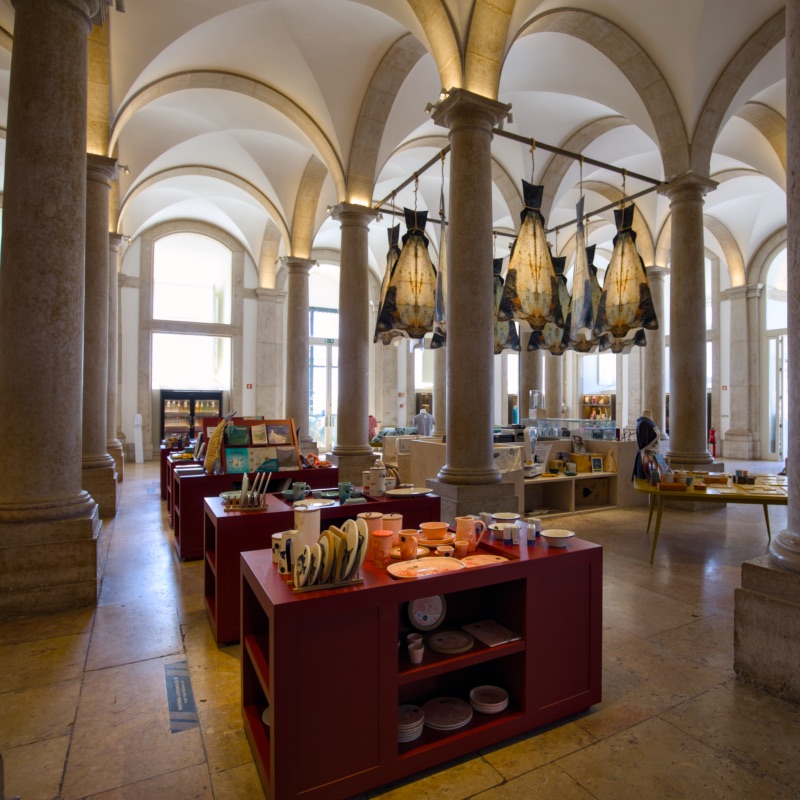
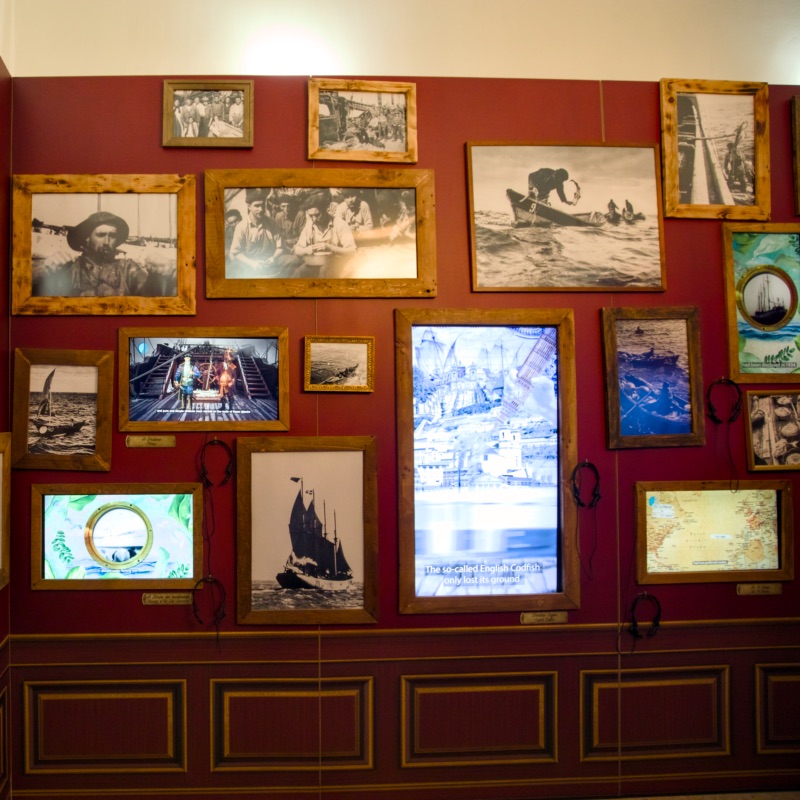
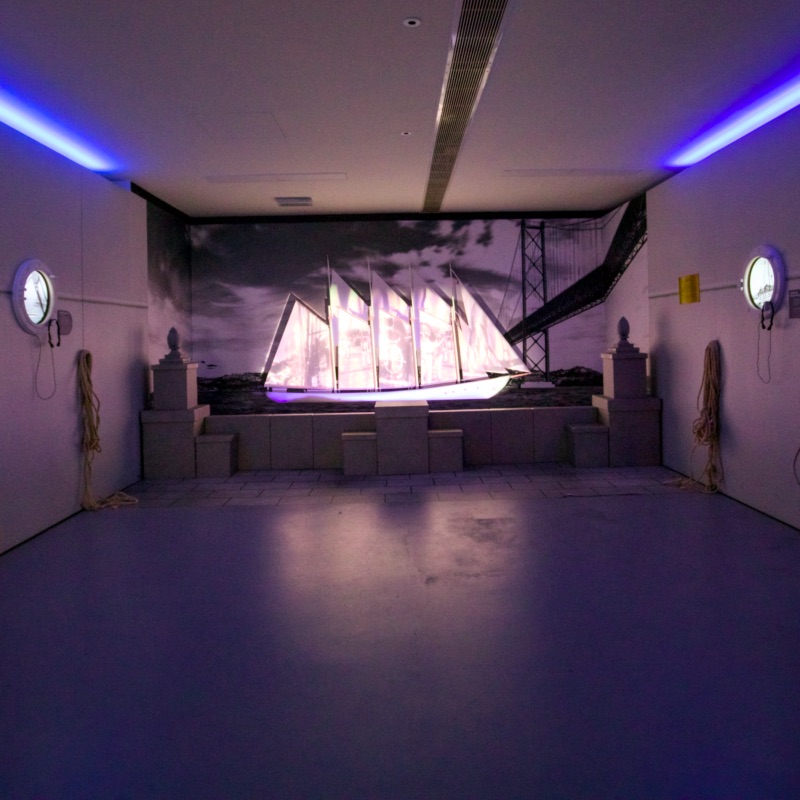
From an exhibition point of view, the centre is distinguished by the adaptation of a historic riverside space in Lisbon to a contemporary museographic language. The visit is organised into two major thematic modules, "The Sea" and "At the Table", distributed across several sections that combine history, scenography and technology. Information is presented through images, films, animations and interactive experiences, creating a coherent route between documentation, sensory atmosphere and narrative. In the sea module, rooms such as A Saga, O Adeus, Dóri, A Frota Branca, A Bordo and Propaganda structure the historical reading, from departure for the North Atlantic to life during the fishing campaign and the political framing of the twentieth century. In the module devoted to the table, the scale changes and shows how cod entered eating habits, recipes and the collective imagination. This combination of heritage setting, audiovisual display and immersive resources is one of the centre’s most distinctive features, placing visitors in contact with the rhythms, gestures, vocabulary and images associated with fishing, preservation, consumption and the contemporary reinvention of cod.
More context
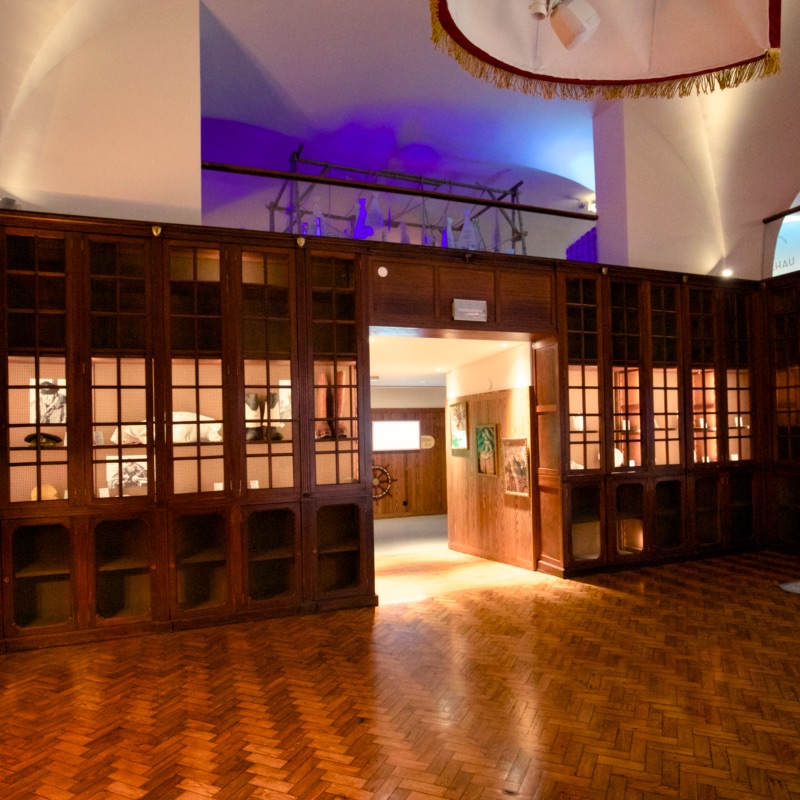
During a visit, it is worth starting with A Saga, the room that introduces the great cod-fishing tradition and includes more than 40 objects on loan from the Maritime Museum of Ílhavo, among them tools linked to cod fishing that help explain practices now little known. Next, O Adeus and Dóri are essential for understanding the human dimension of the fishing campaign: the first focuses on departures and the long wait of the families, while the second recreates the solitary experience of the fisherman in the small boat. A Frota Branca, A Bordo and Propaganda make it possible to understand how the vessels operated, how long the campaigns lasted and the ideological framework attached to cod fishing in the twentieth century. In the At the Table module, the Degustação room shows the extraordinary culinary diversity of cod and the lasting place of this fish in celebrations and everyday life. Finally, Bacalhau 20.20 closes the route with a contemporary perspective, drawing attention to resource scarcity, climate change and questions surrounding the future of fishing. Seen as a whole, the exhibition connects material heritage, social memory and food culture.
Gallery