Lisboa · Lisboa
Convento dos Cardaes
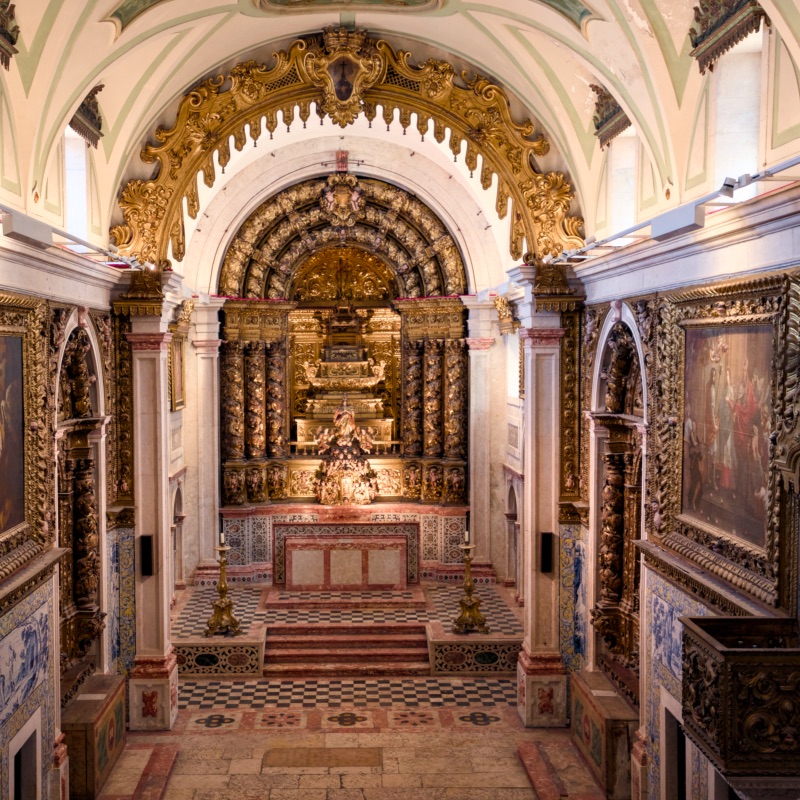
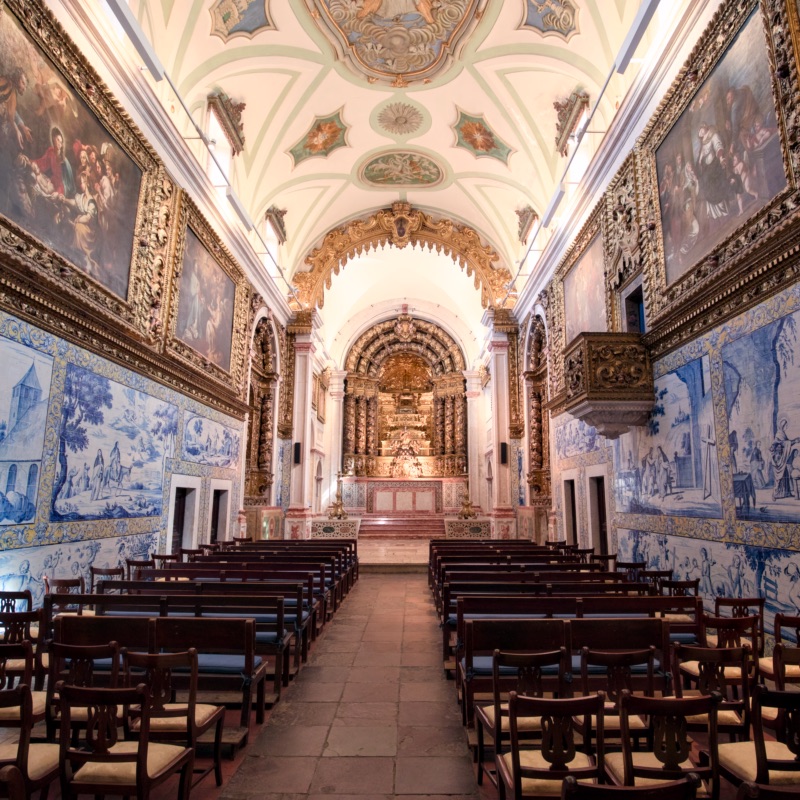
The Convent of Nossa Senhora da Conceição dos Cardaes, in Lisbon, was founded in 1681 by D. Luísa de Távora to house Discalced Carmelite nuns. Its history has crossed the city with little interruption: the 1755 earthquake caused little damage to the structure, allowing its seventeenth-century layout to be preserved. The sober exterior prepares a striking contrast with the interior, where the nave brings together gilded woodcarving, paintings and blue-and-white Dutch tile panels, signed by Jan van Oort of Amsterdam, showing episodes from the life of Saint Teresa of Ávila. In the chancel, the polychrome marble inlays, attributed to João Antunes, give the space depth and brilliance. After the death of the last Carmelite nun, the convent came to serve the Associação Nossa Senhora Consoladora dos Aflitos. Still today it is a monument, museum and inhabited home, linking Baroque art, religious memory and social mission.
Why it matters
The Convent of Nossa Senhora da Conceição dos Cardaes was born within the setting of enclosed female religious life in Lisbon. In 1677, D. Luísa de Távora decided to found a house there for Discalced Carmelite nuns, on properties she owned at the site known as Cardais. The first nuns entered in 1681, while the works were still unfinished, and the convent was dedicated to Our Lady of the Conception on 8 December of that year. Construction and decoration continued into the early 18th century, and were completed in 1703. The 1755 earthquake caused little structural damage, which helps explain the preservation of the 17th-century layout. After the extinction of the religious orders and the death of the last Carmelite nun in 1876, the building housed an asylum for blind women. Today it remains inhabited and continues a social mission linked to the care of young adult women with special needs.
Architecture and history
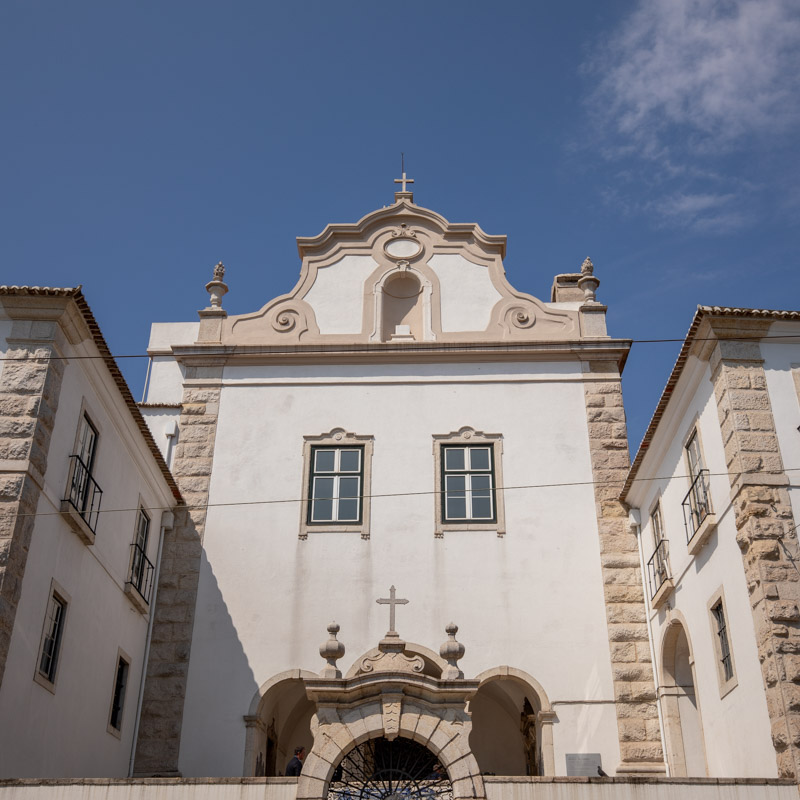
The side façade of the church clearly shows the discretion required by an enclosed community. Entry is through two simple doors, topped by small pediments and niches with images of Saint Joseph and Our Lady of the Conception. The church has a longitudinal plan, a single nave, a chancel, an ante-choir, an upper choir, a lower choir and a sacristy. Light enters through windows opened high in the walls, creating a clear separation between the sober architecture and the interior decoration. On the side walls of the nave, blue-and-white tile panels of Dutch origin stand out, signed by Jan van Oort, with episodes from the life of Saint Teresa of Ávila. In the chancel, the polychrome marble inlays and the gilded woodcarved altarpiece give the space an intense but organised Baroque reading.
More context
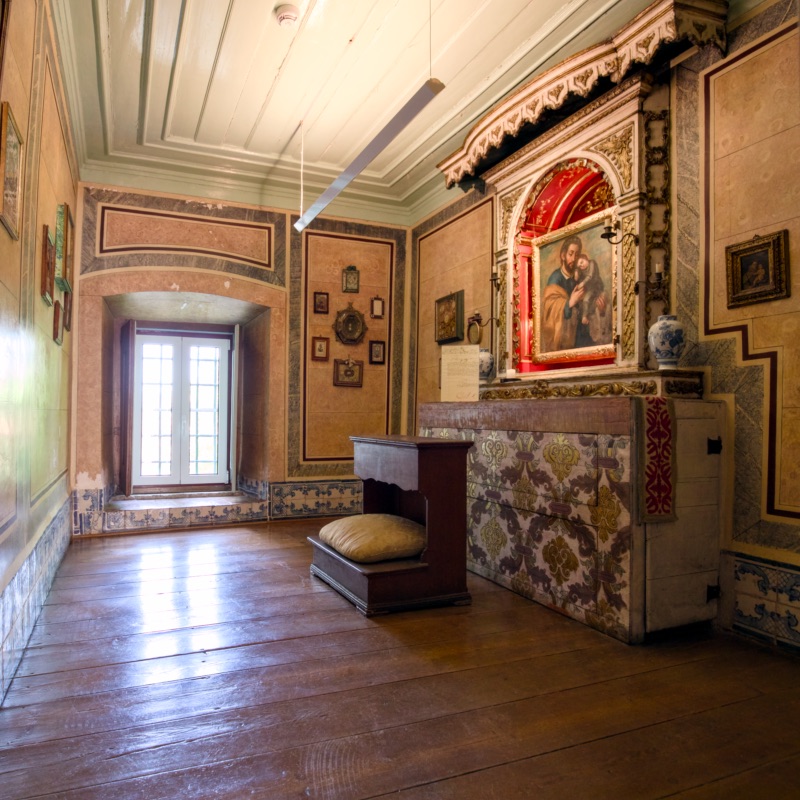
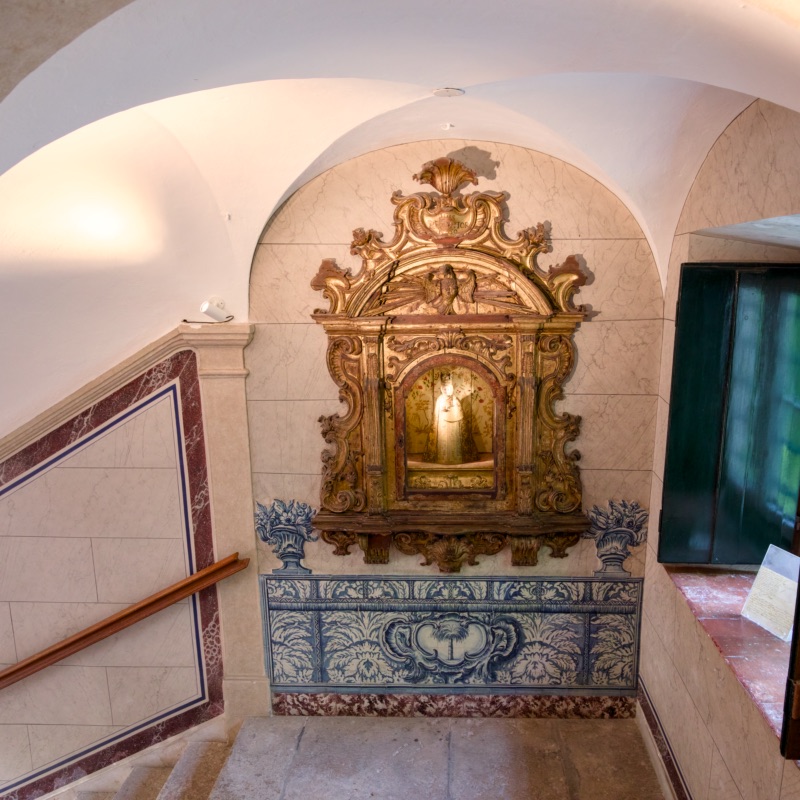
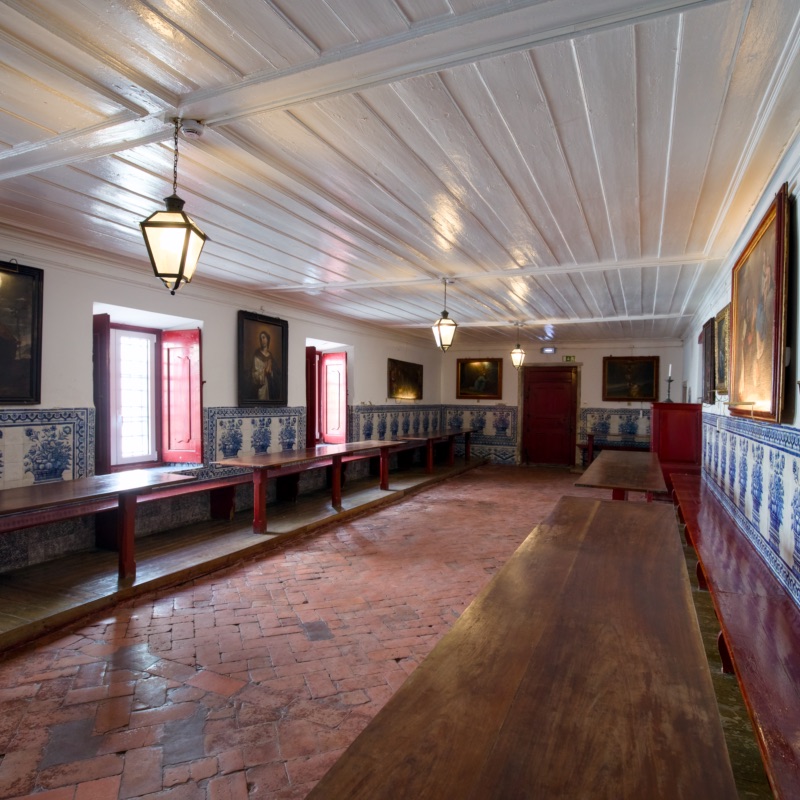
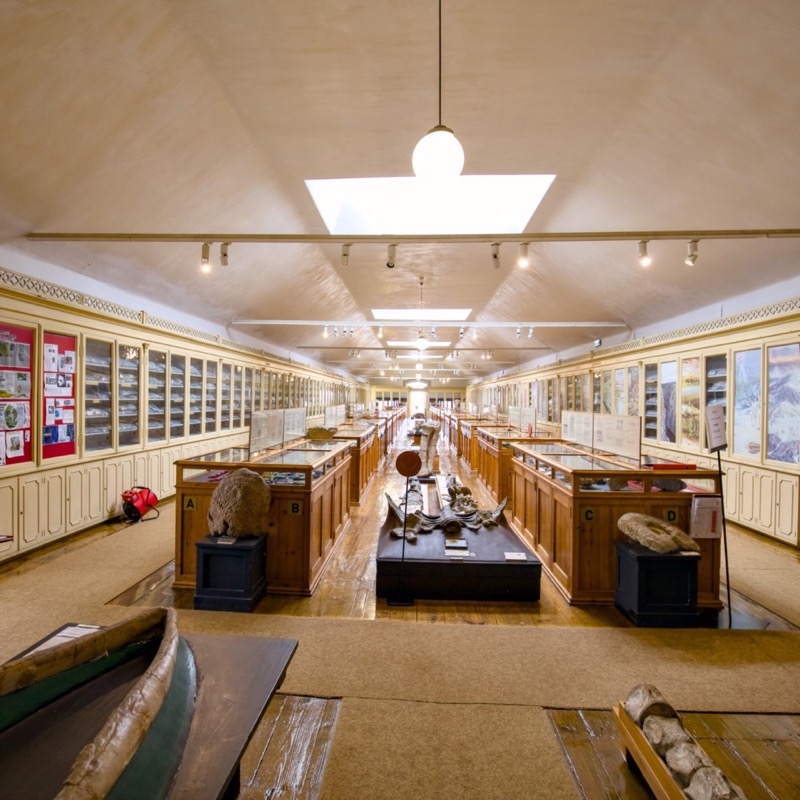
he Dutch panels in the nave deserve close attention, because they turn the walls into a visual narrative about Carmelite spirituality. Notice how the scenes are aligned below the gilded woodcarved frames and interact with the paintings placed above. In the chancel, observe the contrasts between stone, gold and colour: the marble inlays surround the altar and help mark this space as the liturgical centre. The choirs recall the former separation between the religious community and the outside world, essential for understanding the convent’s function. In the museum spaces, such as the refectory, the Marian Room, the Passion Room, the sacristy and the cloisters, the variety of tiles, paintings and devotional objects shows how daily life, prayer and art intersected within the enclosure.
Gallery