Museu Geológico

Lisboa · Lisboa

Museu Geológico

MuseumXIXPalace Architecture
Rua da Academia das Ciências 19, 1249-280 Lisboa4.5 Rating · 14245 min

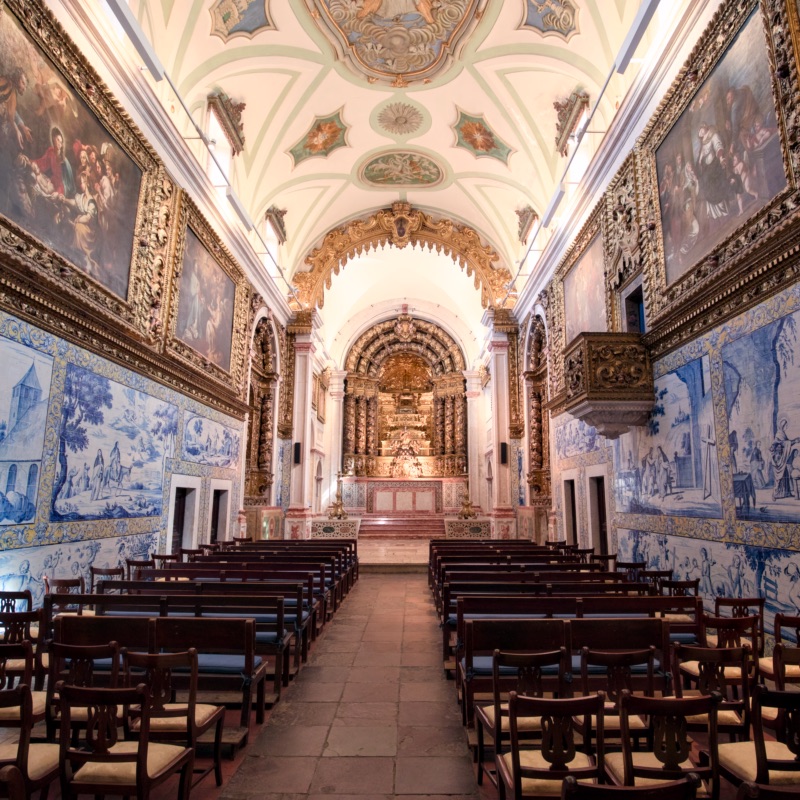
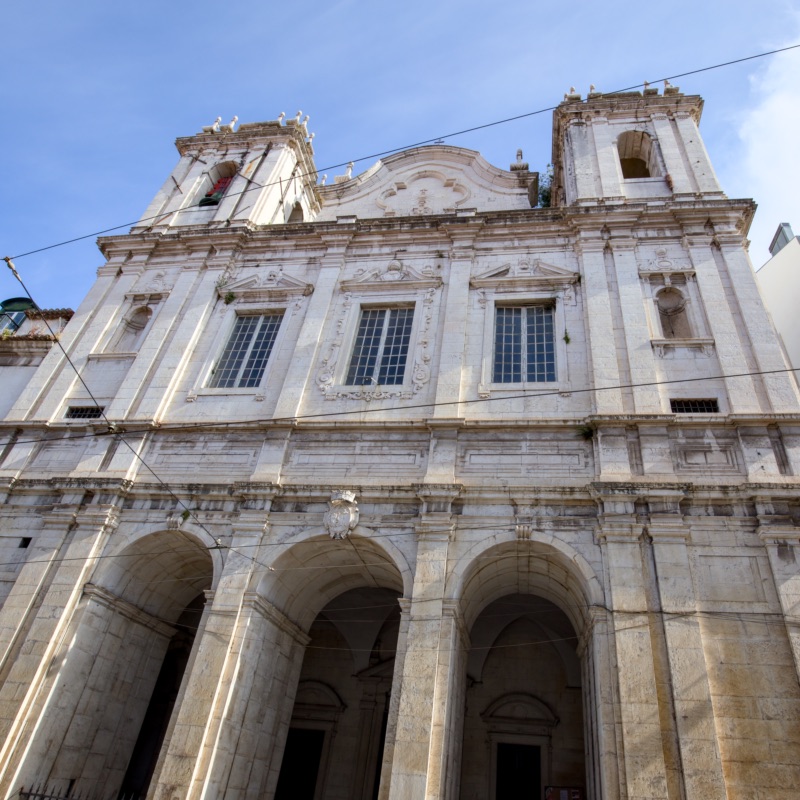
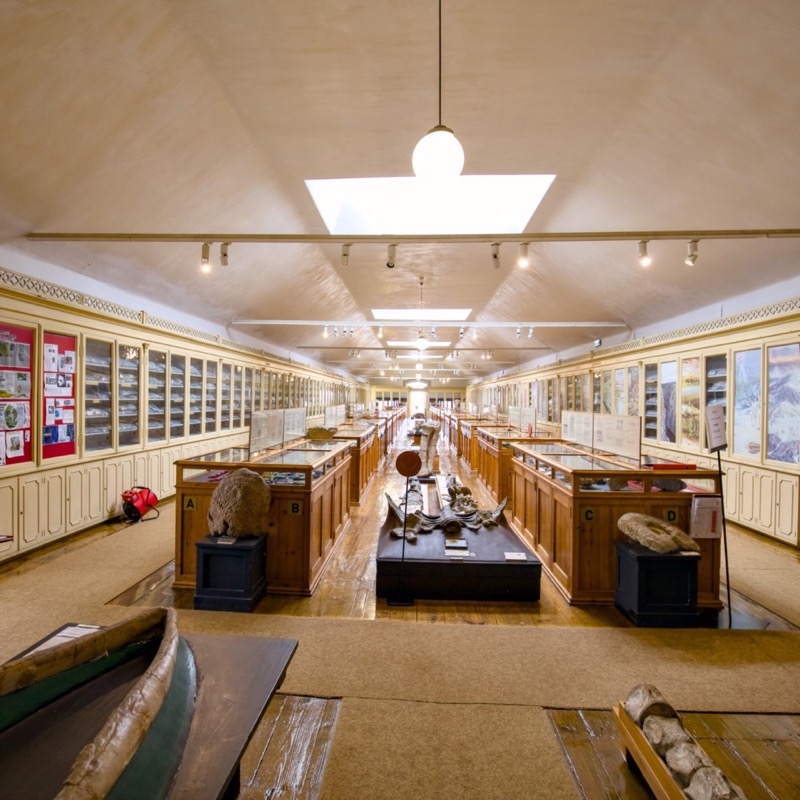
In the Convent of Nossa Senhora de Jesus, in Lisbon, the Geological Museum preserves a chapter of Portuguese scientific history. Its origins date back to 1859, when the Geological Commission of the Kingdom settled in this building and gathered specimens collected during the country’s geological work. Fossils, rocks, minerals and archaeological objects formed collections that remain connected to research, inherited from the Geological Commissions, the Geological Services of Portugal, the Geological and Mining Institute and today’s LNEG. Among the names associated with this early impulse are Carlos Ribeiro, Nery Delgado, Pereira da Costa and Paul Choffat. This is identified as the place where Portuguese Geology and Archaeology were born. The museum’s interest lies not only in its pieces: the arrangement of the collections, the display furniture and the interior architecture preserve the museological language of the 19th century. Part of the Portuguese Museum Network and classified in 2010 as a Property of Public Interest, it is also a rare testimony to the scientific museography of that time.

Why it matters

The Geological Museum, located in Lisbon, is one of the oldest museums in Portugal, founded in 1857. Initially created to support the Geological Commission of the Kingdom, the museum played a fundamental role in the development of geological sciences in Portugal. The Commission, led by Carlos Ribeiro and Nery Delgado, was responsible for the geological survey of the country, and the museum served as a repository for samples collected during these expeditions. Over the years, the museum has amassed a vast collection of fossils, minerals, and rocks, becoming a reference in the study of geology and paleontology in Portugal. The museum's history is closely linked to the scientific and educational development of the country, being a space that preserves and disseminates Portuguese geological heritage.

Architecture and history

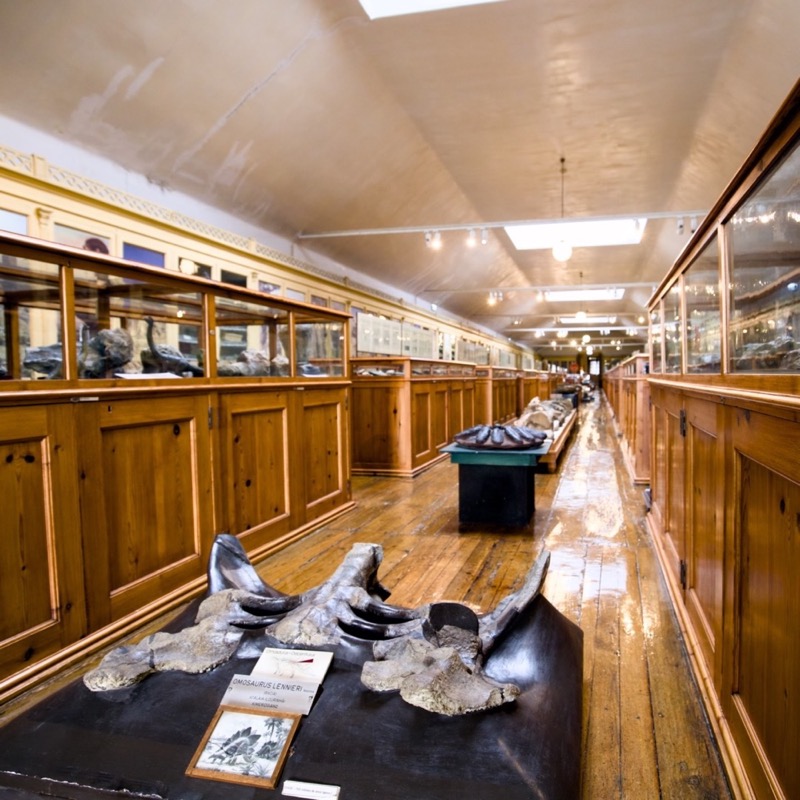
The Geological Museum is housed in the former Convent of Jesus, a building that is itself a historical landmark. The architecture of the convent, with its classical lines and spacious rooms, provides a suitable environment for the display of collections. The museum rooms are large and well-lit, allowing a clear and accessible arrangement of the exhibits. The showcases are carefully designed to highlight the scientific and historical importance of the pieces, with detailed descriptions that facilitate visitors' understanding. The building combines elements of traditional architecture with modern adaptations that ensure the proper conservation of the collections. Additionally, the museum has areas dedicated to temporary exhibitions, auditoriums for conferences, and educational spaces, reflecting its mission to educate and engage the public with geological sciences.

More context

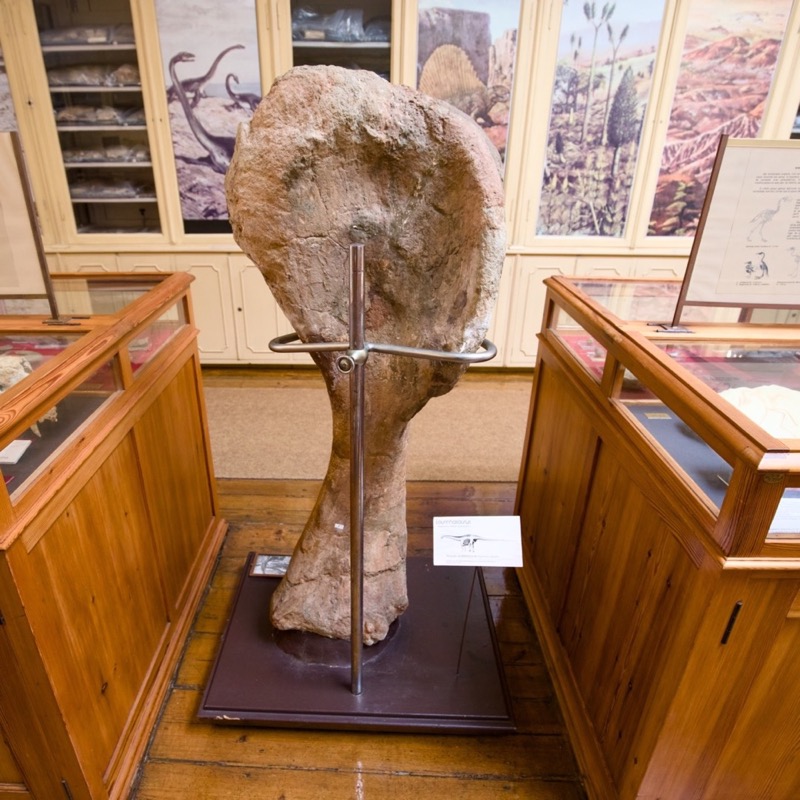
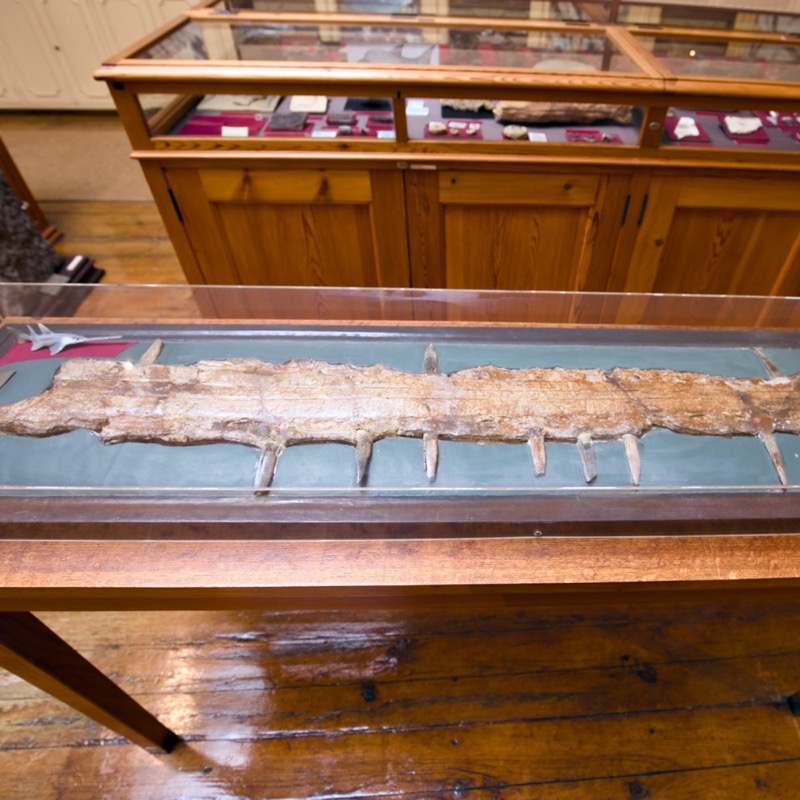
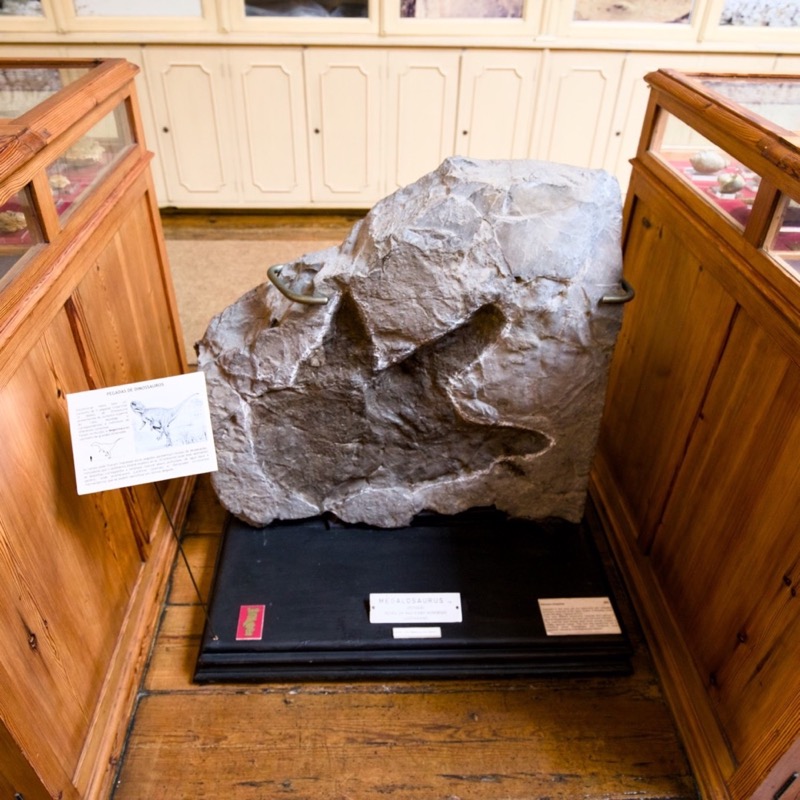
When visiting the Geological Museum, visitors can explore a vast collection of fossils, including impressive examples of dinosaurs, plants, and other organisms that inhabited the Earth millions of years ago. The museum's mineral collection is equally remarkable, presenting specimens from various parts of the world and highlighting Portugal's geological richness. Among the highlights is the exhibition of dinosaur footprints, which offers a fascinating insight into prehistoric life in Portuguese territory. Besides the permanent exhibitions, the museum frequently organizes temporary exhibitions that address specific themes of geology, paleontology, and natural history. The museum also offers guided tours, lectures, and workshops that provide an educational and interactive experience. It is an ideal place for families, students, and anyone interested in learning more about the geological history of our planet.

Gallery

Museu Geológico 1
Museu Geológico 2
Museu Geológico 3
Museu Geológico 4
Museu Geológico 5

Nearby places

View all