Lisboa · Lisboa
Museu da Farmácia
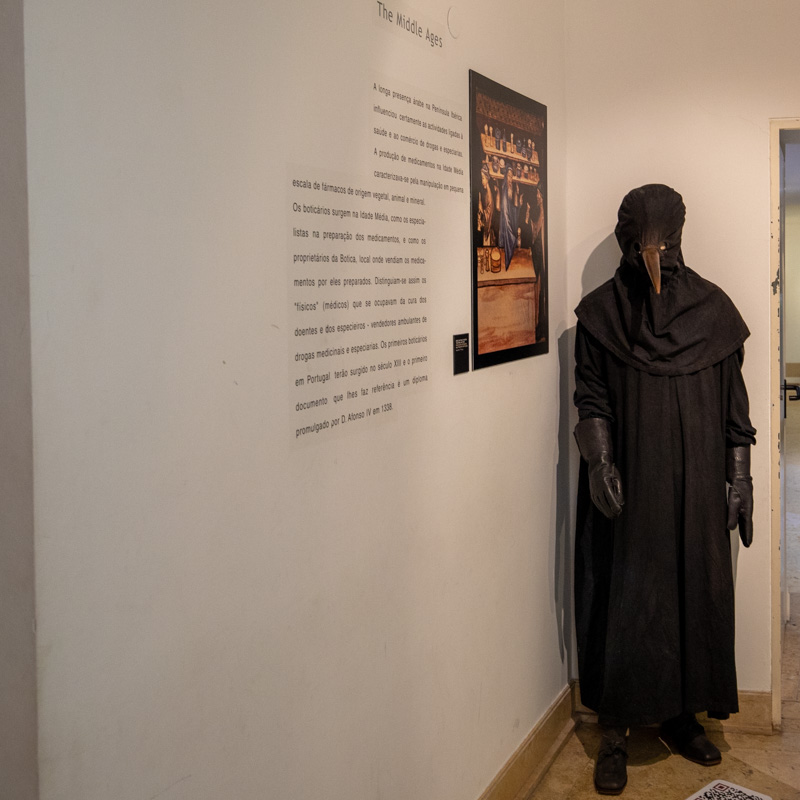
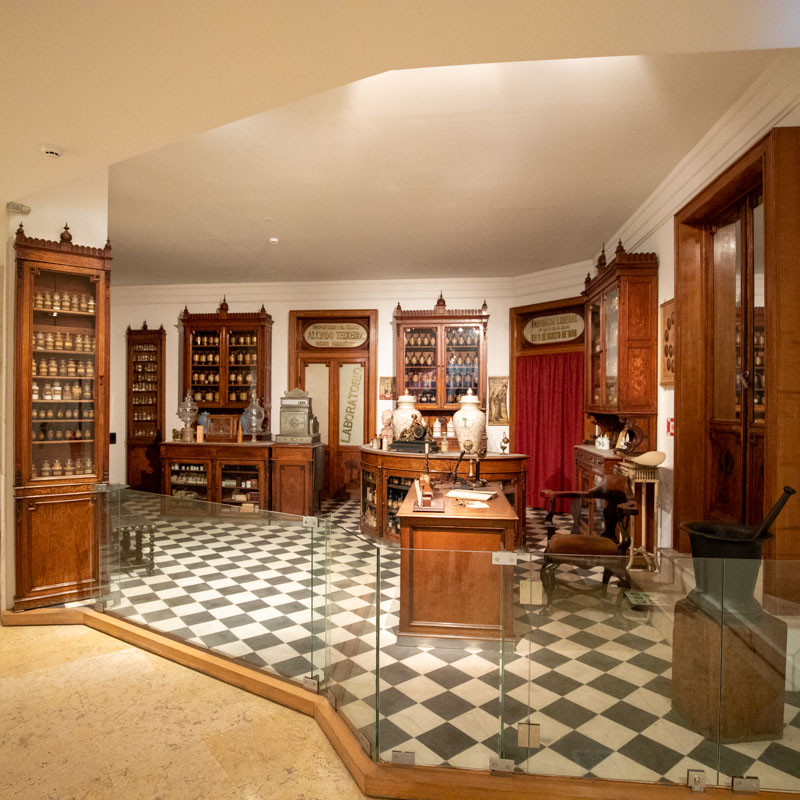
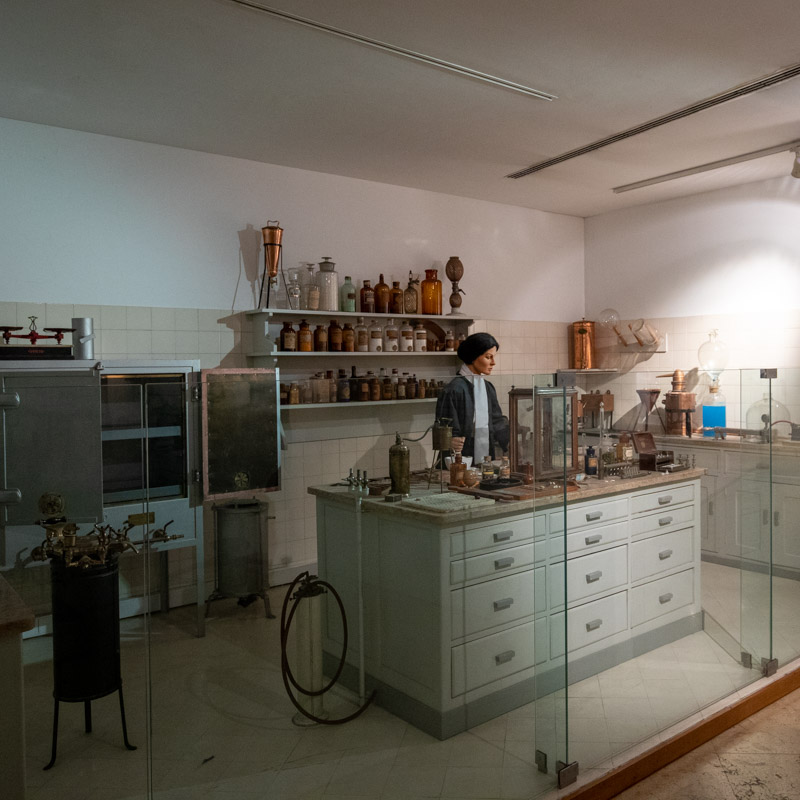
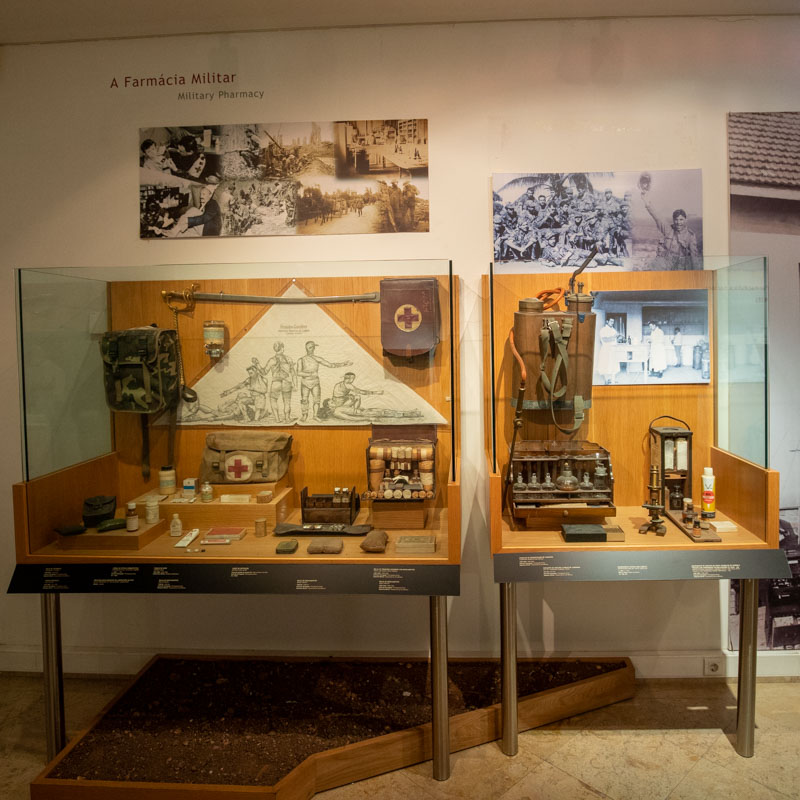
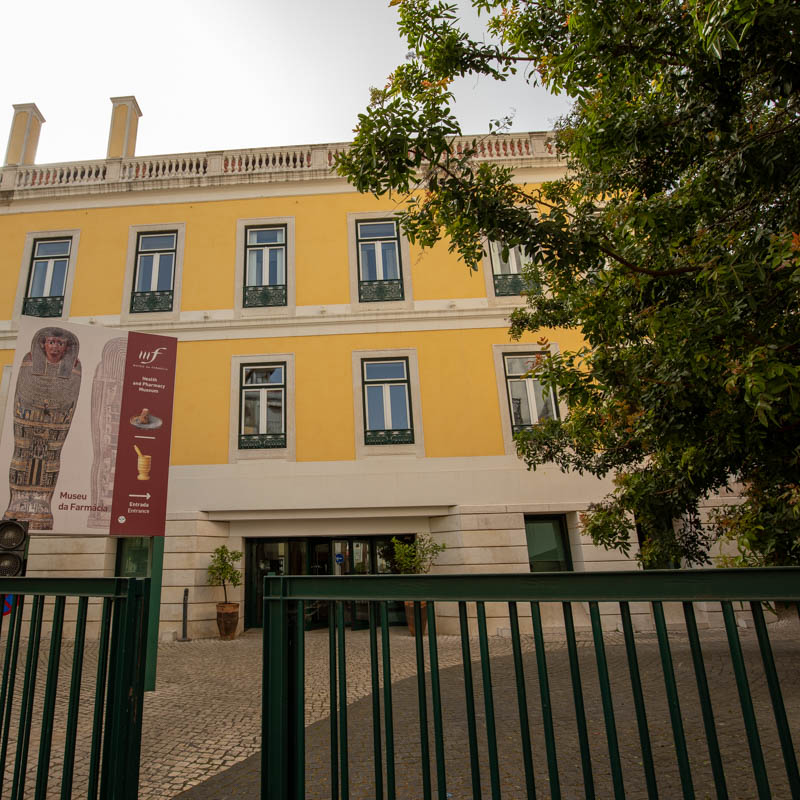
In the Palacete de Santa Catarina, the Pharmacy Museum tells the story of healthcare as a long human adventure. Opened in Lisbon in 1996 on the initiative of the Portuguese Pharmacies, it grew out of a collecting campaign launched in 1981 to save the objects, memories and techniques of a discreet yet essential profession. The visit is distinctive because it blends science, display and history: from the eighteenth-century apothecary to the Liberal Pharmacy of the early twentieth century, from a traditional pharmacy from Macao to the area devoted to military pharmacy, each reconstruction shows how ways of preparing, storing and trusting remedies have changed. Among pieces from very distant civilisations and objects linked to the Endeavour space shuttle and the Mir station, it becomes clear that the museum is not only about jars and formulas; it is about how each age tried to overcome pain, fear and disease.
Why it matters
In Lisbon, the Pharmacy Museum presents the history of health through the objects, gestures and spaces that accompanied the preparation of remedies. It opened in June 1996, after an appeal made in 1981 to Portuguese pharmacies to donate pieces for a future collection. That first nucleus grew with contributions linked to Portuguese pharmacy and, between 1997 and 2010, expanded to include pieces from other cultures. The route proposes around 5000 years of health history, passing through civilisations such as Mesopotamia, Egypt, Greece, Rome, the Islamic world, China and Japan. The museum’s importance lies in this scale: it shows that healing, relieving pain and organising knowledge about medicinal substances were very ancient and very diverse human concerns.
Architecture and history
The reconstructed pharmacies give the museum its most spatial dimension. Rather than presenting only display cases, the route recreates settings where visitors can understand how furniture, the counter, cabinets, bottles and labels organised pharmaceutical work. Barbosa Pharmacy, from Paço de Sousa, preserves carved and painted wood, niches, shelves and pieces of pharmaceutical faience associated with an old convent apothecary. Liberal Pharmacy, founded in Lisbon in 1890, shows varnished wooden cabinets, sober decoration and pharmacy symbols such as the palm tree and the serpent. The Chinese Pharmacy, from Macau and dated to the late 19th century, uses lacquered, carved and gilded wood. These interiors help visitors see the pharmacy as a place of science, trade, care and social representation.
More context
Barbosa Pharmacy shows how an apothecary could function with niches, drawers, shelves and specific containers for storing medicinal plants and simple preparations. In Liberal Pharmacy, the blue, brown or colourless glass bottles and the display counters help reveal the move towards a more modern space, where pharmaceutical specialities, beauty products and advertising became more visible. In the Chinese Pharmacy, notice the central panel, with a doctor and pharmacist attending to patients, and the inscriptions indicating preparations such as pills, powders, ointments and eye drops. The route ends with a strong contrast: portable pharmacies used on the Space Shuttle Endeavour, during the STS-97 mission of December 2000, and medicines linked to the Mir Orbital Station. The history of pharmacy thus passes from the apothecary to space.
Gallery