Miradouro de Santa Catarina

Lisboa · Lisboa

Miradouro de Santa Catarina

ViewpointXIXPublic Space
Miradouro de Santa Catarina, 1200-012 Lisboa4.6 Rating · 26115 min

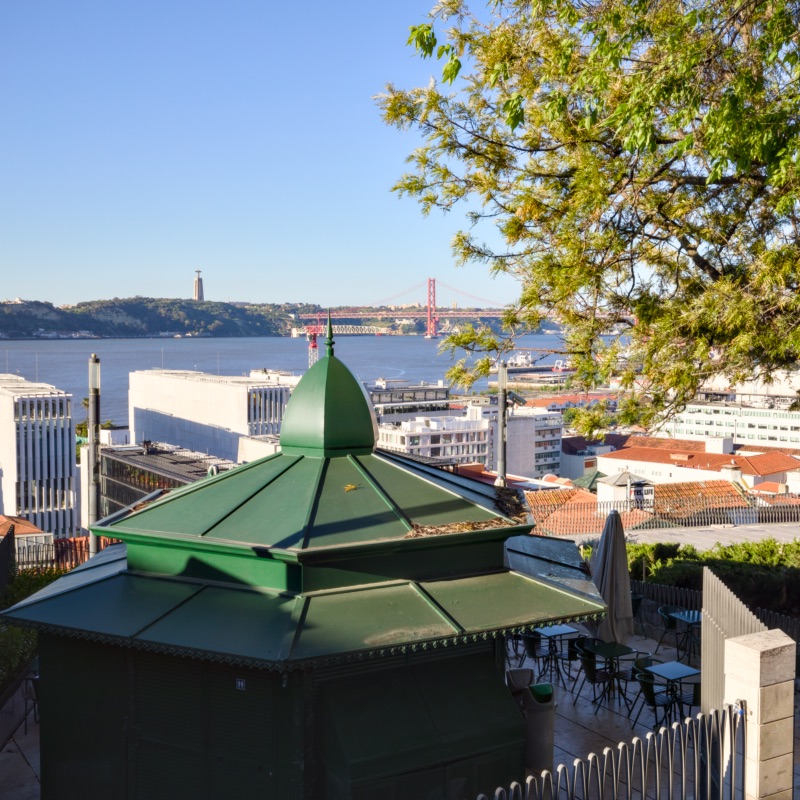
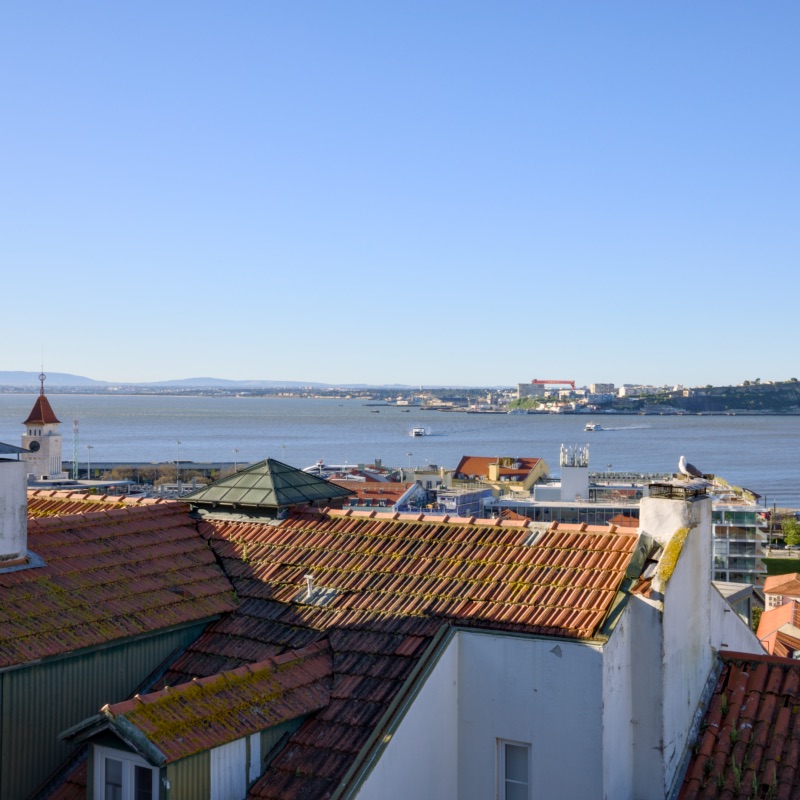
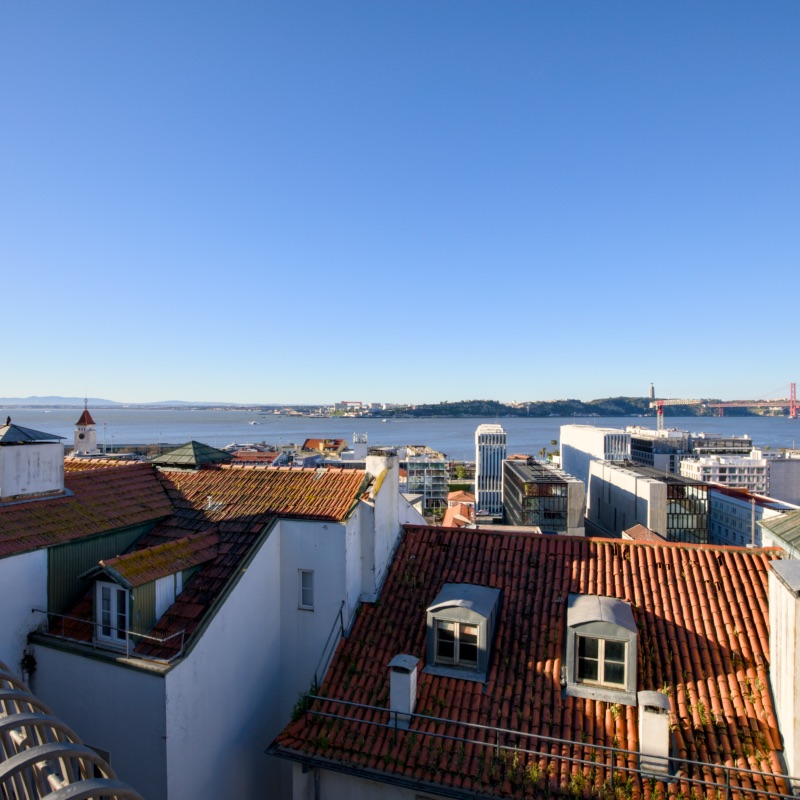
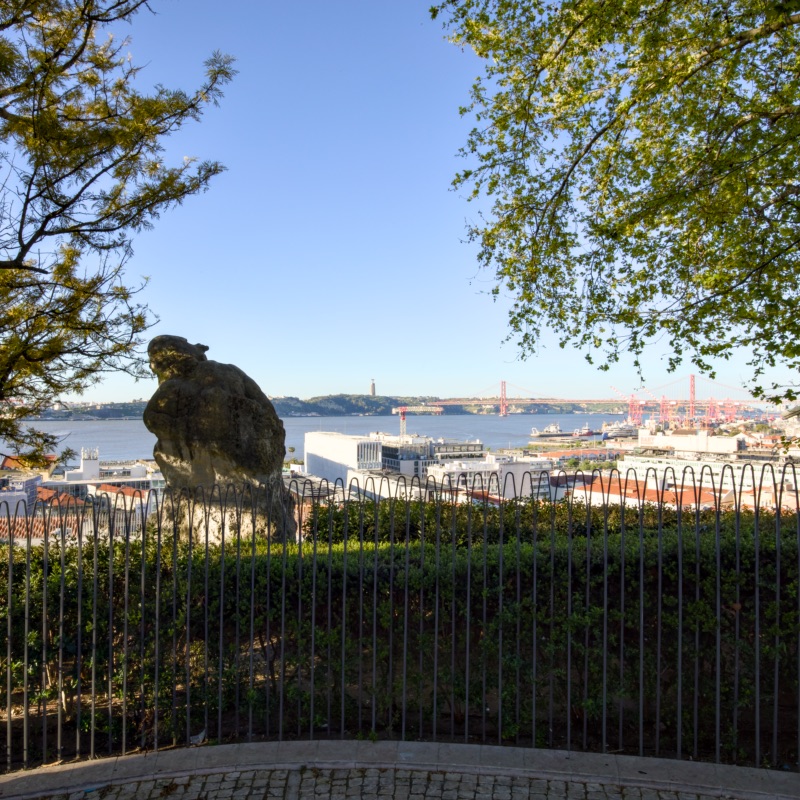
The Santa Catarina Viewpoint, in Lisbon, is also known as the Jardim do Alto de Santa Catarina or the Jardim do Adamastor. Built in 1883, it opens over the Tagus estuary, the 25 April Bridge and the rooftops of the former parish of São Paulo. The space combines a small garden with a wide terrace, where the city is observed towards the river. Its most striking presence is the sculpture of Adamastor, inaugurated on 10 June 1927 on the initiative of Lisbon City Council. The figure, created by Luís de Camões in “The Lusiads”, symbolises the Cape of Storms and the fears associated with Atlantic navigation. Between garden, literature and maritime horizon, the viewpoint turns a view over Lisbon into a visible memory of the Portuguese epic imagination.

Why it matters

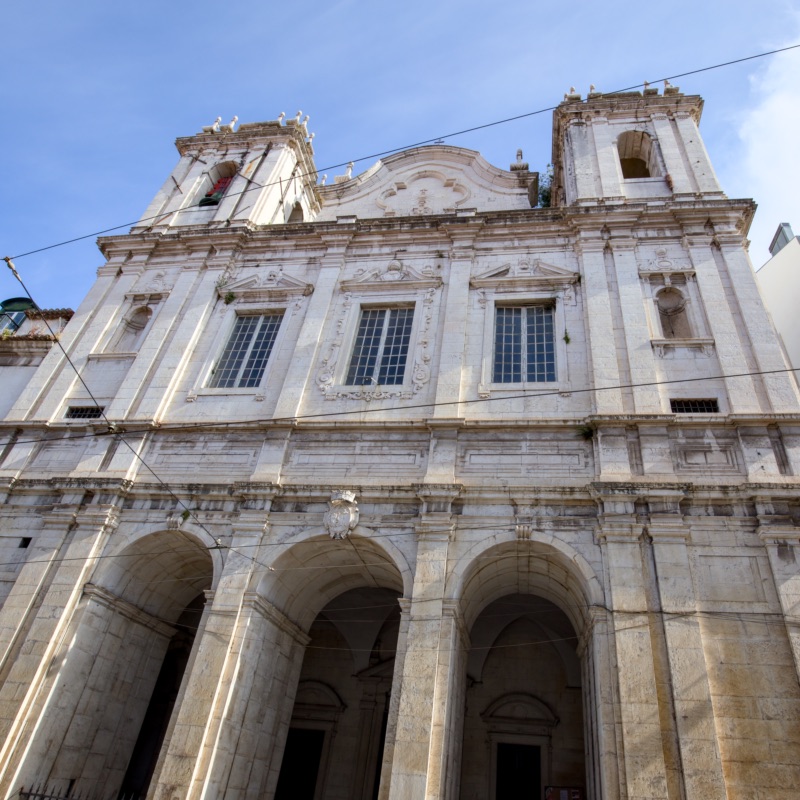
The Santa Catarina Viewpoint, also known as Jardim do Alto de Santa Catarina or Jardim do Adamastor, occupies a terrace facing the Tagus on the southern slope of Santa Catarina Hill. The garden was created in 1883 and became one of the most characteristic public lookout points in this area between Chiado, Bica and the riverfront. In 1927, the site gained the feature for which it is best known: the Adamastor sculpture by Júlio Vaz Júnior, inaugurated on 10 June and inspired by the figure created by Camões in The Lusiads to represent the former Cape of Storms, later the Cape of Good Hope. The presence of this character links the viewpoint to the Portuguese maritime imagination and reinforces the symbolic relationship between Lisbon and the river. The historical importance of the site is expanded by the nearby Church of Santa Catarina and the former Convento dos Paulistas, a complex classified as a National Monument and tied to the urban and religious formation of the neighbourhood. Santa Catarina is therefore not only a panoramic terrace: it is a place where literature, maritime memory, public space and historic heritage overlap with unusual clarity.

Architecture and history

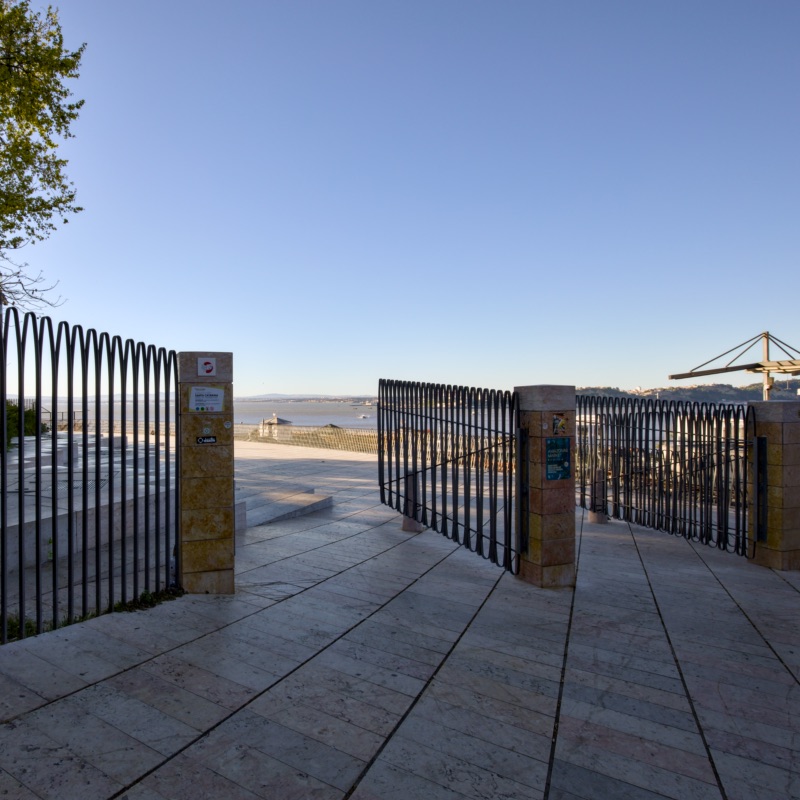
From an architectural point of view, the viewpoint stands out for the simplicity of its composition and the effectiveness of its setting. Lisbon City Council describes it as a space with sparse vegetation dominated by a large sculpture, while Visit Lisboa highlights the coexistence of a small garden and a broad terrace opening onto the estuary. That combination defines the character of the place: a wide platform designed for contemplating the landscape, with the horizon structured by the Tagus, the 25 de Abril Bridge and the rooftops of the former parish of São Paulo. Adamastor, placed on an artificial rocky mass, works as the visual and symbolic centre of the ensemble. Around it, the architecture reinforces the heritage density of the site. The Church of Santa Catarina is described as a convent church of Baroque religious architecture, with a longitudinal Latin-cross plan linked to the convent, while the Convento dos Paulistas is identified as a Mannerist complex with an L-shaped plan, classified as a National Monument. The architectural value of the viewpoint therefore comes from the dialogue between terrace, garden, sculpture and monumental surroundings, rather than from a single isolated object.

More context

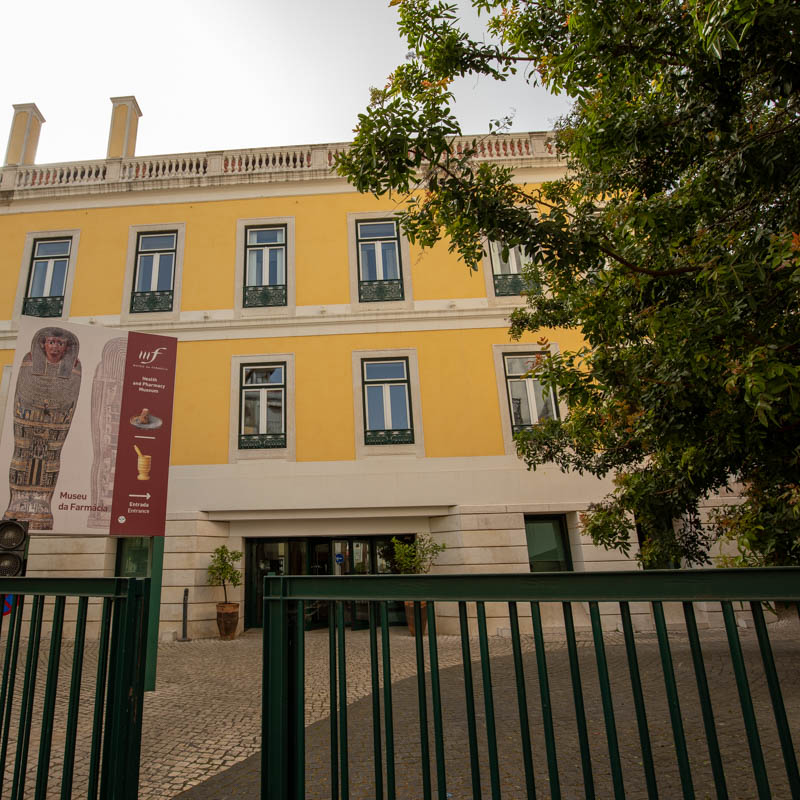
A visit should begin on the main terrace, with enough time to read the landscape across its full width: the Tagus estuary, the 25 de Abril Bridge and the rooftops of the São Paulo area clearly explain why this viewpoint became one of Lisbon’s most recognisable urban balconies. The next step should be to approach the Adamastor sculpture, not only for its visual impact but also for the literary and symbolic layer it introduces into the visit. Only a short walk away, the Church of Santa Catarina and the former Convento dos Paulistas add a decisive heritage dimension, allowing the route to move from open space to the district’s religious architecture. It is also worth including the Pharmacy Museum, located in the same area and devoted to the history and technology of pharmacy across millennia, which broadens the cultural interest of the immediate surroundings. The route can then continue towards Bica: the Bica Funicular, one of the most iconic links between the hill and the waterfront, helps explain the relationship between Santa Catarina, Cais do Sodré and one of Lisbon’s most traditional quarters. Taken together, the viewpoint works as an excellent starting point for understanding Lisbon through hill, river and urban heritage.

Gallery

Miradouro de Santa Catarina 1
Miradouro de Santa Catarina 2
Miradouro de Santa Catarina 3
Miradouro de Santa Catarina 4
Miradouro de Santa Catarina 5

Nearby places

View all