Lisboa · Lisboa
Museu das Comunicações
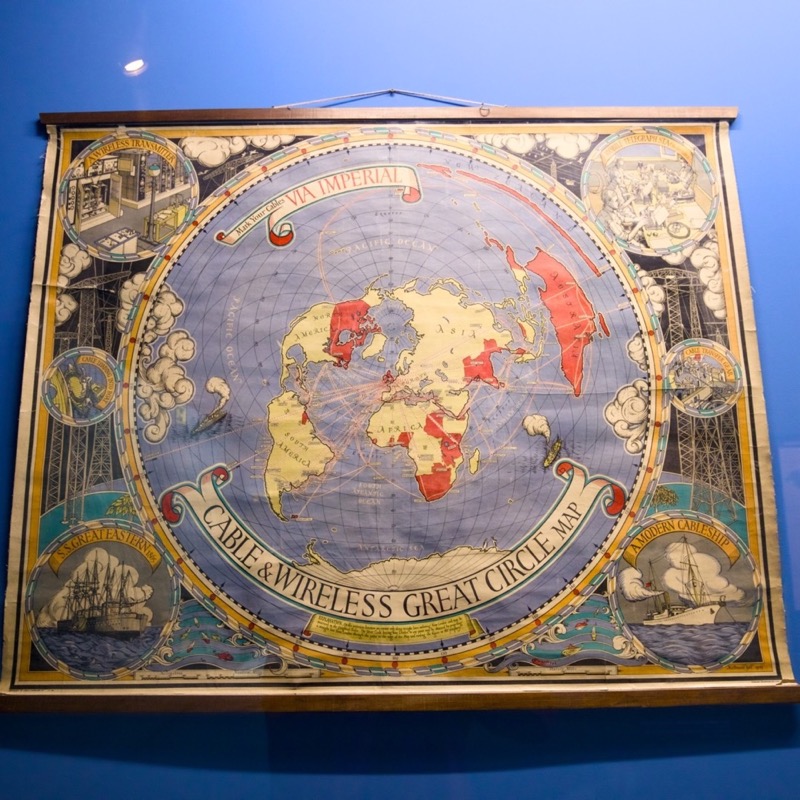
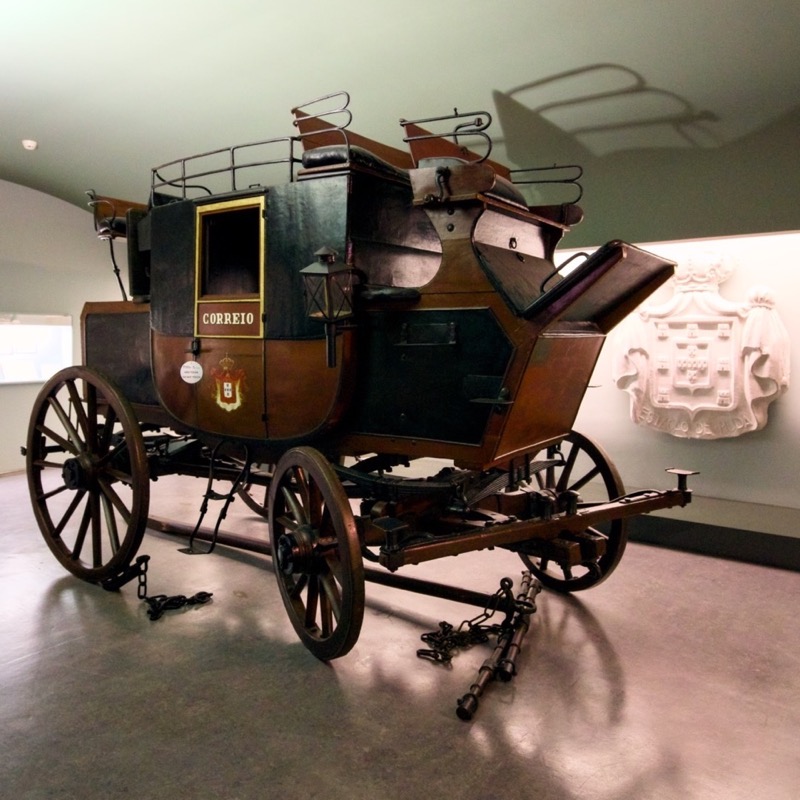
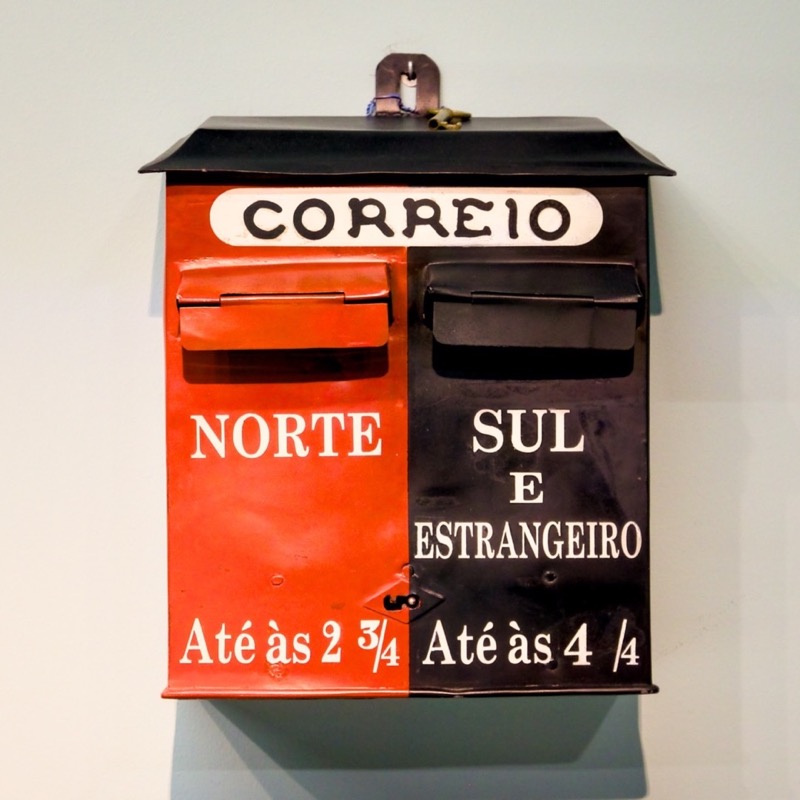
The Museum of Communications, in Lisbon, is the public face of the Portuguese Communications Foundation and preserves the material memory of a sector that has accompanied the country’s history for centuries. The collection has deep roots: in 1878, guidelines from the Ministry of Public Works, Commerce and Industry led to the creation of the “Postal Museum”, begun with thirty pieces. Today, the heritage includes objects from the 16th century to the present day and is organised into three major areas: postal collections, telecommunications collections, and artistic and philatelic collections. The permanent exhibition “Overcoming Distance – Five Centuries of Communications in Portugal” shows how writing, the post, the telegraph, the telephone and other technologies changed the relationship between people and territories. Along the route there are also the Mail Coach, linked to the transport of mail and passengers, and submarine cables, essential to understanding contemporary global communication. It is a museum about the human need to overcome distance.
Why it matters
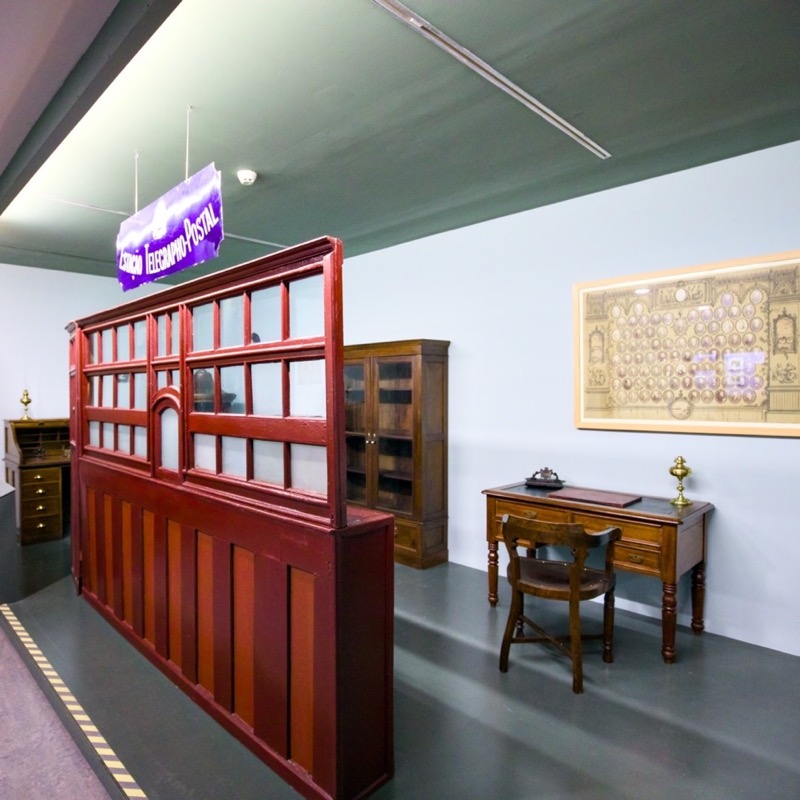
The Communications Museum, located in the heart of Lisbon, is a true gem for history and technology enthusiasts. Opened in 1997, this museum is managed by the Portuguese Communications Foundation, aiming to preserve and disseminate the heritage of communications in Portugal. The museum's history dates back to the late 19th century when the need for an efficient communication system became evident to support the country's industrial and social development. The building that houses the museum is a blend of modern and historical architecture, reflecting the evolution of communications over time. The permanent and temporary exhibitions offer a fascinating journey from the beginnings of written communication to the digital age. One of the historical highlights is the recreation of a 1950s post office, complete with original furniture and equipment, allowing visitors to experience how it was to send and receive mail at that time.
Architecture and history
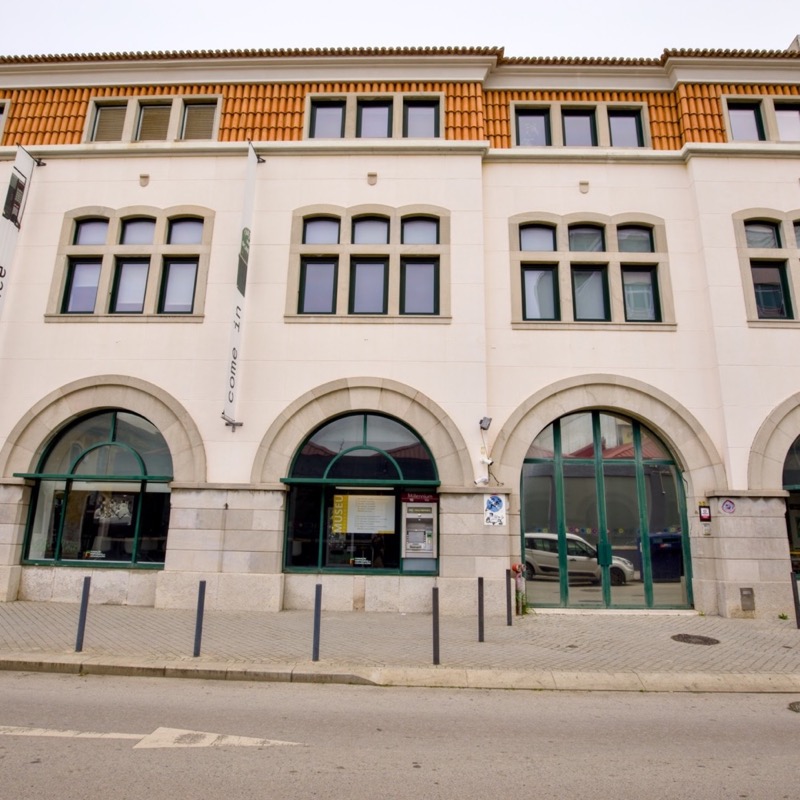
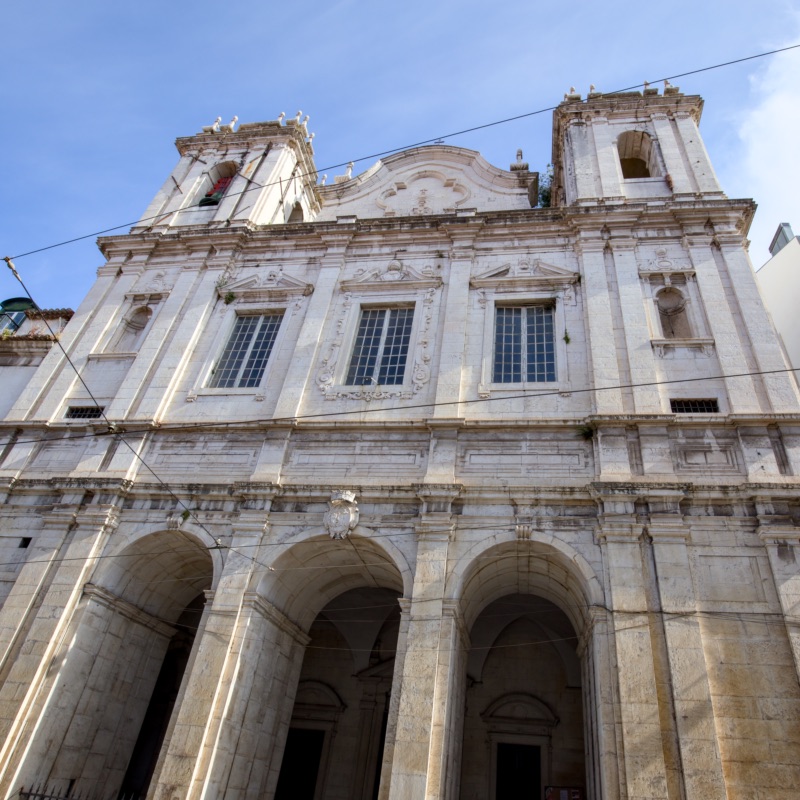
The Communications Museum is housed in a building that combines classical elements with contemporary design. The original facade, preserved, dates back to the early 20th century and features characteristic architectural details of the time, such as stone ornaments and large windows. However, the interior of the museum has been modernized to host interactive exhibitions and facilitate visits. The exhibition rooms are spacious and well-lit, with a design that encourages interaction and learning. The use of modern technology, such as digital information panels and interactive displays, provides an engaging experience for visitors of all ages. The museum also includes an auditorium and several conference rooms where events and seminars related to communications are held.
More context
When visiting the Communications Museum, visitors can explore various permanent exhibitions that cover the history of communications in Portugal and the world. One of the main attractions is the exhibition "The Adventure of Communications", which traces the evolution of communication methods from smoke signals and drums to the internet and mobile telecommunications. This exhibition includes an impressive collection of historical equipment such as telegraphs, radios, and old telephones. Another must-see exhibition is "Communicating and Governing", which explores the role of communications in public administration and governance, featuring historical documents and objects related to postal and telecommunications services. Visitors can also view a collection of rare stamps and learn about the history of mail in Portugal. For those interested in modern technology, the area dedicated to mobile telecommunications and the internet is a highlight. Here, visitors can learn about the evolution of mobile devices, the digital revolution, and the impact of the internet on our daily lives. The museum also offers workshops and educational activities for children and young people, making the visit not only informative but also fun.
Gallery