Igreja de Santa Catarina

Lisboa · Lisboa

Igreja de Santa Catarina

ChurchXVIIBaroque Architecture
Calçada do Combro 82A, 1200-123 Lisboa4.7 Rating · 65815 min

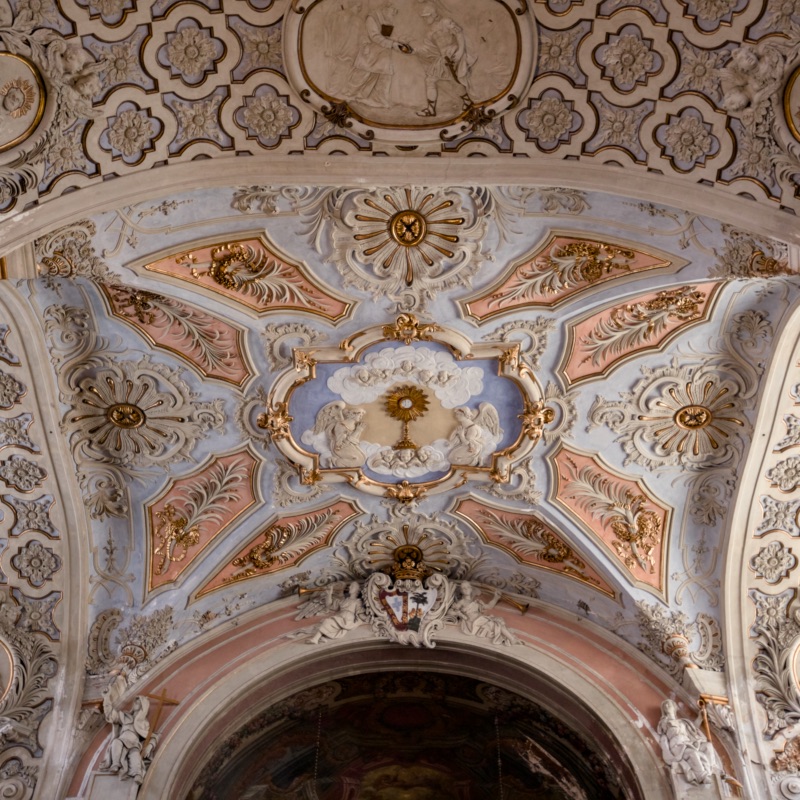
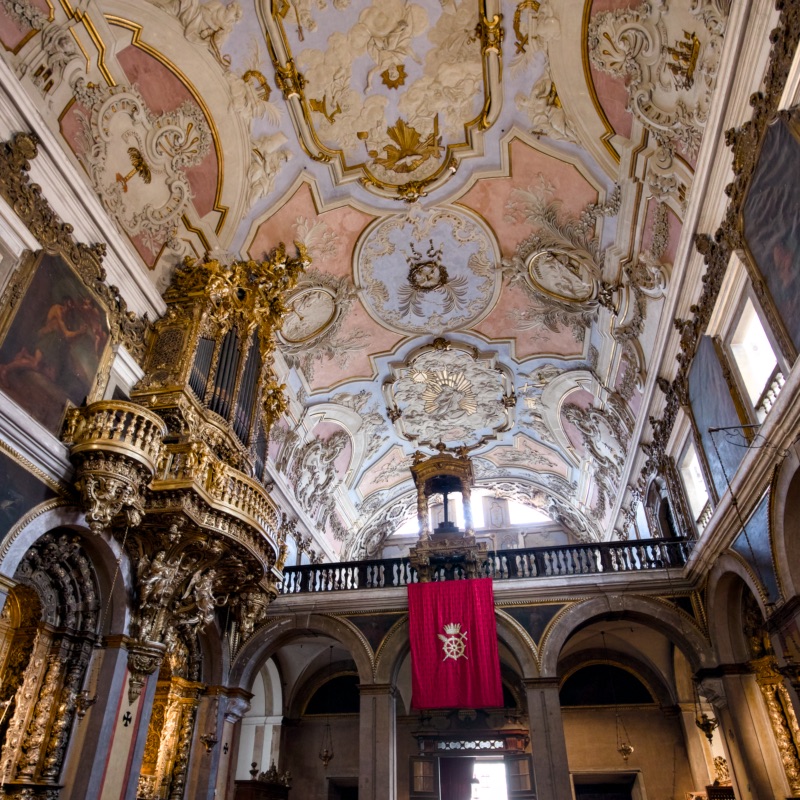
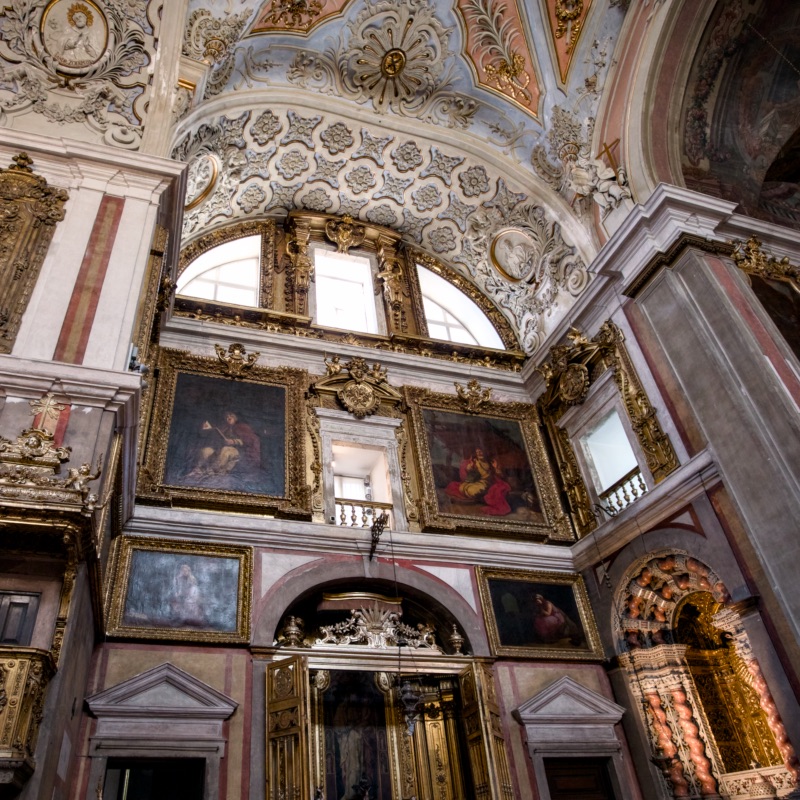
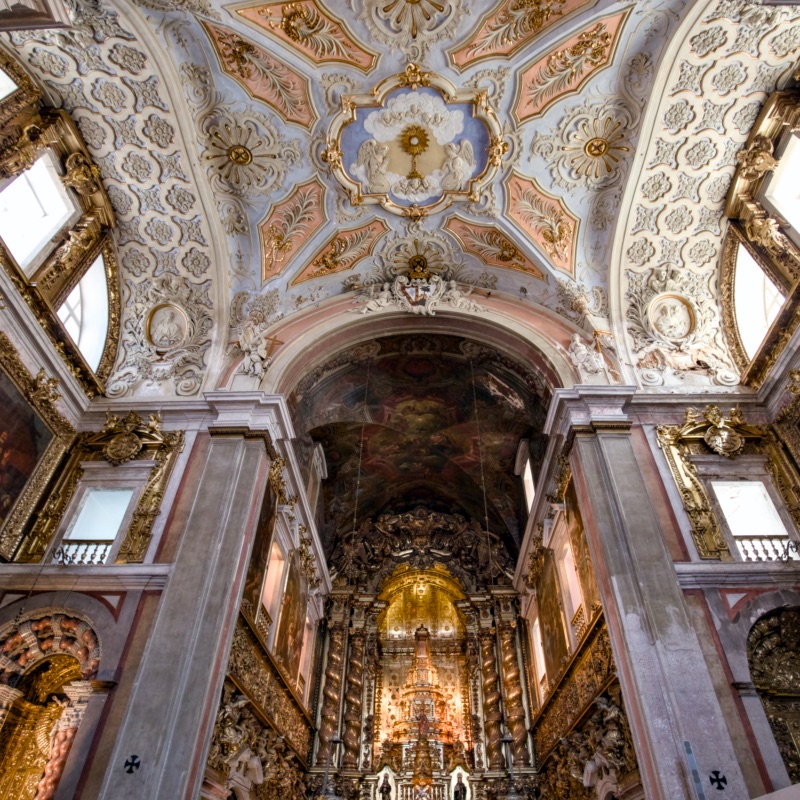
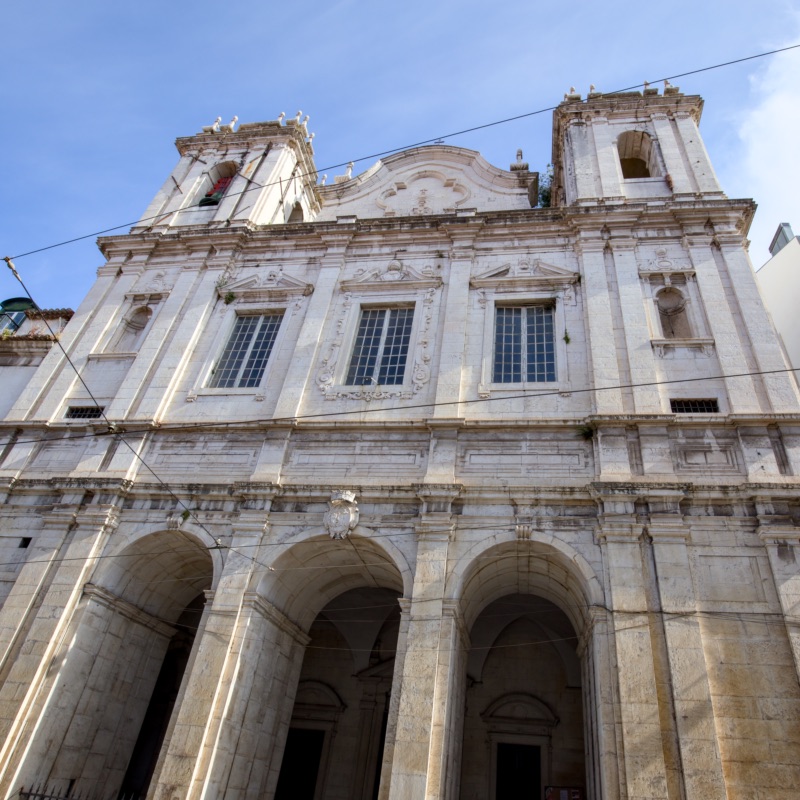
The Church of Santa Catarina, in Lisbon, was founded in 1654 in connection with the religious community of São Paulo da Serra de Ossa, beside the former Convent of the Paulists. First associated with the Blessed Sacrament, it came under the invocation of Saint Catherine in the nineteenth century, when the parish seat was transferred to this complex. Classified as a National Monument since 1918, it brings together Baroque and Rococo elements. The façade is arranged in three sections, with a triple arcade, a curved pediment and two bell towers decorated with balusters. Inside, the single nave leads to the chancel, where the Johannine gilded carving of the high altar stands out. The stuccowork by João Grossi, the side chapels, the carved wooden pulpits and the Portuguese organ complete a space in which convent architecture, parish devotion and artistic heritage remain closely linked.

Why it matters

The Church of Santa Catarina, on Calçada do Combro, preserves the memory of the Paulists, members of the Order of Saint Paul of Serra de Ossa. Construction of the church began in 1654, next to the convent founded in 1647, and it was first dedicated to the Blessed Sacrament. It was consecrated in 1680. That first dedication explains the repeated presence of the Eucharistic emblem, visible on the façade and on the crossing arch. The 1755 earthquake damaged the church, which underwent recovery works completed in 1763. In 1835, after the extinction of the religious orders and the transfer of the former parish of Santa Catarina, it began to serve as a parish church. Its protection as a National Monument, granted in 1918, recognises above all the artistic value of the ensemble, where the former conventual function and the parish use remain readable.

Architecture and history

The main façade, facing south, is organised into three sections marked by paired pilasters. The triple arcade creates a galilee before the entrance, while the central section rises in two levels to the pediment and the two bell towers decorated with balusters. The central portal is framed by pilasters and topped by a triangular pediment interrupted by the emblem of the Blessed Sacrament. Inside, the Latin-cross plan leads the eye through the single nave, the shallow side chapels, the transept and the chancel. The chancel brings together gilded woodcarving, painting, sculpture, a jacaranda-wood communion rail and marble columns. The altarpiece by Santos Pacheco rests on Solomonic columns, on corbels supported by angels. In the nave, the flattened-arch vault carries ornamental stuccowork attributed to João Grossi and Toscanelli, with medallions, foliage and shell motifs.

More context

The triple arcade of the façade helps to show the transition between street and sacred space: before entering, the visitor passes through a covered area that prepares the reading of the interior. The emblem of the Blessed Sacrament, repeated on the crossing arch, recalls the church’s first dedication. In the chancel, notice the relationship between the gilded woodcarving, the marble columns and the side paintings, because this ensemble creates the visual centre of the church. The eight shallow side chapels show how devotion was distributed along the nave without breaking the unity of the space. The two pulpits at the meeting point of the transept and the chancel mark the importance of the spoken sermon. The organ, placed on the left side of the nave, and the objects from the museum nucleus of the former Convent of the Paulists add a musical, liturgical and conventual reading to the ensemble.

Gallery

Igreja de Santa Catarina 1
Igreja de Santa Catarina 2
Igreja de Santa Catarina 3
Igreja de Santa Catarina 4
Igreja de Santa Catarina 5

Nearby places

View all