Fundação Ricardo do Espírito Santo Silva

Lisboa · Lisboa

Fundação Ricardo do Espírito Santo Silva

MuseumXXCivil Architecture
Rua São Tomé 90, 1100-261 Lisboa4.4 Rating · 19155 min

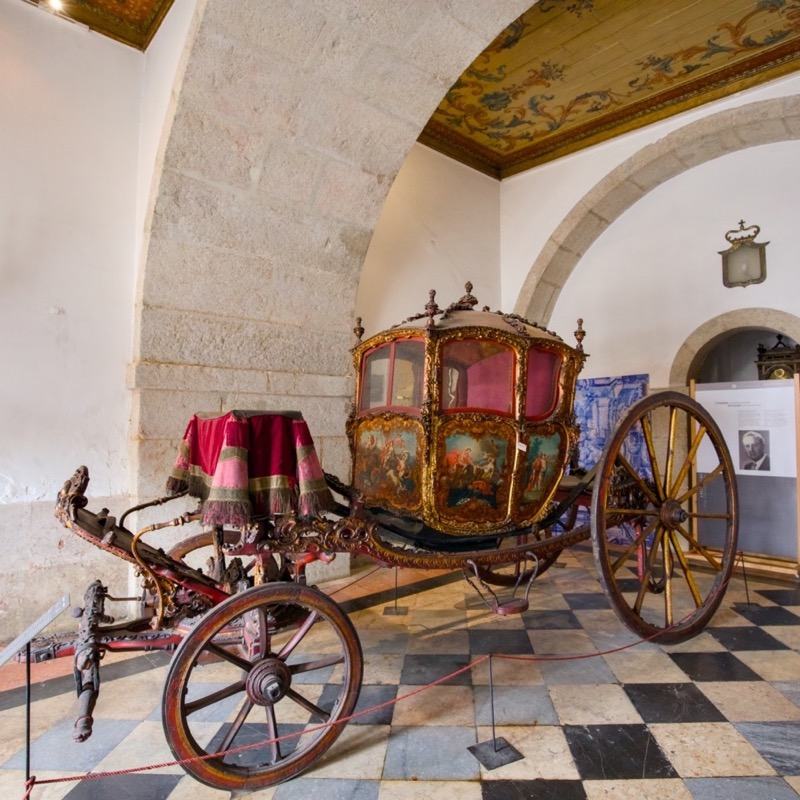
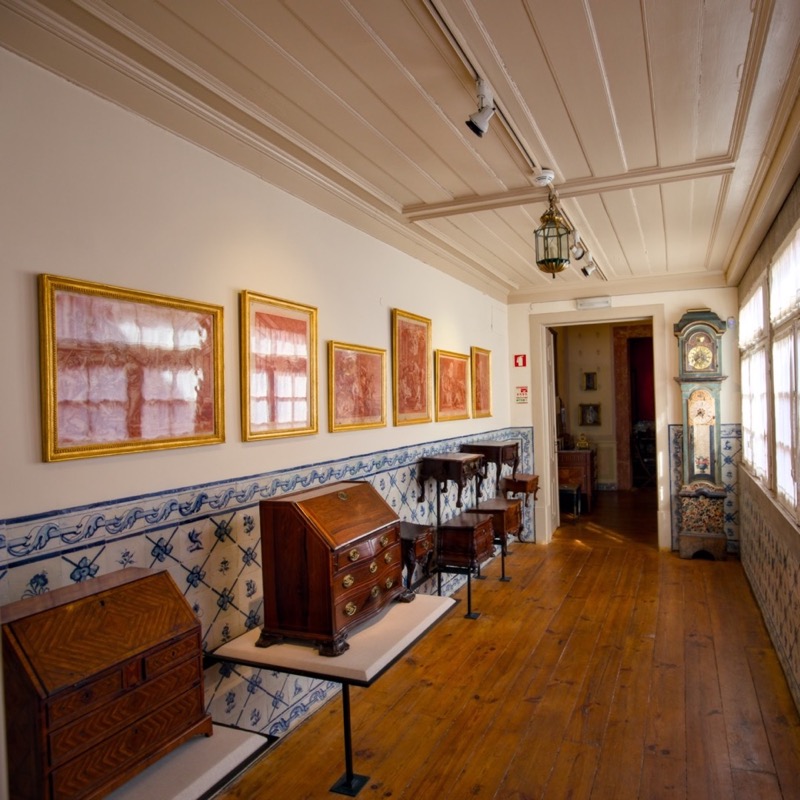
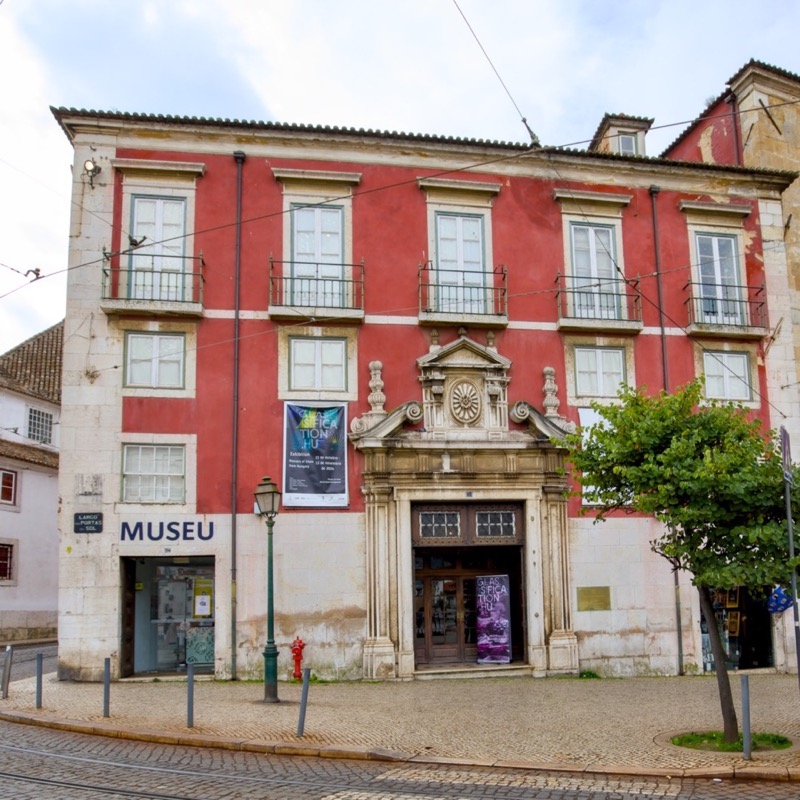
The Ricardo do Espírito Santo Silva Foundation occupies the Azurara Palace, in Largo das Portas do Sol, Lisbon. Created in 1953 by the banker and collector Ricardo do Espírito Santo Silva, it began as a Museum-School of Decorative Arts, based on the donation of the palace and a collection assembled by its founder. The building, classified as a Property of Public Interest, is a palace with a 17th-century character and was once home to noble families, having belonged to the Viscount of Azurara in the late 18th century. Inside, the Museum of Portuguese Decorative Arts guides visitors through decorative arts from the 15th to the 18th century, with sections devoted to furniture, textiles, silverware, Chinese porcelain, Portuguese faience, tiles, painting, sculpture and bookbinding. The foundation also maintains arts and crafts workshops, training, and conservation and restoration, preserving traditional techniques through transmission between masters, trainers and apprentices.

Why it matters

The Ricardo do Espírito Santo Silva Foundation (FRESS), located in Lisbon, was founded in 1953 by banker and collector Ricardo do Espírito Santo Silva with the aim of preserving and promoting Portuguese decorative arts. The foundation was established during a period when the appreciation for cultural heritage was gaining momentum in Portugal, especially after World War II. Its initial goal was to protect the historical and artistic richness of traditional Portuguese arts, including furniture, tapestry, and goldsmithing, and to keep alive the excellence of manual arts and crafts, which were gradually disappearing with industrialisation. Since its inception, FRESS has played a fundamental role in restoring historical furniture and objects, including participation in significant conservation projects nationally and internationally. The foundation is also known for its House-Museum, an old 17th-century palace where visitors can appreciate a unique collection of Portuguese decorative arts from the 15th to the 19th centuries. Furthermore, the site houses several workshops for traditional arts and crafts, where century-old techniques are practised and taught to new generations.

Architecture and history

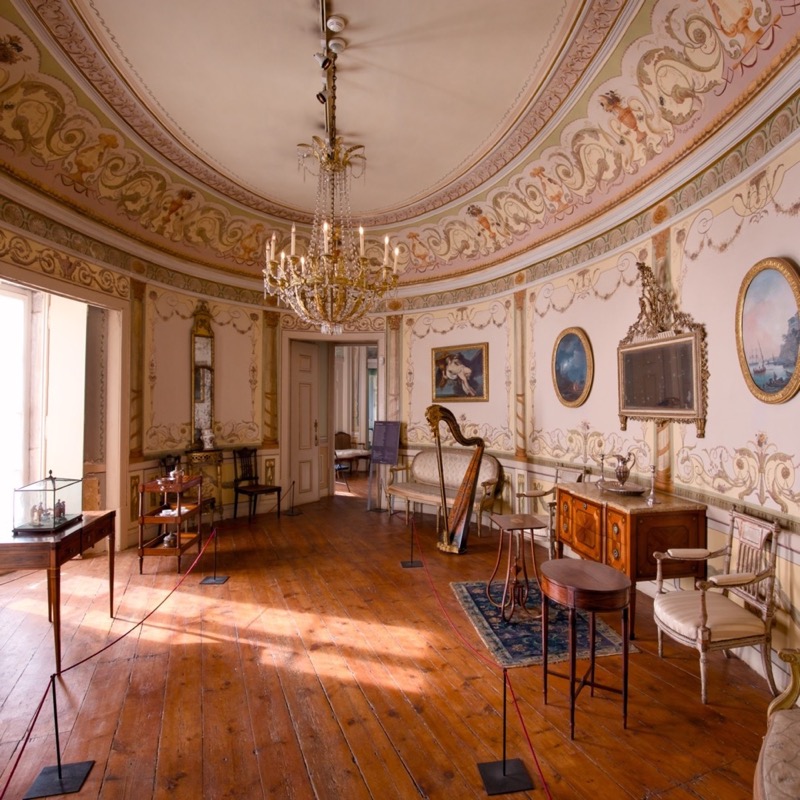
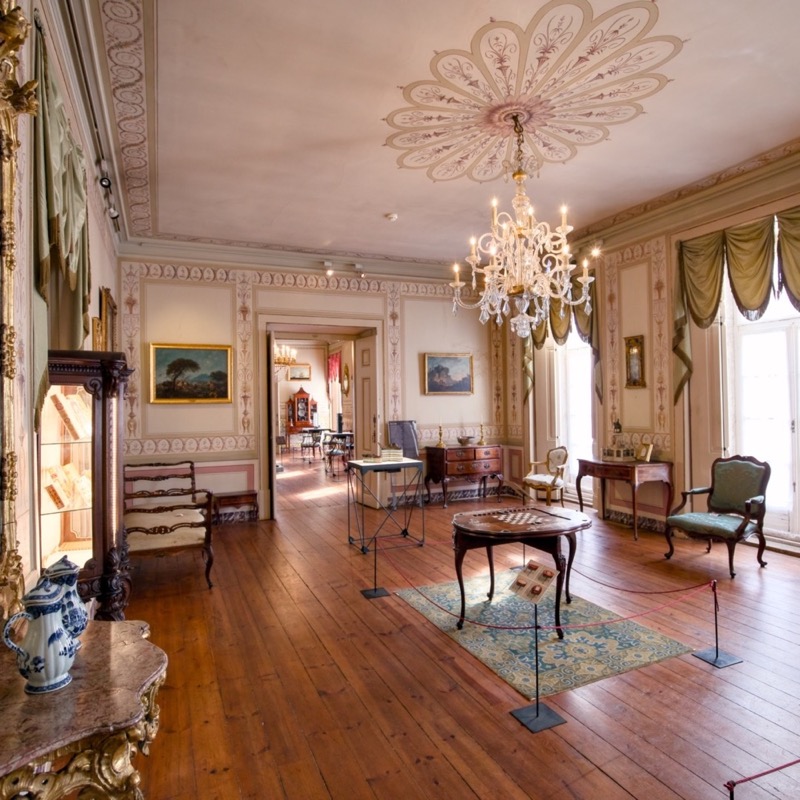
The FRESS House-Museum is housed in the Azurara Palace, a 17th-century building located in the Alfama neighbourhood, and is an impressive example of Portuguese palatial architecture. The palace’s facade is sober and elegant, with a classical style and harmonious proportions. Inside, the space is rich in decorative details, featuring carved wooden ceilings, antique tiles, luxurious tapestries, and exquisite furniture pieces. Each room reflects the splendour of Portuguese decorative arts, with details showcasing the craftsmanship of masters from that period. The palace features an internal courtyard, typical of aristocratic residences of the time, which provides natural lighting and connects different areas. Inside, marble and exotic wood are prominently used, particularly in high-value artistic furniture. Each part of the palace has been carefully preserved to offer visitors a full immersion into Portuguese decorative art culture of past centuries.

More context

For visitors, the FRESS House-Museum is a highlight, offering a journey through the history of Portuguese decorative art. The exhibition rooms are unmissable, especially the noble hall, adorned with tapestries and 18th-century furniture. The tile collection is another key point of interest, with pieces ranging from the 16th to the 19th century, illustrating the evolution of this art form, so characteristic of Portugal. In addition to the museum, the restoration workshops provide a unique experience. The foundation has several workshops that keep alive traditional techniques of woodworking, bookbinding, goldsmithing, and decorative painting. These workshops are not just workspaces but also centres of learning, where visitors can observe artisans at work, preserving Portugal’s artistic traditions. For those interested in taking home an authentic souvenir, the foundation’s shop sells exclusive pieces produced in the workshops, representing the best of Portuguese craftsmanship.

Gallery

Fundação Ricardo do Espírito Santo Silva 1
Fundação Ricardo do Espírito Santo Silva 2
Fundação Ricardo do Espírito Santo Silva 3
Fundação Ricardo do Espírito Santo Silva 4
Fundação Ricardo do Espírito Santo Silva 5

Nearby places

View all