Miradouro de Santa Luzia

Lisboa · Lisboa

Miradouro de Santa Luzia

ViewpointXVIIIPublic Space
Rua de São Pedro de Alcântara 3, 1250-237 Lisboa4.7 Rating · 41,50720 min

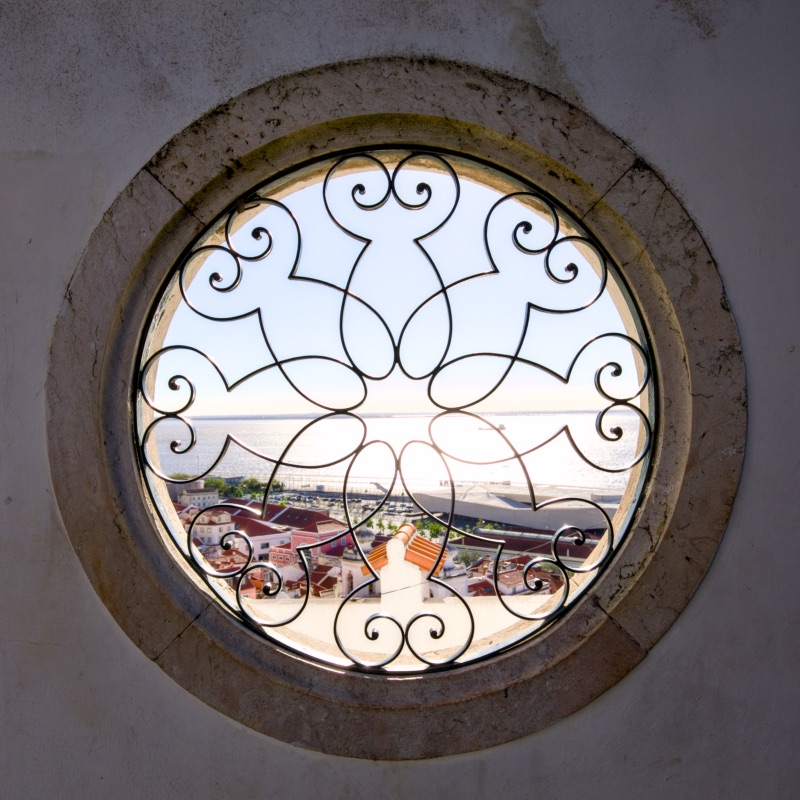
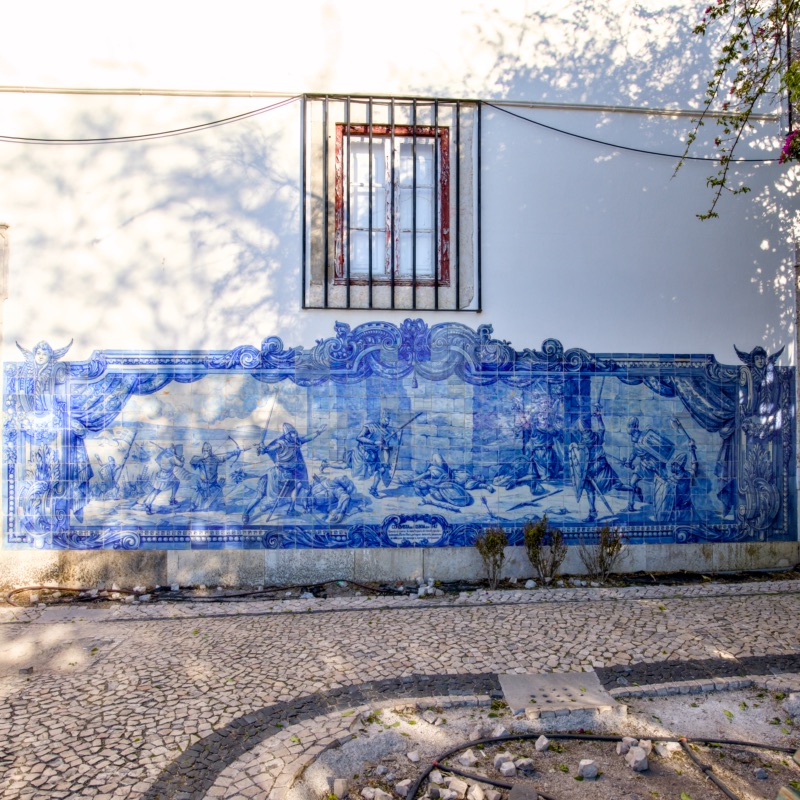
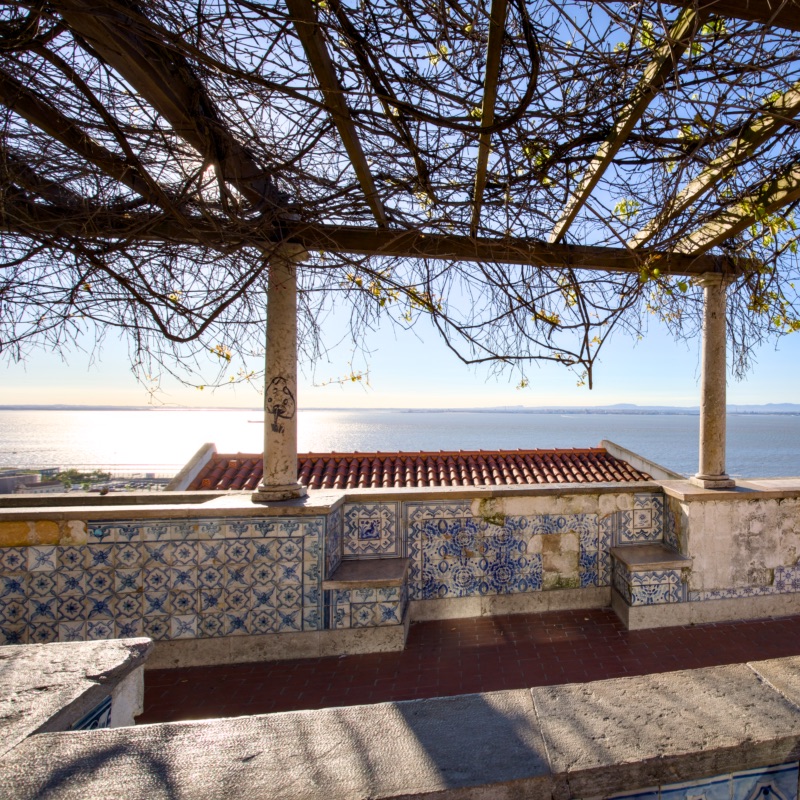
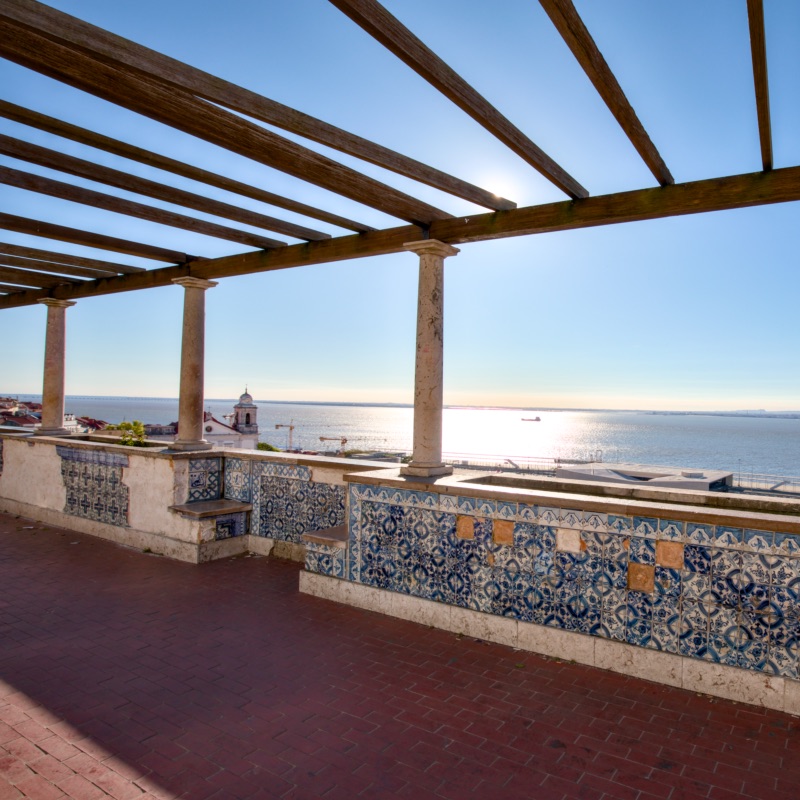
The Santa Luzia Viewpoint, in Lisbon, opens beside the Church of Santa Luzia and São Brás, over the neighbourhood of Alfama and the Tagus. Integrated into the Júlio de Castilho Garden, it combines the role of an urban balcony with a strong decorative presence. The façade and walls are covered with historic tiles, many produced by the Viúva Lamego Factory. On the southern wall, two panels by António Quaresma preserve episodes from Lisbon’s memory: Praça do Comércio before the 1755 earthquake and Christians attacking São Jorge Castle. Another figurative panel, made up of 20 by 80 tiles, occupies the lower level of the garden. Between the view over neighbourhood and river, and the narrative painted in tiles, the viewpoint turns Alfama into a landscape read in depth.

Why it matters

Located in Largo de Santa Luzia, in Alfama, the Santa Luzia Viewpoint occupies a central position in the historical reading of Lisbon’s eastern hillside. The site is directly connected with the Church of São Brás and Santa Luzia, whose origins seem to date back to the twelfth century, built over the Cerca Moura and historically linked to the Knights of the Order of Malta. Rebuilt after the 1755 earthquake, the church reflects the religious and urban continuity of this area between the Castle, Alfama and the riverfront. The viewpoint itself belongs to the sequence of public terraces that, on the upper edge of the district, turn medieval topography into a place from which to observe the city. The historical dimension of the ensemble expanded in the twentieth century with the creation of Jardim Júlio de Castilho, inaugurated on 25 July 1929 and dedicated to the Olisipographer who studied Lisbon so closely. More than a simple panoramic point, Santa Luzia brings together defensive memory, devotion, urban planning and the representation of the old city. It is a place where Lisbon’s history becomes especially readable, both through its position and through the heritage elements that surround it.

Architecture and history

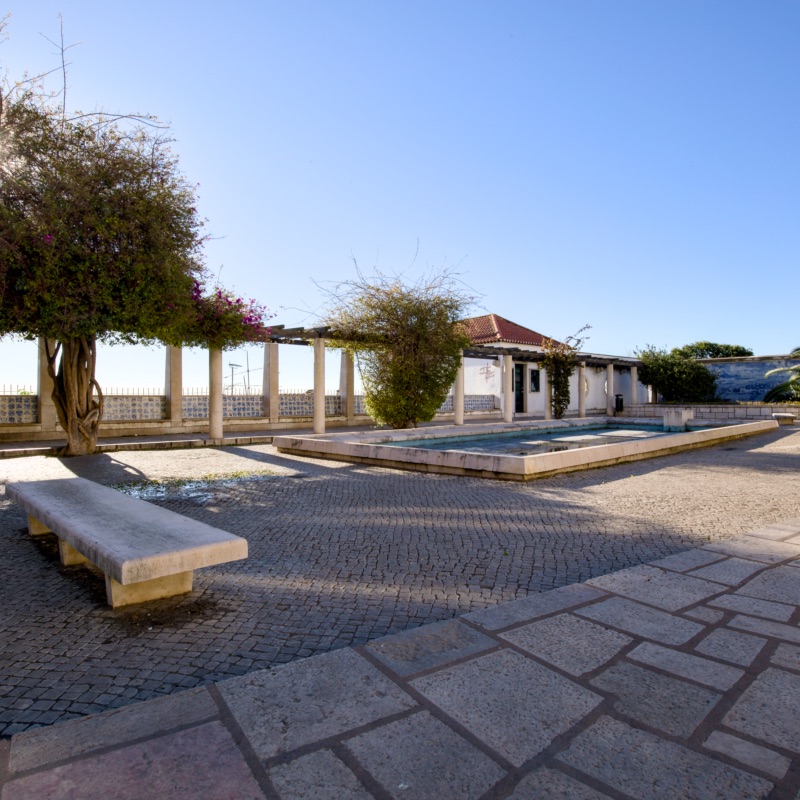
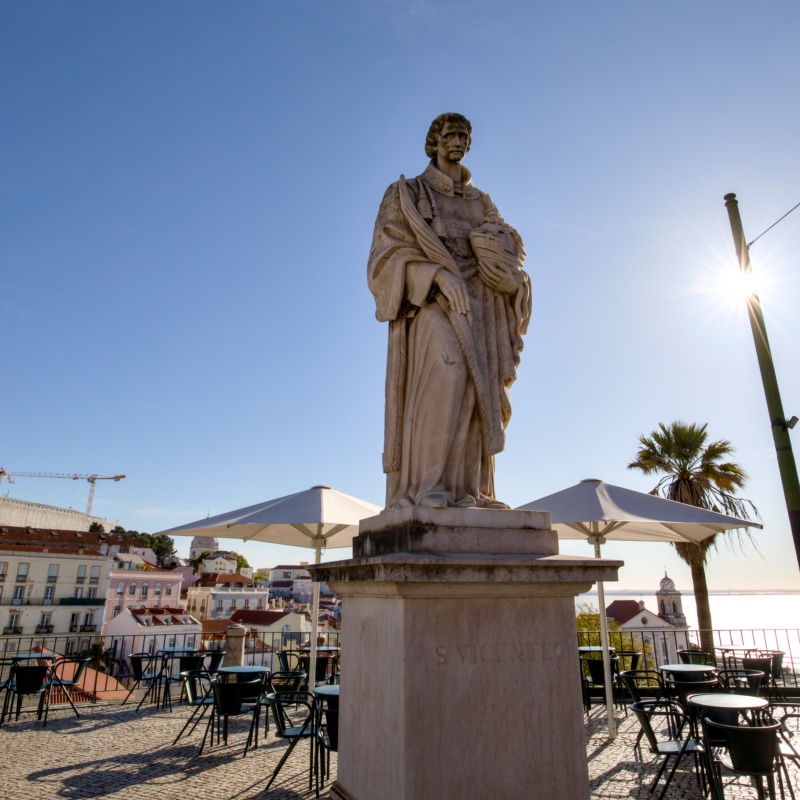
Architecturally, the viewpoint is distinguished by its combination of urban balcony, historic garden and monumental setting. The upper terrace opens over Alfama and the Tagus and is recognisable for its pergola, garden, reflecting pool and tile decoration, all of which give it a very distinctive identity. Its relationship with the church’s side facade is essential: on that wall are the two best-known tile panels of the ensemble, depicting the conquest of Lisbon and Terreiro do Paço before the 1755 earthquake. These panels were designed by António Quaresma and produced by the Viúva Lamego factory. The reading of the site continues into Jardim Júlio de Castilho, laid out in a former cloister of the church, and into the lower terrace, where there is a large figurative tile panel showing Lisbon seen from the river. The ensemble also includes commemorative elements such as the bust of Júlio de Castilho and a sculpture of Saint Vincent. At Santa Luzia, architectural strength does not depend on a single building, but on the composition of church, tilework, garden, pergolas and landscape.

More context

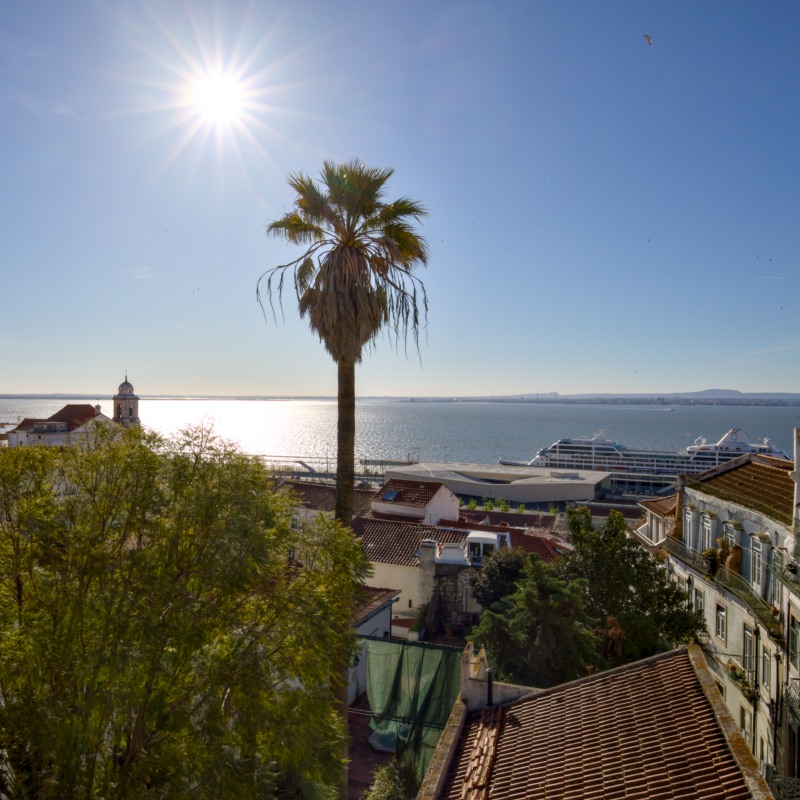
A visit should begin on the main terrace, where the view makes it possible to identify some of the most important landmarks on Lisbon’s eastern front. From here, visitors can pick out the dome of Santa Engrácia, the facade of the Church of Santo Estêvão, the towers of the Church of São Miguel, the stepped rooftops of Alfama and the Tagus in the background. It is then worth looking carefully at the tile panels above the viewpoint, because they add a historical reading to the real landscape. The route should continue through Jardim Júlio de Castilho, a more sheltered space where the former cloister, the panoramic tile panel on the lower level and the sculptural elements show that Santa Luzia is not only a viewpoint, but a small heritage ensemble. It is also worth entering the Church of São Brás and Santa Luzia or at least observing how it stands over the old wall. Just a few steps away, the Miradouro das Portas do Sol extends the visual experience and helps explain the continuity between these balconies over Alfama. Taken together, the visit offers landscape, medieval memory, tilework and urban reading within a relatively compact space.

Routes

Explore this place in a cultural route

View all Routes

Gallery

Miradouro de Santa Luzia 1
Miradouro de Santa Luzia 2
Miradouro de Santa Luzia 3
Miradouro de Santa Luzia 4
Miradouro de Santa Luzia 5

Nearby places

View all