Miradouro de São Vicente

Lisboa · Lisboa

Miradouro de São Vicente

ViewpointXXPublic Space
Largo das Portas do Sol, Beco de Santa Helena, 1100-411 Lisboa4.6 Rating · 5315 min

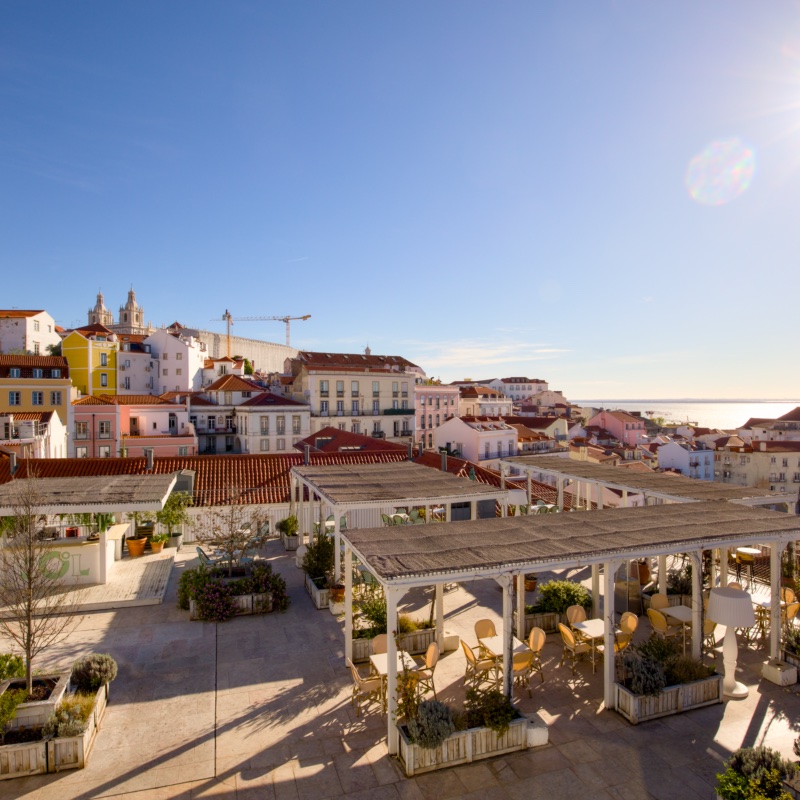
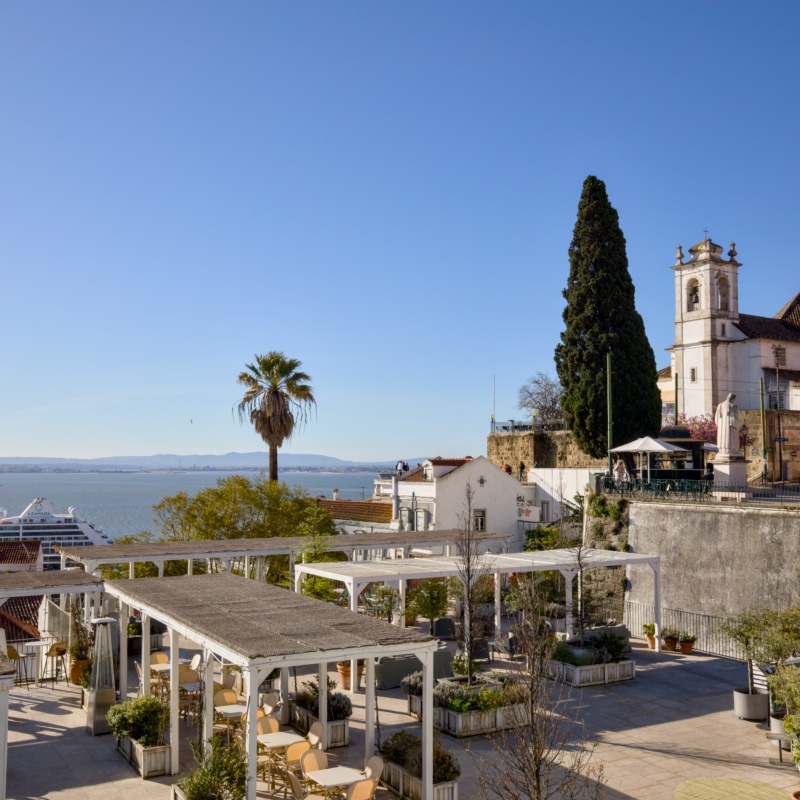
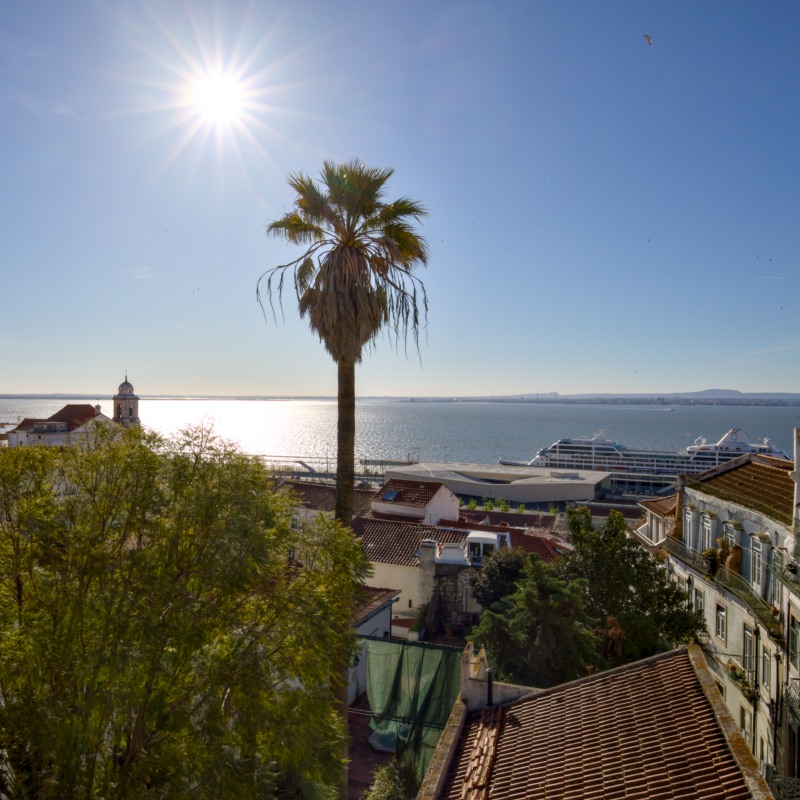
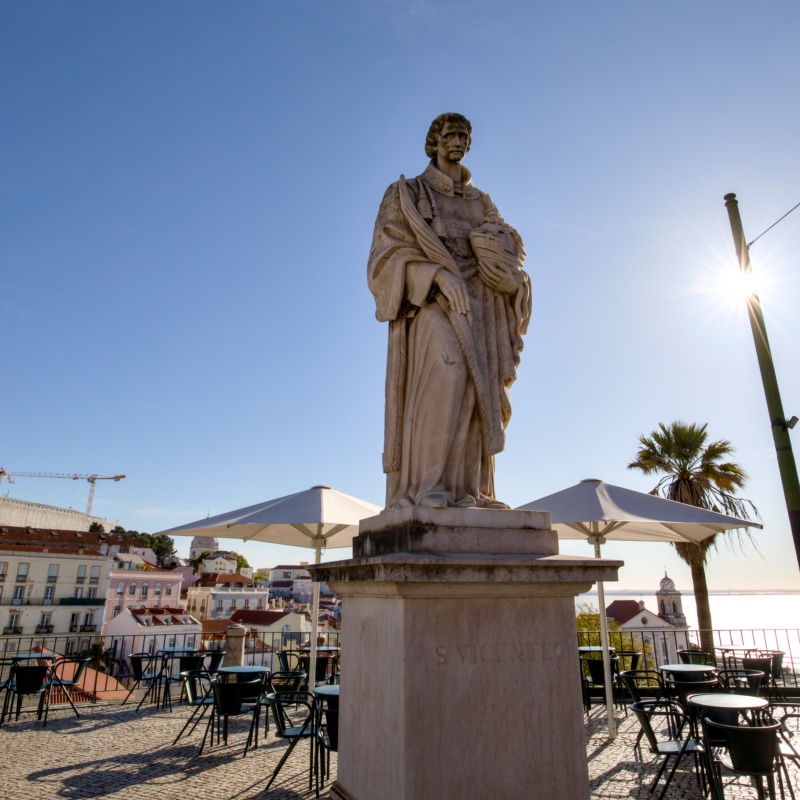
The São Vicente Viewpoint, beside Largo das Portas do Sol, in Lisbon, belongs to the group of balconies that open Alfama towards the Tagus. The place is connected to the old city entrance that gave its name to the Portas do Sol square and viewpoint, a gate facing east. From here, the eye crosses the rooftops and churches of Alfama and identifies the National Pantheon, Azurara Palace, traces of the Moorish Wall and the Church of São Vicente de Fora. The presence of São Vicente is marked by the statue placed and inaugurated in October 1970, a work associated with Raul Xavier. Lisbon’s patron saint appears with the boat and two ravens, symbols linked to the tradition of the translation of his relics to the city. Between old city, river and civic devotion, this viewpoint shows how the landscape preserves names that cross the centuries.

Why it matters

The São Vicente Viewpoint, beside Largo das Portas do Sol, belongs to the sequence of public terraces on Castle Hill that frame Alfama and the Tagus waterfront. Its historical relevance comes above all from the place where it stands. Portas do Sol preserves the memory of an old city gate; very close by, the Church of São Brás and Santa Luzia is built over the Cerca Moura and has historical links to the Order of Malta. A few metres away, Alfama still preserves the network of narrow lanes, alleys and steep slopes that make it one of Lisbon’s oldest and most traditional districts. The symbolic setting is equally important: Saint Vincent is the city’s patron saint, and the tradition of the boat accompanied by two ravens remains in Lisbon’s coat of arms. Read as a whole, this small viewpoint is not just an observation point, but a place where topography, the defensive memory of medieval Lisbon and the civic identity of Saint Vincent meet. It is therefore an excellent place from which to understand the relationship between upper Alfama, Castle Hill and the open landscape over the river.

Architecture and history

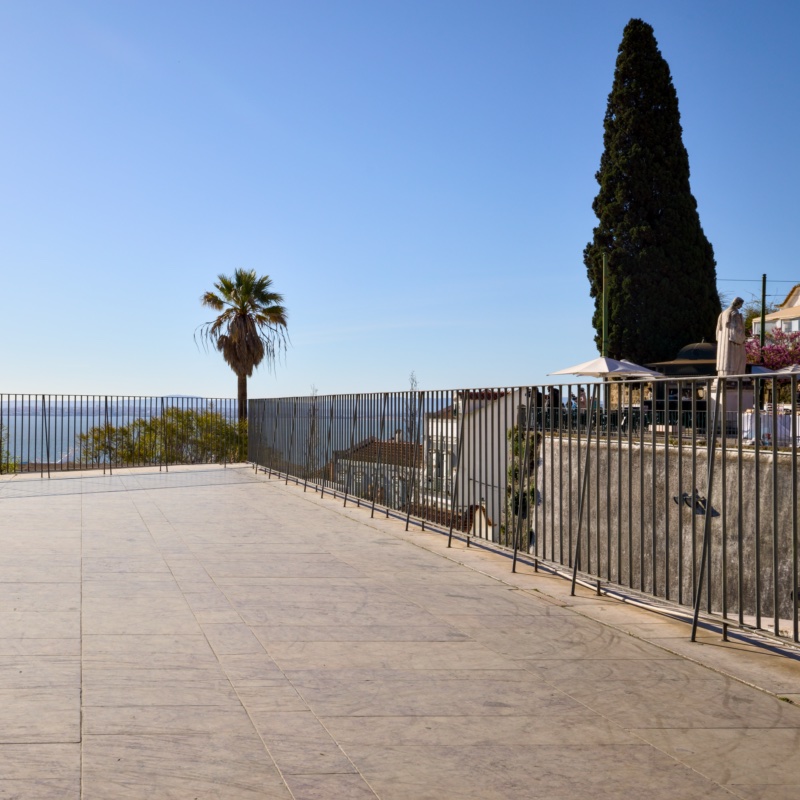
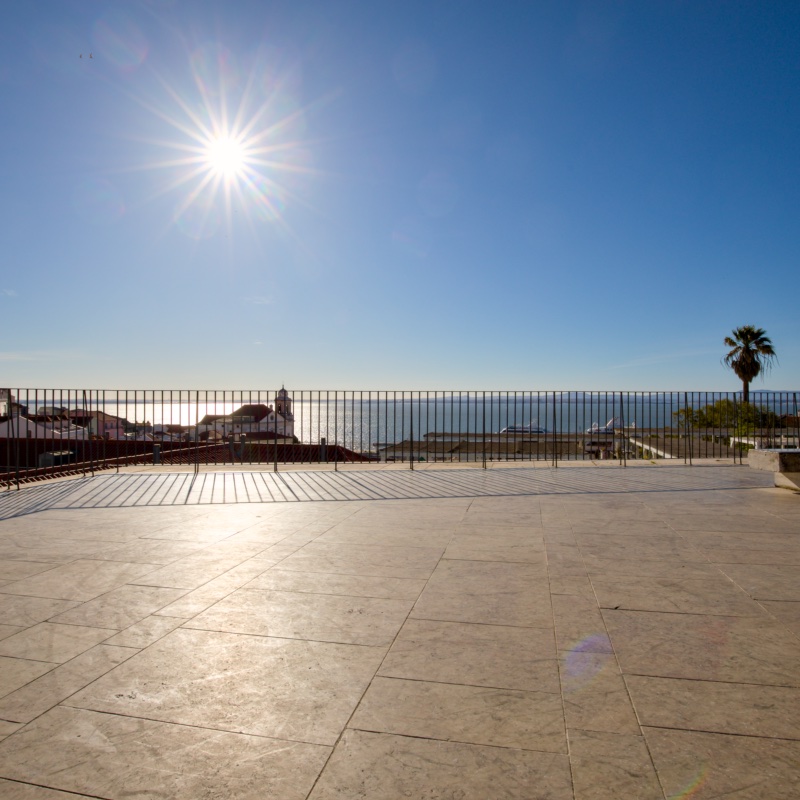
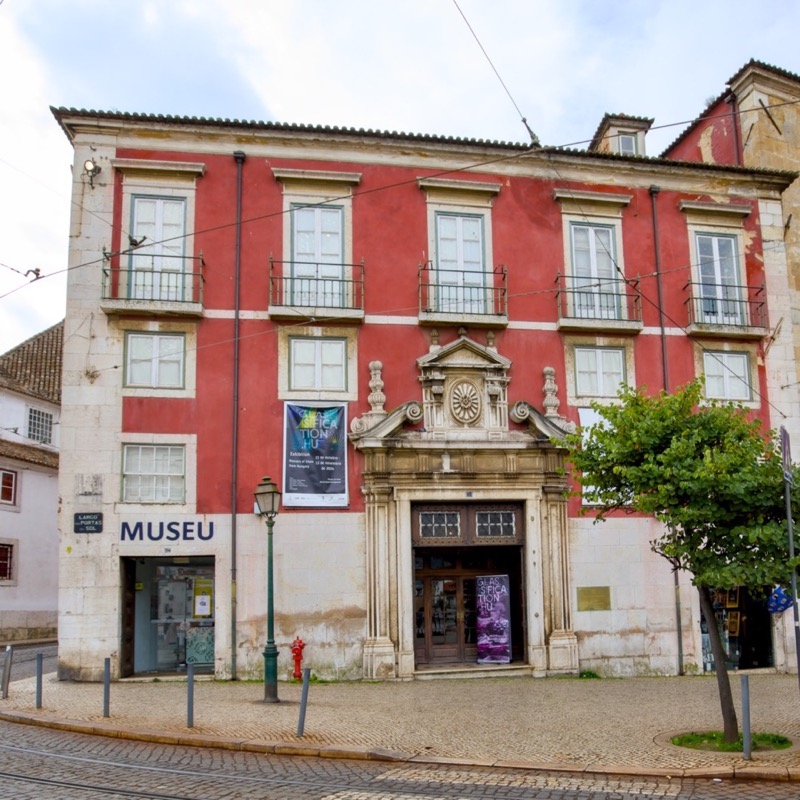
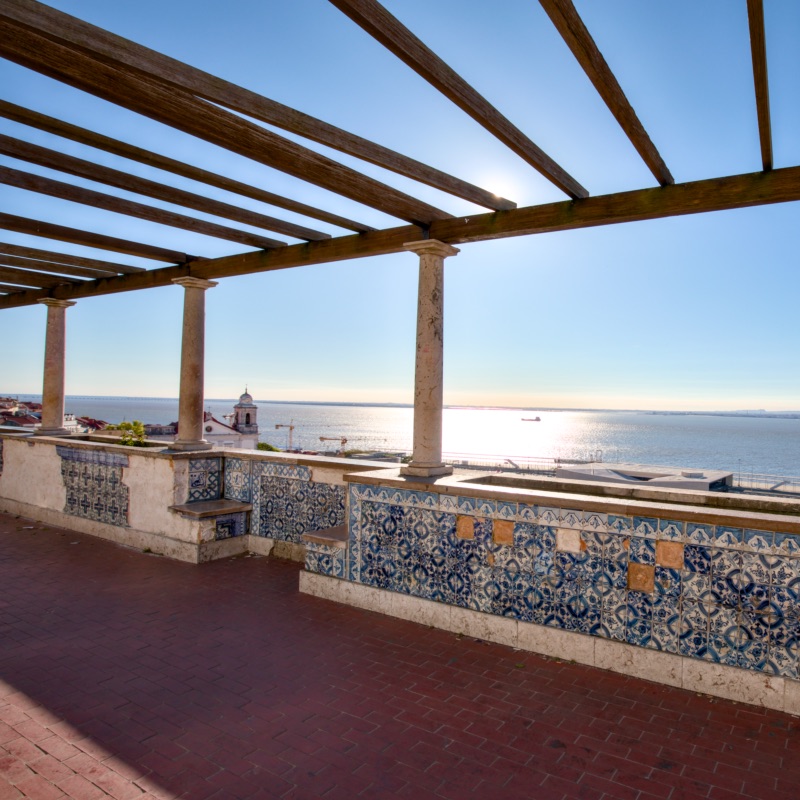
From an architectural point of view, the viewpoint stands out for the simplicity of its form and the strength of its setting. It is an open terrace connected to the public space of Largo das Portas do Sol, working as a balcony over Alfama’s compact rooftops. Its distinctiveness lies in the depth of the hillside view: stairways, narrow facades, successive roofs and irregular streets descend towards the Tagus, while the skyline is organised by the mass of the Monastery of São Vicente de Fora and the dome of the National Pantheon. Around it, the architecture reinforces the heritage character of the place. Palácio Azurara, a seventeenth-century building classified as a Property of Public Interest, houses the Museum of Portuguese Decorative Arts. The Church of São Brás and Santa Luzia adds figurative tilework, including the panels of the Conquest of Lisbon and Terreiro do Paço. More than an isolated viewpoint, this place should be understood as part of an urban ensemble in which wall, palace, church, tilework and panorama compose one of the most recognisable images of historic Lisbon.

More context

The visit should begin on the terrace itself, allowing time to identify the main visual landmarks. Ahead stand São Vicente de Fora and the dome of Santa Engrácia; below, the fabric of Alfama shows how the slope shaped the district. Afterwards, it is worth continuing on foot to the Miradouro das Portas do Sol, which extends the same panoramic reading, and to the Miradouro de Santa Luzia, recognisable for its garden, decorative tile panels and more intimate framing over the rooftops. The Church of São Brás and Santa Luzia deserves special attention, not only because it stands on the old wall, but also because of the exterior panels depicting the conquest of Lisbon and Terreiro do Paço before the 1755 earthquake. On the opposite side of the square, Palácio Azurara and the Museum of Portuguese Decorative Arts add a museum dimension to the route. Seen as a whole, the viewpoint works less as an isolated stop and more as an entrance to a dense heritage area, where the urban landscape is connected with the history of Alfama and with some of Lisbon’s most enduring symbols.

Gallery

Miradouro de São Vicente 1
Miradouro de São Vicente 2
Miradouro de São Vicente 3
Miradouro de São Vicente 4
Miradouro de São Vicente 5

Nearby places

View all