Igreja da Graça

Lisboa · Lisboa

Igreja da Graça

ChurchXIIIReligious Architecture
Largo da Graça 94, 1170-165 Lisboa4.6 Rating · 79650 min

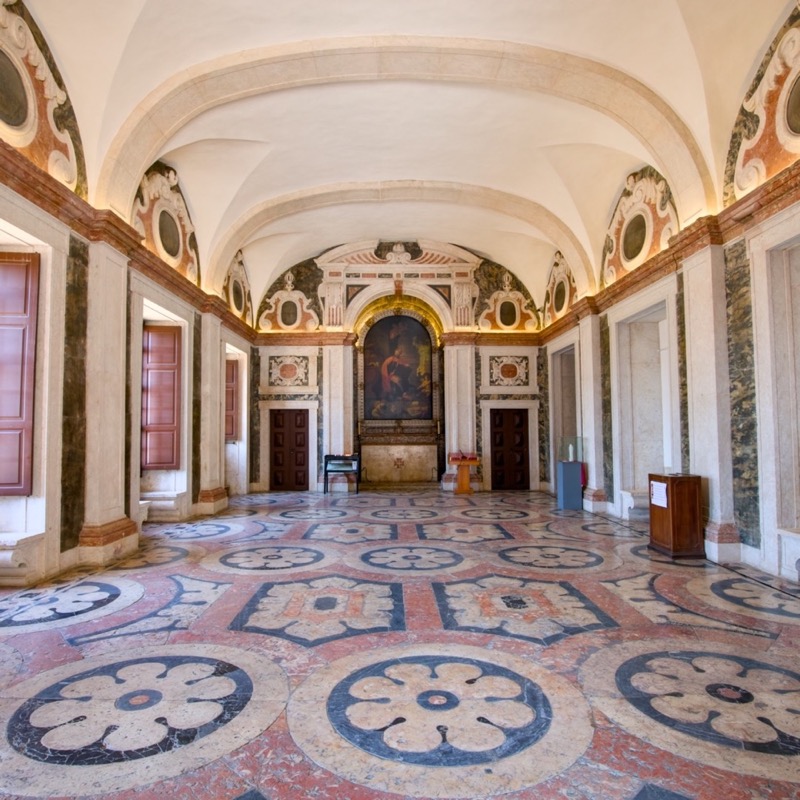
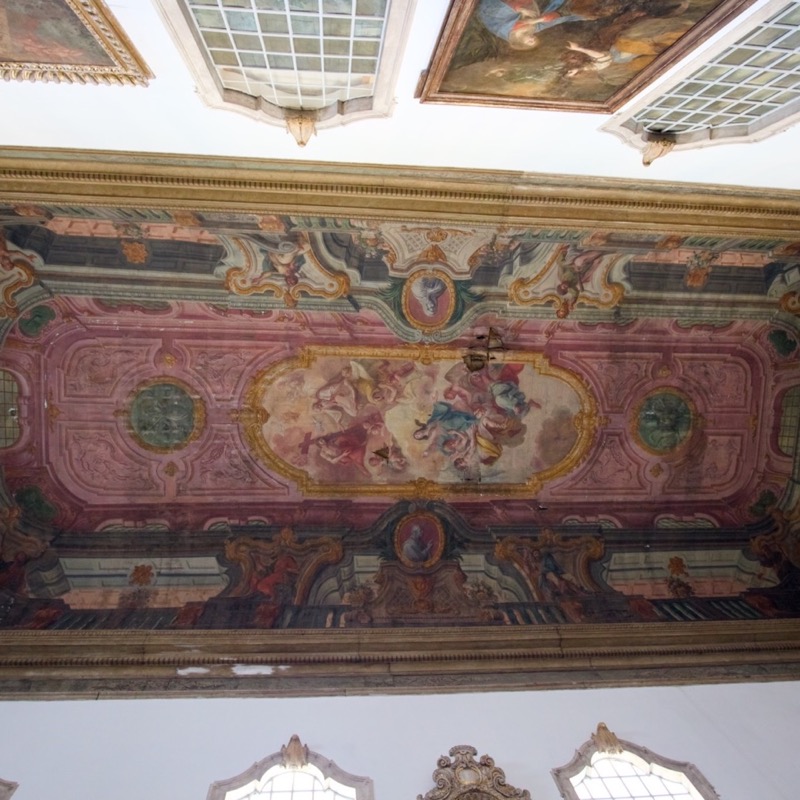
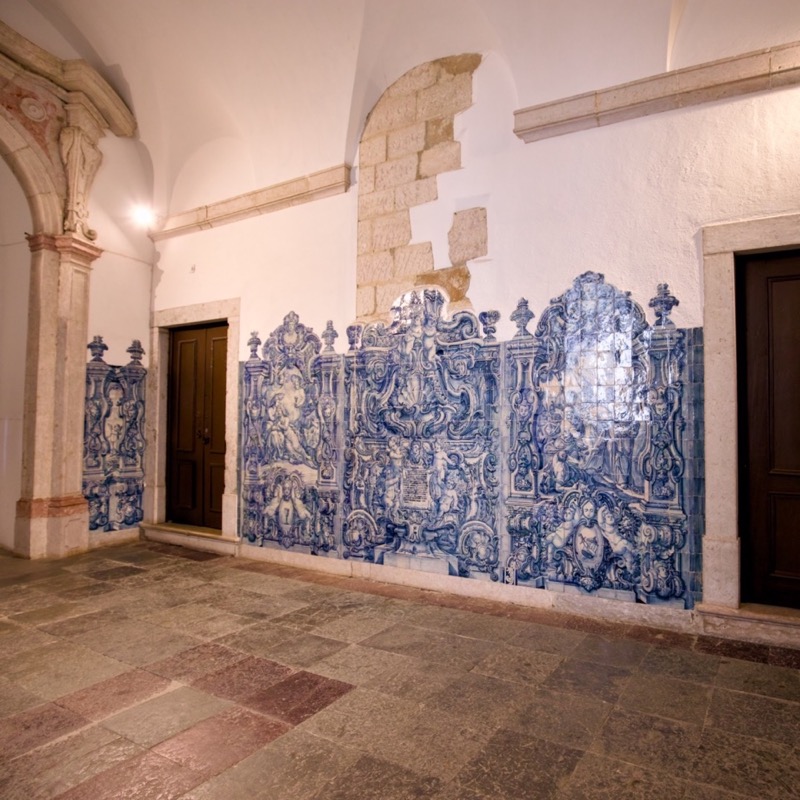
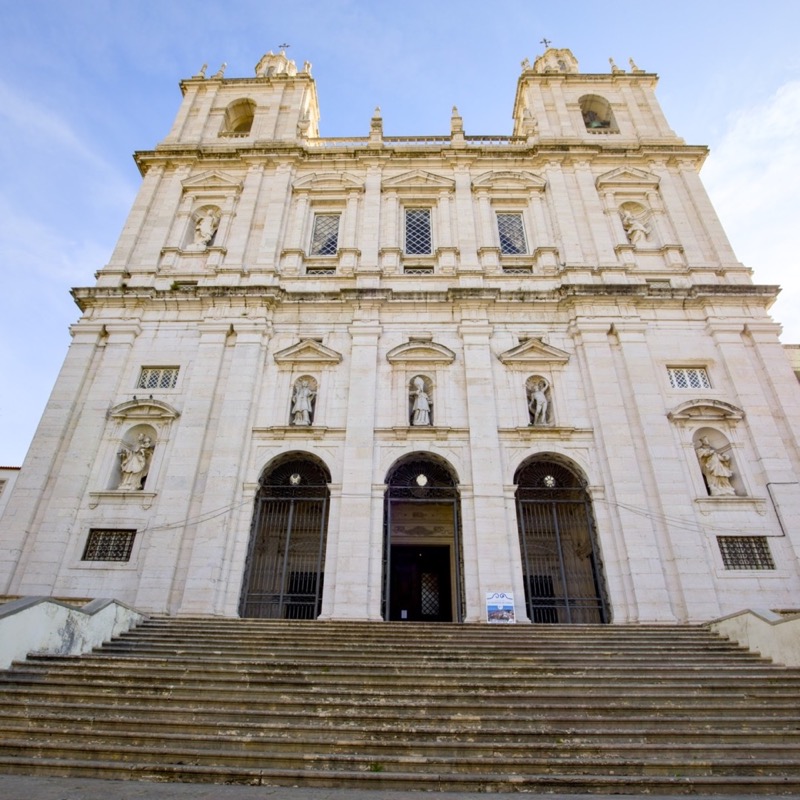
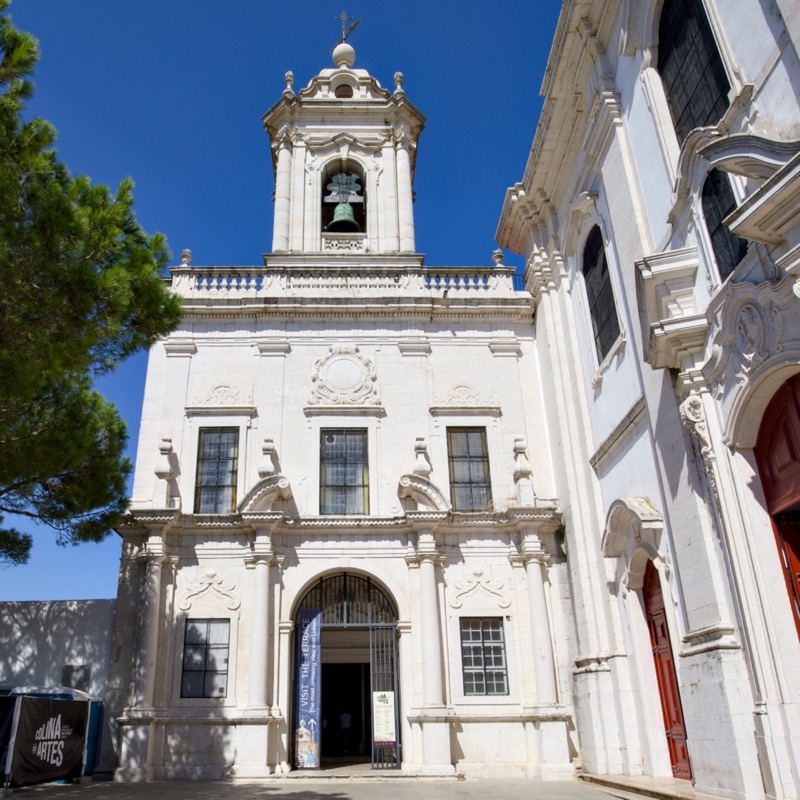
High on Graça hill, in Lisbon, the Church of Graça and the former Convent of Nossa Senhora da Graça preserve a history that spans more than seven centuries. Construction of the convent began in 1271, for the shod hermit friars of Saint Augustine, under the patronage of King Afonso III. The complex was rebuilt in the 16th century and suffered severe ruin in the 1755 earthquake, before being reconstructed with the late-Baroque character that marks the church today. The double façade brings together the church and the former convent entrance, above which rises the bell tower, dated 1738. Inside, the Rococo gilded-wood altars, tiles from several centuries and 18th-century sculptures stand out. The sacristy preserves Baroque decoration, the tomb of D. Mendo de Fóios and the allegorical ceiling by Pedro Alexandrino de Carvalho. The complex is classified as a National Monument.

Why it matters

The Church of Graça, also known as the Monastery of Nossa Senhora da Graça, is one of the oldest and most emblematic monuments in Lisbon. Its history dates back to the 13th century when it was founded by the monks of the Augustinian Order during the reign of King Afonso III. Initially, it was a Gothic monastery, but it underwent several transformations over the centuries, especially after the 1755 earthquake, which devastated much of the city. This earthquake was a turning point in the church’s history. The destruction was so significant that it had to be rebuilt, and the Baroque alterations introduced during reconstruction greatly changed its original style. However, the Church of Graça remained an important place of worship and pilgrimage, particularly revered for the image of Nossa Senhora da Graça, the patroness of Portuguese sailors and explorers who sought her protection before venturing into the unknown seas during the Age of Discovery.

Architecture and history

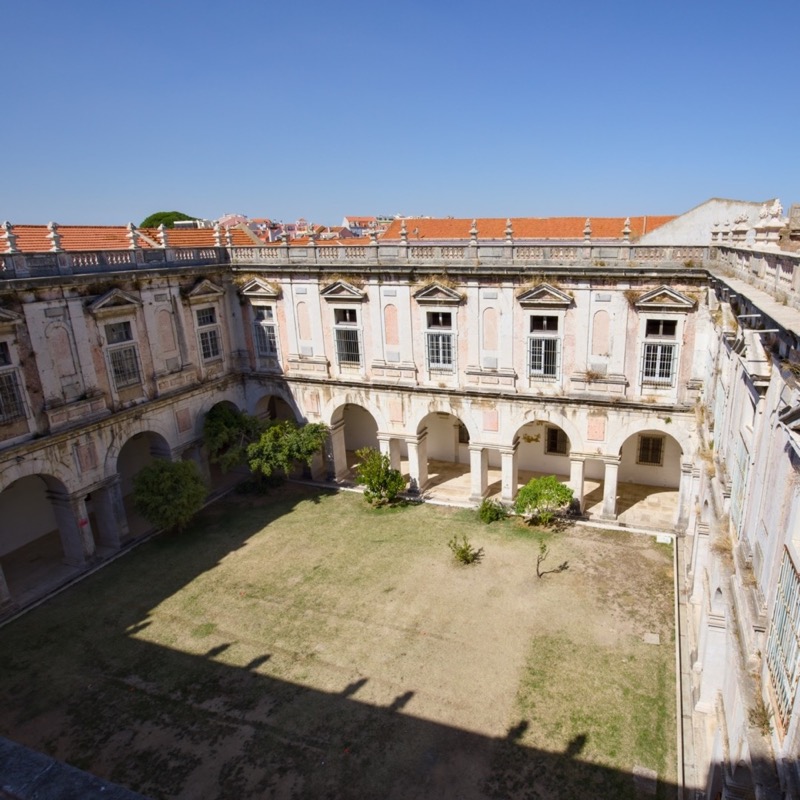
The architecture of the Church of Graça is a testament to the many eras it has witnessed. The main facade, in Baroque style, is simple yet imposing, featuring the local lioz stone typical of Lisbon. The Tuscan columns and triangular pediment give it a sober appearance that contrasts with the more ornate interior. Inside, the church is a magnificent example of Baroque sacred architecture and art. The 18th-century tiles that cover the walls stand out, depicting biblical scenes and figures of saints. The richly ornamented main altar, with its golden carvings, is another highlight, reflecting the artistic wealth of the period. The barrel vault that spans the central nave and the beautiful stained-glass windows that filter the light give the space a peaceful and reverent atmosphere. Another notable feature is the cloister of the former monastery, which, despite suffering damage from the 1755 earthquake, still retains some traces of its original construction, especially in the Gothic columns that survived the destruction.

More context

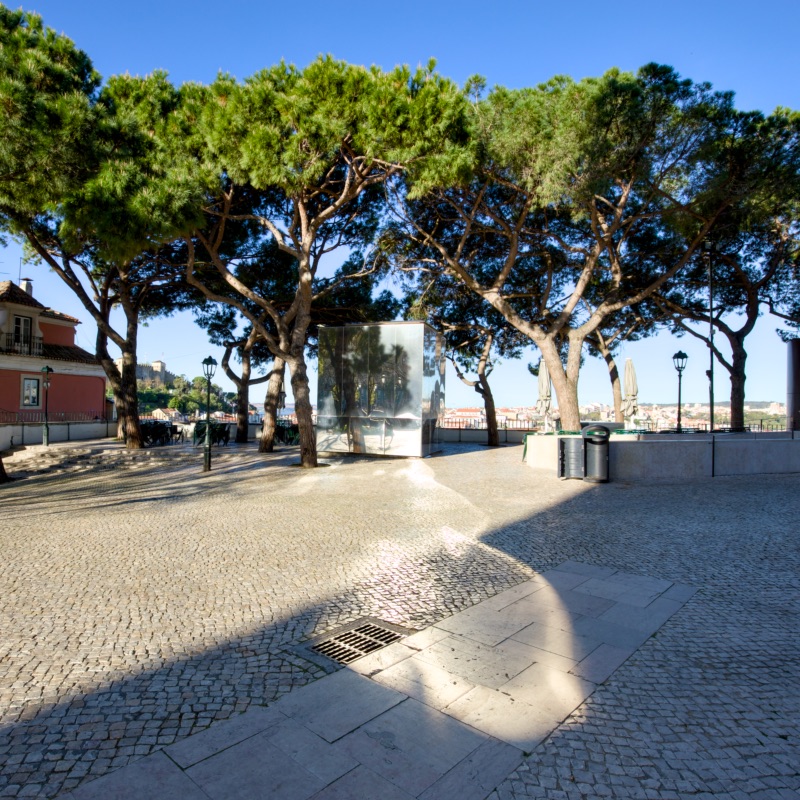
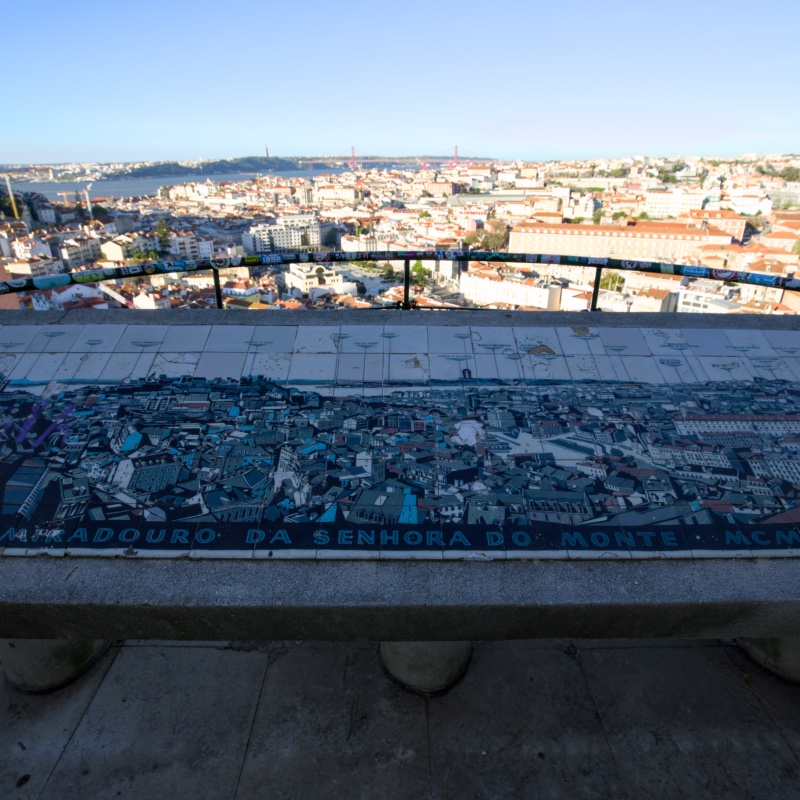
A visit to the Church of Graça is not complete without stopping at the adjacent viewpoint, the Miradouro da Graça. From here, you can enjoy a panoramic view of Lisbon, with São Jorge Castle dominating the skyline and the Tagus River in the background. It is one of the city's most popular spots for taking photos and relaxing, especially at sunset. Inside the church, it’s essential to admire the altar dedicated to Nossa Senhora da Graça, whose image is a local devotional icon. For history and architecture lovers, the tiles that adorn the side walls are masterpieces of Portuguese tilework, depicting biblical stories in blue and white. The church also houses the tombs of several illustrious figures in Portuguese history, such as Afonso de Albuquerque, one of the most famous navigators and conquerors of India. The serene atmosphere makes it a perfect place for moments of reflection and contemplation.

Routes

Explore this place in a cultural route

View all Routes

Gallery

Igreja da Graça 1
Igreja da Graça 2
Igreja da Graça 3
Igreja da Graça 4
Igreja da Graça 5

Nearby places

View all