Lisboa · Lisboa
Igreja de São Vicente de Fora
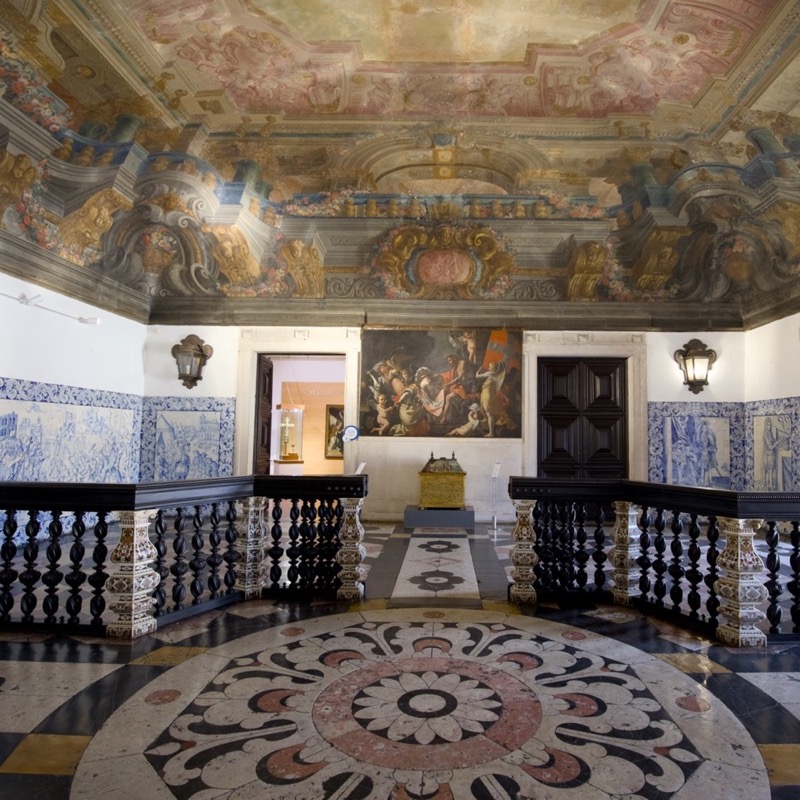
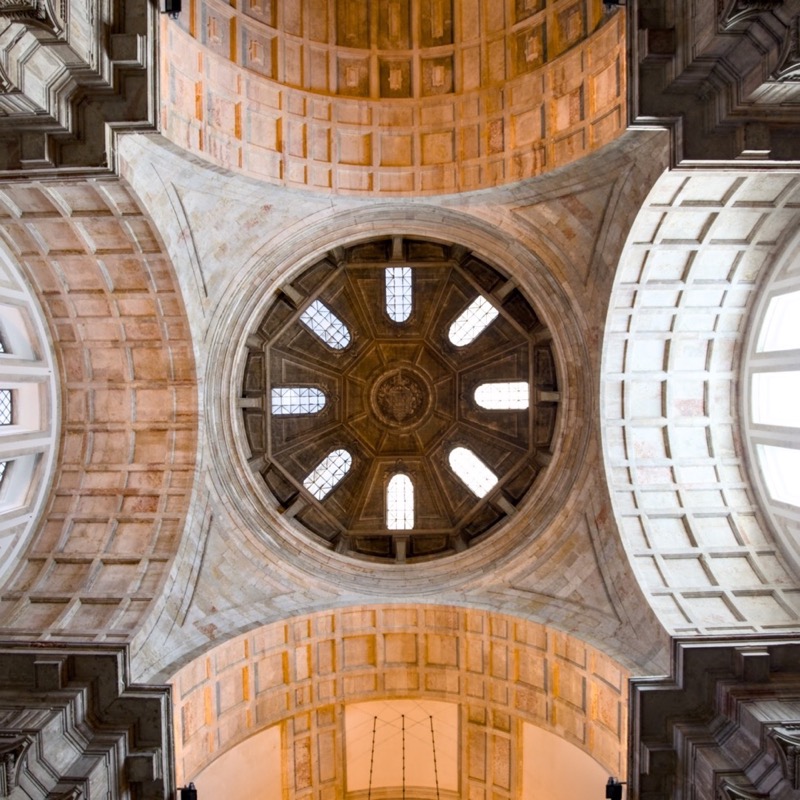
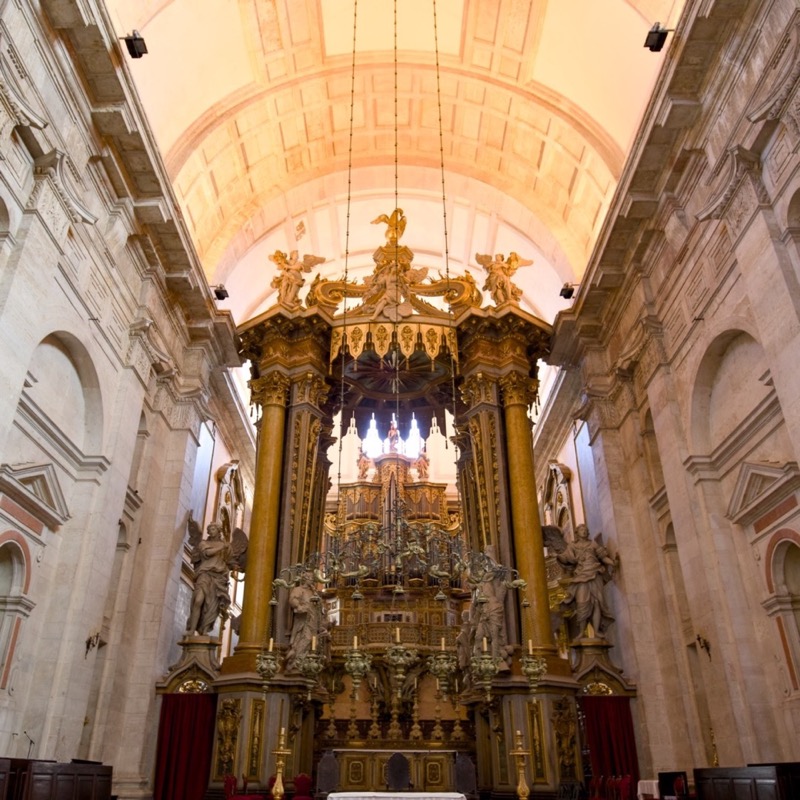
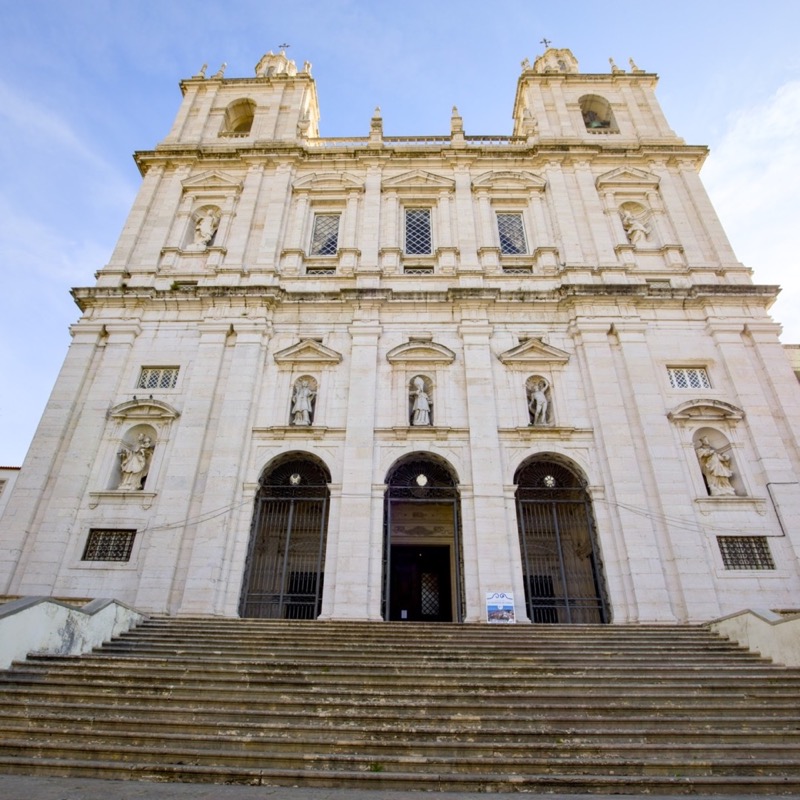
In Largo de São Vicente, in Lisbon, the Church of São Vicente de Fora stands as one of the great architectural statements of the Philippine period. The origin of the complex dates back to 1147, when King Afonso Henriques ordered the foundation, outside the city walls, of a monastery dedicated to Saint Vincent, after the conquest of the city. The reconstruction of the church and monastery advanced at the beginning of the reign of Philip I, with work associated with Juan de Herrera, Filipe Terzi and Baltazar Álvares. The sober façade, with two towers integrated into the frontispiece, announces an interior with a single nave, transept and deep chancel, covered by a barrel vault with coffers. The crossing lost its dome in the 1755 earthquake. In the 17th and 18th centuries, the complex received inlaid marbles and tile panels. Classified as a National Monument since 1910, the church preserves a severe and monumental presence on the hill of São Vicente.
Why it matters
The Church and Convent of São Vicente de Fora, located in Lisbon, is one of the city's most important monuments, both for its historical significance and its imposing architectural presence. Its construction began in 1582, under the orders of King Philip II of Spain, who was also Philip I of Portugal. It was completed in 1629, after several interruptions and modifications over time. This religious complex was dedicated to Saint Vincent, the patron saint of Lisbon, and "de Fora" refers to its location outside the city's walls at the time of its construction. Throughout the centuries, the church and convent have been the scene of numerous historical events. During the Spanish occupation, the convent served as a symbol of Spanish power in Portugal. Later, during the 1755 earthquake, the church suffered significant damage but was quickly restored. During the French invasions in the early 19th century, the convent was used as a military hospital, demonstrating its strategic and logistical importance.
Architecture and history
The architecture of the Church and Convent of São Vicente de Fora is a notable example of the Mannerist style in Portugal. The austere and symmetrical facade is characterized by its sober lines and the presence of three doors and three windows arranged harmoniously. The ensemble is crowned by two imposing bell towers that give the structure a majestic presence. The interior of the church is equally impressive. The richly decorated main altar and the tiles covering the walls, depicting scenes from the life of Saint Vincent and other saints, are particularly noteworthy. These tiles, dating from the 18th century, are an exceptional example of Portuguese tile work, combining art and history in beautiful visual representations. The adjacent convent features tranquil cloisters and a series of rooms that bear witness to monastic life over the centuries. The sacristy, with its intricate details and antique furniture, is another highlight, revealing the opulence and devotion of the monks who lived there.
More context
A visit to the Church and Convent of São Vicente de Fora offers a rich and multifaceted experience. Start with the church, where you can admire the magnificent main altar and the extraordinary tiles that decorate the interior. Don't miss the opportunity to climb the bell towers, from which you can get a breathtaking panoramic view of Lisbon and the Tagus River. Explore the convent, strolling through the serene cloisters and visiting the sacristy and the various rooms once inhabited by monks. The pantheon of the Bragança family, located in the convent, is also a significant point of interest, where several members of the Portuguese royal family are buried. Another must-see attraction is the terrace viewpoint, offering spectacular views over the city. This spot is ideal for photographs and appreciating the beauty of Lisbon from a unique perspective.
Routes
Explore this place in a cultural route
Gallery