Lisboa · Lisboa
Miradouro da Senhora do Monte
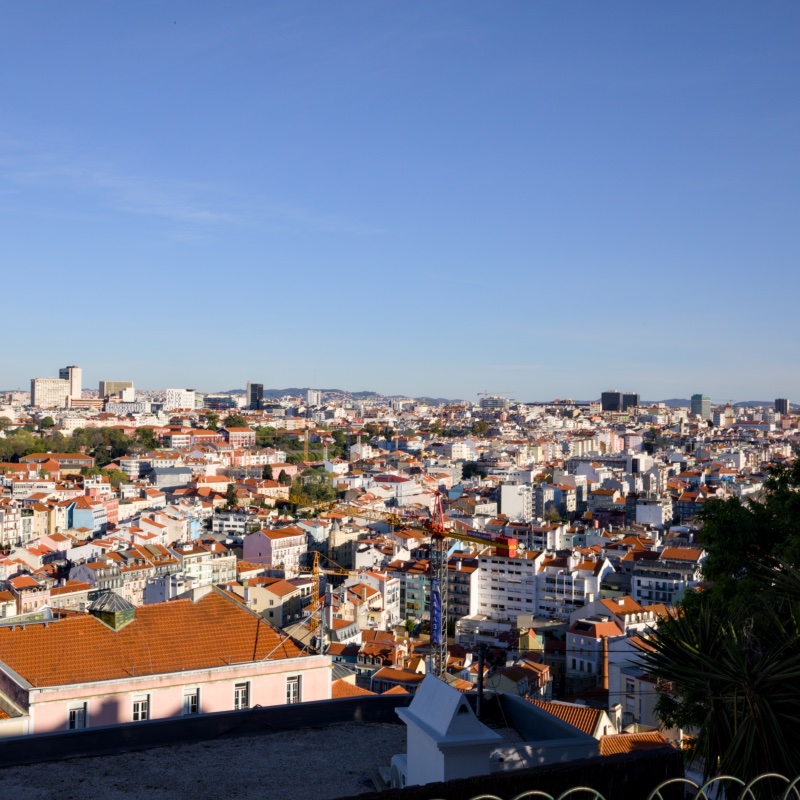
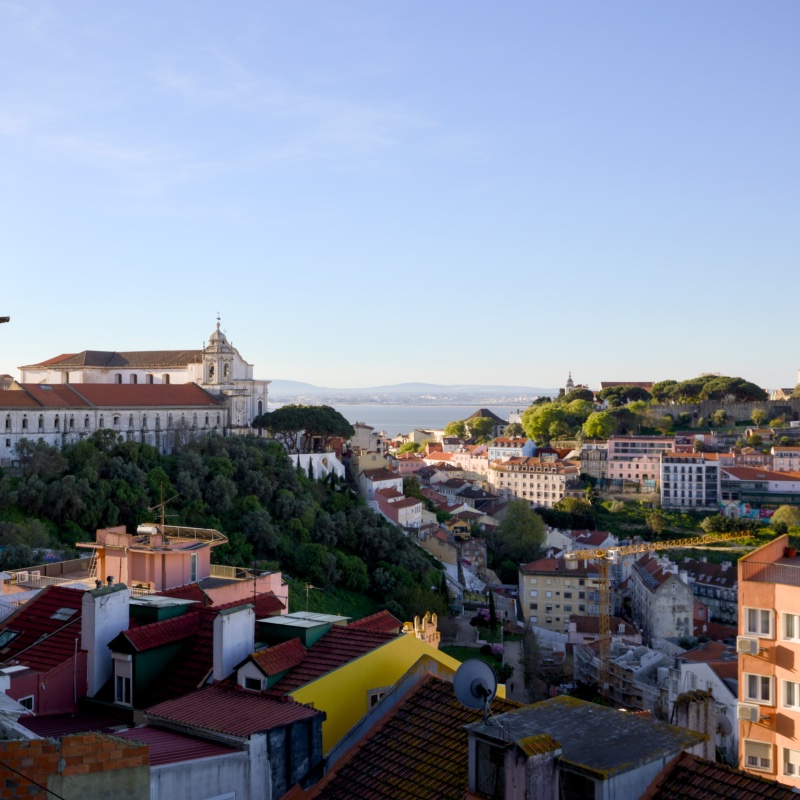
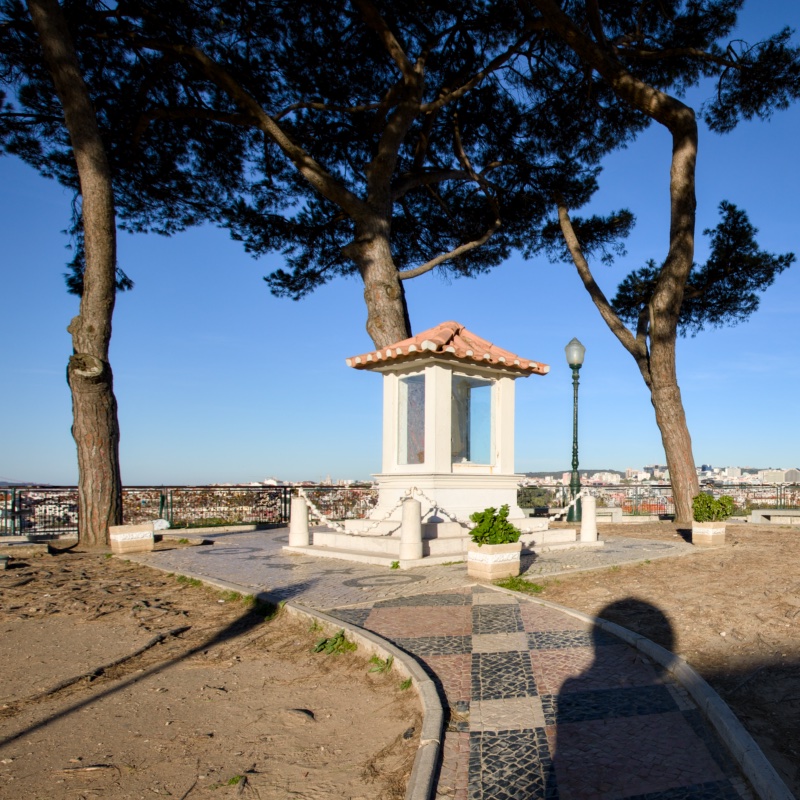
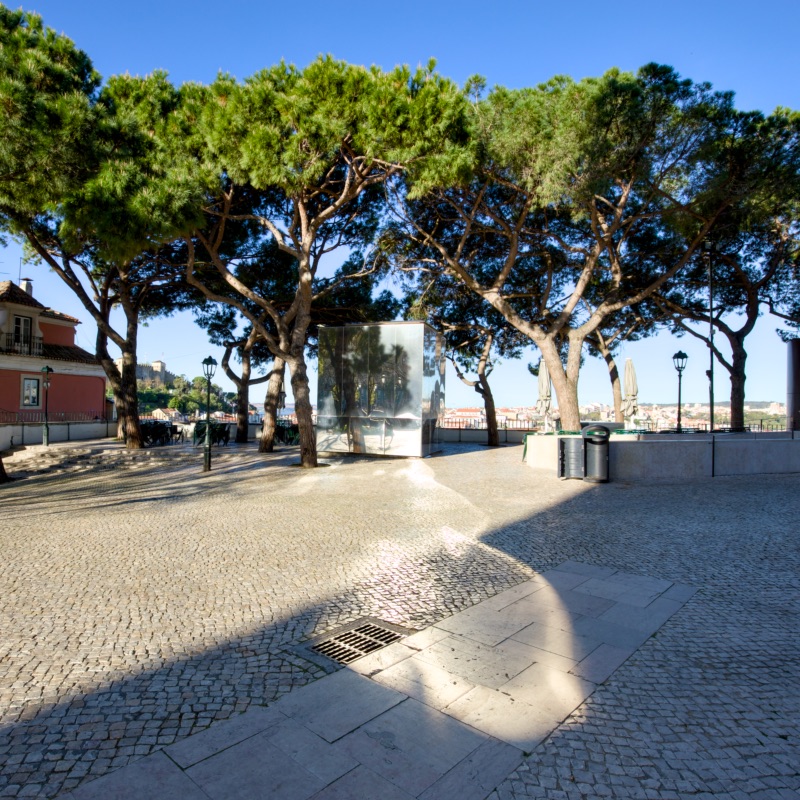
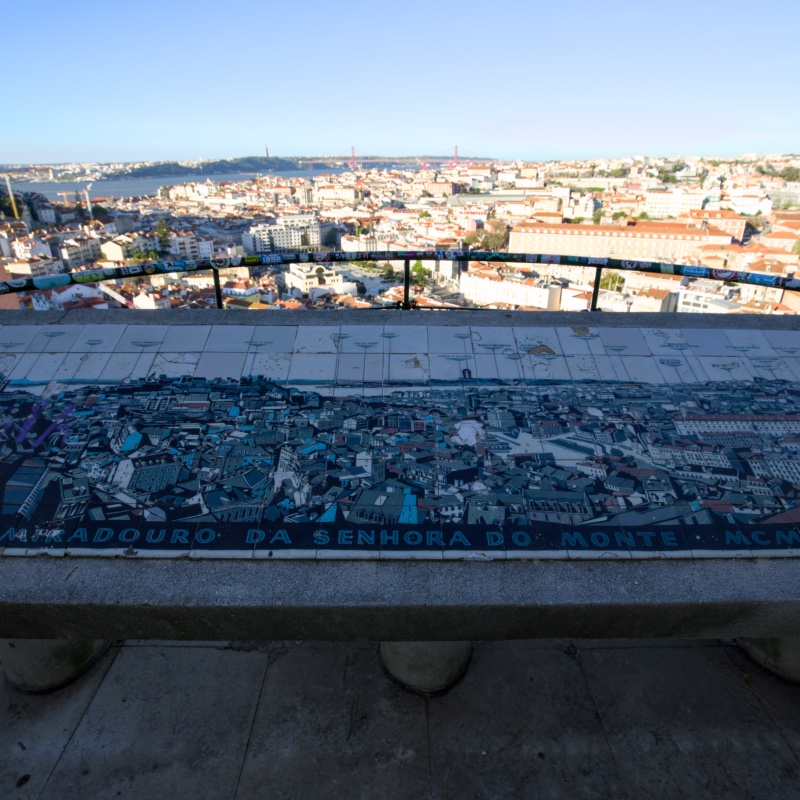
The Senhora do Monte Viewpoint, in Lisbon, opens beside the Chapel of Nossa Senhora do Monte, on the old Monte de São Gens. From this elevated balcony, the city appears in recognisable layers: São Jorge Castle, the River Tagus, the Pombaline Baixa, the hill of São Roque with the ruins of the Carmo Convent, Mouraria, the Castle Hill, the avenues and recent buildings stretching northwards, and several gardens. The proximity of the chapel adds an ancient devotional memory to the panorama: municipal sources place its origin in the time of the Christian reconquest, linked to the hermitage of the Calced Augustinians. Thus, the viewpoint is not only a high point from which to observe Lisbon. It brings together landscape, topography and religious tradition, showing how the city can be read both through the shape of its hills and through the places that remained upon them.
Why it matters
The Miradouro da Senhora do Monte stands on the former Monte de São Gens, one of the highest points of the Graça hill, and is connected with some of the oldest layers of Lisbon’s urban memory. Local tradition places King Afonso Henriques’ camp here during the conquest of the city in 1147 and also links the site to the martyrdom of Saint Gens, which explains the foundation of the original hermitage in that same year. Over time, devotion became centred on Our Lady of the Mount, while the place retained its strong symbolic meaning. The chapel that survives today, protected as a Property of Public Interest since 1933, preserved the religious and heritage value of the ensemble even after the major alterations caused by the 1755 earthquake. Over the centuries, the site ceased to be only a place of devotion and became one of Lisbon’s most significant viewpoints, bringing together the history of the reconquest, popular religious practice and a panoramic reading of the city. Senhora do Monte is therefore a place whose monumental value lies not only in the building itself, but also in the landscape and historical memory that surround it.
Architecture and history
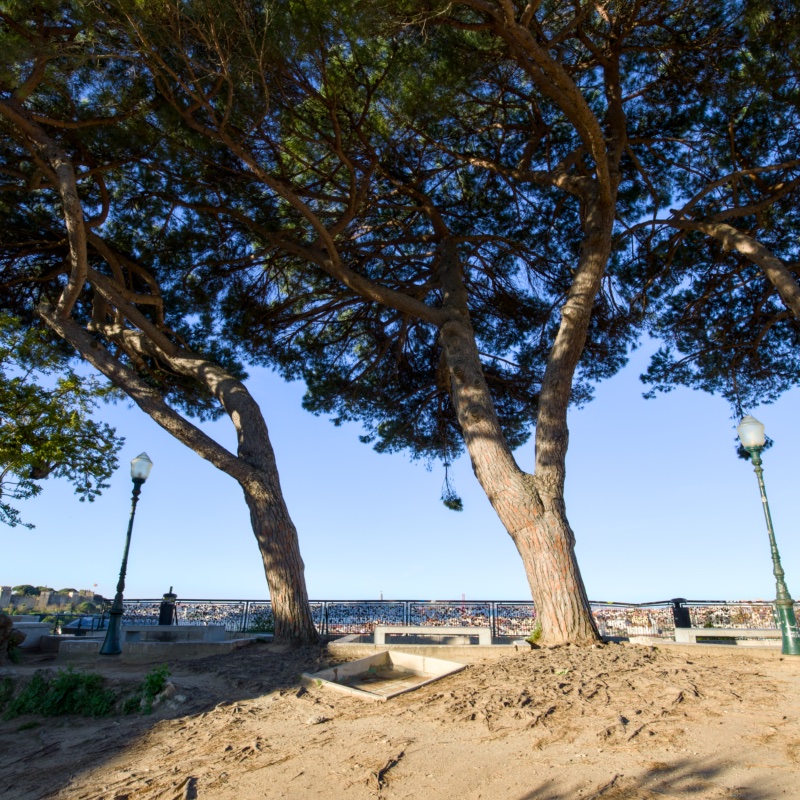
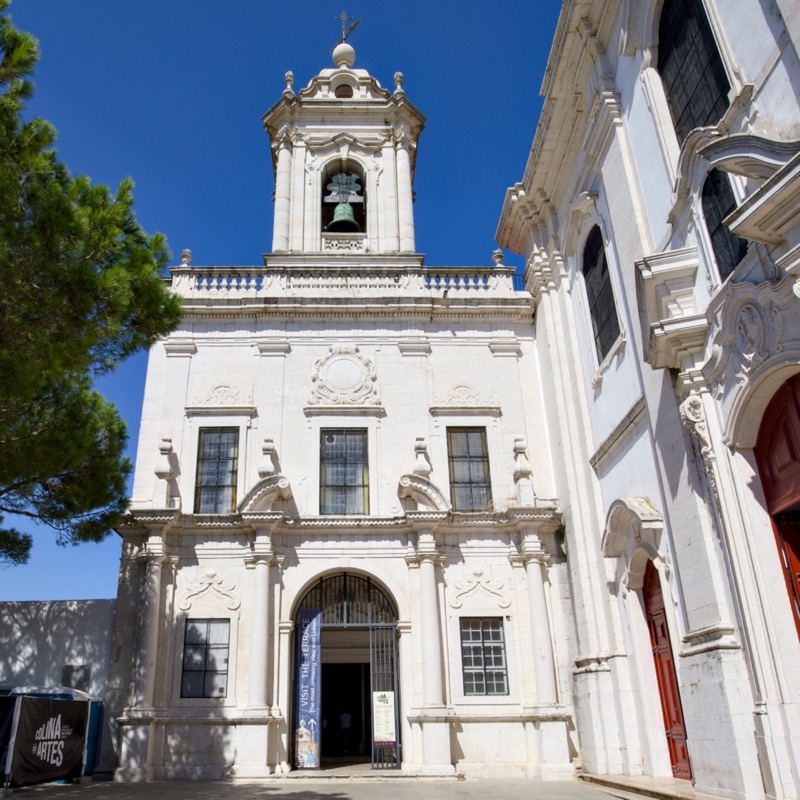
Architecturally, Senhora do Monte is defined less by an isolated monumental structure than by the relationship between an open belvedere terrace and the Chapel of Nossa Senhora do Monte. According to the official heritage record, the hermitage has a discreet architectural character, with a galilee porch, a simple facade and a Baroque-type nave with a rectangular outline and cut corners, the result of transformations carried out after 1755. Its artistic importance is concentrated mainly in the interior and in the classified contents: the legendary marble chair of Saint Gens, to which tradition attributed beneficial powers; a pre-earthquake Baroque altarpiece in the Joanine style; a Rococo tile cycle depicting scenes from the life of the Virgin; an Indo-Portuguese ivory Christ; and three Lisbon Renaissance panels associated with the circle of the so-called Masters of Ferreirim. The viewpoint itself functions as a broad urban balcony overlooking the historic rooftops and the Tagus estuary. This combination of small-scale religious architecture, significant artistic heritage and an exceptional visual setting makes the ensemble unique within Lisbon.
More context
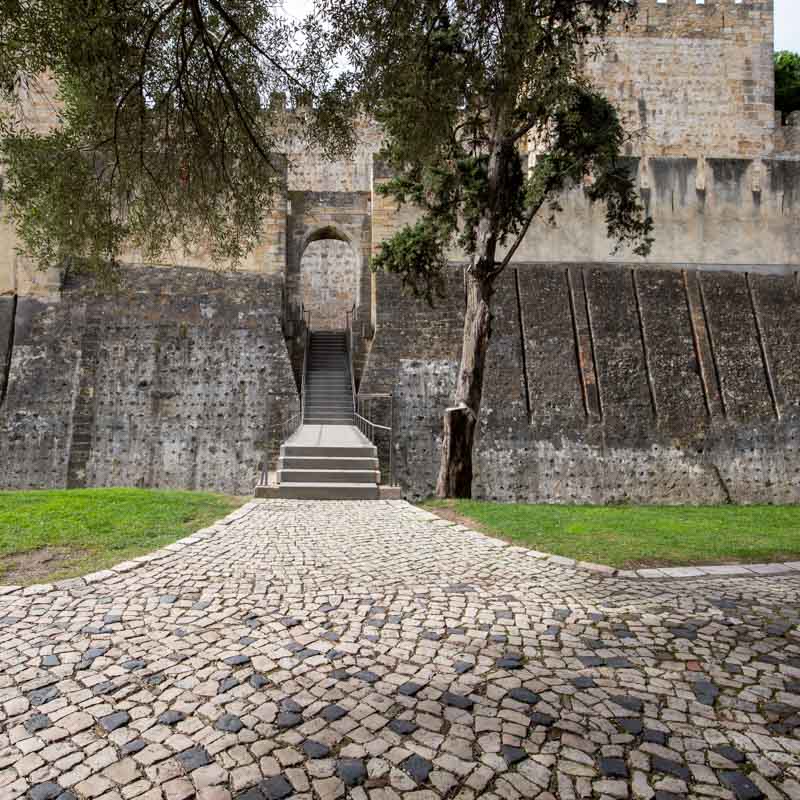
A visit should begin with the belvedere itself, from which it is possible to identify São Jorge Castle, the houses on the Castle hill, the Baixa, the ruins of Carmo, the greenery of Monsanto, the Avenidas Novas, the Tagus estuary and the so-called Mar da Palha. Attention should then turn to the adjoining chapel, both for its porch and sober facade and for the artistic pieces it preserves, especially the chair of Saint Gens, the Joanine altarpiece and the Rococo tiles. As the site lies a short distance from the Graça Viewpoint and the Church of Graça, the route becomes more coherent when extended to that church, founded in 1291, where Baroque and Manueline elements, tiles from the 16th to the 18th centuries and Rococo woodcarving still survive. Going down the slope, Mouraria adds another historical layer: it was the quarter where Muslims were allowed to remain after the Christian conquest of 1147 and it is often linked to the origins of fado. Senhora do Monte is therefore not only a place to admire the view, but also an entry point for understanding Lisbon’s topography, history and cultural identity.
Routes
Explore this place in a cultural route
Gallery