Oeiras · Lisboa
Jardins do Palácio Marquês de Pombal
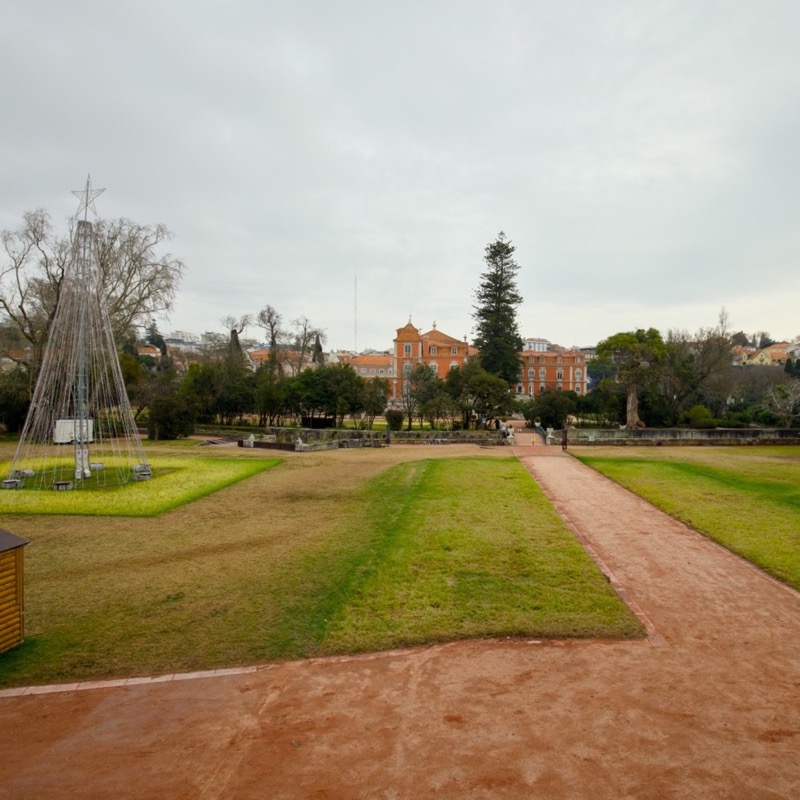
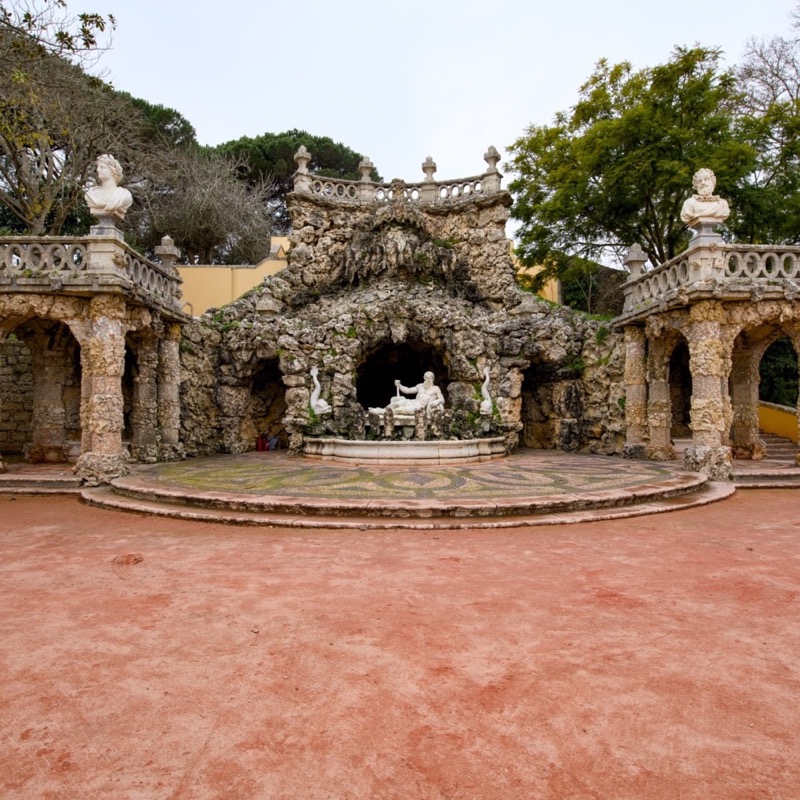
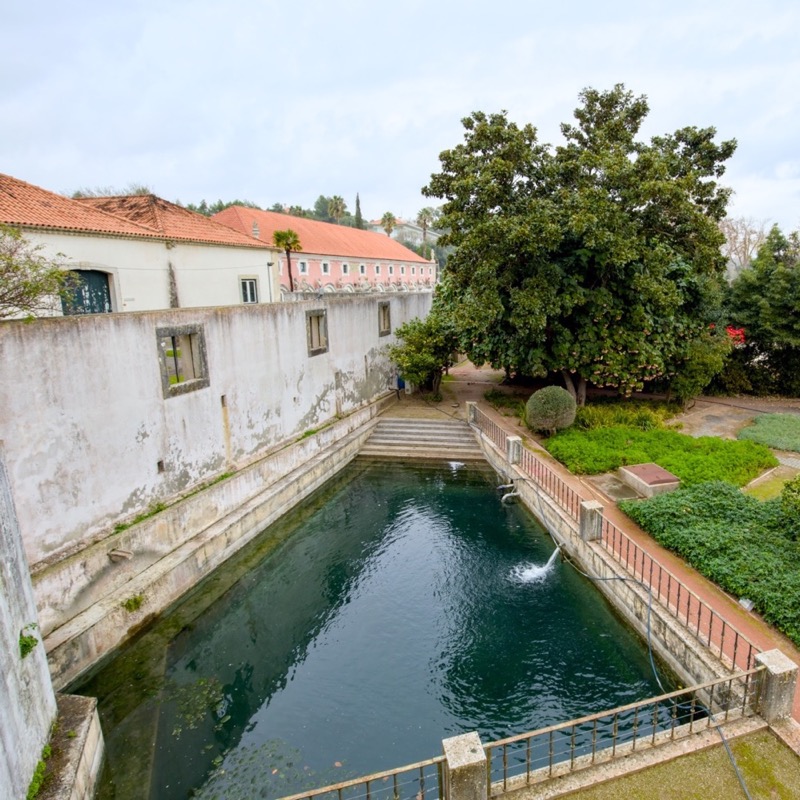
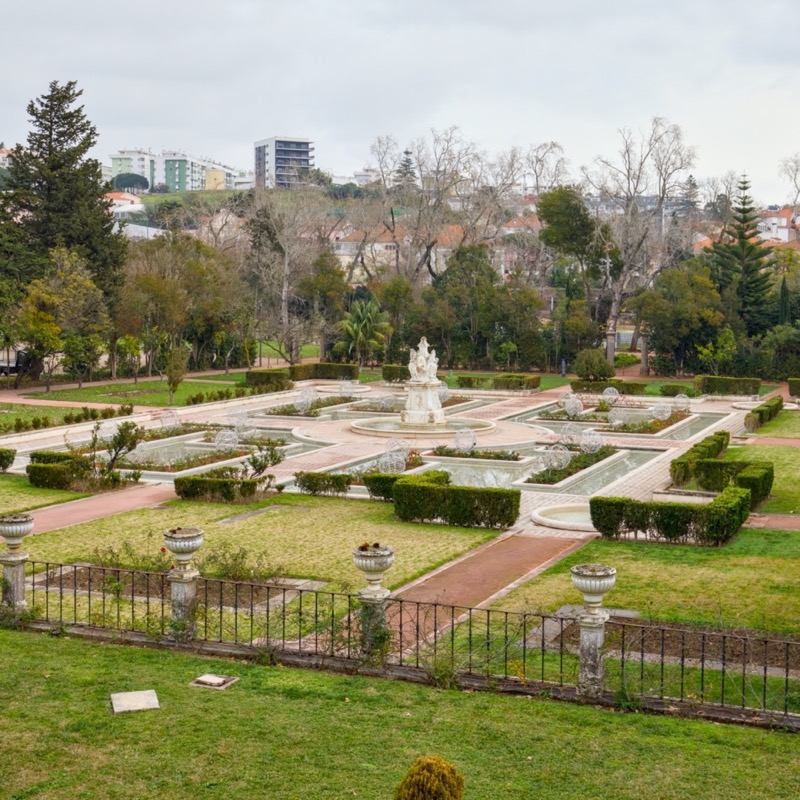
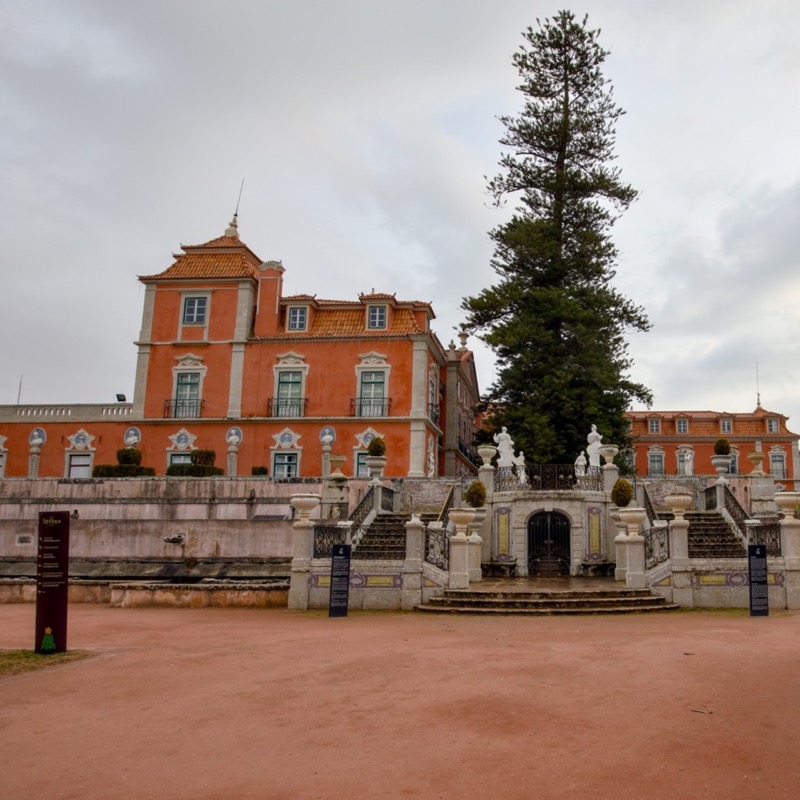
The Gardens of the Palácio Marquês de Pombal, in Oeiras, form with the palace, the Casa da Pesca and the adjoining cascade a complex classified as a National Monument. They emerged within the context of the recreational estate linked to Sebastião José de Carvalho e Melo, in an 18th-century project that combined residence, garden and agricultural production. The intervention is generally associated with Carlos Mardel, an architect linked to the Pombaline reconstruction of Lisbon. The Ribeira da Laje crosses the space and helped to structure canals, bridges, tanks and cascades, integrating water into the landscape composition. In the gardens, statues, marble busts, low walls and stairways clad in tiles stand out. Between terraces, lake, Casa da Pesca and Cascata dos Poetas, the ensemble reveals an idea of aristocratic leisure shaped by order, decoration and the scenic command of water.
Why it matters
The Marquês de Pombal Palace in Oeiras is one of the most remarkable examples of Enlightenment-era architecture and landscaping in Portugal. Built in the 18th century at the request of Sebastião José de Carvalho e Melo, the renowned Marquês de Pombal, this palace served as his summer residence. It was conceived not merely as a dwelling but as a symbol of the power and modernity the Marquês sought to implement during his governance. The gardens and the palace embody the Enlightenment ideals of organisation and aesthetics, deeply aligned with Pombaline principles of rationality and order.
Architecture and history
The palace showcases typically Baroque architecture, with Rococo influences evident in its more elaborate interior decor. Its main facade features striking symmetry, harmoniously blending local limestone with decorative tiles. The gardens are a masterpiece of landscape design. Organised in terraces, they include ornamental fountains, allegorical statues, and an advanced water system that was considered groundbreaking at the time. Noteworthy elements include the cascade and the "Tank of Forty Spouts," both illustrating attention to detail and functionality. The vineyards, olive groves, and agricultural spaces around the palace also played a crucial role, highlighting the estate’s self-sufficiency.
More context
When visiting the Marquês de Pombal Palace, be sure to explore: • The palace interior, with its frescoed halls, period furniture, and a stunning chapel. • The historic gardens, where you can admire classical sculptures and stroll along orange-tree-lined paths. • The monumental cascade, a central garden feature that impresses with its scale and ornamentation. • The Tank of Forty Spouts, an ingenious hydraulic system showcasing the era’s technical innovation. • The wine cellars, a reminder of the estate's winemaking heritage.
Gallery