
Torre de Belém

Lisboa · Lisboa

Torre de Belém

MonumentXVIMonumental Architecture
Avenida Brasília, 1400-038 Lisboa4.5 Rating · 112,30135 min

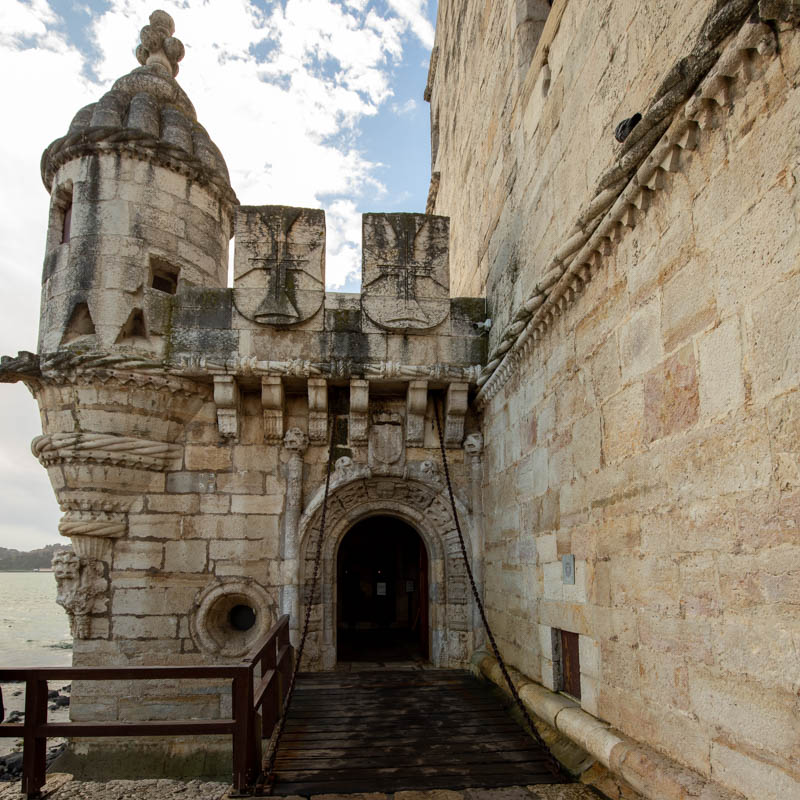
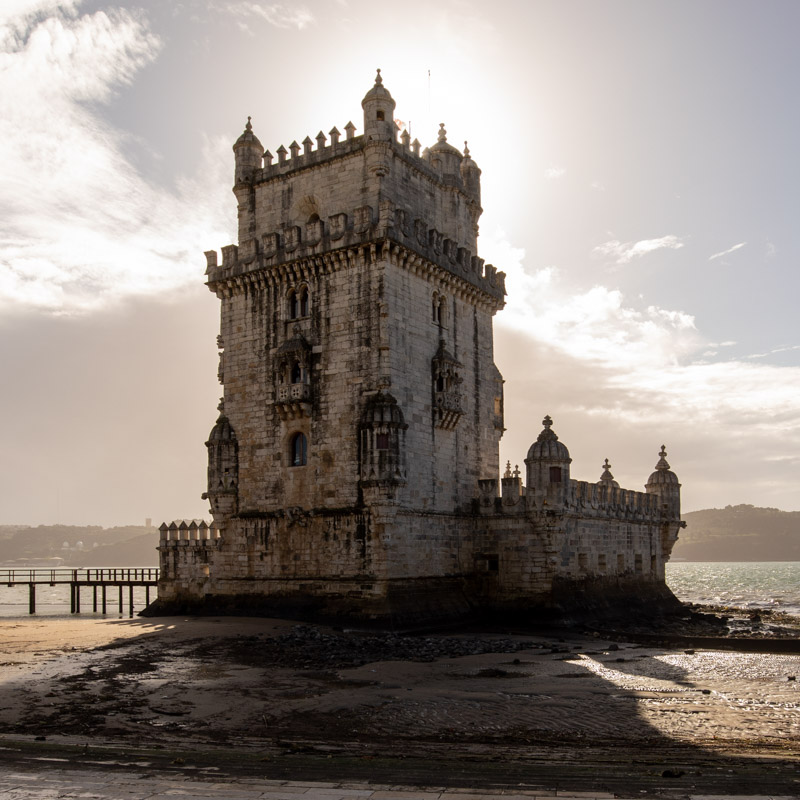
Belém Tower has the grace of a Manueline jewel and the firmness of a fortress built to guard the entrance to the Tagus. Raised in the reign of King Manuel the First, from 1514 onwards, and designed by Francisco de Arruda, it grew closely tied to the port of Lisbon, Jerónimos Monastery and the imagination of the Discoveries. Its form combines a medieval-looking tower with a modern bulwark, while the exterior is covered with ropes, knots, armillary spheres, crosses of the Order of Christ and other motifs that make the stone feel almost like lace. It is worth lingering over the balcony facing the river and one surprising detail: the small rhinoceros carved into one of the façades. From above, the Tagus and Belém come into sharper focus. It then becomes clear why this tower has become one of Lisbon’s great symbols and a UNESCO World Heritage site.

Why it matters

The Belém Tower, historically known as the Tower of Saint Vincent of Belém, was commissioned by King Manuel I to complete the defensive system of the Tagus estuary first planned during the reign of King João II. Built between 1514 and 1520 on a basalt outcrop then standing apart from the riverbank, the tower was designed by Francisco de Arruda and from the outset combined military purpose, symbolic value and a strong ceremonial presence. Besides defending the entrance to the port of Lisbon, the monument became linked to the memory of Portuguese maritime expansion and to Vasco da Gama’s voyage, at a time when Belém was emerging as a central space of royal power and overseas departures. Over the centuries, its image became one of Lisbon’s great emblems. Its classification as a national monument in the early twentieth century and its inscription on the UNESCO World Heritage List in 1983 confirmed that lasting historical and artistic importance.

Architecture and history

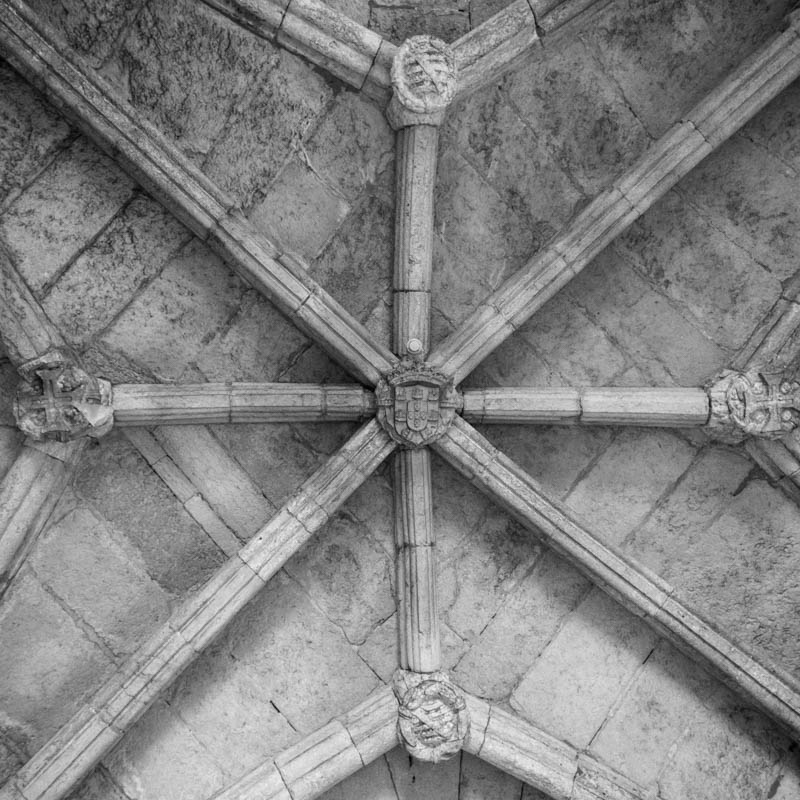
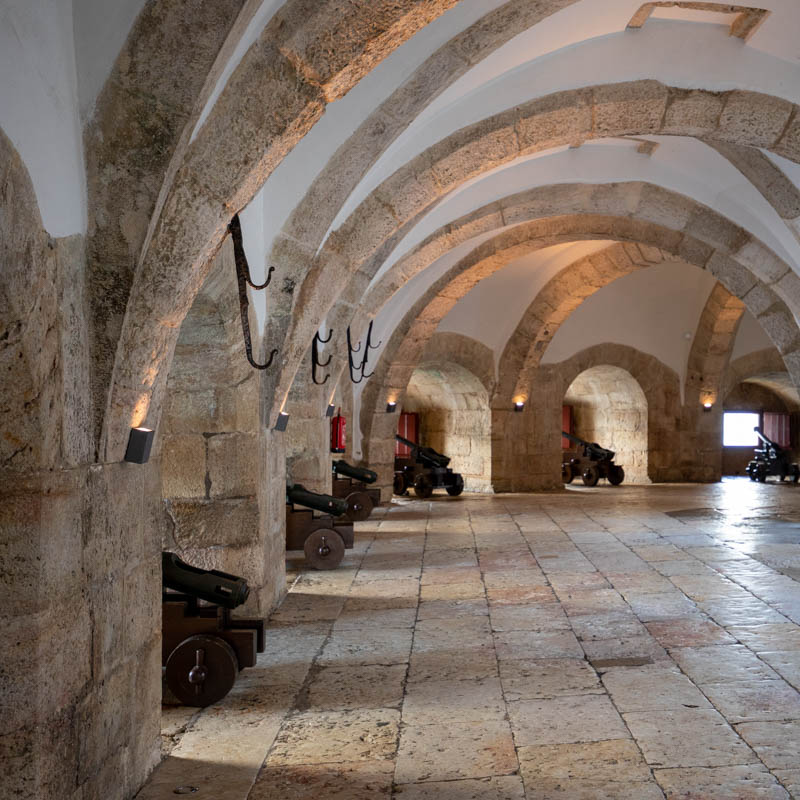
The singular quality of Belém Tower lies in the way it combines two very different architectural models in a single building. On one side stands the tall tower, close to the medieval tradition of the keep. On the other is the broad, low bulwark, already designed for modern artillery, with a casemate where sixteen embrasures were arranged just above water level. This blend of older form and military innovation gives the monument a very distinctive power. It is joined by an exuberant Manueline decorative programme, visible in the royal heraldry, the carved ropes and knots, the elements inspired by Moorish forms and the watchtowers topped with ribbed domes. The south façade stands out for its long loggia-like balcony, created for a ceremonial use that is unusual in a fortress, while the inner tower is organised into four vaulted floors. The result is a military work that is also deeply representative, where defence, royal prestige and artistic imagination meet in remarkable balance.

More context

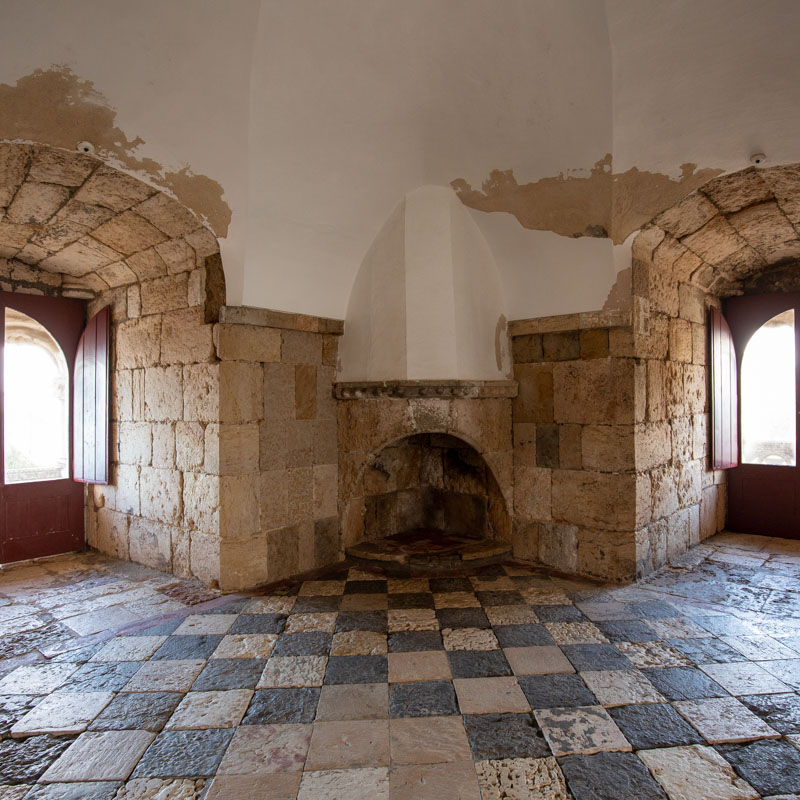
During a visit, it is worth beginning with the bulwark and imagining the tower when it was surrounded by water, controlling the entrance to the estuary. The casemate helps explain the defensive logic of the whole structure, while the terrace offers a clearer sense of the relationship between the tower, the river and the light of Belém. Then the climb through the different floors reveals the sequence of the Governor’s Room, the Kings’ Room, the Audience Room and the Chapel, each with a more intimate atmosphere than the monumental exterior might suggest. It is worth noticing the southern balcony, the image of Our Lady of Good Success and the small sculptural details that make the building unforgettable. Among them, the famous rhinoceros carved at the base of a watchtower stands out, probably inspired by the animal that arrived in Lisbon from India in 1515. At the top, the upper terrace offers the clearest reading of the tower’s silhouette, its battlements and turrets, and its visual link with the Tagus, the Jerónimos Monastery and the whole Belém waterfront.

Gallery

Torre de Belém 1
Torre de Belém 2
Torre de Belém 3
Torre de Belém 4
Torre de Belém 5

Nearby places

View all