Museu de Arte Popular

Lisboa · Lisboa

Museu de Arte Popular

MuseumXXCivil Architecture
Avenida Brasília 202, 1400-038 Lisboa4.2 Rating · 1,34550 min

On the edge of the Tagus, the Popular Art Museum preserves one of the clearest images of how Portugal chose to represent itself in the twentieth century. The building grew out of the pavilions of the Popular Life Section of the 1940 Portuguese World Exhibition and opened as a museum in 1948, reshaped by Jorge Segurado from a programme defined by Francisco Martins Lage and Tomás de Mello. What makes it singular is not only its collection of ceramics, textiles, musical instruments and agricultural tools: it is also the mural compositions and the dialogue between modernism and tradition, designed to give form to a rural, colourful and idealised country. To step inside is therefore to encounter both an ethnographic collection and a historical document about the aesthetics and political vision of the Estado Novo. Beside the Espelho de Água and the Monument to the Discoveries, the building still suggests that popular memory can also be staged.

Why it matters

Belém preserves several traces of the Portuguese World Exhibition of 1940, and the Museu de Arte Popular is one of them. The museum was created from the transformation of the former pavilion of the Folk Life Section, built for that exhibition and designed by the architects António Reis Camelo and João Simões. In 1948, the building opened as a museum, adapted by Jorge Segurado according to a museological programme that combined decorative elements of modernist taste with traditional references. The aim was to present material expressions from Portuguese regions, in an interpretation shaped by the cultural and political context of the Estado Novo. The collection was formed from earlier exhibitions and later enlarged through acquisitions and donations. For this reason, the museum matters not only for the pieces it holds, but also for showing how Portugal sought to represent, study and stage its popular cultures in the 20th century. This historical layer helps visitors look at the place critically.

Architecture and history

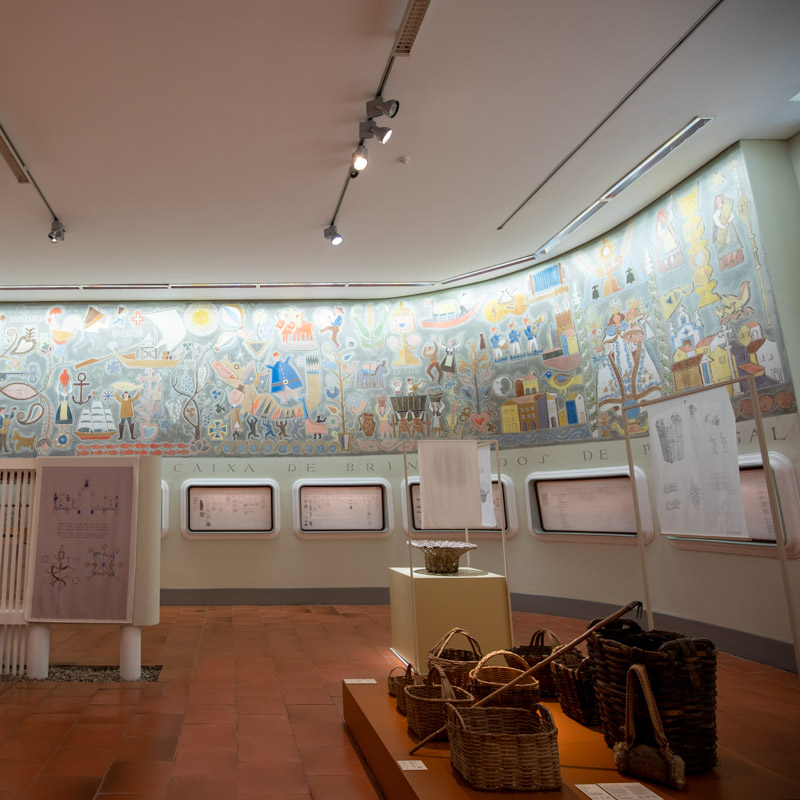
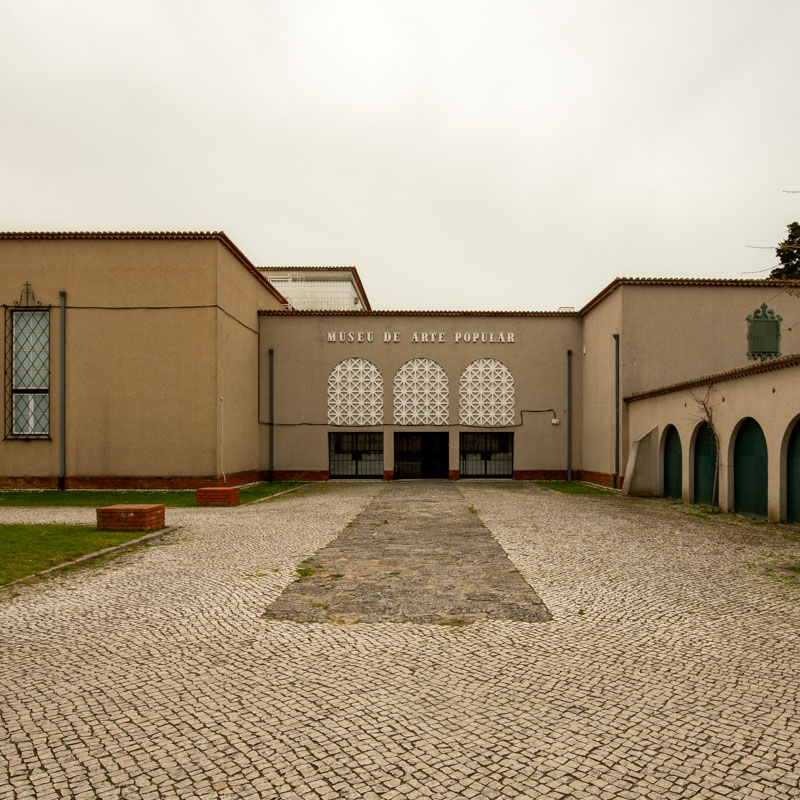
The low, broad façade reflects the building’s exhibition origins. Its composition is simple, made up of stepped rectangular volumes and symmetrical façades, with materials suited to a pavilion intended to be temporary. Painted render, metal structure, wood and stucco, limestone details and wrought iron give it a discreet but carefully designed presence. The decoration brings the building close to popular art and vernacular architecture, using references to tiles, ceramics and wood, while still revealing a modernist language. Inside, the former regional organisation continued that intention: mural painting, sculpture and architecture worked together to create a national interpretive route. The building’s importance was officially recognised in 2012 as a Monument of Public Interest, above all for the built ensemble and the mural compositions, which remain essential for understanding the place in Belém.

More context

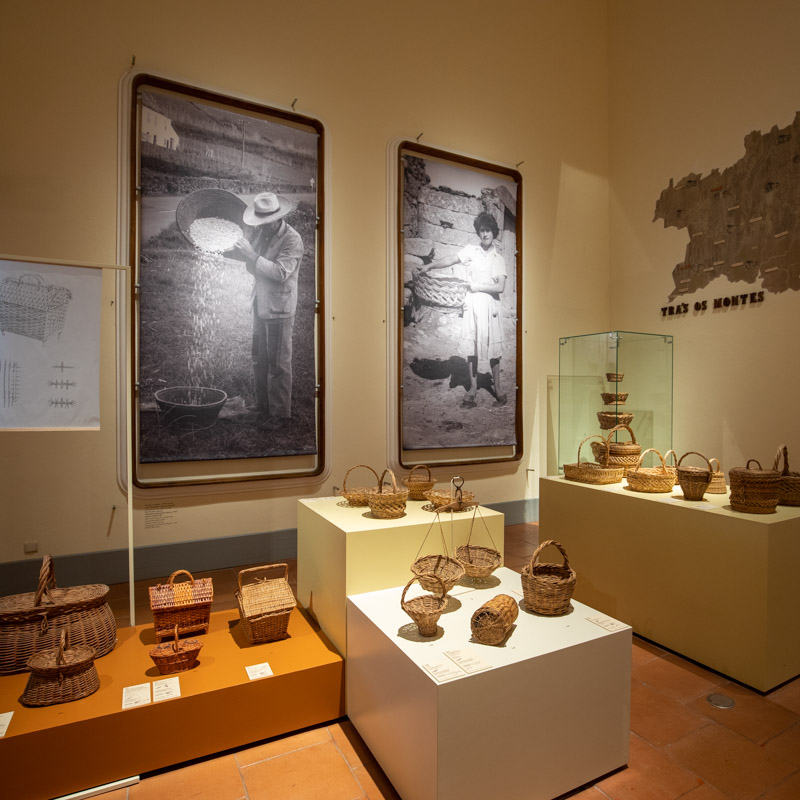
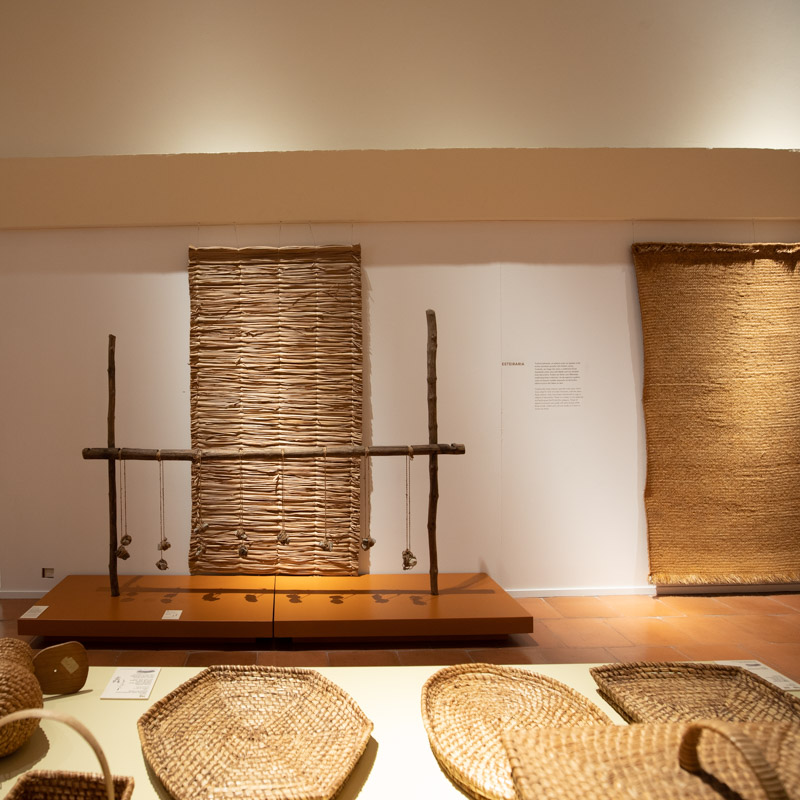
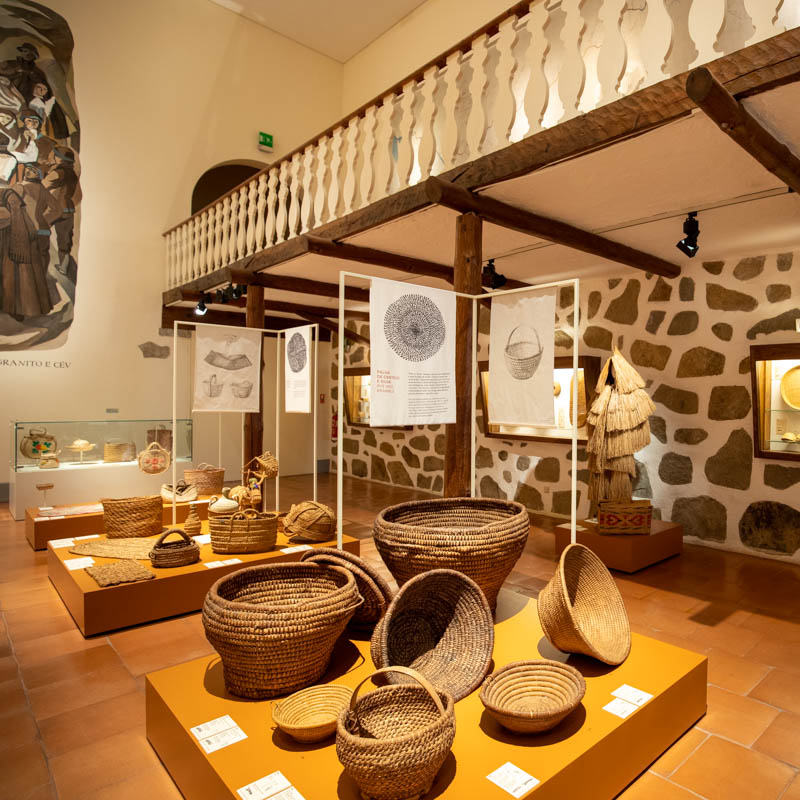
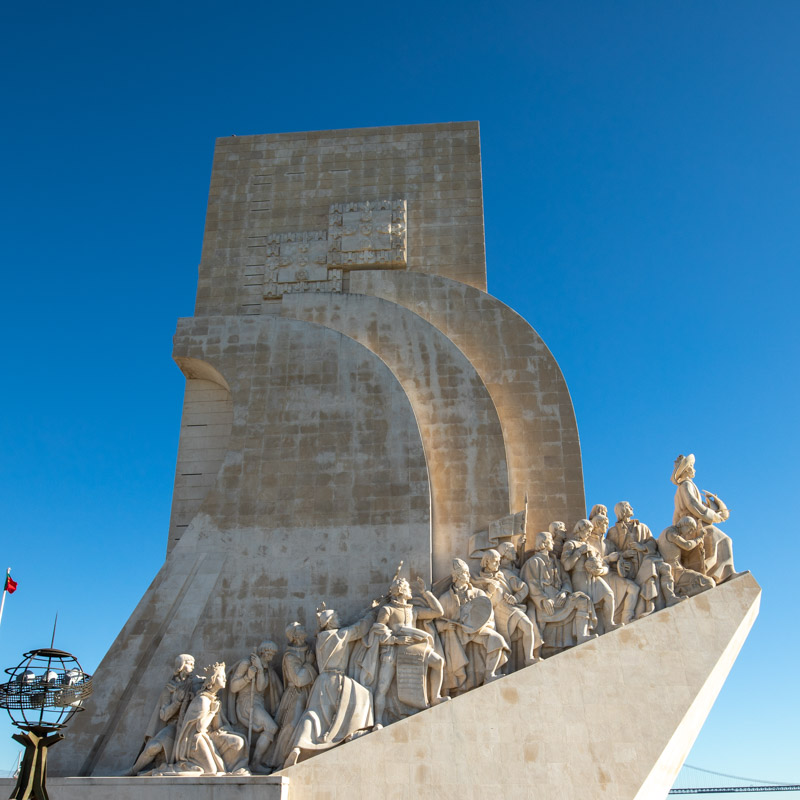
The mural compositions are one of the keys to understanding the museum. They characterise different regions of the country and show that the building was not conceived as a simple container for objects, but as part of the exhibition itself. The regional rooms help explain how an organised image of Portuguese diversity was constructed, presented by areas of the territory. In the collections, notice the variety of materials and uses: ceramics, popular jewellery, musical instruments, basketry, textiles, costumes, embroidery, agricultural tools and models of boats or animal-drawn carts. Together, these pieces speak of work, celebration, devotion, transport and domestic life. Outside, observe the relationship with Belém, the Espelho de Água and the nearby Padrão dos Descobrimentos, a context that reinforces the museum’s connection with the monumental riverside landscape created around the 1940 exhibition.

Gallery

Museu de Arte Popular 1
Museu de Arte Popular 2
Museu de Arte Popular 3
Museu de Arte Popular 4
Museu de Arte Popular 5

Nearby places

View all