MAAT Central

Lisboa · Lisboa

MAAT Central

MuseumXXIndustrial Architecture
Avenida Brasília, 1300-598 Lisboa4.6 Rating · 2,84345 min

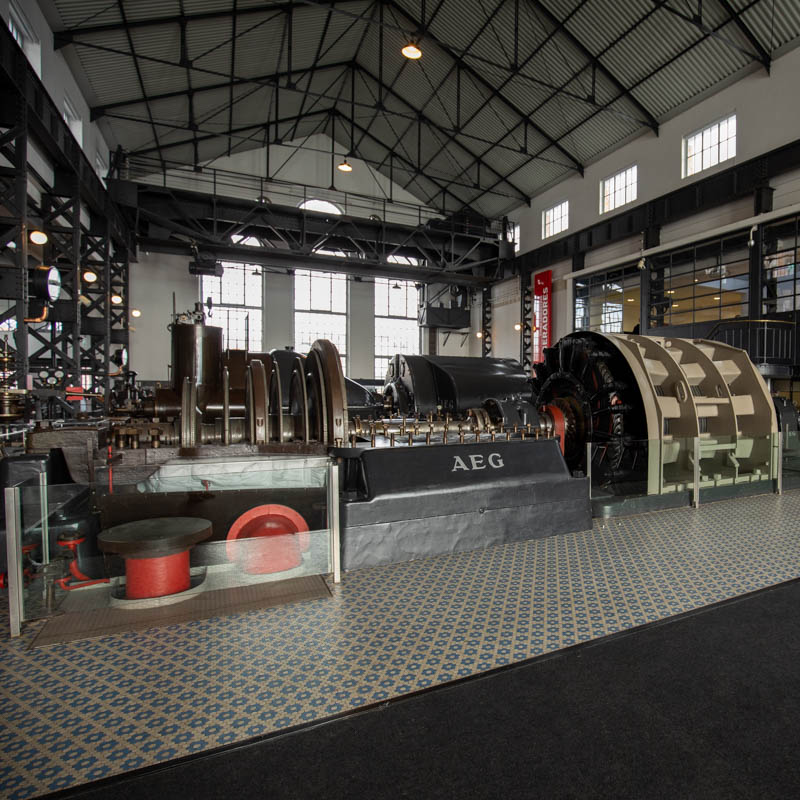
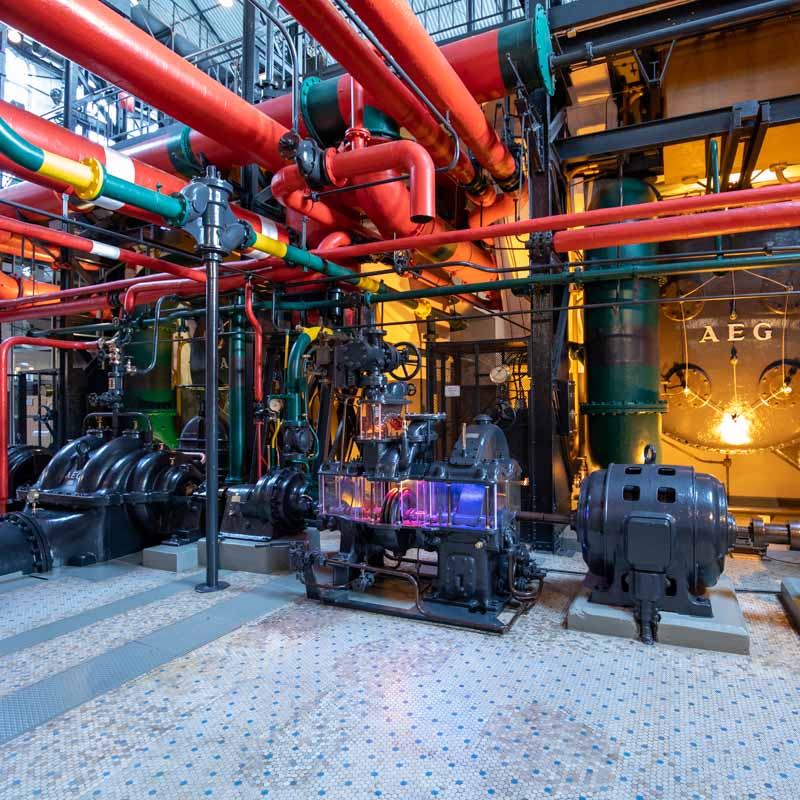
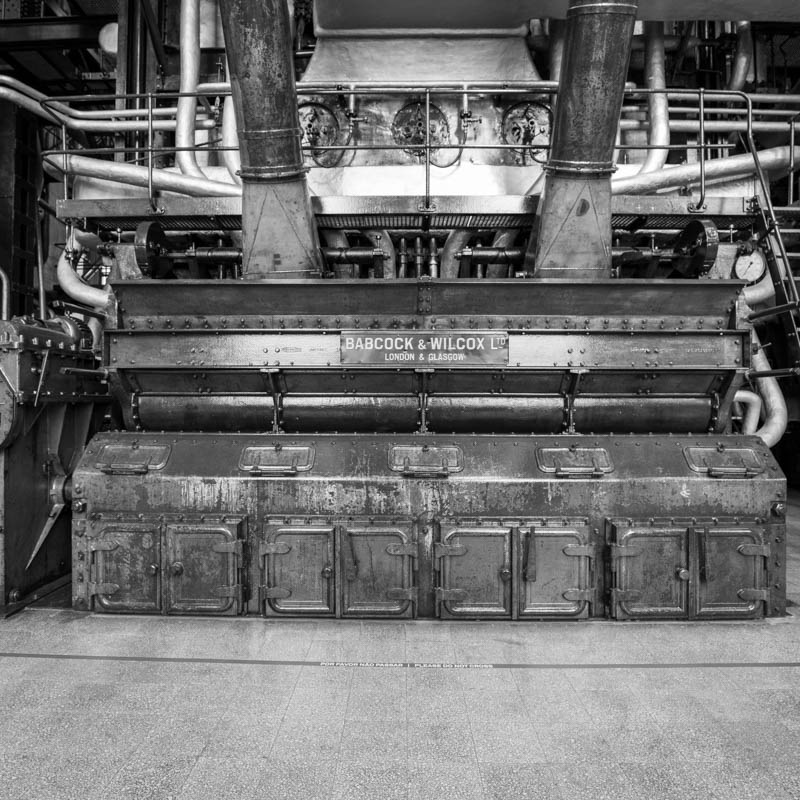
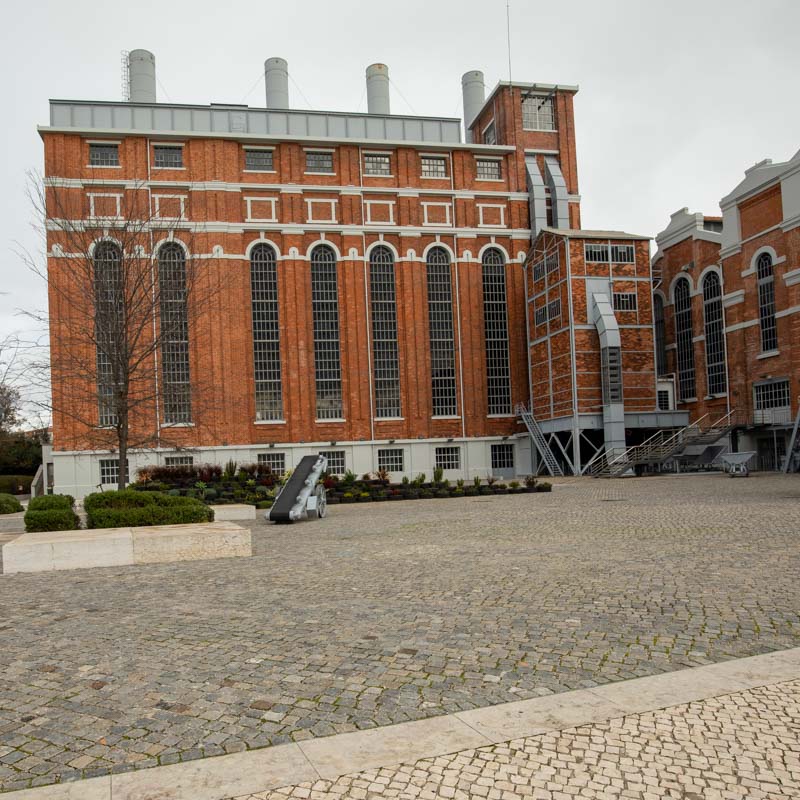
MAAT Central is one of those places where Lisbon can be understood as a modern city. Formerly the Tejo Power Station, this thermoelectric plant began operating in 1909 and supplied the capital for decades, first continuously and later as a reserve station, before being reborn as a museum space. The building, with its red brick, iron and vast windows, is one of the landmarks of Portuguese industrial architecture, yet what impresses most is stepping inside and finding the original machinery still in place. In the exhibition The Electricity Factory, boilers, turbo-alternators and walkways reveal the almost theatrical scale of energy production and recall the time when coal helped to light Lisbon. Today, as part of the MAAT campus, the former plant has gained a new life without losing its raw force. It is a rare place, where technology, memory and city still speak to one another.

Why it matters

MAAT Central is the former Tejo Power Station, on the riverfront in Belém, and one of the most striking witnesses to Lisbon’s industrialisation. This thermoelectric plant began to be built in 1908 to supply electricity to the whole Lisbon region and operated between 1909 and 1972. From 1951 onwards, it worked mainly as a reserve plant, complementing hydroelectric production. Over that period, the complex was enlarged and adapted several times, following the growth of consumption and the evolution of production systems. In 1975 it left the production system for good. Its heritage value was recognised soon afterwards, and the Tejo Power Station was listed as a Property of Public Interest in 1986. In 1990 it opened to the public as the Electricity Museum and, after further restoration of the buildings and machinery, it reopened in 2006. Today it forms part of MAAT, keeping the memory of the former power station alive while linking the history of energy to current debates on technology and sustainability.

Architecture and history

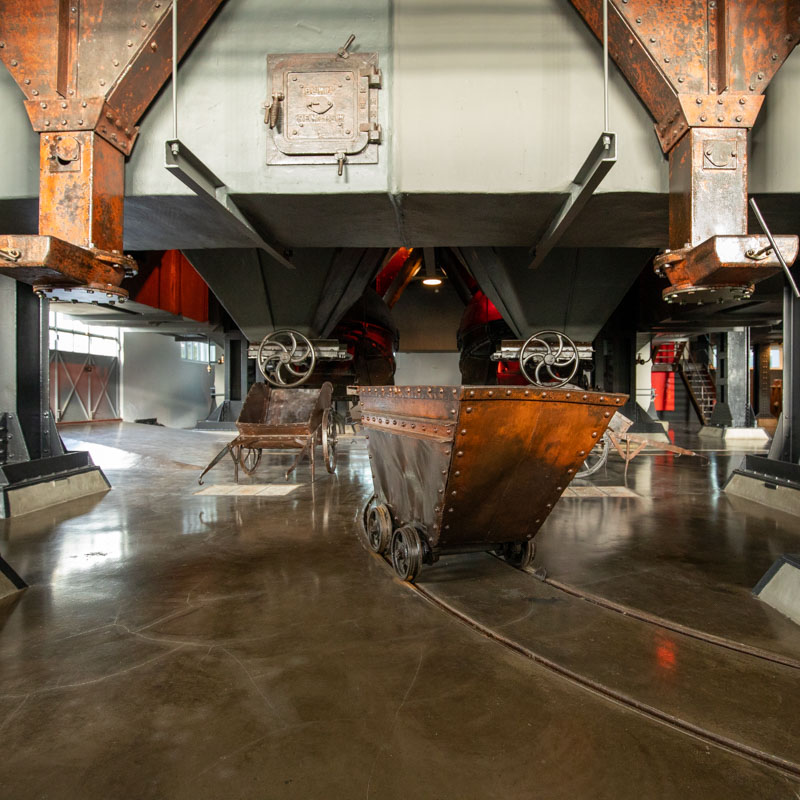
From an architectural point of view, the building stands out for its large industrial mass of iron clad in brick, with façades marked by tall vertical windows and details combining art nouveau references with classicising elements. The result is unusual in Portugal and helps explain why the Tejo Power Station is regarded as a major example of industrial architecture from the first half of the twentieth century. Its present appearance comes from successive enlargements made to increase the plant’s capacity, which helps explain both the scale of the complex and the functional logic of its different areas. Inside, the visit preserves direct contact with the original machinery, from boilers and coal-feeding systems to equipment linked to the production and control of electricity. The permanent exhibition The Electricity Factory organises this heritage clearly without erasing the factory character of the place, and it also connects with the EDP Foundation Energy Heritage Collection and with exhibition spaces devoted to the history of energy.

More context

During a visit, it is worth starting with the monumental boiler room, where the physical scale of energy production and the technical effort required to supply the city become easier to grasp. Then the machine room and the remaining original equipment help visitors follow the path of electricity through the plant, from fuel to movement and system control. The exhibition The History of Energy, integrated into this route since 2023, broadens the reading of the space by connecting the former factory with today’s challenges of energy transition. For those who want a deeper view of the Tejo Power Station, special tours reveal areas that are normally closed to the public, including the different boiler levels, the rheostat room, the coal distribution conveyor, the mixing tower, the water tower and the tunnels. At the end, it is important to step outside again and look at the brick volume facing the Tagus, because the visual force of the building is an essential part of the experience.

Gallery

MAAT Central 1
MAAT Central 2
MAAT Central 3
MAAT Central 4
MAAT Central 5

Nearby places

View all