Lisboa · Lisboa
Quake
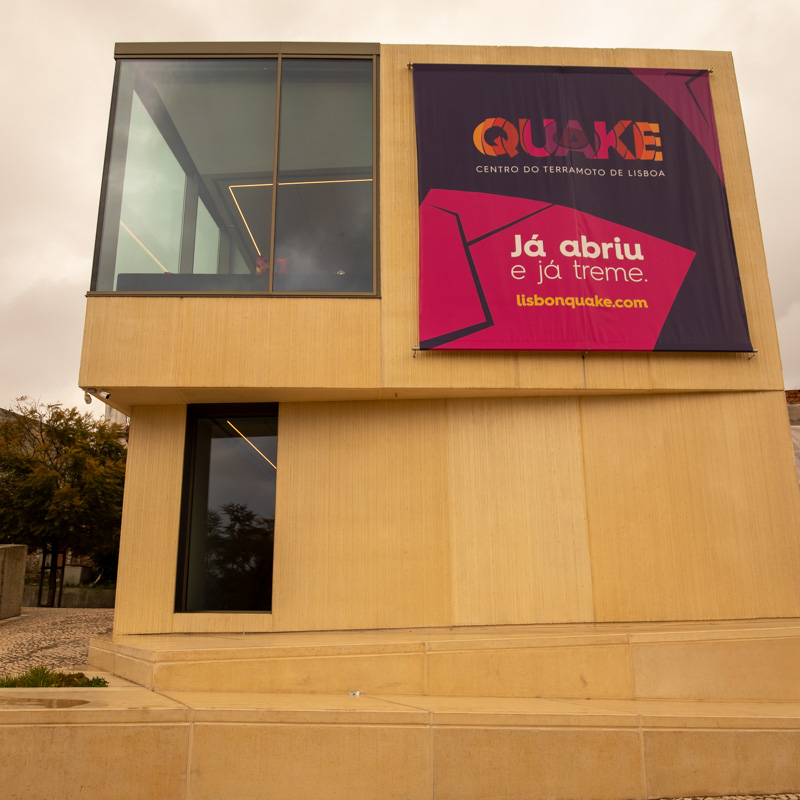
In Belém, Quake turns the most traumatic day in Lisbon’s history into an experience that brings together memory, science and imagination. Dedicated to the earthquake of 1755, it follows the chain of events that destroyed much of the city - the tremor, the tsunami and the fires - and shows how, from that ruin, a new Lisbon emerged, with the Pombaline rebuilding and the systematic use of anti-seismic solutions. Rather than simply displaying objects, the visit uses immersive rooms, simulators, video and interactive devices to convey the human and urban scale of the catastrophe. But Quake does not look only to the past. Its mission is also to explain seismic phenomena and to remind visitors that Portugal remains in an active zone, where preparation can make a difference. Between the lost city of the eighteenth century and the questions of the present, this is a place where the past appears not as a distant ruin, but as warning, knowledge and transformation.
Why it matters
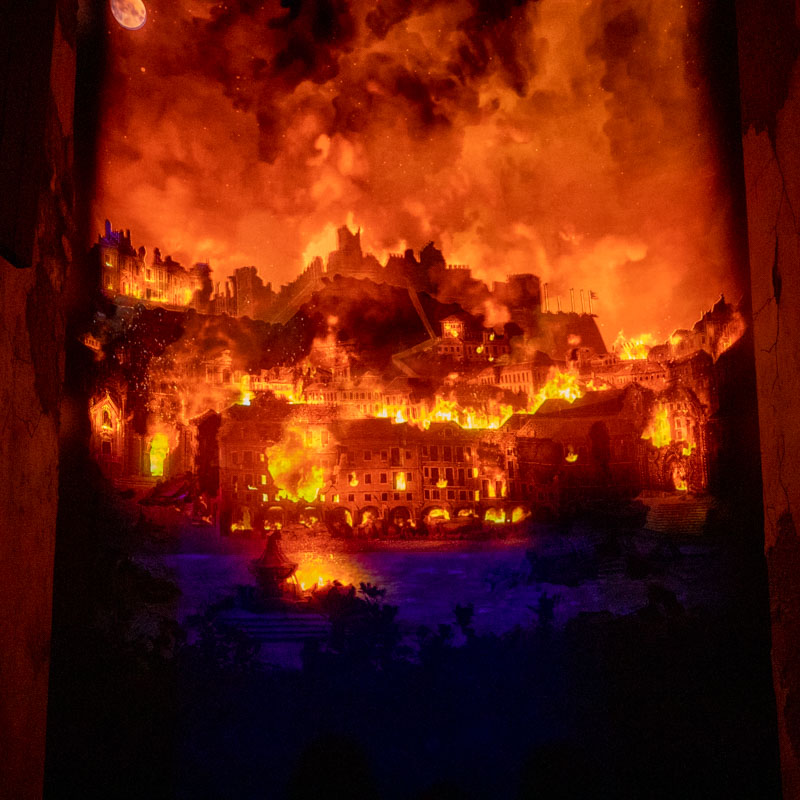
In Belém, Quake – Lisbon Earthquake Centre interprets an event that changed the city’s history. On 1 November 1755, Lisbon was struck by a major earthquake, followed by fires and a tsunami that advanced through the Baixa. The Gabinete de Estudos Olisiponenses records that fire affected the city for six days and that the waves from the Tagus overtopped the quays. Opened in April 2022, Quake was created to turn this memory into an immersive route, connecting urban history, earthquake science and preparation for seismic risk. Its location in Belém places it on a riverside front where several museums explain Lisbon through the Tagus. The centre does not replace a visit to the Baixa Pombalina. Rather, it helps explain why the earthquake became a reference point in the city’s reconstruction, in Enlightenment thought and in the modern perception of disaster.
Architecture and history
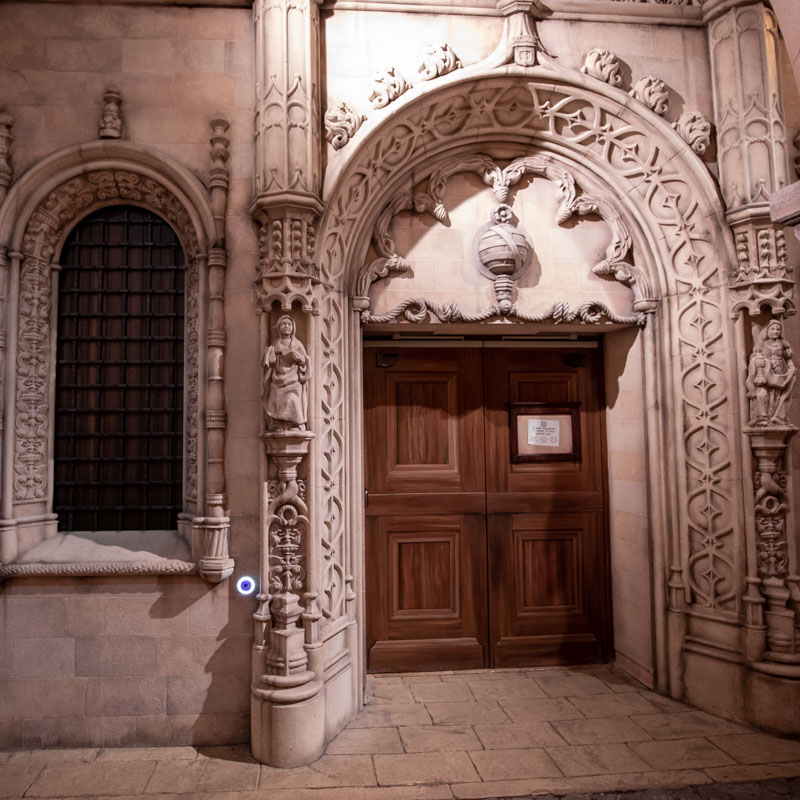
Two contemporary volumes form the Quake building. The project by the Fragmentos studio organises the ensemble around an open patio, with the volumes separated by this void and joined by a horizontal connecting body. Entry is from the western side, from the square of the Museu dos Coches, into a double-height foyer linked to the social area. The southern volume mainly contains the arrival area, while the northern volume is occupied by the exhibition content. This division helps control light, circulation and technical effects, essential in a route built with 4D technology, simulators, video mapping and sound environments. The materiality described by the project as telluric and heavy avoids an overly light presence. The architecture seeks to recall earth, weight and memory, without competing with the historical experience it contains.
More context
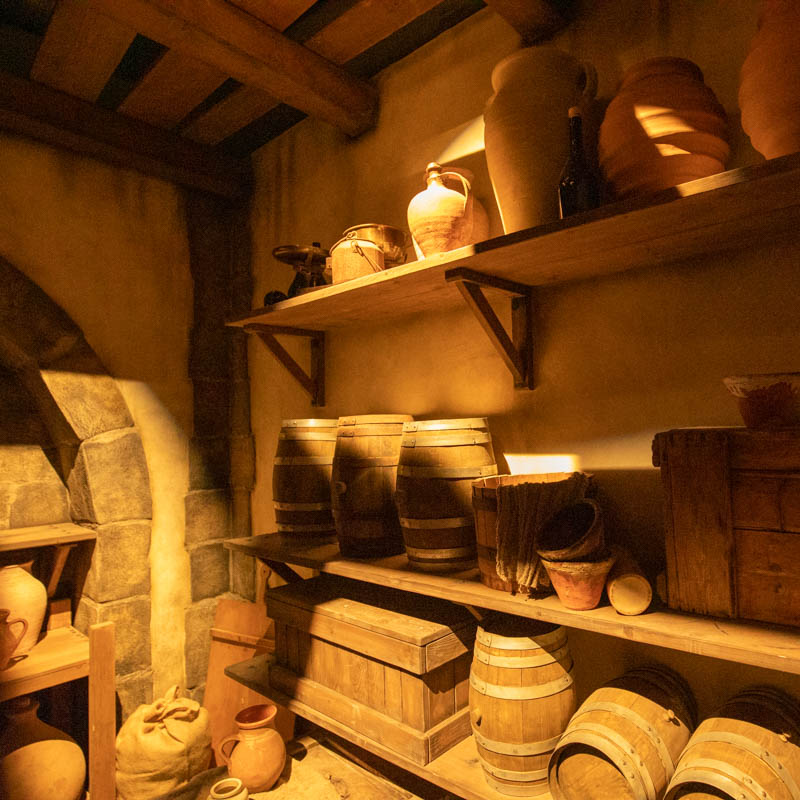
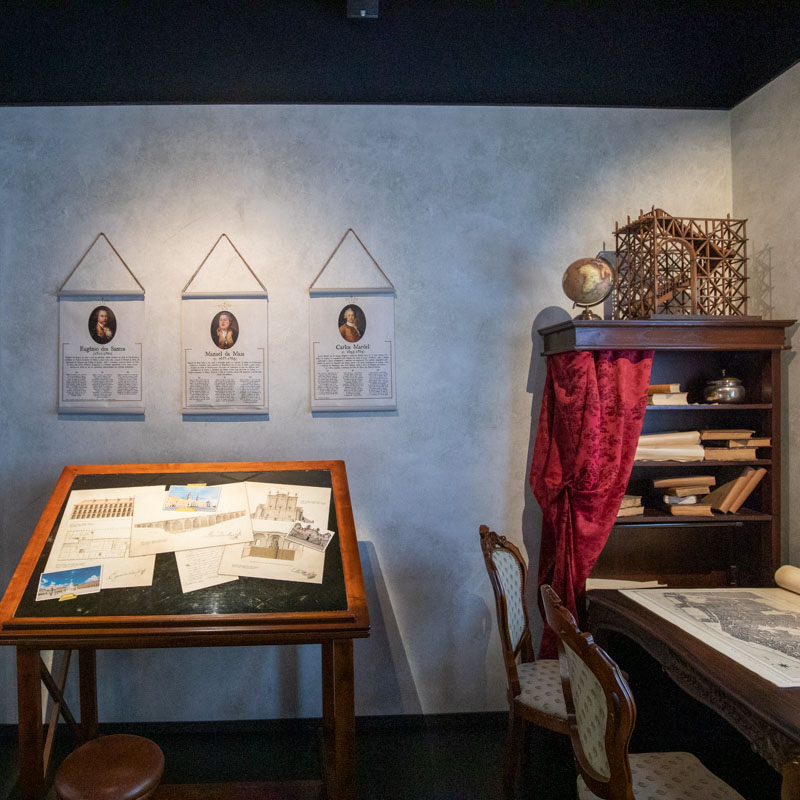
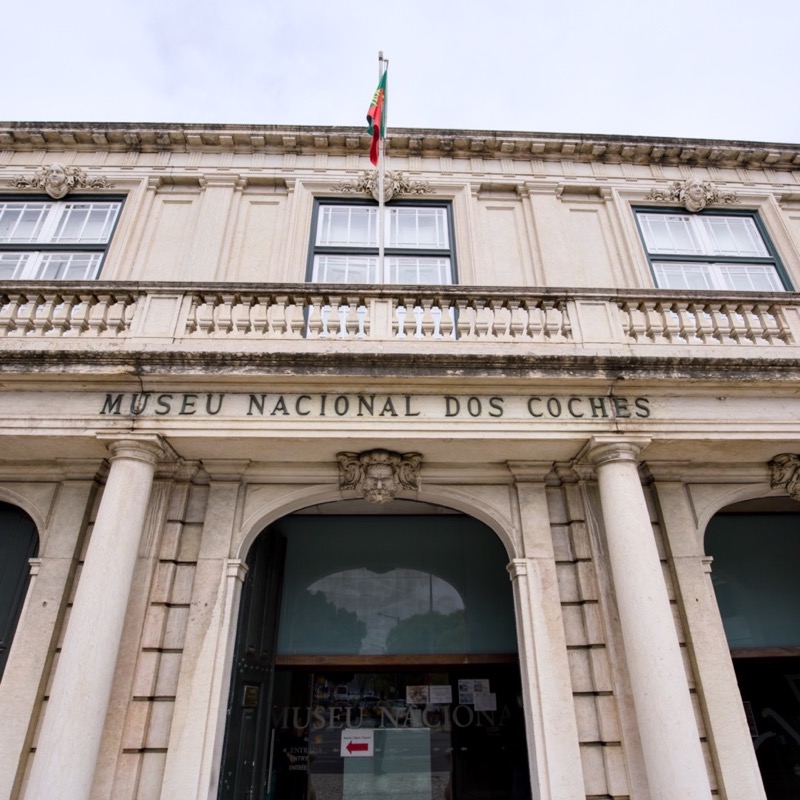
The evoked streets of Lisbon before 1755 should be seen as a gateway to a vanished city, not as an absolute reconstruction. Notice how the route brings together historical images, seismology rooms, comparison with other major earthquakes and the simulation of the Lisbon earthquake. The interest lies not only in the physical effect of the simulator: it lies in the sequence that explains shock, fire, tsunami, destruction and reconstruction. The section on earthquakes and tsunamis helps connect 1755 with the present, showing that the memory of a disaster can also teach prevention. Also observe the building’s relationship with Belém, between the National Coach Museum and the Tagus area. This context reminds us that Lisbon’s history can be read both in old streets and in contemporary spaces created to interpret it.
Gallery