Picadeiro Real

Lisboa · Lisboa

Picadeiro Real

MuseumXVIIIPalace Architecture
Praça Afonso de Albuquerque, 1300-004 Lisboa4.5 Rating · 63355 min

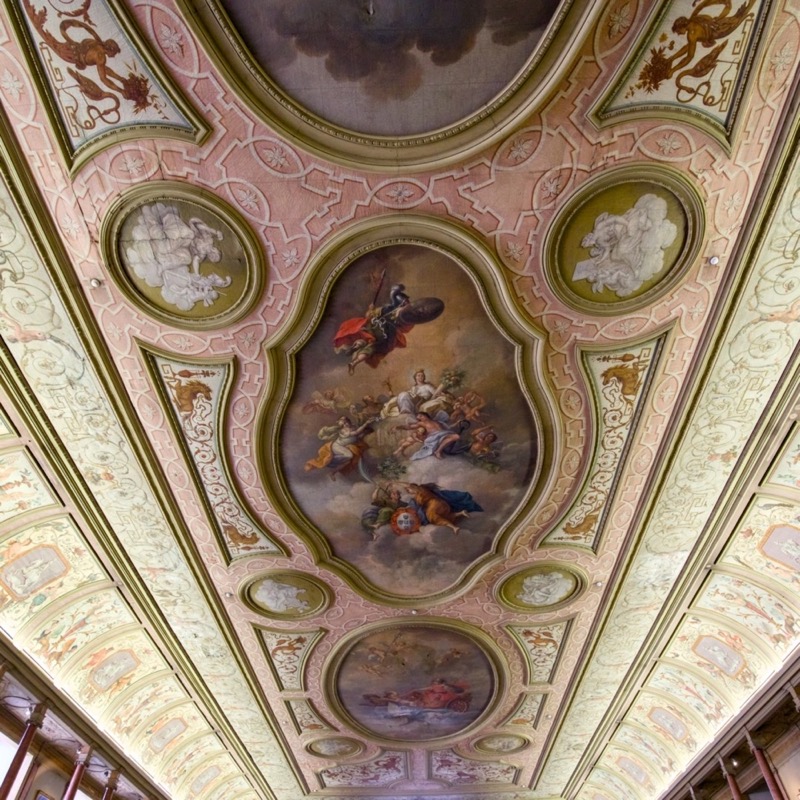
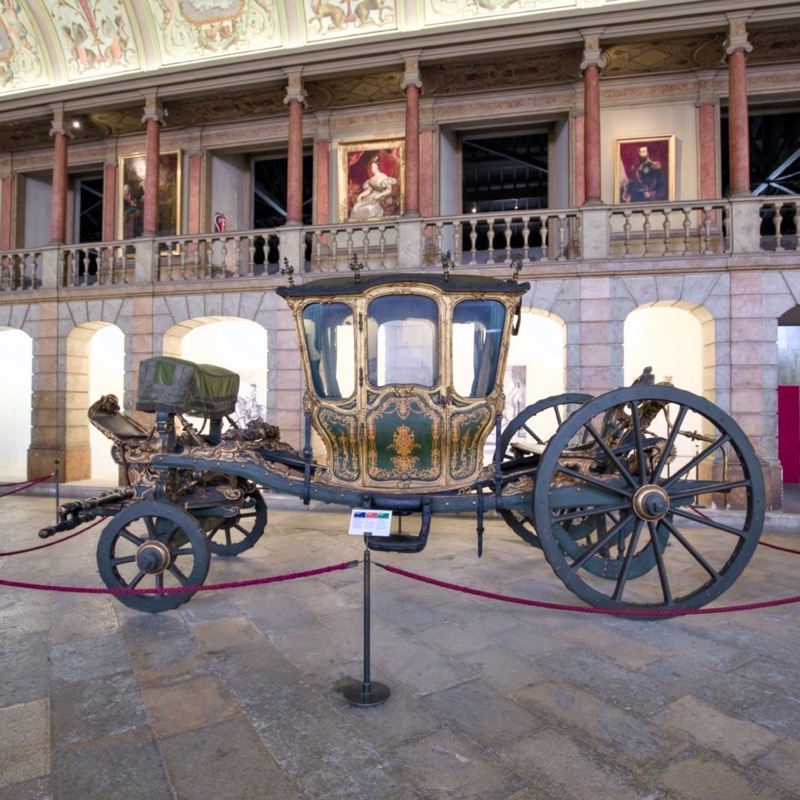
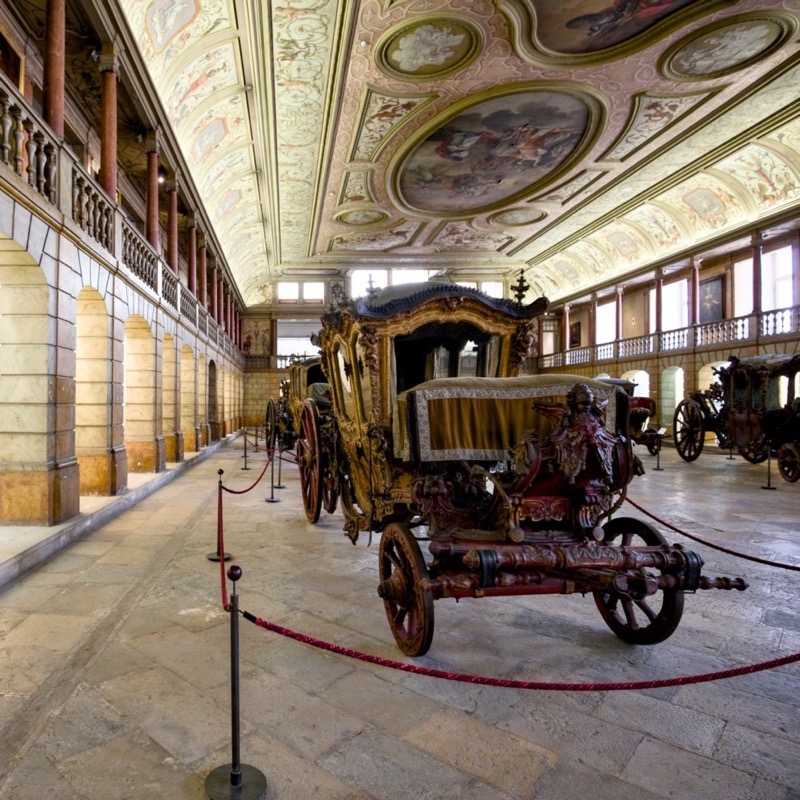
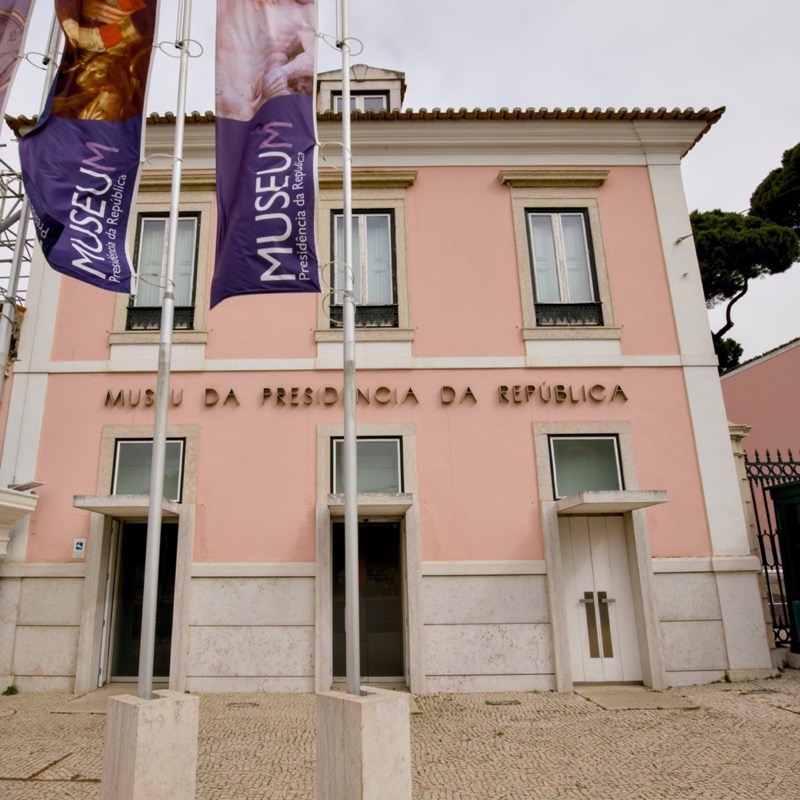
In Praça Afonso de Albuquerque, in Belém, the Royal Riding Hall preserves the equestrian memory of the Portuguese court and the museological birth of the National Coach Museum. The building was constructed in 1787 by the Italian architect Giacomo Azzolini and, in 1905, became the space chosen to house the Royal Coach Museum, inaugurated on the initiative of Queen D. Amélia. For this new function, the former riding hall was adapted by the court architect Rosendo Carvalheira, with the collaboration of the painters José Malhoa and Conceição e Silva. After the establishment of the Republic in 1910, the collection grew with vehicles from the former Royal House and Church property; in 1911, the museum became known as the National Coach Museum. The hall designed by Raul Lino, inaugurated in 1944, expanded the exhibition space. Today, the Royal Riding Hall retains coaches, berlins, portraits of the royal family and cavalry accessories.

Why it matters

The Picadeiro Real, located in the Belém area of Lisbon, is a historic gem dating back to the 18th century. Built during the reign of King John V, the riding arena was part of the Belém Palace, serving as a venue for the royal family's and nobility's equestrian activities. This building witnessed significant historical and social events of the time, including grand festivities and equestrian shows that showcased the power and prestige of the Portuguese court. Over the centuries, the Picadeiro Real underwent various phases of renovation and adaptation, maintaining its importance as a symbol of equestrian tradition and culture in Portugal.

Architecture and history

The Picadeiro Real is a magnificent example of Portuguese Baroque architecture, reflecting the luxury and opulence of King John V's era. The building stands out for its symmetrical and elegant design, with a wide central nave surrounded by upper galleries that provide an excellent view of the main floor. The materials used in its construction, such as lioz stone, give the riding arena a robust and imposing appearance. The high vaulted ceiling, adorned with intricate moldings and frescoes, adds a sense of grandeur to the space. Additionally, the decorative details, such as columns and friezes, are representative of the Baroque style, combining aesthetic beauty with functionality.

More context

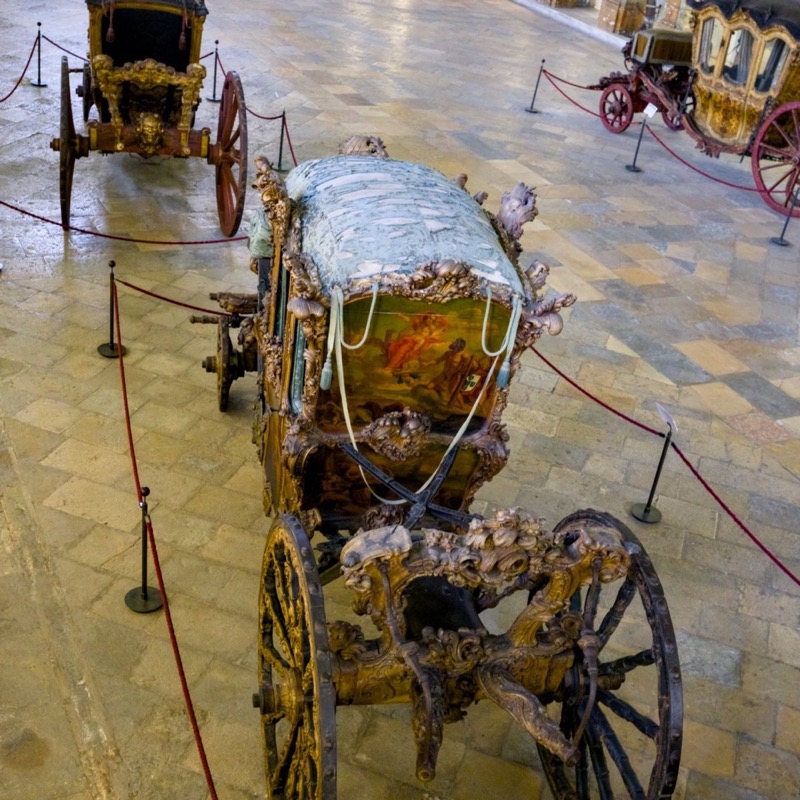
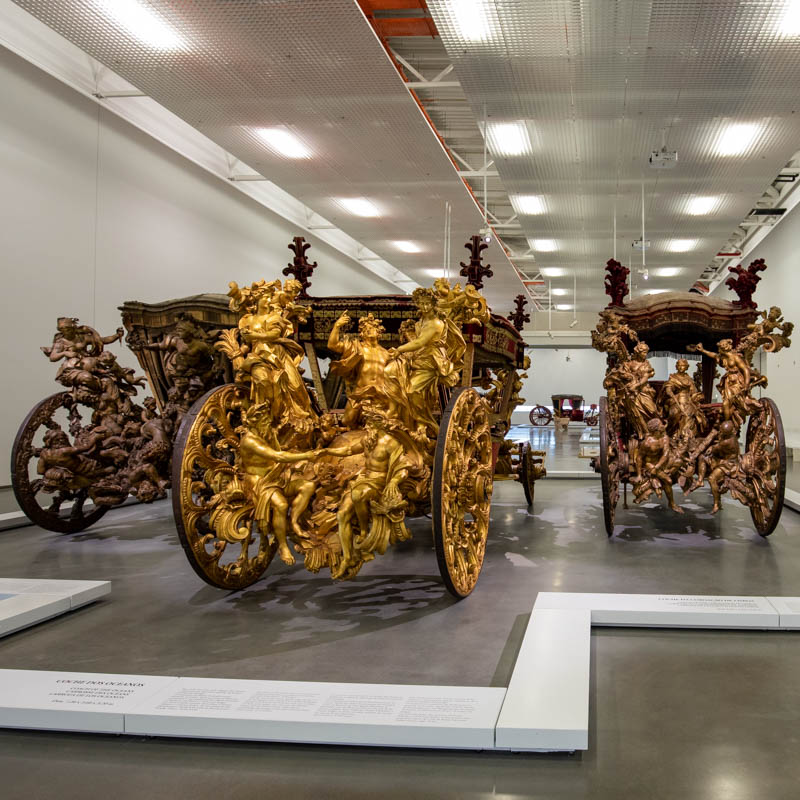
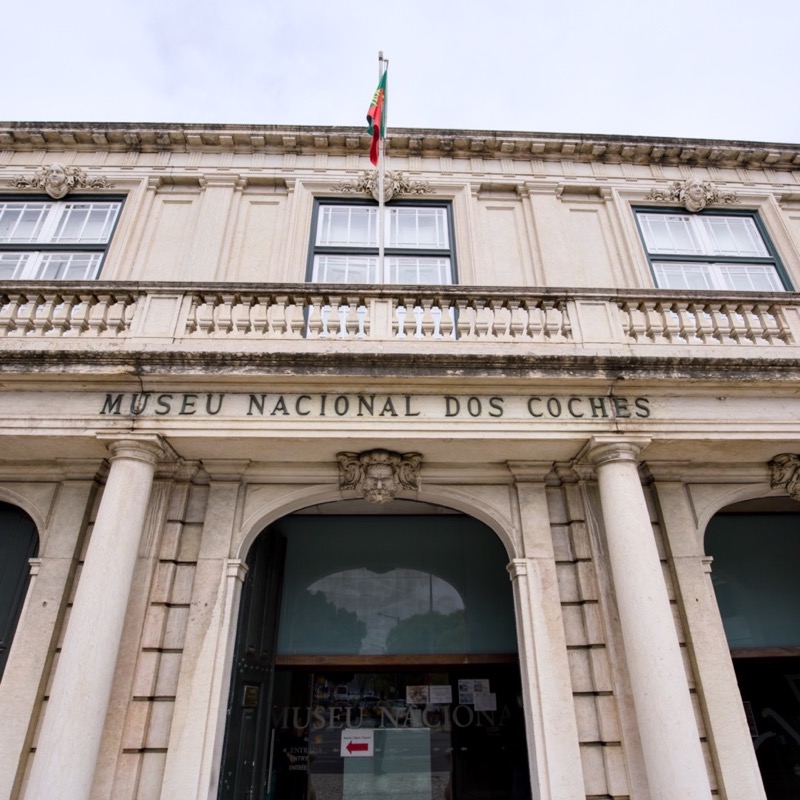
Today, the Picadeiro Real is part of the National Coach Museum, one of the most visited museums in Portugal. Visitors can explore an impressive collection of royal and aristocratic carriages that tell the story of mobility and transportation over the centuries. The museum offers a journey back in time, allowing visitors to closely observe the rich details and sophistication of the vehicles used by the nobility. Besides carriages, the museum also exhibits saddles, harnesses, and other equestrian equipment, providing a comprehensive view of Portuguese equestrian traditions. A visit to the Picadeiro Real is a unique experience that combines history, art, and culture in one of Lisbon's most charming areas.

Gallery

Picadeiro Real 1
Picadeiro Real 2
Picadeiro Real 3
Picadeiro Real 4
Picadeiro Real 5

Nearby places

View all