Lisboa · Lisboa
MAAT: Museu de Arte, Arquitetura e Tecnologia
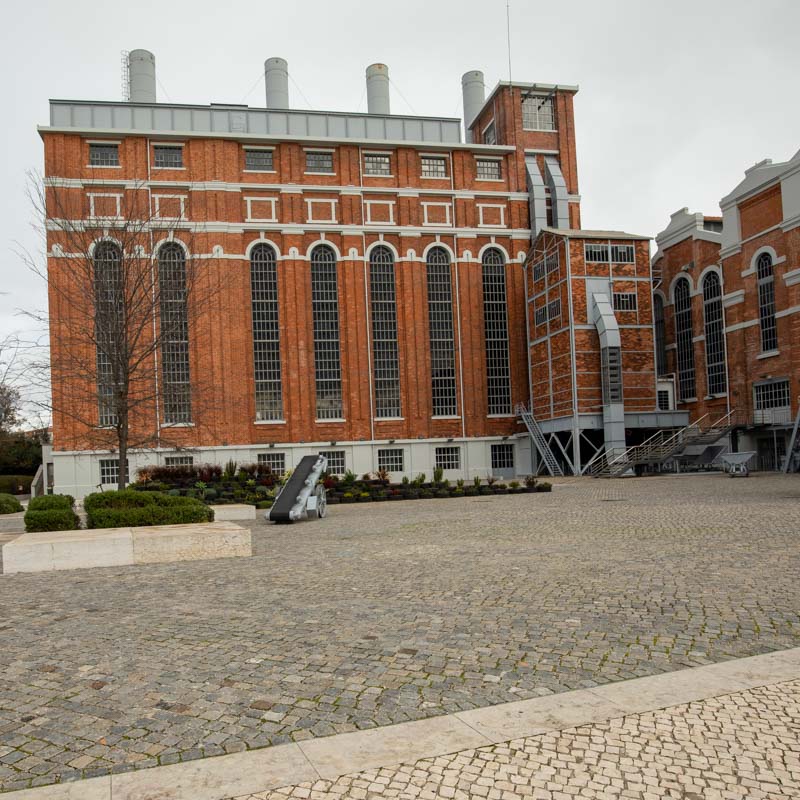
On the banks of the Tagus, in Belém, MAAT shows how the idea of the future can rise from the city’s industrial memory. Opened in 2016, the museum brings together the former Tejo Power Station, a thermoelectric plant built in 1908 that supplied Lisbon with electricity for decades, and MAAT Gallery, designed by Amanda Levete to open the building to the river and to the movement of pedestrians. Between the preserved machinery of The Electricity Factory and the temporary exhibitions of art, architecture and technology, the visitor encounters two very different modernities: that of the energy that powered urban expansion, and that of today’s questions about how we live, build and imagine the future. The accessible roof, conceived as an extension of public space, strengthens this rare idea of a museum that is crossed through as much as it is visited. Along the same route, the brick of the power station and the low profile of the gallery seem to speak to one another about light, labour and transformation.
Why it matters
On Belém’s riverfront, MAAT brings together two histories of Lisbon: industrial energy production and contemporary artistic creation. The museum opened in October 2016 and connects three areas, art, architecture and technology, on a campus formed by MAAT Gallery, MAAT Central and the garden by the Tagus. Central Tejo gives the ensemble historical depth. Built in 1908, it produced electricity between 1909 and 1972, although from 1951 it operated mainly as a reserve power station. In 1975 it left the production system and gained a new cultural life: it opened to the public in 1990 as the Electricity Museum and reopened in 2006 after restoration works. MAAT’s interest lies precisely in this meeting between industrial heritage, contemporary debate and urban landscape.
Architecture and history
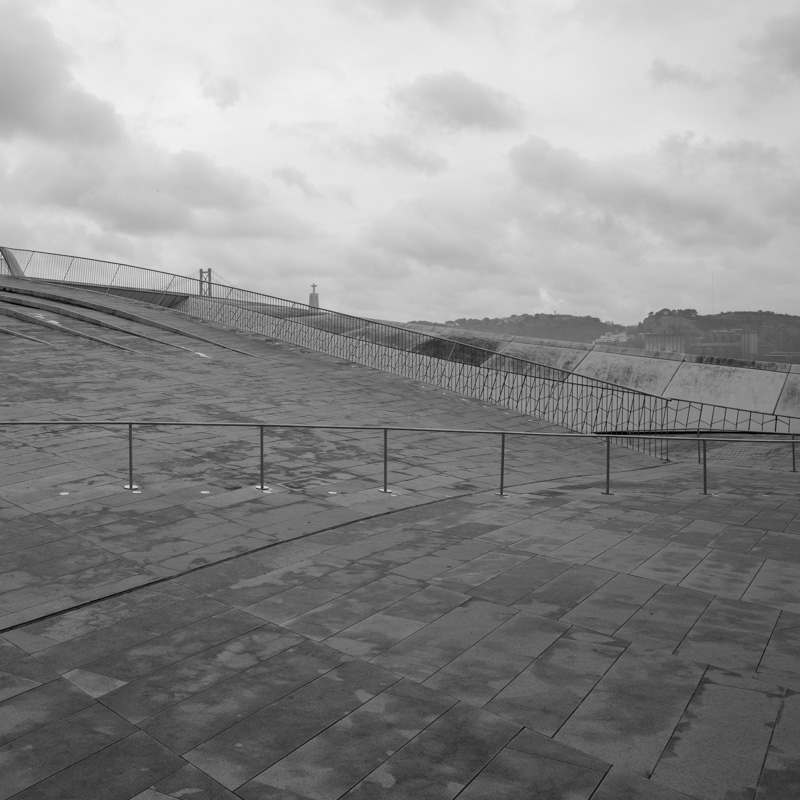
The undulating roof of MAAT Gallery brings the building close to the movement of the riverbank and turns part of the architecture into public space. Designed by Amanda Levete’s studio AL_A, the building opened in 2016 beside the former Central Tejo. Its low design allows visitors to walk over, under and through the construction, linking the riverfront to the city by a pedestrian bridge. The ceramic façade, made up of thousands of three-dimensional pieces, reflects the light of the Tagus and gives the building a texture that changes throughout the day. Inside, the exhibition spaces are arranged in galleries of different scales, including the Oval Gallery. Beside it, Central Tejo offers a contrast of iron, red brick, glass and large windows, materials connected with industrial architecture from the first half of the 20th century.
More context
The former factory is the best point from which to understand the historical depth of the site. In the permanent exhibition The Electricity Factory, notice the original machinery, the boilers, the pipes and the scale of the technical rooms: these elements show how electricity moved from an invisible process to a museum experience. Outside Central Tejo, notice the rhythm of the large windows and the expressive use of red brick. Then compare that industrial presence with MAAT Gallery, where the accessible roof, the shade created by the projecting façade and the direct relationship with the river make the architecture part of the route. The garden helps link the two buildings and soften the passage between the avenue, the railway line and the Tagus. The ensemble should be seen as a conversation between energy, city, art and landscape.
Gallery