Lisboa · Lisboa
Museu da GNR
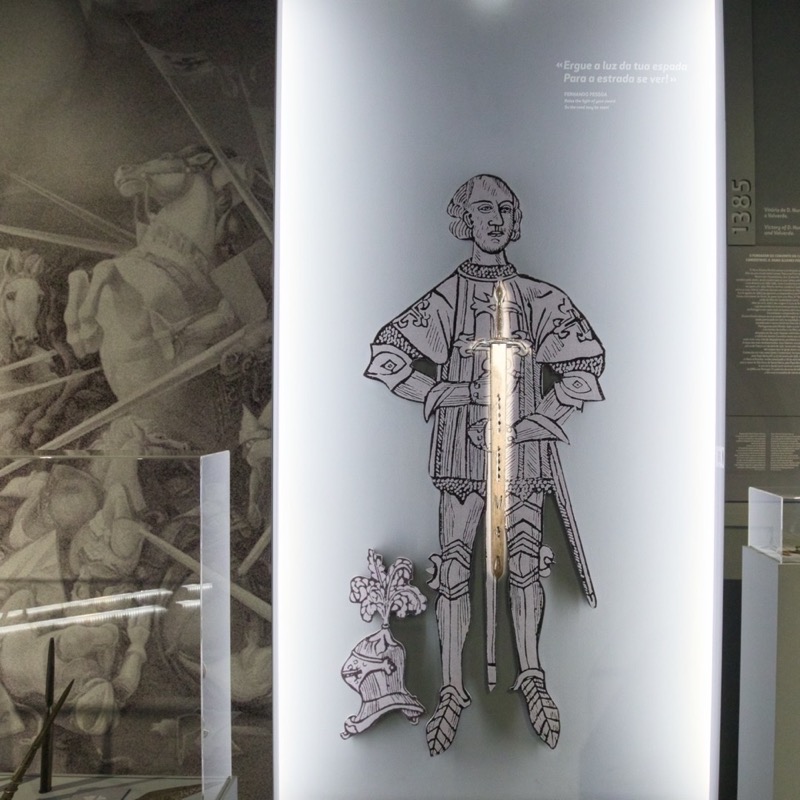
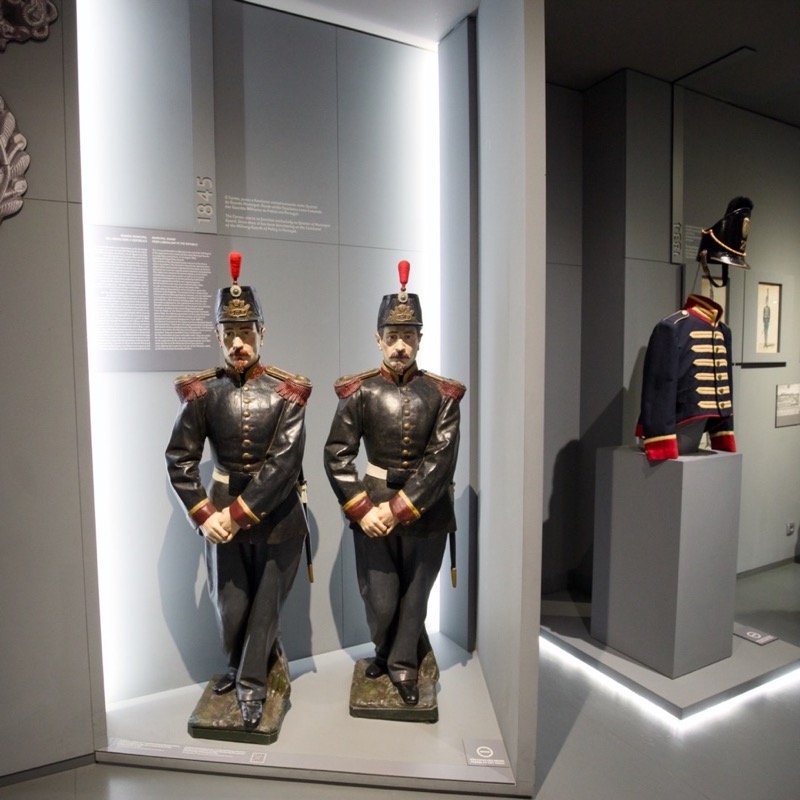
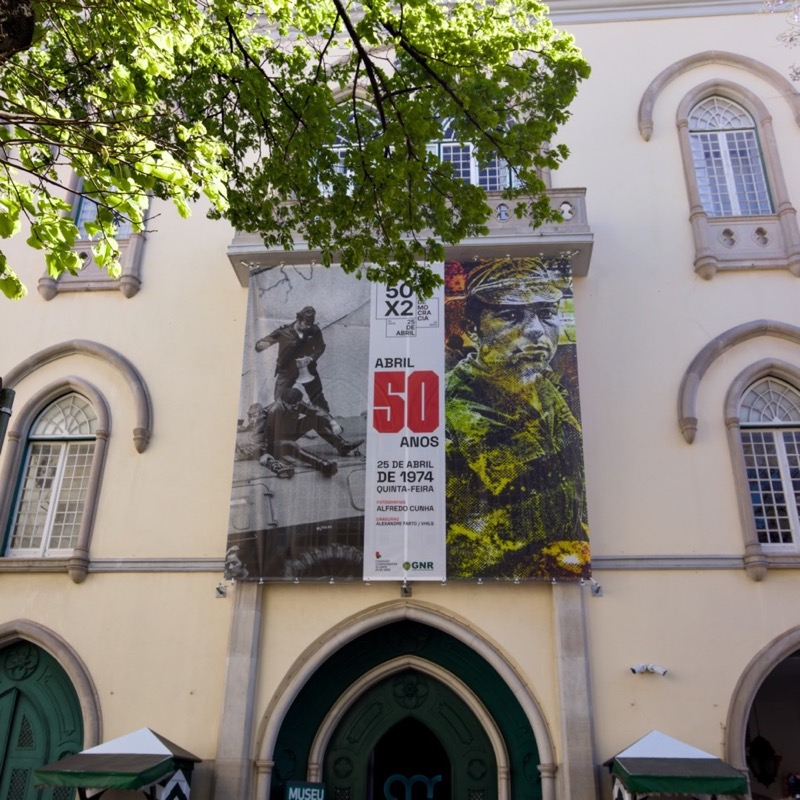
Housed on the ground floor of the Carmo Barracks, in Lisbon, the Museum of the Guarda Nacional Republicana occupies a place where institutional history intersects with the country’s political history. The barracks correspond to the former Carmo Convent, completed in 1423, and have been the headquarters of the military guard forces since 1845. It was also in this building that, on 25 April 1974, the transfer of power from Marcelo Caetano to General António de Spínola was completed. Prepared from 2005 onwards, the museum had its first section inaugurated in 2014 and opened regularly to the public in 2015. The exhibition follows a chronological route: it begins with D. Nuno Álvares Pereira and Carmo, moves through the former police guards and reaches the creation of the GNR, decreed in 1911. Objects, documents, uniforms and the recreation of a rural station show how security, memory and public service are inscribed in Portuguese everyday life.
Why it matters
The Museum of the National Republican Guard (GNR), located in the historic Largo do Carmo in Lisbon, is housed in the former Carmo Convent building. This convent, founded in 1389 by Nuno Álvares Pereira, is a significant symbol in Portuguese history, particularly due to its role in the Carnation Revolution of 1974. It was here that the Estado Novo regime ended when Prime Minister Marcello Caetano surrendered to General António de Spínola, marking the beginning of the transition to democracy in Portugal. This crucial event in the country's modern history is one of the museum's main focuses.
Architecture and history
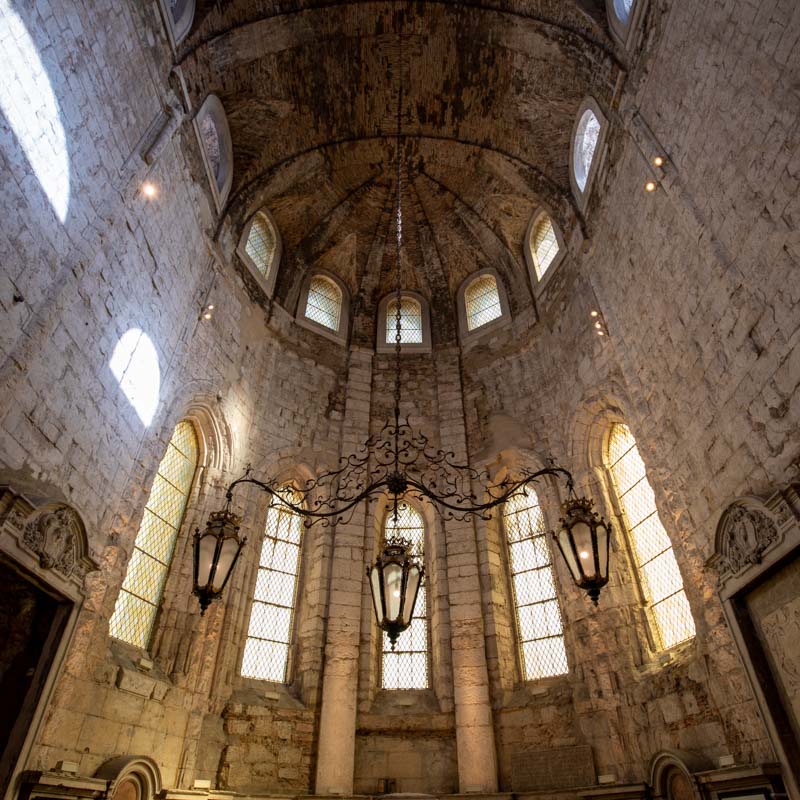
The museum building is part of the ruins of the Carmo Convent, which was severely damaged by the 1755 earthquake. The imposing Gothic arches of the convent, still standing today, contrast with the restored areas that house the museum's exhibitions. The blend of medieval architecture and modern elements added over the centuries creates a unique atmosphere that reflects the passage of time and the resilience of history. Inside, visitors can explore different themed rooms that cover the evolution of the GNR, from its founding in 1911 to the present day, through documents, uniforms, weaponry, and other historical artefacts.
More context
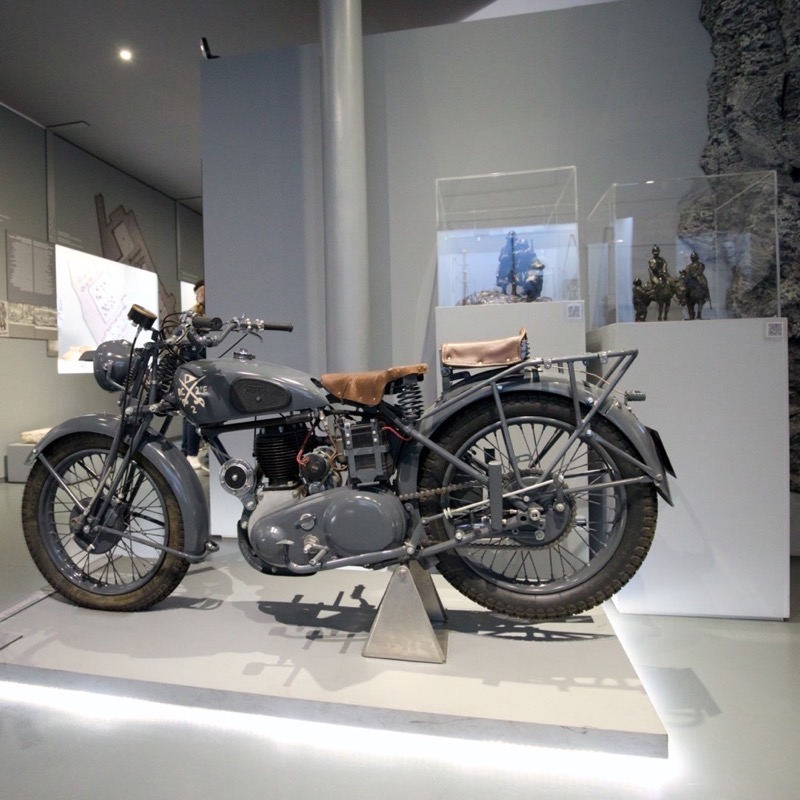
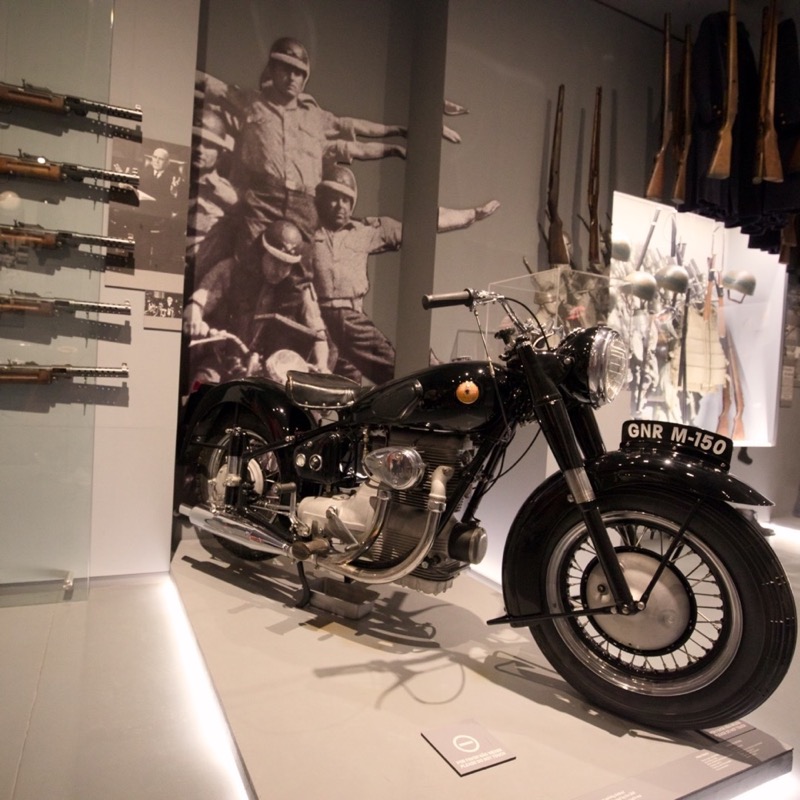
When visiting the GNR Museum, visitors are invited to delve into the history of the institution and the events that shaped Portugal in the 20th century. Among the most notable exhibitions are the recreation of the room where Marcello Caetano surrendered in 1974, complete with original furniture, and the display of historic vehicles used by the GNR. The museum also offers insight into the GNR's role in various international peace and security missions, highlighting its contribution to global stability. In addition to the permanent exhibitions, the museum hosts temporary events and guided tours that enrich the experience and deepen the understanding of Portugal's recent history.
Gallery