Museu da Marioneta

Lisboa · Lisboa

Museu da Marioneta

MuseumXVIIIPalace Architecture
Rua da Esperança 146, 1200-660 Lisboa4.6 Rating · 1,90960 min

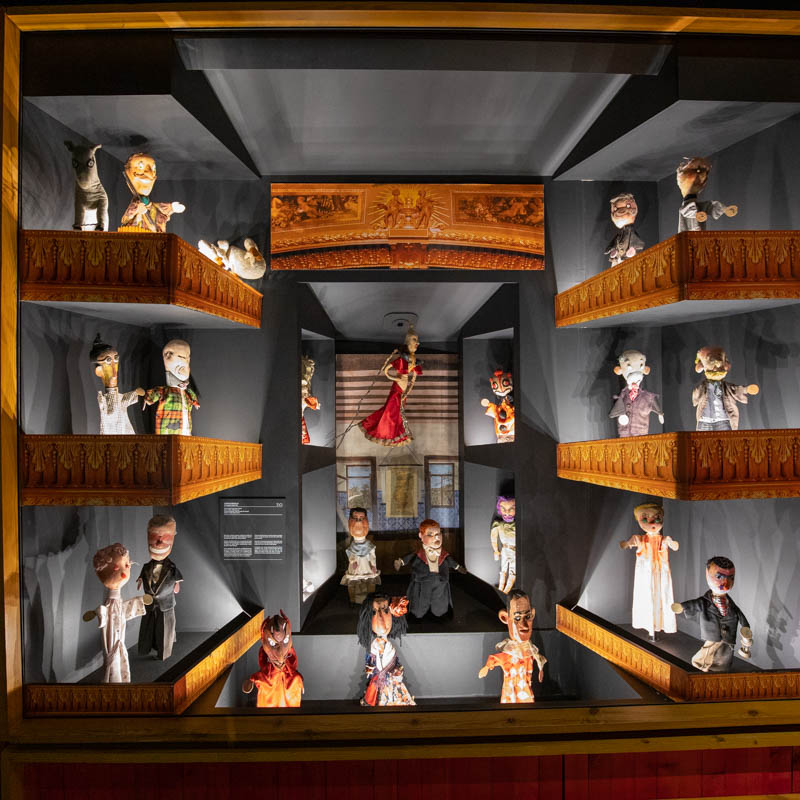
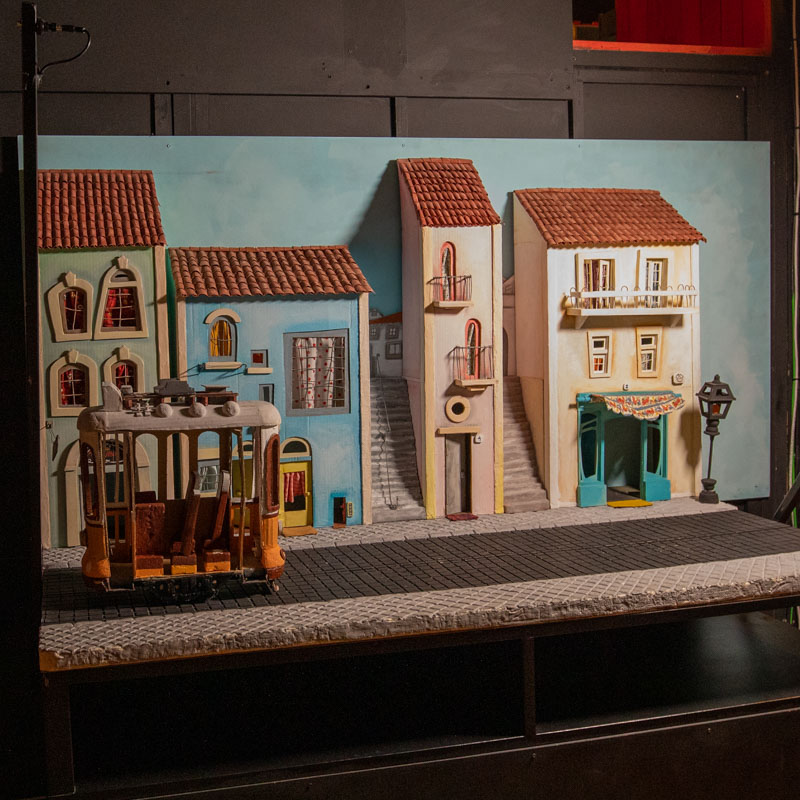
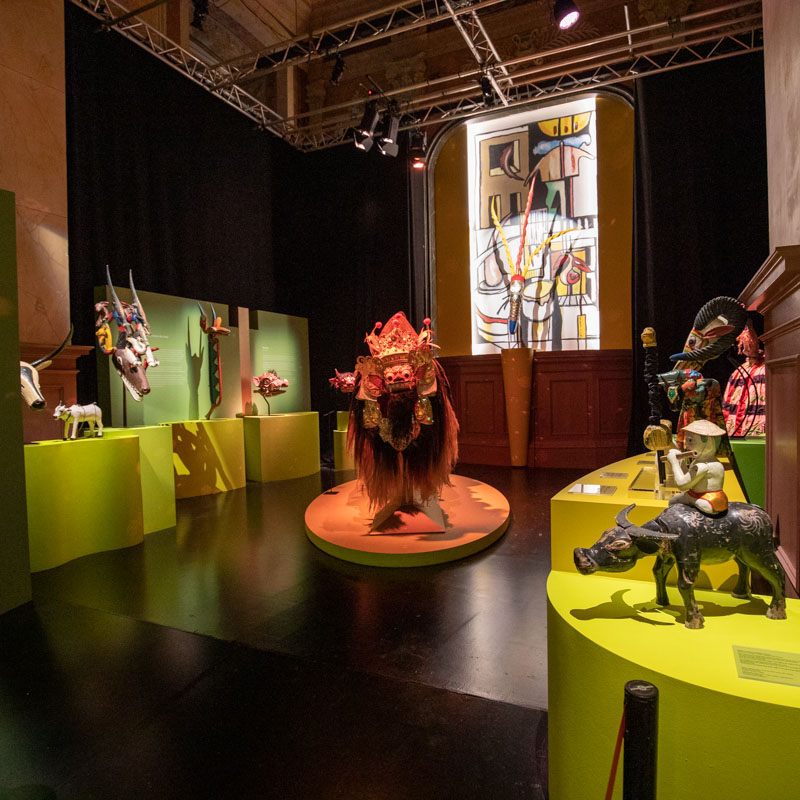
In the Convento das Bernardas, in Madragoa, the Puppet Museum shows how a small object can hold an entire world. Founded in 1987, it was the first museum in Portugal entirely devoted to puppetry and, since 2001, it has been housed in this former seventeenth-century convent, almost destroyed by the 1755 earthquake and later rebuilt. The collection brings together more than 3,000 pieces across different places, techniques and periods, yet the heart of the visit beats most strongly in the Portuguese traditions, from the Robertos to the Bonecos de Santo Aleixo. Along the way appear shadow puppets, string puppets, rod puppets, African and Asian masks, and even a section linked to animation cinema. It is also worth slowing down to feel the building itself: the cloister, the adapted former church and the atmosphere suspended between theatre and retreat. It is a museum that speaks of childhood, certainly, but also of memory, artifice and the old human desire to give soul to things.

Why it matters

The Puppet Museum was created in 1987 by the Companhia de Marionetas de São Lourenço and opened in its present home in 2001. The choice of the Convento das Bernardas gave the project unusual historical depth, because the building began as a Cistercian convent for women, founded in 1653 on the initiative of King João IV. The 1755 earthquake destroyed much of the complex and forced a major rebuilding campaign during the second half of the eighteenth century. After the suppression of the religious orders in 1834, the former convent took on many different uses. It served as a school, a cinema theatre, a commercial space and, for many years, popular housing. When Lisbon City Council acquired it in 1997, the building was in a very poor state. Its recovery turned it into a mixed urban complex, with housing, neighbourhood facilities and the museum. Since then, the Puppet Museum has established itself as the first museum space in Portugal entirely devoted to the history, preservation and public interpretation of puppetry, with special attention to Portuguese tradition and to the dialogue between heritage and contemporary creation.

Architecture and history

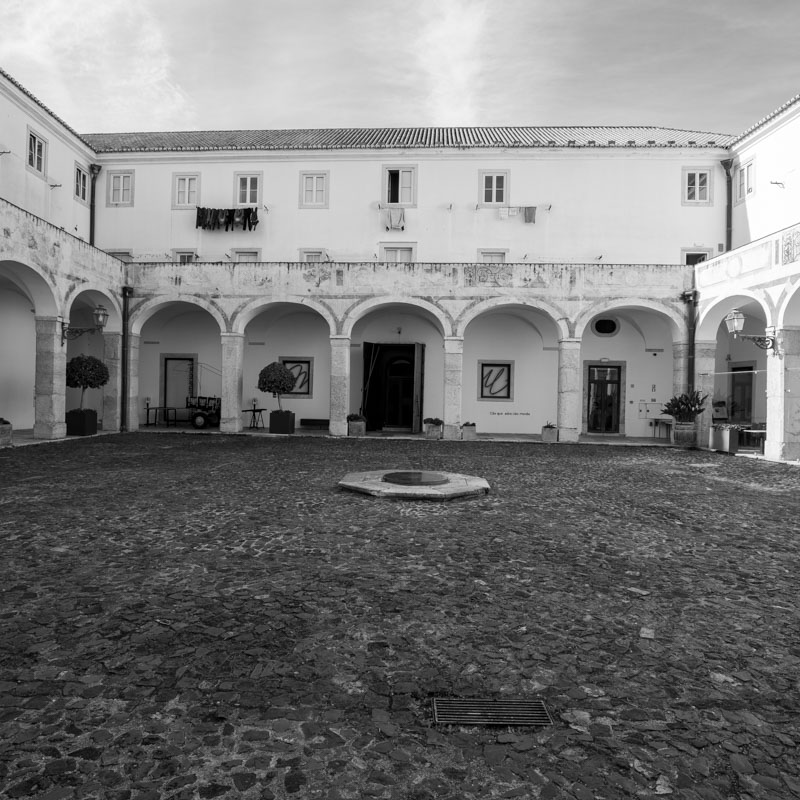
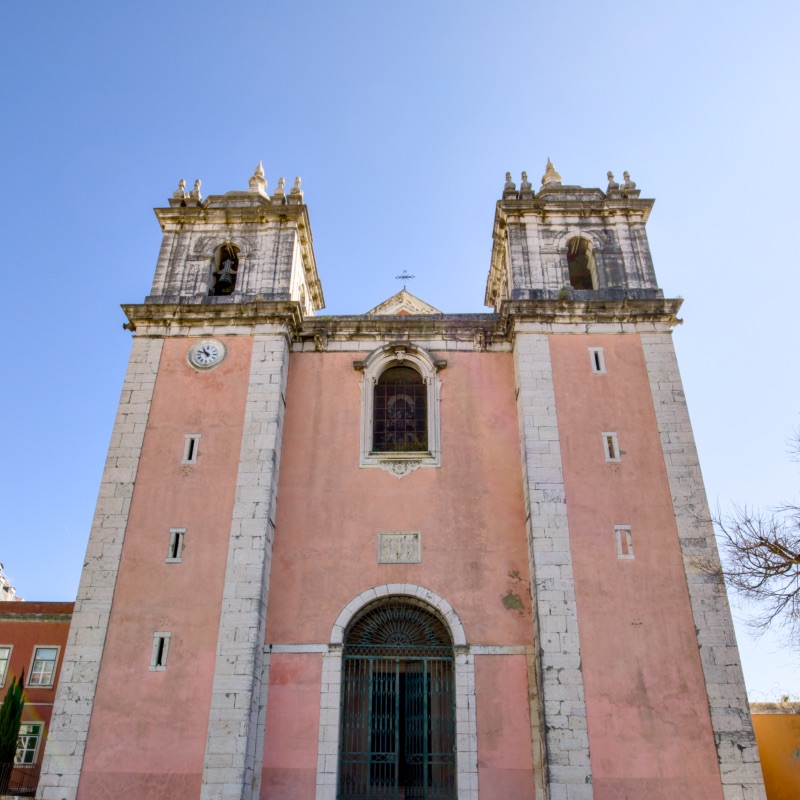
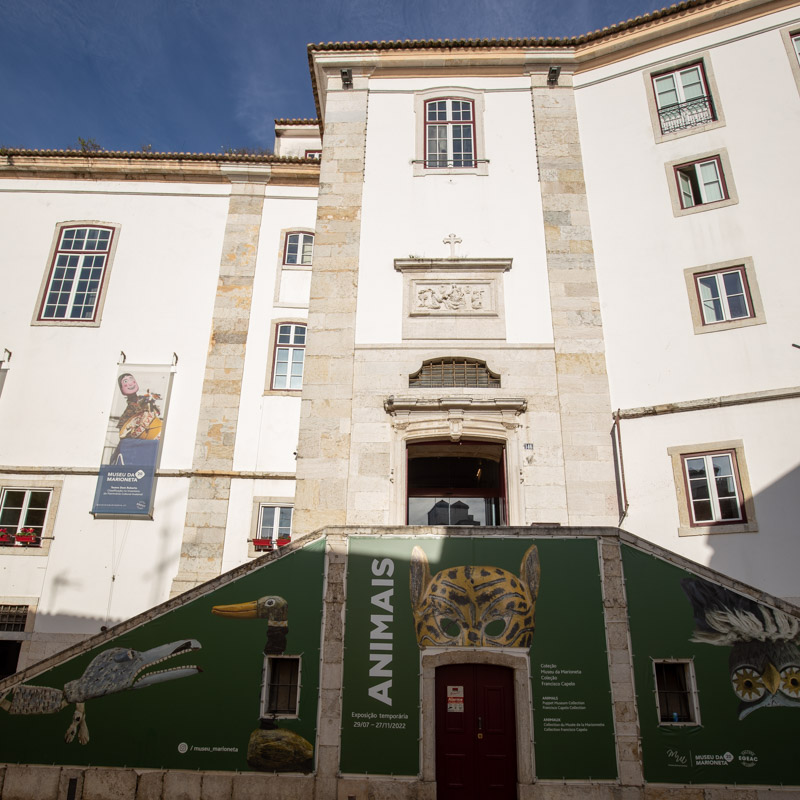
Architecturally, the museum stands out less for a new formal gesture than for the way it occupies and reveals the former Convento das Bernardas. Rebuilt after 1755 to a design by Giacomo Azzolini, the building adapts to the steep slope of the site, which is why the church and cloister stand several storeys above street level. That relationship with the topography explains the long exterior staircase leading to the entrance and helps give the complex its very distinctive presence in Madragoa. Arranged around an irregular cloister, the former convent preserves the projecting church façade, a simple portal topped by sculptural relief, and traces of decorative painting in the upper arcades. Inside, former convent rooms, including the library and chapter areas, were turned into galleries, while the former church now serves as a chapel auditorium and temporary exhibition space. The architecture therefore preserves its monastic memory while now supporting a very active cultural function.

More context

During a visit, it is worth beginning with the long-term exhibition route, because it shows how the collection connects Portugal with other geographies. The holdings bring together more than 3,000 pieces, of which more than 500 are on display, including shadow puppets, glove puppets, string puppets, rod puppets, pole puppets, mixed techniques and stop-motion figures. The Portuguese section is especially important. There you find the century-old Bonecos de Santo Aleixo, the Robertos and groups linked to the renewal of puppetry in the 1970s and 1980s, with names such as Helena Vaz, Ildeberto Gama, Dalton Assef and José Carlos Barros. The collection also opens onto twentieth-century European puppets, examples from the East, especially China, India and Indonesia, and African figures linked to the Sogobó ritual from Mali. It is also worth paying attention to the former chapel, the cloister and the documentation centre, because they show that the museum is not only a place of display. It is also a space for study, performance and the transmission of knowledge.

Gallery

Museu da Marioneta 1
Museu da Marioneta 2
Museu da Marioneta 3
Museu da Marioneta 4
Museu da Marioneta 5

Nearby places

View all