Lisboa · Lisboa
Museu da Saúde
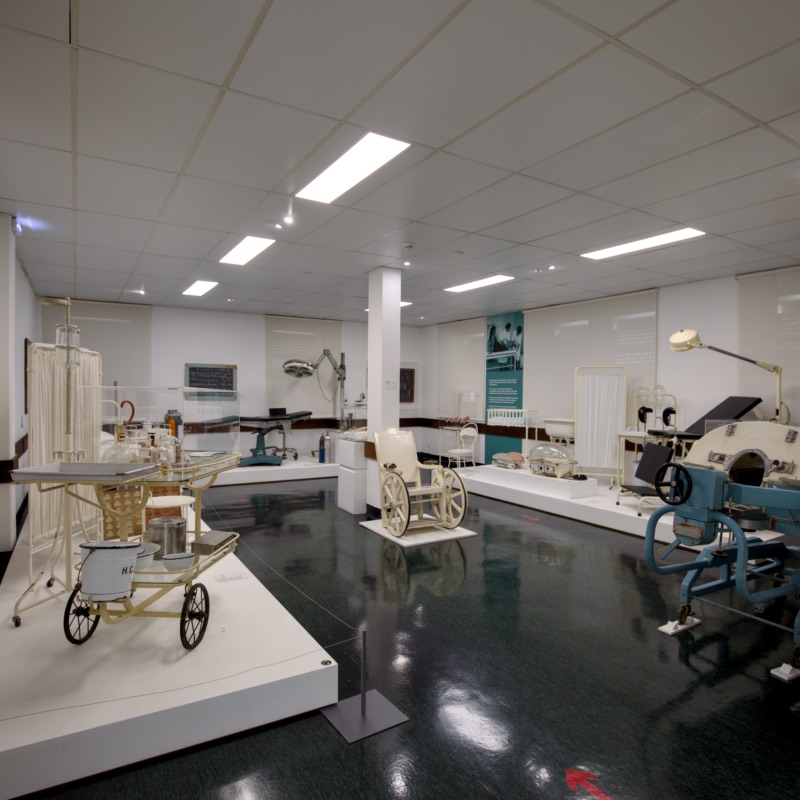
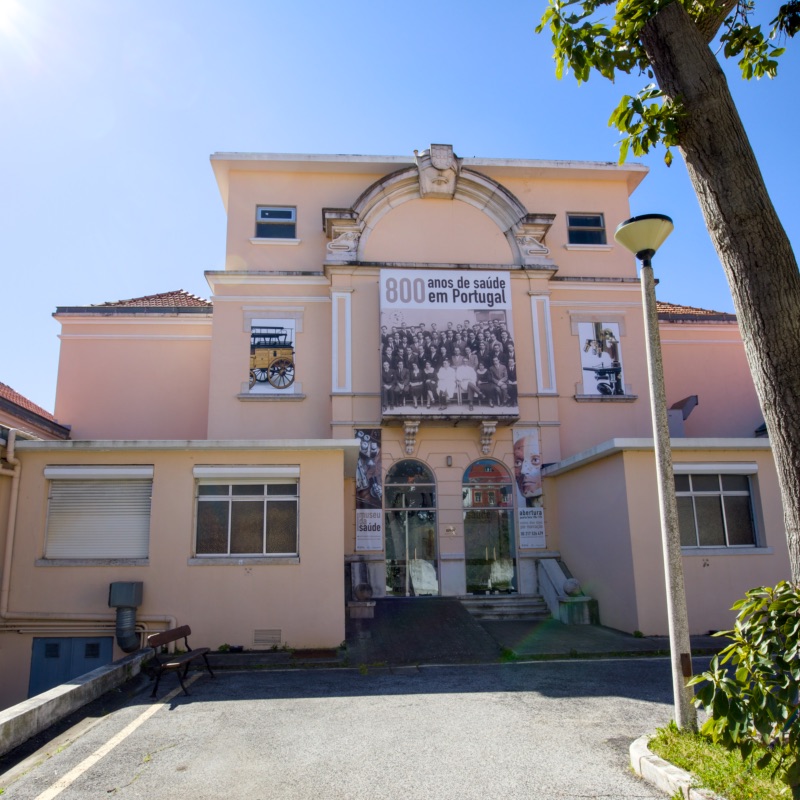
The Health Museum, in Lisbon, belongs to the National Institute of Health Doutor Ricardo Jorge and gives museological form to the memory of health in Portugal. Created by the Ministry of Health in 2007, it has been presented since April 2017 in the former Neurosurgery Service of Santo António dos Capuchos Hospital, with the exhibition “800 Years of Health in Portugal”. The route follows the history of health from the foundation of the nation to the creation of the National Health Service, bringing together around 400 pieces from its collections and from partner institutions. The narrative moves through the first medieval services, royal hospitals, pharmacopoeia, health policies, technical and scientific innovations and the fight against endemic diseases. The museum also preserves collections linked to tuberculosis, malaria, urology, psychology and anaesthesia, showing how science, care and heritage intersect in collective life.
Why it matters
The Museu da Saúde was created in 2007 within the Ministry of Health and is part of the National Institute of Health Doutor Ricardo Jorge, which is responsible for its management and promotion. Its mission focuses on preserving, cataloguing, studying and disseminating Portugal’s cultural heritage related to health, bringing together objects of historical, scientific and artistic value. From the outset, the project was conceived along two complementary lines: a physical space for exhibiting and interpreting the collections, and a virtual dimension that broadens access to the holdings and research. Among the groups studied in greater depth are collections devoted to tuberculosis, malaria, urology, psychology and medicine, showing how the history of health in Portugal is built both through institutions and through the objects that document practices, diseases and technical advances. Since April 2017, the museum has been presented in the former Neurosurgery Service of Hospital de Santo António dos Capuchos through the permanent exhibition “800 Years of Health in Portugal”, which traces a chronological route from the foundation of the Portuguese nation to the present day. In 2019, its integration into the Portuguese Museum Network confirmed the technical recognition of the institution’s work.
Architecture and history
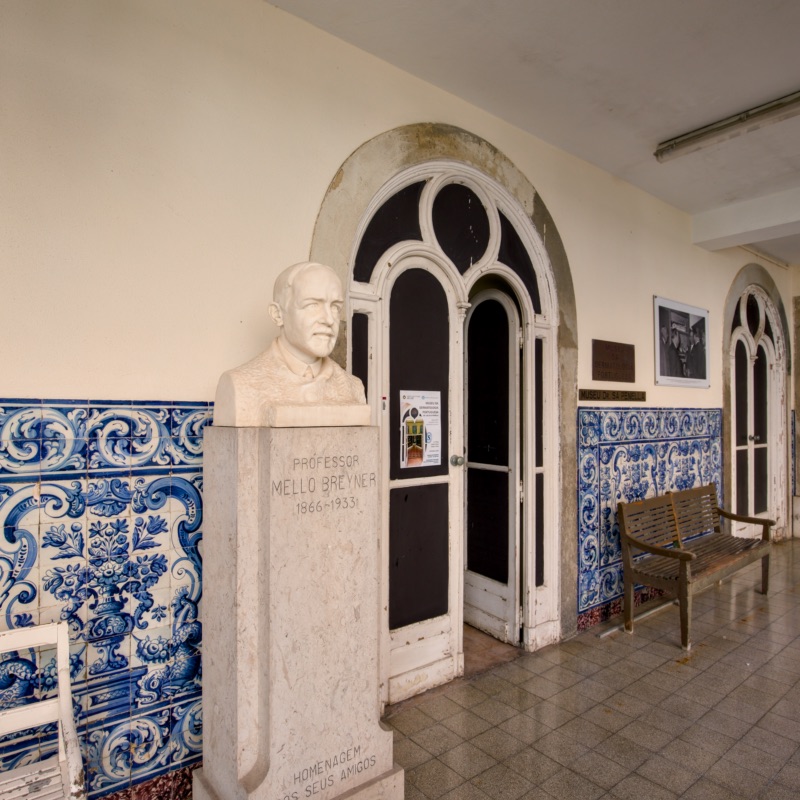
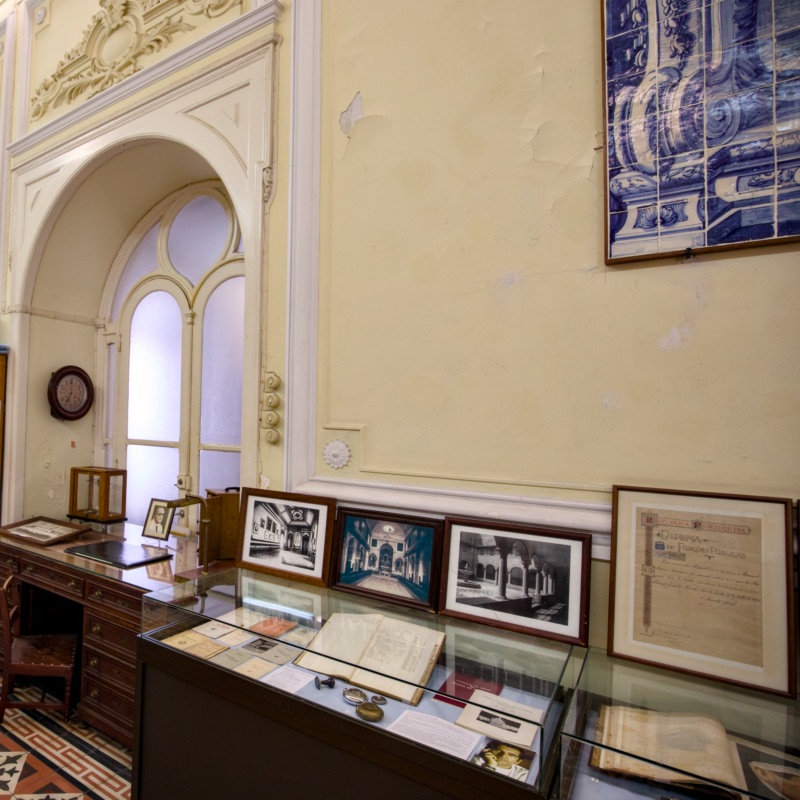
The architectural identity of the Museu da Saúde is closely bound to the historic complex of Hospital de Santo António dos Capuchos, installed in a former Franciscan convent. The foundation stone of the Convent of Santo António dos Capuchos was laid in 1570 and the building was inaugurated in 1579. Important features from that period still survive, including a hall church with Mannerist lines and a small cloistered courtyard around which the convent rooms were organised. In the eighteenth century, the complex received significant tiled decoration, with panels linked to the life of Saint Anthony and Franciscan devotion, as well as decorative tile revetments in the cloisters. Although affected by the 1755 earthquake, the complex was restored only a few years later. Throughout the nineteenth and twentieth centuries, the site was successively adapted to new uses, first as the Lisbon Asylum for Beggars and, from 1928 onwards, as a hospital, gaining new buildings and incorporating Palácio Mello, notable for its grand staircase and eighteenth-century tile panels. The museum now occupies one of these historical layers, in the former hospital neurosurgery department, and is distinguished precisely by the coexistence of convent architecture, healthcare adaptations and a contemporary museum narrative.
More context
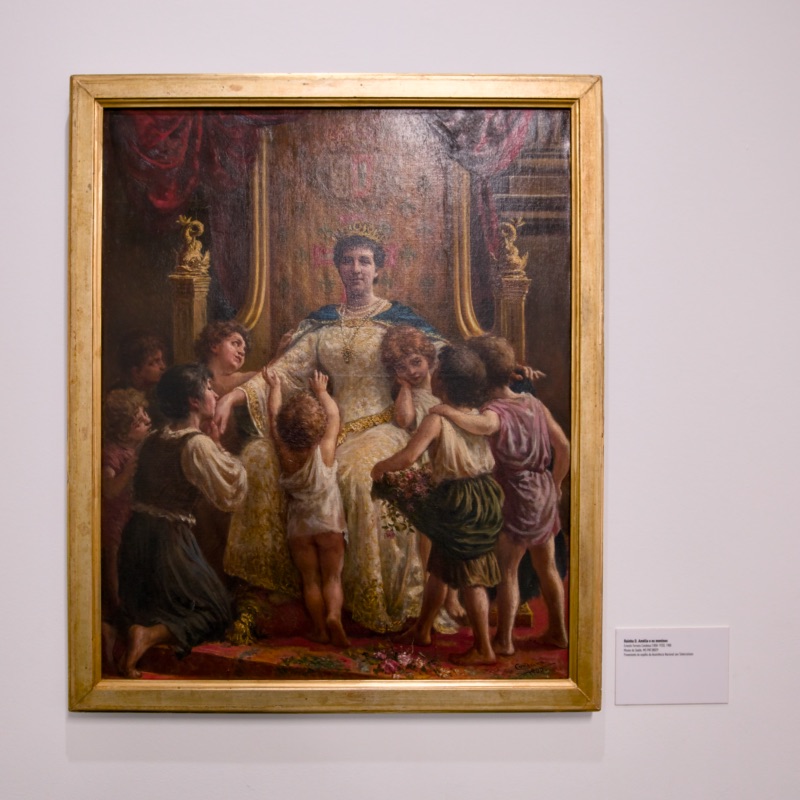
The central element of the visit is the exhibition “800 Years of Health in Portugal”, designed as a chronological journey that helps visitors understand the development of healthcare, sanitary policies and medical science in the country. Among its most relevant sections are those devoted to the first medieval health services, the royal hospitals of the late fifteenth century, the progress of pharmacopoeia and medicine in the early modern period, the major technical and scientific innovations, and the fight against endemic diseases in the twentieth century. The exhibition brings together around 400 pieces from the Museu da Saúde itself and from partner institutions, giving it considerable thematic and material variety. Beyond the exhibition content, it is worth observing, whenever included in the route, the heritage setting of the Capuchos complex: the cloister, the tiles of the former convent, the old church and the so-called Clock Courtyard, where there is a sundial dated 1586, considered the oldest dated example of its kind known in Portugal. In this way, the visit is not limited to the museum as a collection; it extends to a historic ensemble where religious memory, hospital care and the history of public health intersect.
Gallery