Museu de Lisboa Palácio Pimenta

Lisboa · Lisboa

Museu de Lisboa Palácio Pimenta

MuseumXVIIIPalace Architecture
Campo Grande 245, 1700-091 Lisboa4.6 Rating · 2,02170 min

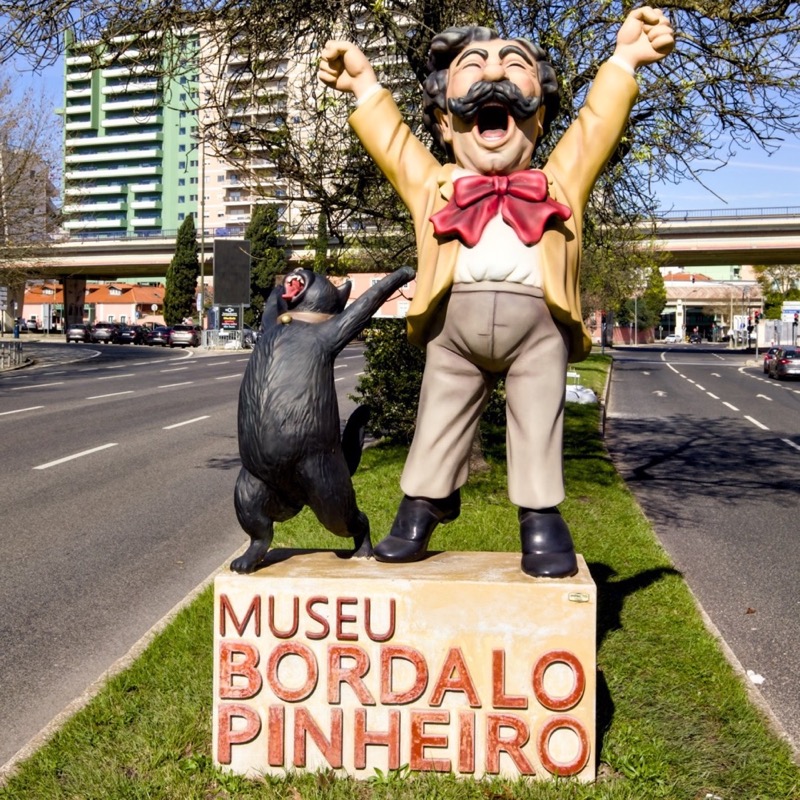
In Campo Grande, Palácio Pimenta reveals Lisbon from within a place that is itself already part of the city’s history. Built between 1744 and 1748 as an eighteenth-century summer residence, probably on the initiative of King João V, it still preserves the memory of the old estate and of the aristocratic taste for gardens and retreat beyond the centre. Since the building was adapted into a museum in the 1970s, it has become the headquarters of the Museum of Lisbon, with a journey that follows the city from prehistory and Roman times to Baroque, Pombaline and contemporary Lisbon. Among archaeology, painting, cartography, tiles and the great model of Lisbon before the 1755 earthquake, visitors sense that the city cannot be told through a single monument, but through successive layers of life, destruction and reinvention. Outside, the gardens extend that reading with an unexpected calm.

Why it matters

Palácio Pimenta helps tell the story of Lisbon from within a former summer residence in Campo Grande. Built in the first half of the 18th century, it was linked to a noble estate, at a time when this area still combined rural paths, gardens and properties set apart from the urban centre. The name by which it is known today came from Manuel Joaquim Pimenta, one of its owners. In 1962, Lisbon City Council acquired the building and chose it to house the former City Museum, which had operated in Palácio da Mitra since 1942. The new installation opened in 1979. Today, as the main venue of the Museu de Lisboa, Palácio Pimenta presents the city’s development from prehistoric occupation to the late 20th century, bringing together Lisbon’s urban history and the memory of a noble residence.

Architecture and history

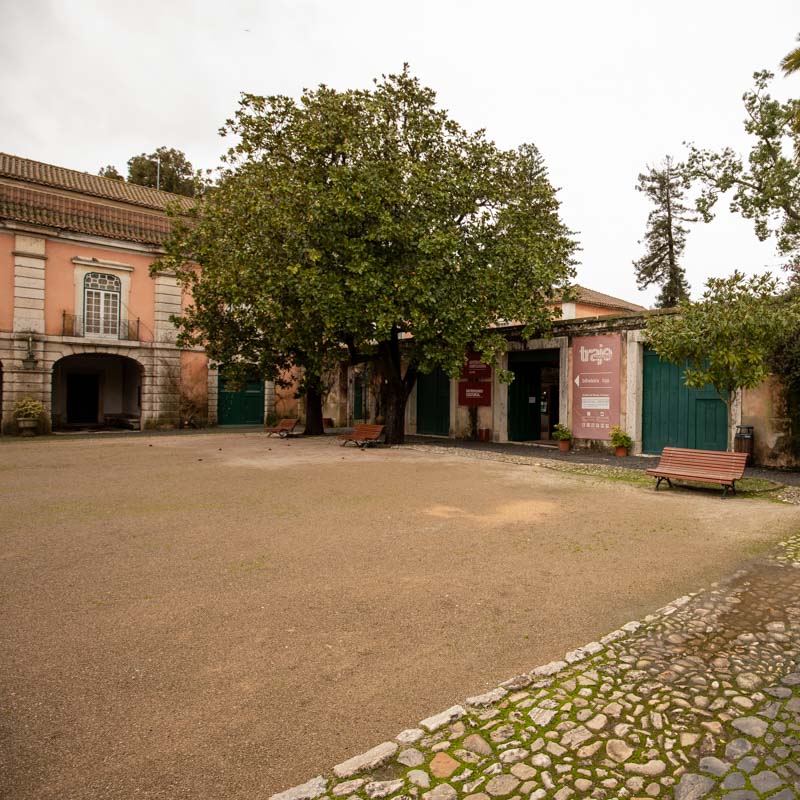
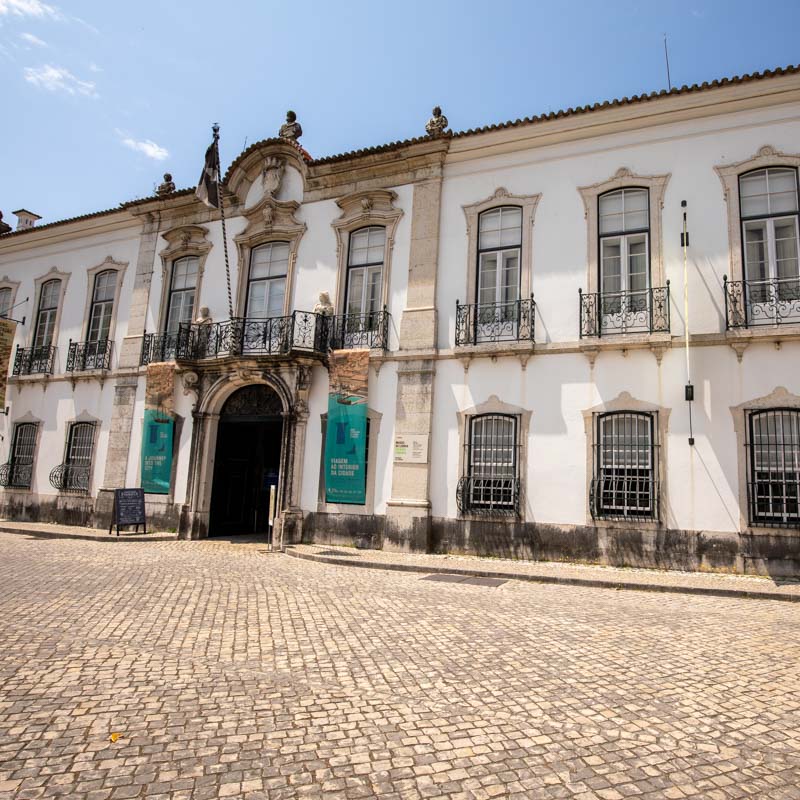
The U-shaped plan organises the main façade, the rear wings and the service courtyard. This layout helps visitors understand the former life of the house: around the courtyard were support and circulation areas, while the three-flight staircase led to the noble floor. The façade is restrained, with a simple portal, balcony windows and a mansard floor. Inside, the tiles give the palace its identity. The dadoes and panels were produced by Lisbon workshops in the 18th century and show hunting, fishing, landscapes, mythological scenes and decorative motifs. The surrounding estate, now reduced in size, preserves the idea of a house connected to garden, orchard and woodland. This relationship between building, courtyard and green space helps explain Palácio Pimenta as a leisure residence, and not only as a museum.

More context

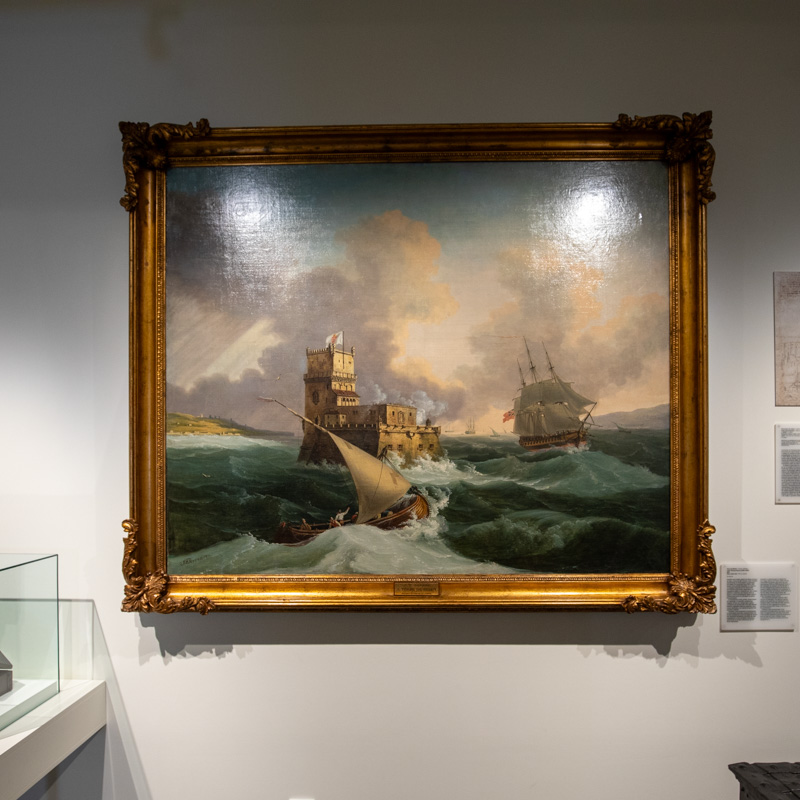
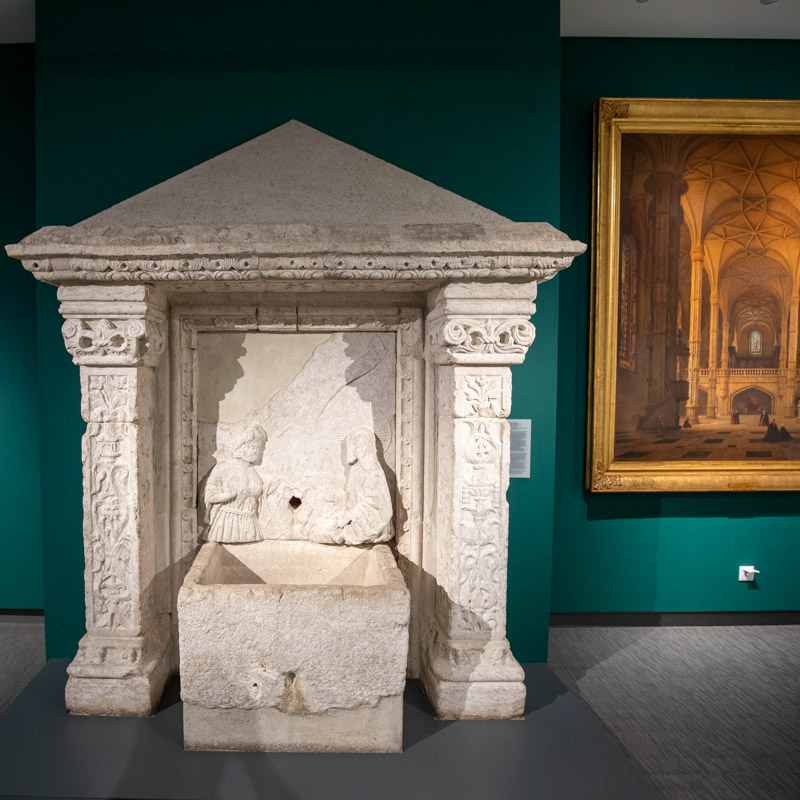
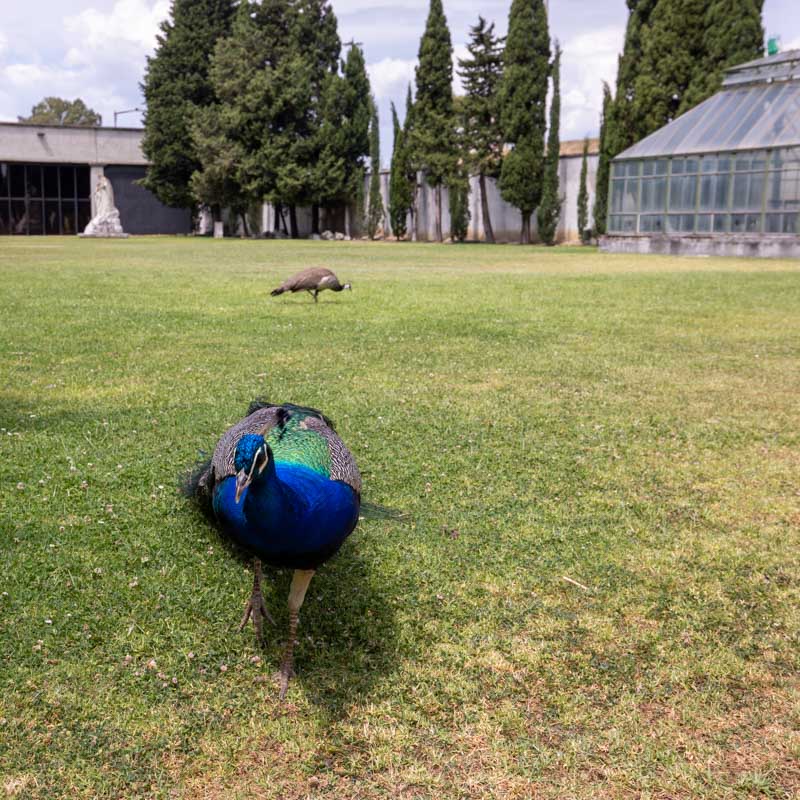
The model of Lisbon before the 1755 Earthquake is one of the central pieces of the visit. With around ten thousand miniature buildings, more than ten metres in length and four in width, it shows the riverside city between Alcântara and Santa Apolónia before the transformation caused by the earthquake. It was conceived by Gustavo de Matos Sequeira and executed by the workshop of Ticiano Violante. In the exhibition rooms, notice how archaeology, painting, engraving, ceramics, furniture, photography and tiles build a continuous narrative about Lisbon. The chapel and staircase help reveal the building’s former residential dimension. Outside, the Box Garden and surrounding green area recall that this museum was born on an estate, where house, garden and urban memory continue to explain one another.

Gallery

Museu de Lisboa Palácio Pimenta 1
Museu de Lisboa Palácio Pimenta 2
Museu de Lisboa Palácio Pimenta 3
Museu de Lisboa Palácio Pimenta 4
Museu de Lisboa Palácio Pimenta 5

Nearby places

View all