Lisboa · Lisboa
Sporting Clube de Portugal
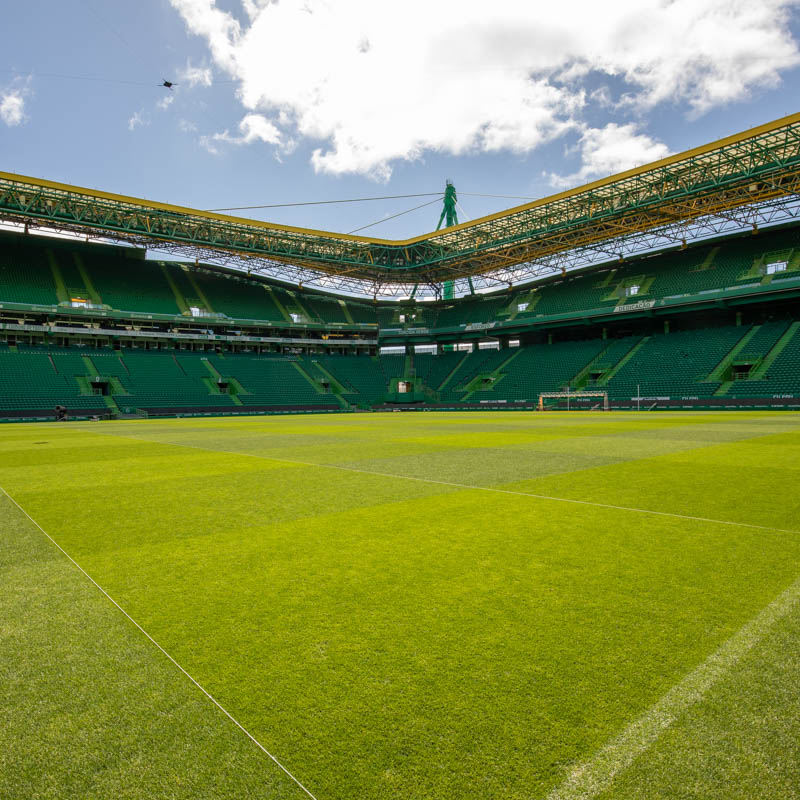
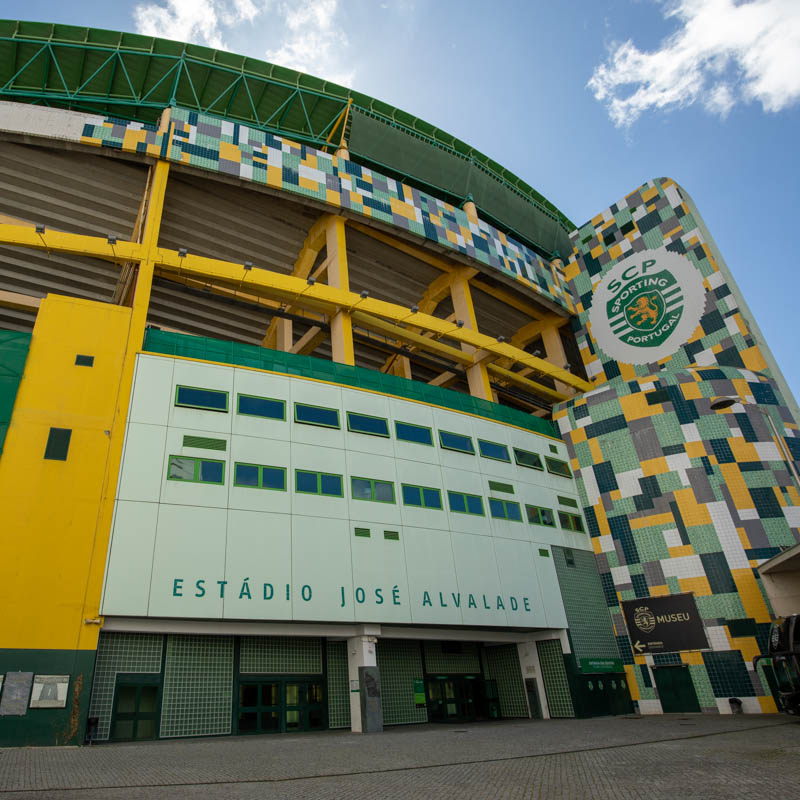
In Alvalade, the stadium of Sporting Clube de Portugal shows how football architecture can become part of a city’s memory. Opened in August 2003, next to the club’s former ground, it was created to give Sporting a home equal to its ambition, and it quickly gained international prominence by hosting five matches of Euro 2004 and, the following year, the UEFA Cup final. Yet what leaves the strongest impression is not only the calendar of major fixtures. It is the way the stands, the pitch and the inner corridors preserve the identity of a club founded in 1906 and deeply linked to the idea of sporting eclecticism. Between the dominant green, the closeness of the crowd and the memory of decisive nights, the stadium appears not only as a stage for competition: it stands as a place where belonging, emotion and collective history continue to find a very physical expression.
Why it matters
The Estádio José Alvalade, in Lisbon, is the main sporting venue of Sporting Clube de Portugal and the club’s seventh home ground. It was inaugurated on 6 August 2003, beside the former 1956 stadium, which has since been demolished. The name preserves the tribute to José Alvalade, a figure linked to the club’s foundation and to the wish to create good sporting facilities for Sporting. The opening match brought Manchester United to Lisbon and ended in a 3-1 victory for Sporting. The following year, the stadium hosted five EURO 2004 matches, and on 18 May 2005 it staged the UEFA Cup final. Its recent history also includes updating works, with new interior spaces, the closure of the moat, a hybrid pitch and seats closer to the field.
Architecture and history
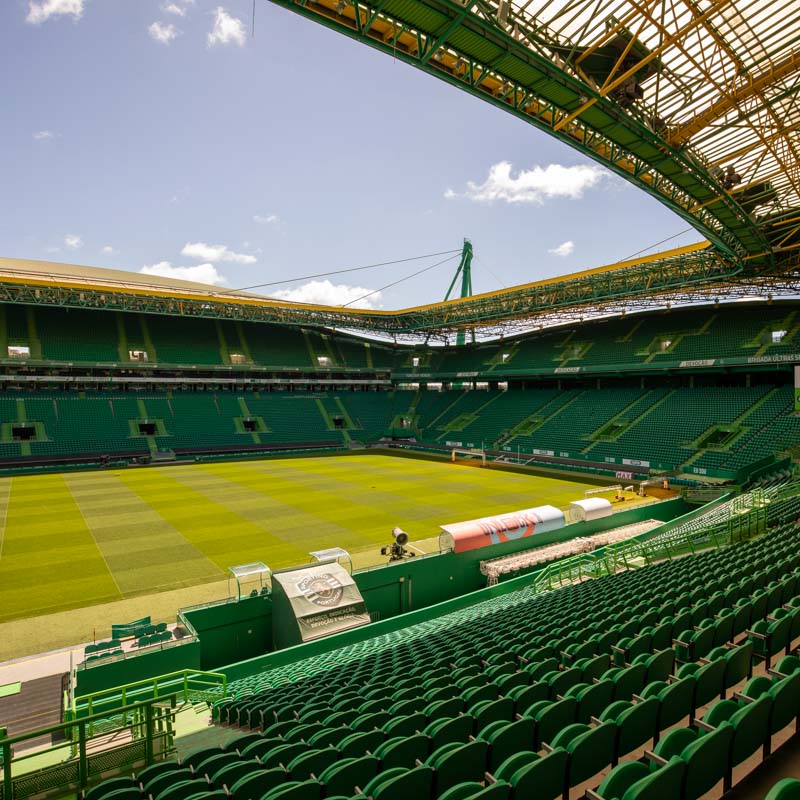
The stands surround the pitch continuously, creating an arena enclosed around the field and closely connected to the sound of the supporters. The stadium forms part of the Alvalade urban complex, between Avenida Padre Cruz, the 2.ª Circular and Alameda das Linhas Torres. The official capacity indicated by the club is 50,095 seats, with a pitch measuring 105 by 68 metres. The building was planned as a football venue, but also as part of a larger structure, with a museum, VIP areas, boxes, circulation areas and support spaces. Recent interventions changed the relationship between stand and pitch: the disappearance of the moat allowed three rows to be added and brought the substitutes’ benches closer to the public. This change strengthens the feeling of proximity between match, players and supporters.
More context
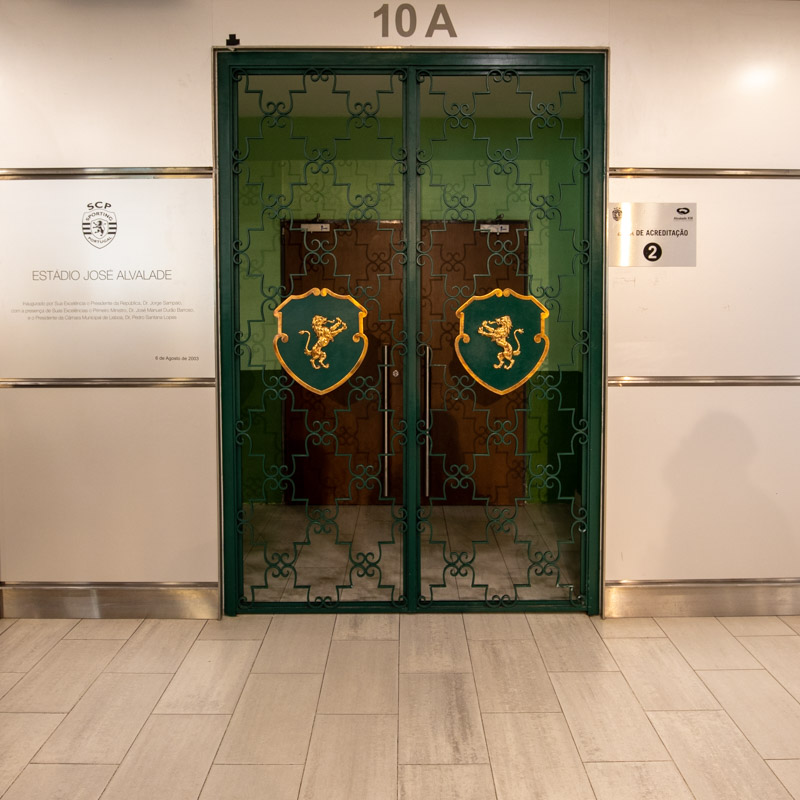
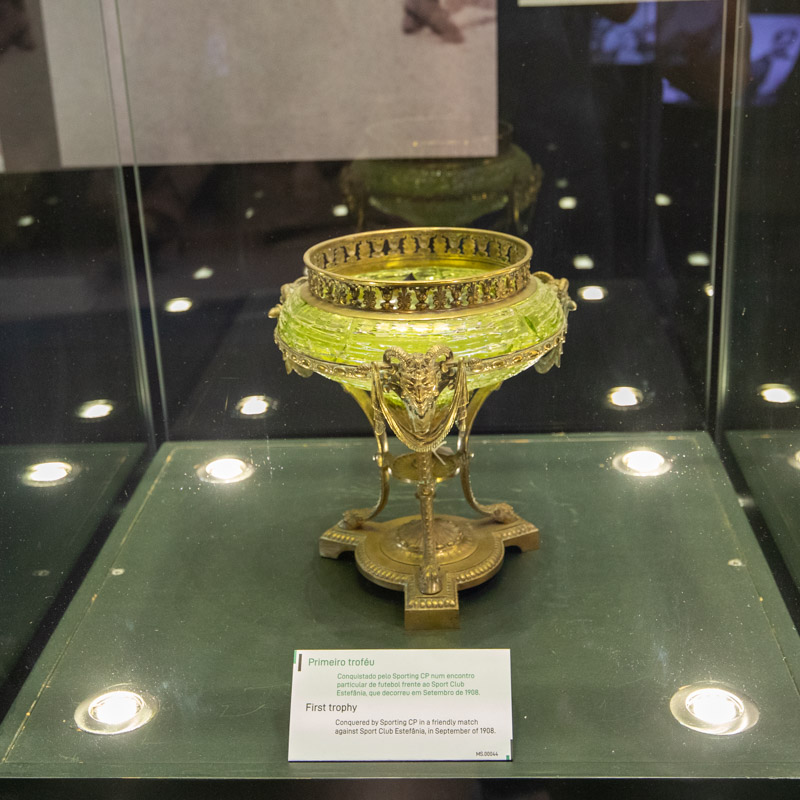
Gate 10A sums up an important part of the club’s memory. According to the official visit route, it has separated the dressing rooms from the exterior since the previous stadium, inaugurated in 1956, and remains associated with the players’ passage before matches. In the stands, notice the green sweep of the seats and the way the circular organisation concentrates attention on the pitch. The technical area shows the stadium’s most recent phase: the teams now come up by two side staircases aligned with the field, directly to the substitutes’ benches. The Sporting Museum adds another layer of reading, as it presents trophies and testimonies linked to the club’s identity and memory. As a whole, Alvalade shows a stadium built on continuity: it inherits old symbols, while adapting them to a contemporary sporting experience.
Gallery