Lisboa · Lisboa
Museu do Fado
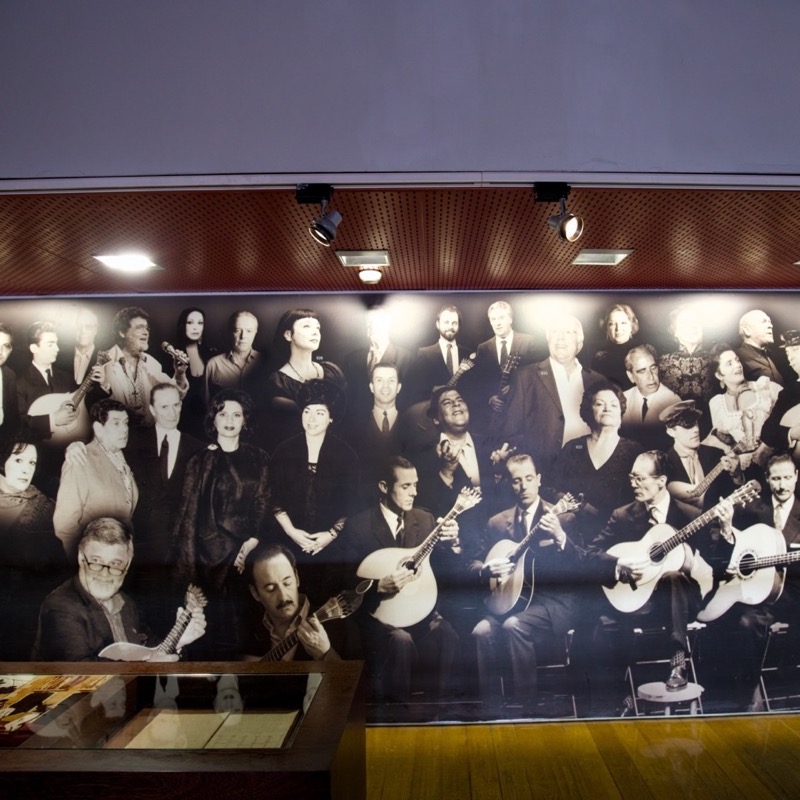
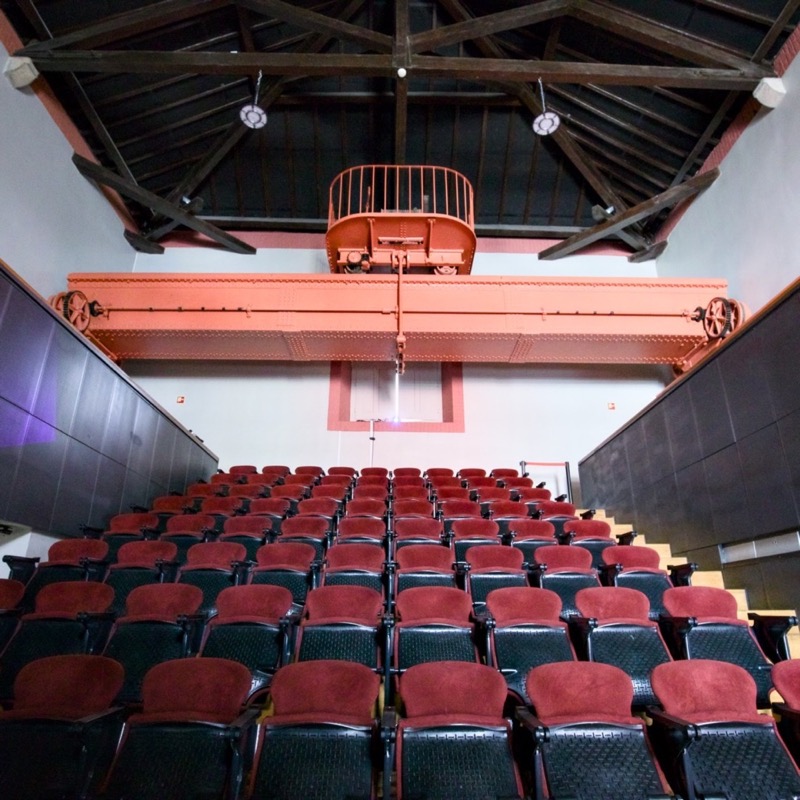
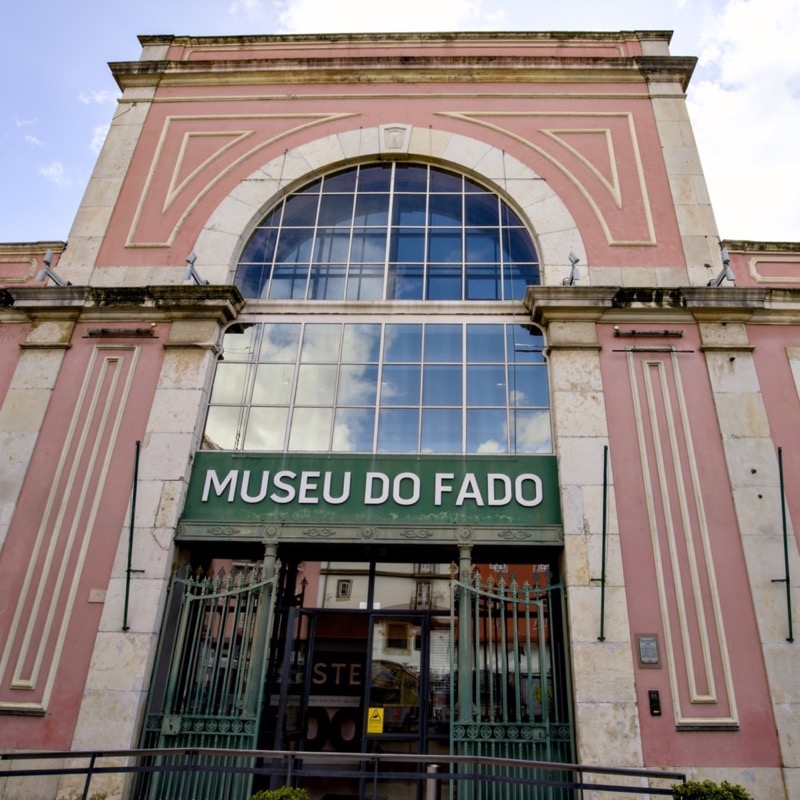
In Largo do Chafariz de Dentro, Lisbon, the Fado Museum is entirely dedicated to Lisbon’s urban song and to the Portuguese Guitar. It opened to the public on 25 September 1998, celebrating fado as an expression linked to the city’s identity and to the country’s cultural history. Housed in a former Water Pumping Station, built in the second half of the 19th century, the building was restored and extended by the architects João and José Daniel Santa-Rita. The permanent exhibition follows the history of fado and the Portuguese guitar, while the documentation centre, auditorium and school extend research, learning and practice. The collection brings together estates of performers, authors, composers, musicians, instrument makers, scholars and researchers. Since 2011, fado has been included on UNESCO’s Representative List of the Intangible Cultural Heritage of Humanity, and the museum played a central role in the nomination.
Why it matters
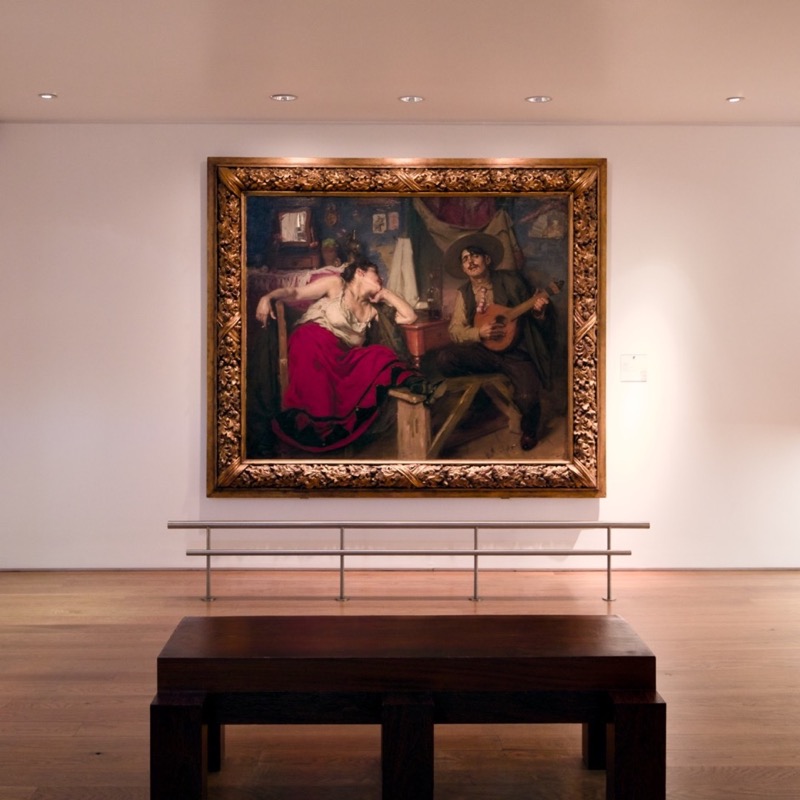
The Fado Museum, inaugurated in 1998, celebrates the rich history and tradition of Fado, an emblematic musical genre of Portugal. Located in the Alfama district of Lisbon, this museum is a tribute to the artistic expression that has been the heart of Portuguese culture since the early 19th century. Fado, known for its melancholic melodies and poetic lyrics, is often associated with the historic neighbourhoods of Lisbon such as Alfama, Mouraria, and Bairro Alto. The museum not only preserves the memory of Fado but also promotes an understanding of its evolution and impact on Portuguese society.
Architecture and history
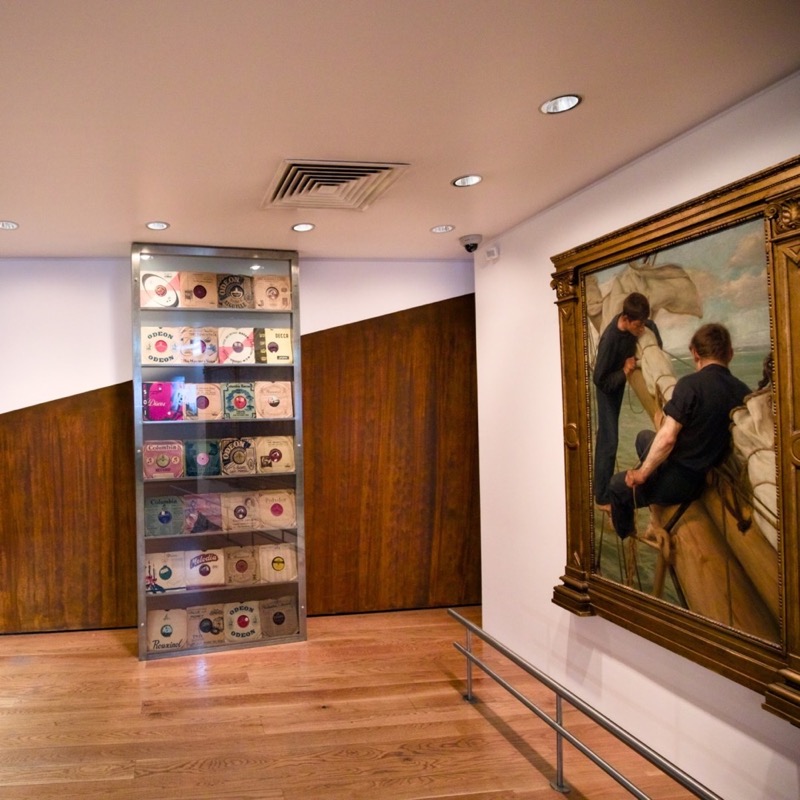
The building housing the Fado Museum is a remarkable example of Lisbon's architecture. Housed in the former Alfama Water Pumping Station, a 19th-century industrial-style building, the museum combines modern elements with the historic charm of the original structure. The exhibition rooms are spacious and well-lit, providing a welcoming and immersive environment for visitors. The original building's metal structure and stone walls have been preserved, giving the space an authentic character. Additionally, the museum's interior decoration is carefully crafted, with informative panels, old photographs, and a vast collection of Fado-related objects such as Portuguese guitars and traditional costumes.
More context
Visitors to the Fado Museum can explore various permanent and temporary exhibitions that narrate the history of Fado from its origins to the present day. One of the museum's highlights is the room dedicated to the great Fado singers, where audio and visual records of historical performances can be found. Another must-see attraction is the exhibition of musical instruments, where the famous Portuguese guitar can be seen up close. The museum also offers guided tours, allowing for a deeper understanding of Fado and its cultural significance. Additionally, there is a regular programme of live concerts and events, providing visitors with an authentic Fado experience.
Gallery