Lisboa · Lisboa
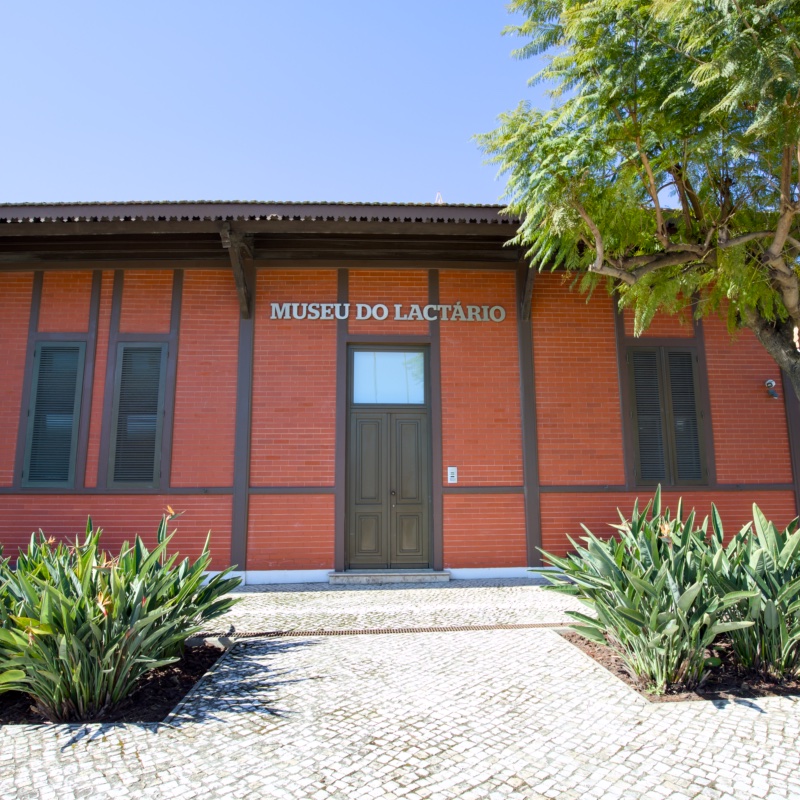
Museu do Lactário
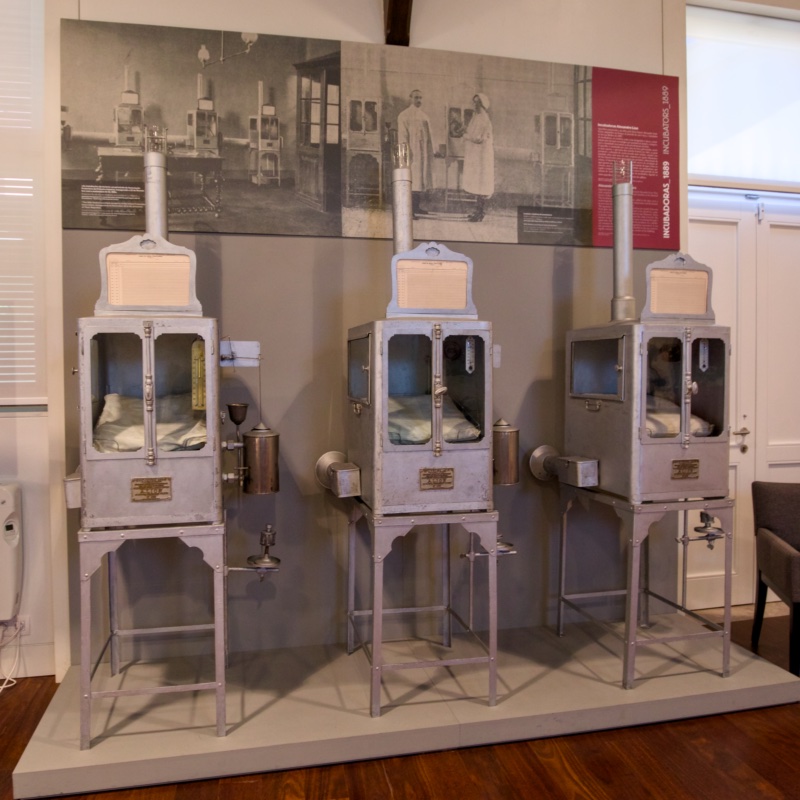
The Museu do Lactário, in Lisbon, preserves the memory of the first milk dispensary created in Portugal. Established in 2019 by the Fundação Aboim Sande Lemos, it tells the story of a social work begun in 1901 with the Associação Protectora da Primeira Infância. The Lactário began operating in 1903, supporting disadvantaged children from Alfama and their families. The help was daily and free: controlled-quality cow’s milk, paediatric care, hygienic, social and neonatal support. The museum brings together objects, documents, photographs, painting, sculpture, tilework and scientific and technical pieces linked to that activity. Among the most expressive items are four incubators for premature babies, acquired in 1903, Alexandre Lion models. By reconstructing services such as Lacticology, the Lactário, the Medical Service and the Social Service, the museum reveals a discreet history of care, science and child protection.
Why it matters
The Museum of the Lactário, in Santa Apolónia, preserves the memory of one of the most innovative child welfare initiatives in Portugal at the beginning of the twentieth century. Its origins are linked to the Associação Protectora da Primeira Infância, founded in 1901 on the initiative of Colonel Rodrigo António Aboim Ascensão, after he had encountered in France the gouttes-de-lait model created by Léon Dufour and the incubators designed by Alexandre Lion that were presented at the Paris Universal Exhibition of 1900. The Lactário began operating in Lisbon in 1903 with the mission of supporting disadvantaged children in Alfama and their families through the free distribution of quality-controlled cow’s milk, regular paediatric consultations, and hygienic, social and neonatal support. The service was a pioneering response to problems of urban poverty, infant nutrition and early mortality, combining social assistance with medical knowledge. The present museum, created in 2019 by Fundação Aboim Sande Lemos, does more than recall a historic institution: it also shows how the country’s first lactário became a reference point in the history of child care, public health and social action in Lisbon over more than a century.
Architecture and history
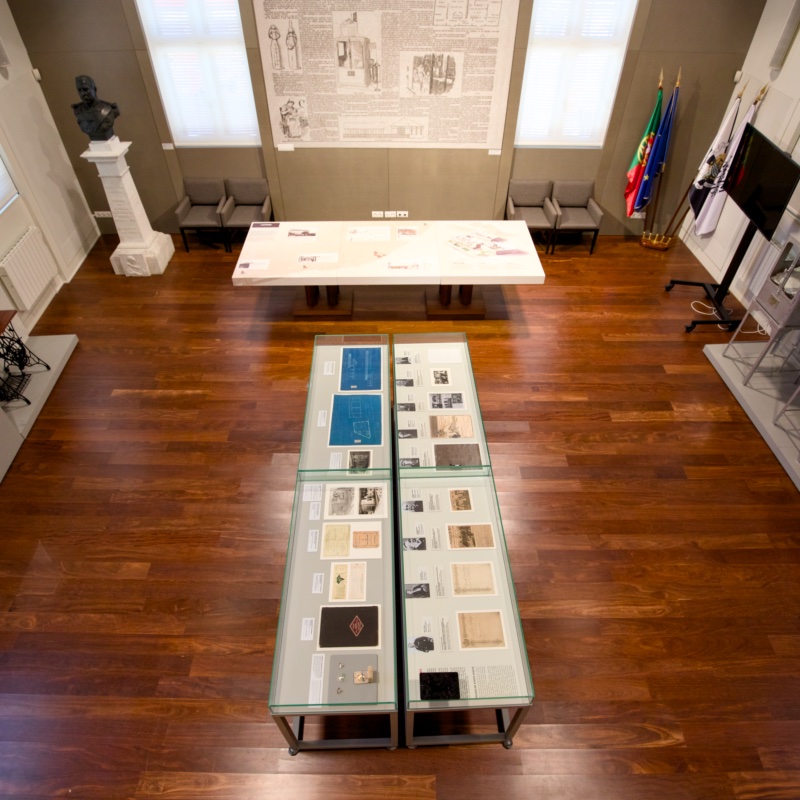
From an architectural point of view, the Museum of the Lactário is distinguished less by monumentality than by the functional clarity of its built ensemble. The former Lactário operated in premises near Alfama, at today’s Largo do Museu de Artilharia, in buildings designed by Miguel Ventura Terra. Documentation studied by the Lisbon Municipal Archive shows that the 1902 project combined the adaptation of a pre-existing building with the construction of a new cowshed and related dependencies, intended to ensure the production and control of the milk distributed to children. This spatial organisation clearly reflects the logic of the institution: everything was designed to provide hygiene, clinical follow-up and daily support for families. Today, the reading of the space continues that original purpose through a thematic museography organised around the former services of Lacticology, Lactário, Medical Service, Hygienic Service, Social Service and Administrative Service. The collection includes objects of science and technology, painting, sculpture, tilework, photography and archival documentation. Among the most important pieces are the four incubators acquired in 1903, regarded as the objects of greatest heritage value in the collection and a landmark in the early development of neonatology in Portugal.
More context
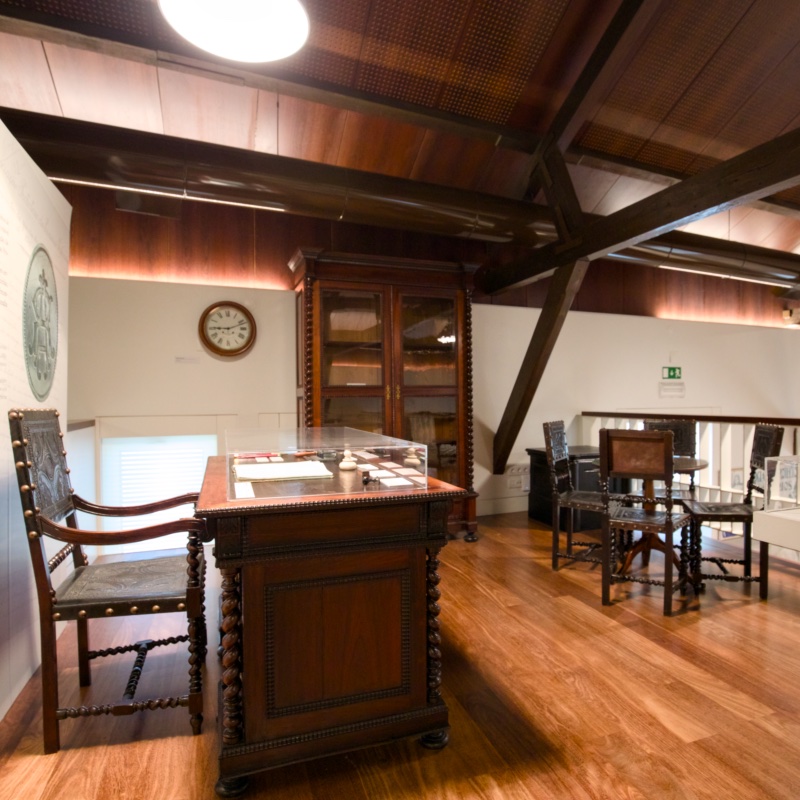
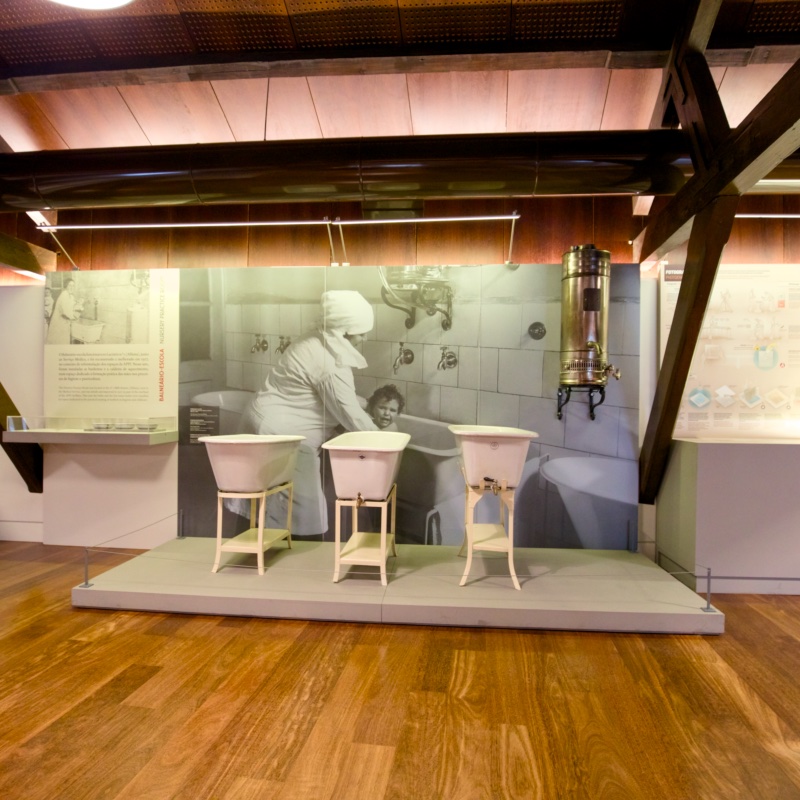
A visit should begin with the sections that explain the foundation of the institution and the figure of Aboim Ascensão, because they help visitors understand why the Lactário was conceived as a service that was simultaneously medical, nutritional and social. Attention should then turn to the areas that reconstruct the former services, especially the Lacticology section and the milk distribution service, where the importance of hygienic preparation and dose control becomes clear. The medical nucleus is particularly revealing, with objects linked to paediatric and neonatal care, while the hygienic section recalls the former training bath where mothers learned basic childcare practices. The major highlight of the route is the incubators for premature babies, a rare group within the Portuguese and European context, alongside feeding spoons, scales, medals of the assisting protectoras, infant clothing, photographs and historical documentation. It is also worth noting how the museum connects these objects with Lisbon’s social history, showing the bond between the former Lactário and the districts of Alfama and Santa Apolónia. Taken together, the visit reveals not only a singular collection, but also a pioneering model of child welfare that brought together functional architecture, medical innovation and charitable action.
Gallery