Museu Militar de Lisboa

Lisboa · Lisboa

Museu Militar de Lisboa

MuseumXVIPalace Architecture
Rua Museu da Artilharia 51, 1100-366 Lisboa4.6 Rating · 1,50275 min

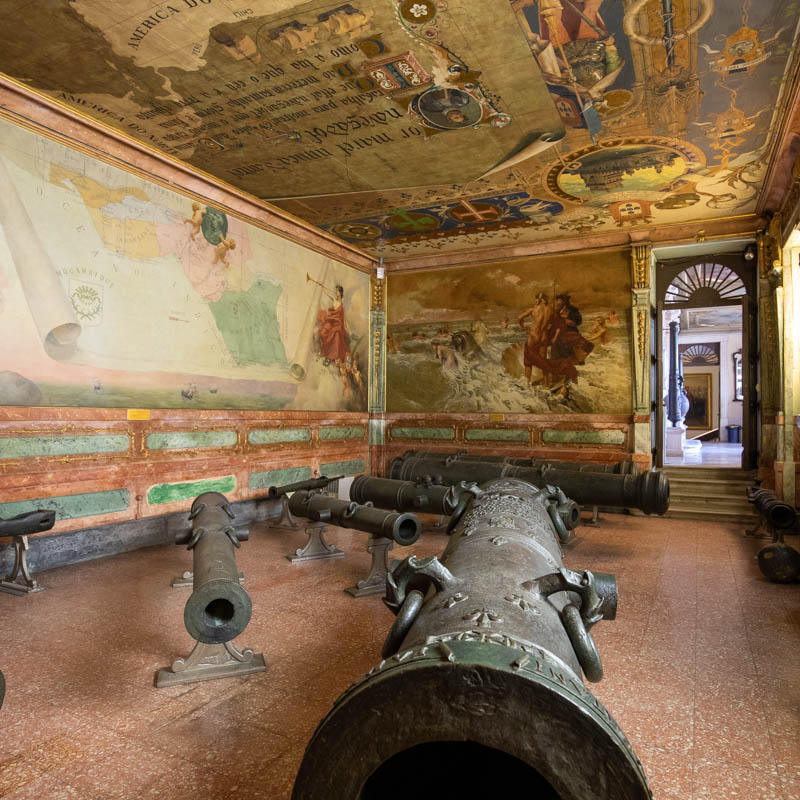
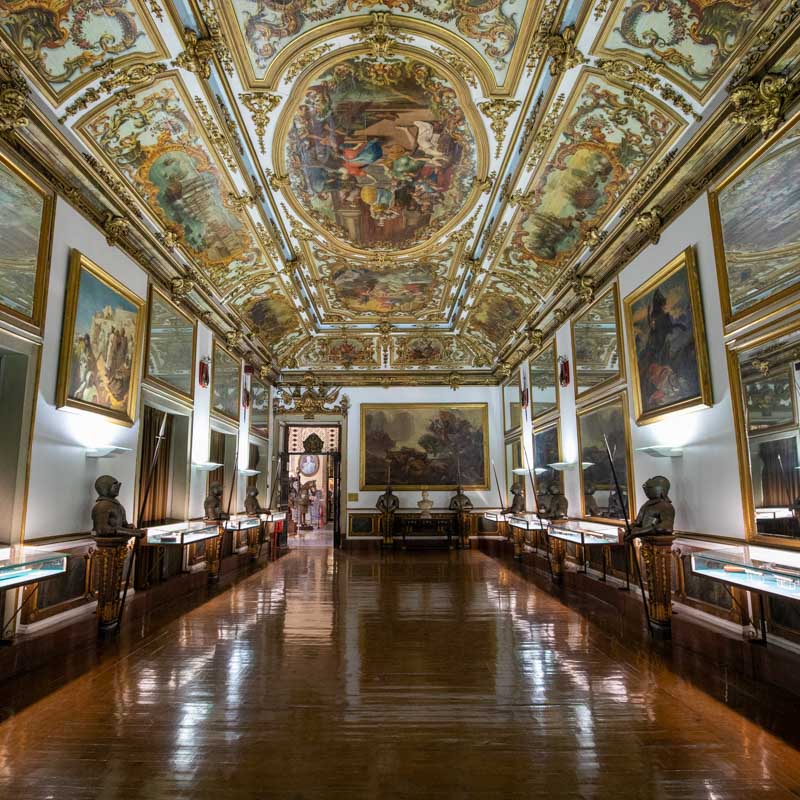
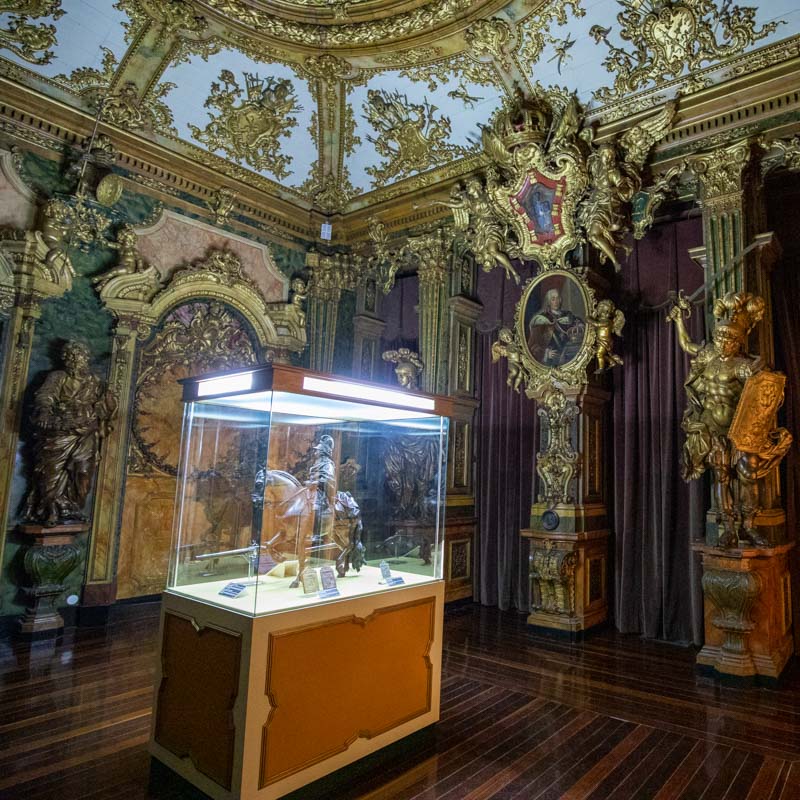
In Santa Apolónia, the Lisbon Military Museum is surprising because it is not only a museum of weapons: it is also a place where Portuguese military history meets art and the memory of the city. The institution began to take shape in 1842 and was created as the Artillery Museum in 1851, occupying a building linked to the former Royal Army Arsenal, rebuilt in the eighteenth century and later adapted for museum use. Its rooms, richly decorated with painting, carved wood and tilework, give the visit an unexpected solemnity, while collections of weapons, uniforms and military equipment live alongside painting and sculpture. Its collection of bronze artillery pieces is considered one of the most complete in the world. It is also worth lingering in the Plaster Room, where the mould of the statue of King José I in Praça do Comércio is kept. Here, war also appears as culture, image and representation.

Why it matters

The Lisbon Military Museum helps visitors read part of Portuguese history through objects used to make, store, study and display military material. The building stands in Santa Apolónia, in the former Royal Army Arsenal. Before that name, the area housed the Tercenas das Portas da Cruz, connected from around 1488 with shipbuilding, the storage of military material and gunpowder workshops. After a fire in 1726, King João V ordered the facilities to be rebuilt. After the 1755 earthquake, the project was altered, and in 1760 the Marquis of Pombal ordered the new building to be completed. In 1764 it became the Royal Army Arsenal. The collection began to be organised in 1842, to store and preserve rare objects from the Arsenal. It was called the Artillery Museum from 1851, the Military Museum from 1926 and the Lisbon Military Museum from 2007.

Architecture and history

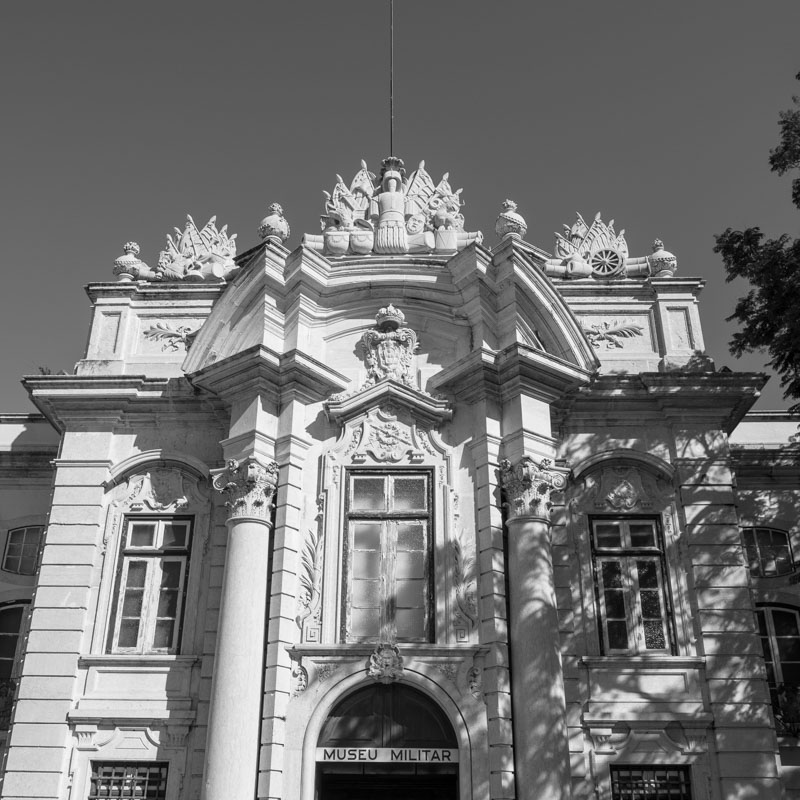
The main entrance portico, facing Largo dos Caminhos de Ferro, prepares visitors for a building where military function and public representation go hand in hand. On this portico stands the allegory To the Fatherland, a sculptural group by Teixeira Lopes. Inside, the works and adaptations carried out from the 18th century onwards left a group of rooms ornamented with gilded woodcarving, mural paintings, tiles and statuary. The building had a ground floor and first floor, with arms rooms and a connection to the eastern courtyard, now known as the Cannon Courtyard. This organisation helps explain the former life of the Arsenal: it was not only a place of display, but a space linked to the storage, preservation and preparation of weapons. The rooms decorated in the late 19th and early 20th centuries turned part of that technical setting into a museum route.

More context

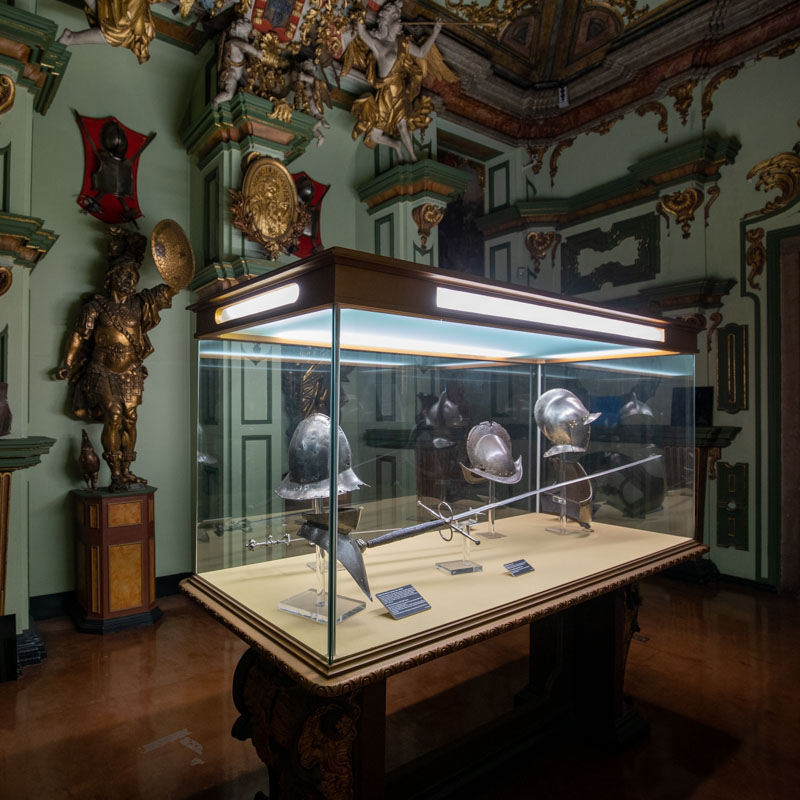
The bronze cannons are among the museum’s most expressive presences. The inscriptions, heraldic symbols and ornaments engraved on the pieces show that artillery could also function as a political, technical and artistic document. In the Cannon Courtyard, notice the twenty-six tile panels, dating from the 18th, 19th and early 20th centuries, which present episodes of national history between 1139 and 1918. The rooms with uniforms, shakos, helmets, weapons and objects linked to different campaigns help visitors follow changes in military techniques and in the public image of the soldier. The former Portuguese artillery section also preserves the cart used to transport the columns of the Rua Augusta Arch in Lisbon. This detail links the museum to the city’s monumental construction and recalls that the Arsenal also took part in large-scale civil works.

Gallery

Museu Militar de Lisboa 1
Museu Militar de Lisboa 2
Museu Militar de Lisboa 3
Museu Militar de Lisboa 4
Museu Militar de Lisboa 5

Nearby places

View all