Cascais · Lisboa
Museu do Mar Rei Dom Carlos I
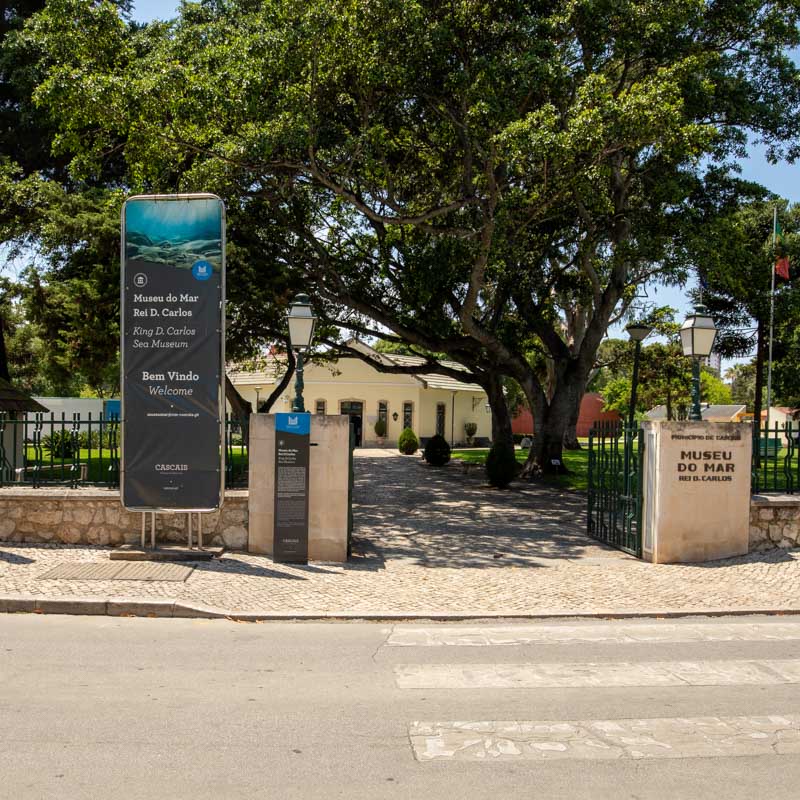
In Cascais, the King D. Carlos Sea Museum tells the story of the town through what shaped it most deeply: the sea. Housed in the former Sporting Club de Cascaes, founded in 1879 on the initiative of the then Prince Carlos, the museum was created in 1976 and opened to the public in 1992, turning a nineteenth-century leisure venue into a place of maritime memory. Its name is more than a tribute: it recalls the king who made Cascais the base for his oceanographic campaigns and helped bring science closer to the observation of the ocean. Inside, the old Octagonal Room stands alongside collections of natural history, underwater archaeology, fishing ethnography and navigation, forming a broad portrait of a town of kings and fishermen. More than gathering shells, boats or nets, this museum shows how the sea was labour, knowledge, risk and imagination, and how it still defines the identity of Cascais.
Why it matters
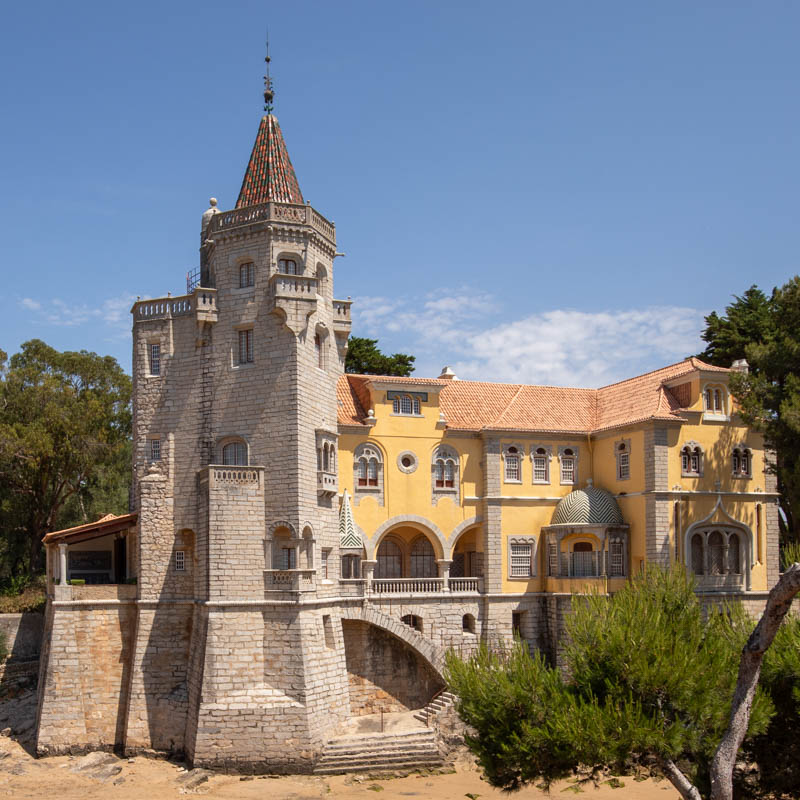
The Museu do Mar Rei D. Carlos occupies the former Sporting Club de Cascaes, founded in 1879 on the initiative of the then Prince Carlos. For several decades, the building, also known as Clube da Parada, was a place of sociability, leisure and public events in a Cascais shaped by summer residence and proximity to the court. The creation of the museum was decided by Cascais City Council in 1976, after the transfer of the Parada premises. The donation of Francisco Reiner’s collection of marine specimens gave momentum to the project, and adaptation works began in 1978. The museum officially opened to the public on 7 June 1992. Since July 1997, its name has honoured King Carlos I, recognising his role in oceanography and in the maritime identity of Cascais.
Architecture and history
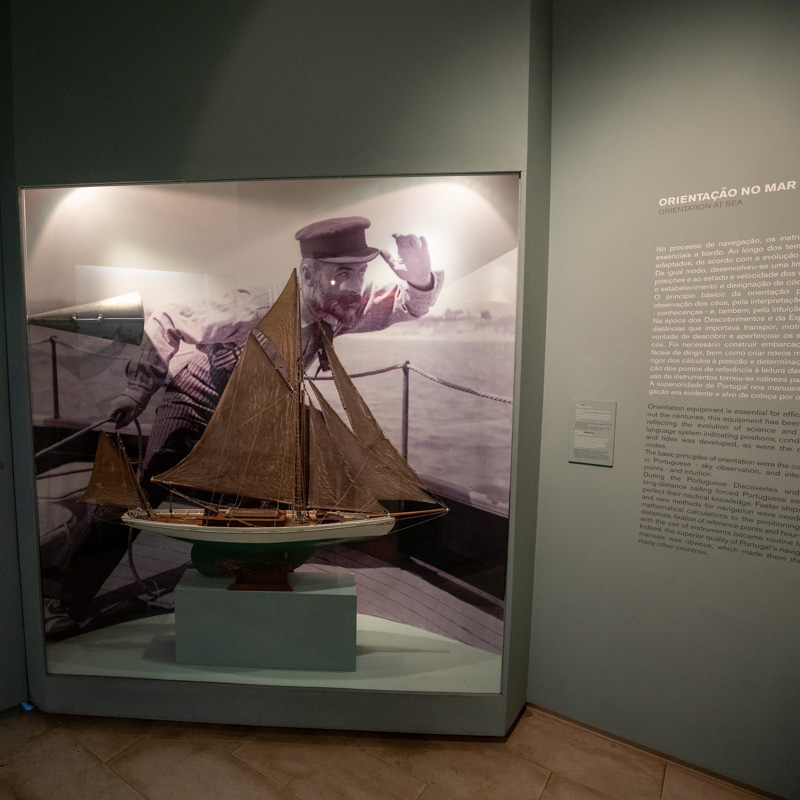
The Octagonal Room is the main surviving element of the 19th-century building and serves as the entrance into the museum’s world. The other rooms result from later extensions, created to house a growing collection and services such as the library, storage areas, education and conservation. This development helps visitors understand that the museum was not born in a building designed from the start for exhibitions: it adapted a former social structure to a scientific, cultural and educational function. The route is distributed through thematic rooms dedicated to underwater archaeology, biodiversity, maritime ethnology, navigation, fossils, molluscs and oceanography. The spatial organisation offers a progressive reading of the sea, moving from the local memory of fishing communities to navigation routes, shipwrecks, marine life and the scientific research associated with King Carlos.
More context
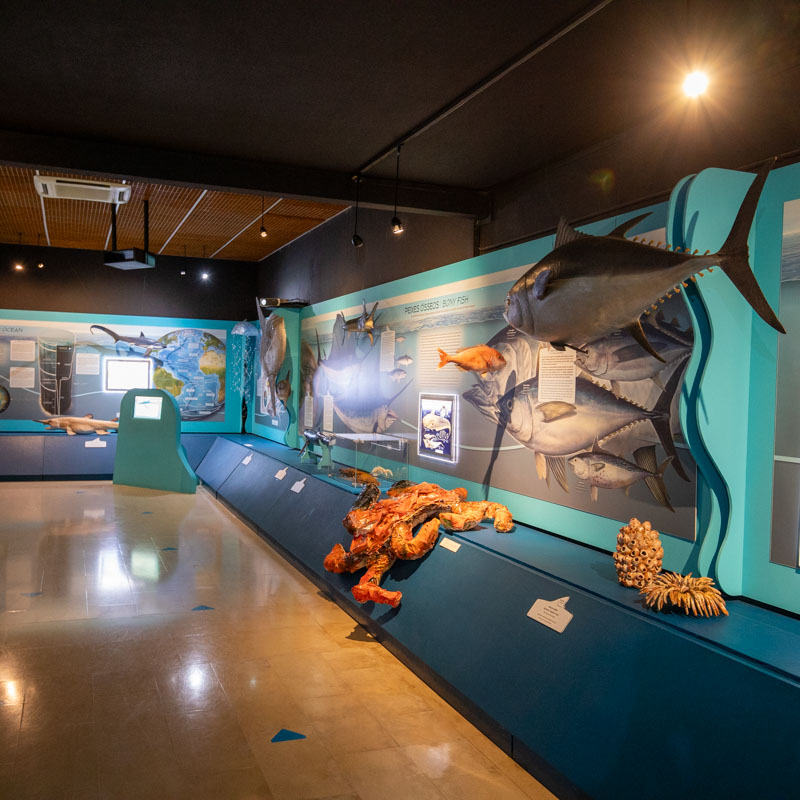
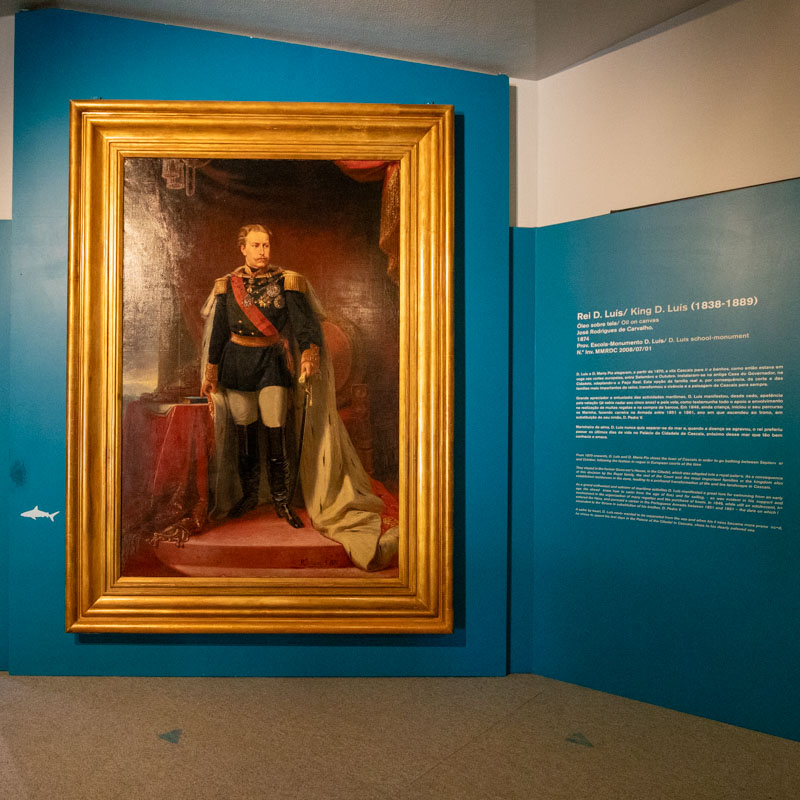
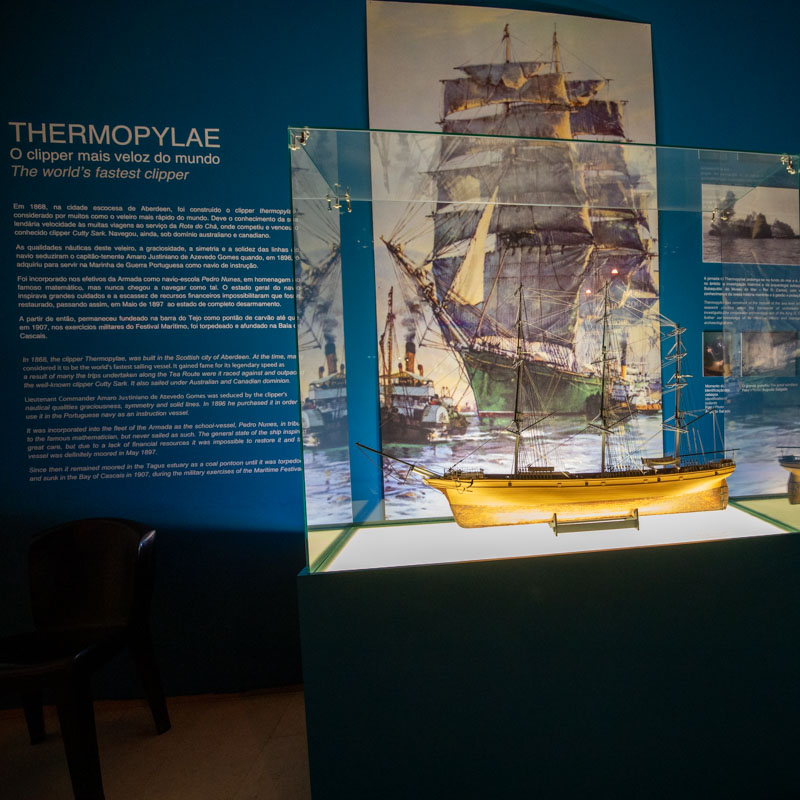
The room dedicated to King Carlos and oceanographic science helps visitors understand the king as a student of the sea, through his campaigns and the work carried out aboard the Amélia yachts. In the underwater archaeology section, notice the remains connected with shipwrecks between the 16th and 18th centuries, as they reveal the risks of navigation, trade and entering the Tagus bar. The maritime ethnology area shows clothing, objects, images and traditional boats linked to the fishermen and fishwives of Cascais, preserving a reality that is now more distant. In the biodiversity, fossils and molluscs rooms, visitors encounter another scale of time: the formation of the oceans, the origin of life, the diversity of species and the relationship between shells, science and human use. In this way, the museum turns the sea of Cascais into history, work, nature and knowledge.
Routes
Explore this place in a cultural route
Gallery