Lisboa · Lisboa
Museu do Tesouro Real
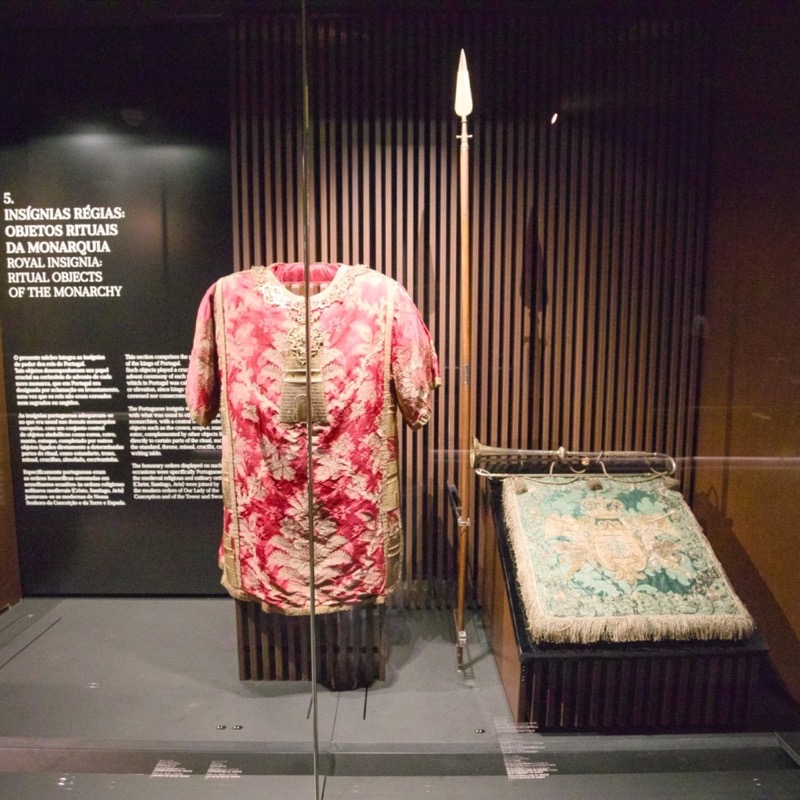
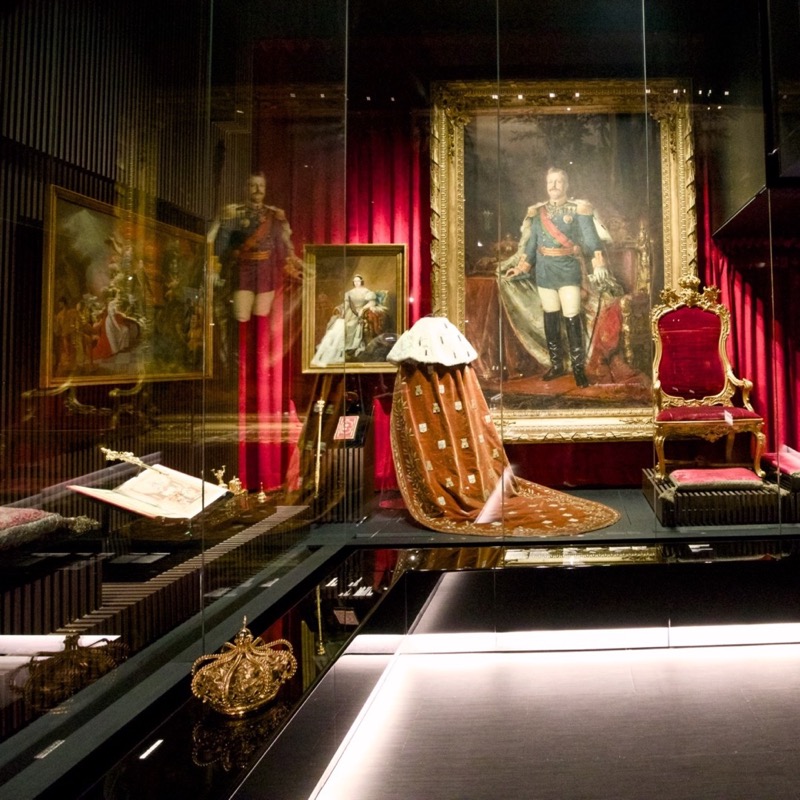
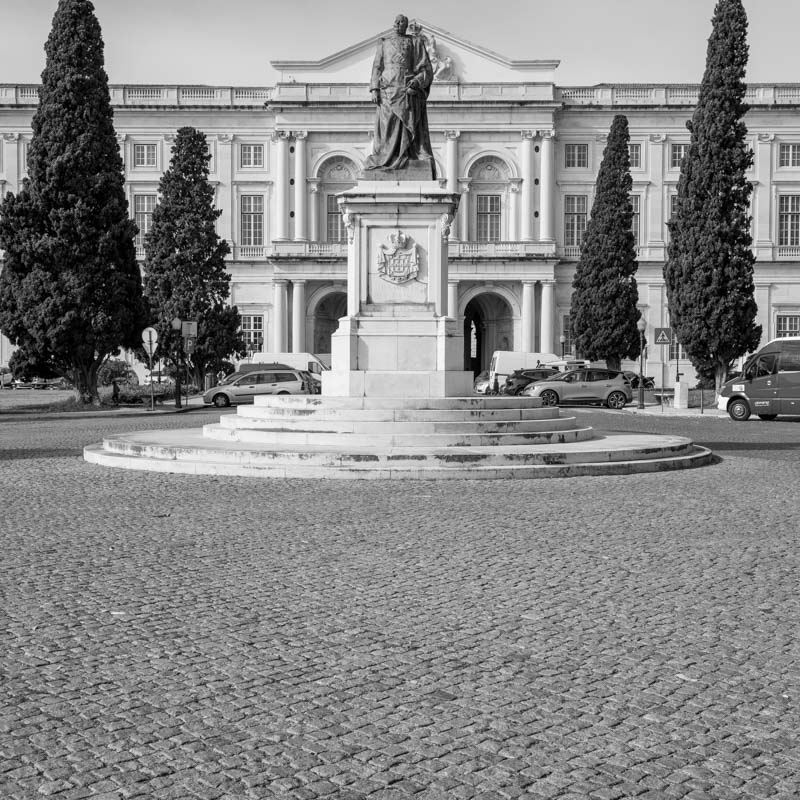
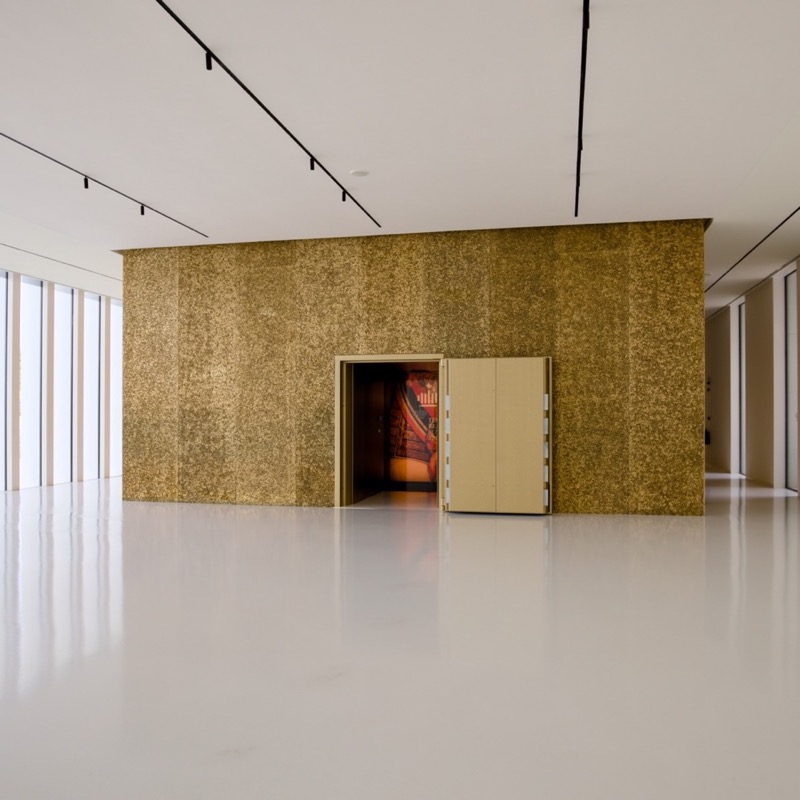
In the west wing of the National Palace of Ajuda, in Lisbon, the Royal Treasure Museum preserves an essential part of the material memory of the former Portuguese Royal House. Opened on 1 June 2022, it presents more than one thousand pieces, including Crown jewels, insignia, decorations, coins and works of civil and religious goldsmithery. The permanent exhibition is organised into eleven sections, arranged over three floors of a large vault, following themes such as the gold and diamonds of Brazil, Crown coins and medals, honorary orders, the Royal Chapel, the Royal Table and the journeys of the Treasure. The jewellery section recalls that the “Crown Jewels” were created in 1827, after the division of King João VI’s estate, and used by successive sovereigns until 1910. In the former palace of Portugal’s last kings, the brilliance of the pieces reveals power, ceremony and private life.
Why it matters
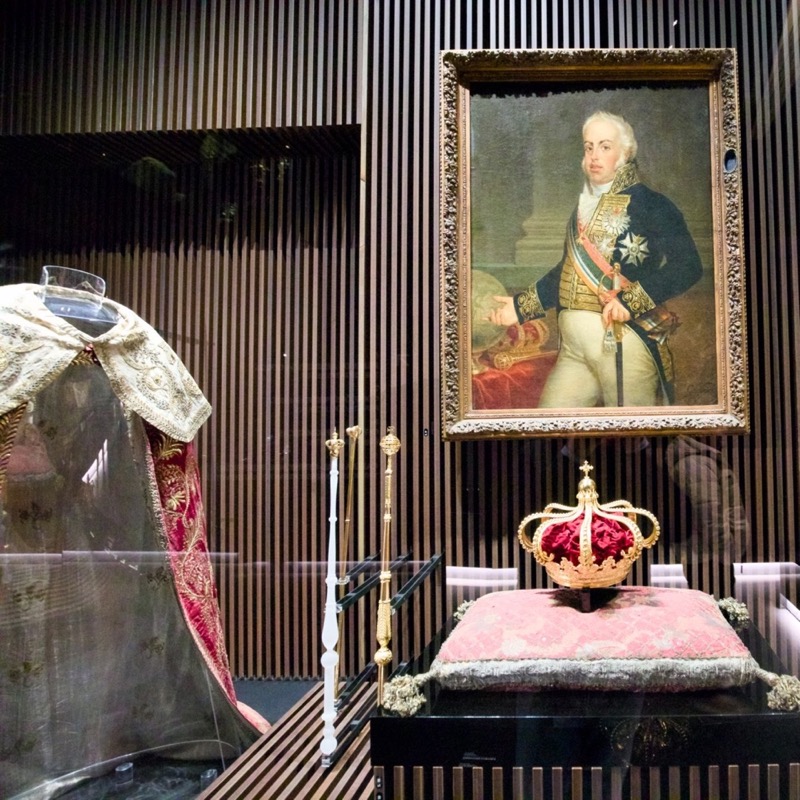
The Museu do Tesouro Real, located in Lisbon, is one of the most important museums in Portugal. This museum, inaugurated in 2022, is housed in the Palácio Nacional da Ajuda, one of the most iconic palaces in the capital. Construction of the palace began in 1795 and was completed in the 20th century, serving as the official residence of the Portuguese royal family until the establishment of the Republic in 1910. The museum houses an impressive collection of royal treasures, including jewellery, insignias, and precious objects that belonged to the Portuguese monarchy over several centuries. The Museu do Tesouro Real’s collection was amassed over generations, reflecting the wealth and power of Portugal's kings and queens. Among the most notable pieces are the crown of King John VI, the royal sceptre, and the famous "Dragon Head" piece of goldsmithing. This museum not only preserves the history of the Portuguese monarchy but also offers a glimpse into the splendour and opulence that characterised different periods in Portugal's history.
Architecture and history
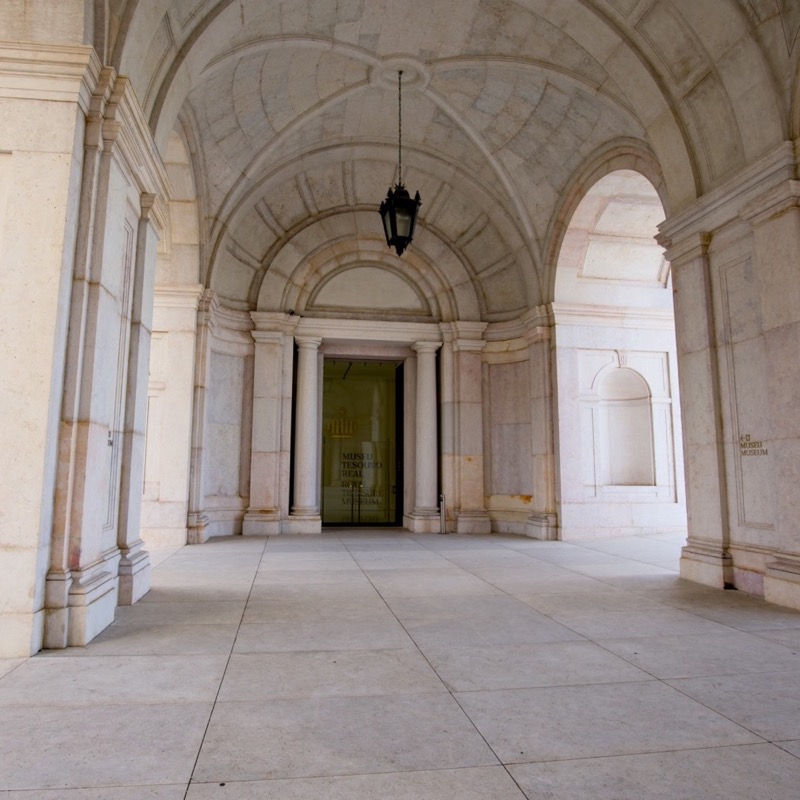
The Museu do Tesouro Real is housed within the Palácio Nacional da Ajuda, a remarkable example of neoclassical architecture in Portugal. The palace is known for its grandeur and elegant design, with ornate facades, spacious reception rooms, and magnificent gardens. The museum's architecture perfectly complements the richness of its collection, creating a majestic environment suitable for displaying the royal treasures. The palace building has a symmetrical layout, with a series of wings and courtyards that provide a harmonious flow between different exhibition spaces. The interior of the palace is richly decorated, with painted ceilings, elaborate stuccoes, and period furniture that transport visitors to the golden age of the Portuguese monarchy. The museum's exhibition rooms have been carefully designed to highlight the displayed pieces, using soft lighting and high-security showcases to protect and preserve the treasures.
More context
When visiting the Museu do Tesouro Real, guests can explore a vast collection of precious objects, including jewellery, weapons, coins, insignias, and religious art. One of the main attractions is the crown of King John VI, a magnificent piece representing the monarch's power and authority. Another highlight is the "Dragon Head", an intricate and symbolic piece of goldsmithing. Visitors can also admire the collection of royal jewellery, including tiaras, necklaces, earrings, and brooches that belonged to the queens and princesses of Portugal. Each piece tells a unique story, reflecting the tastes and styles of different eras. In addition to jewellery, the museum displays a collection of ceremonial weapons, such as swords and daggers, used in official ceremonies. A visit to the Museu do Tesouro Real provides an immersive experience into the history and culture of Portugal, allowing visitors to appreciate the country's artistic and historical richness. For those interested in deepening their knowledge, the museum offers guided tours and temporary exhibitions that explore specific themes related to the history of the Portuguese monarchy.
Gallery