Lisboa · Lisboa
Museu Nacional do Teatro e da Dança
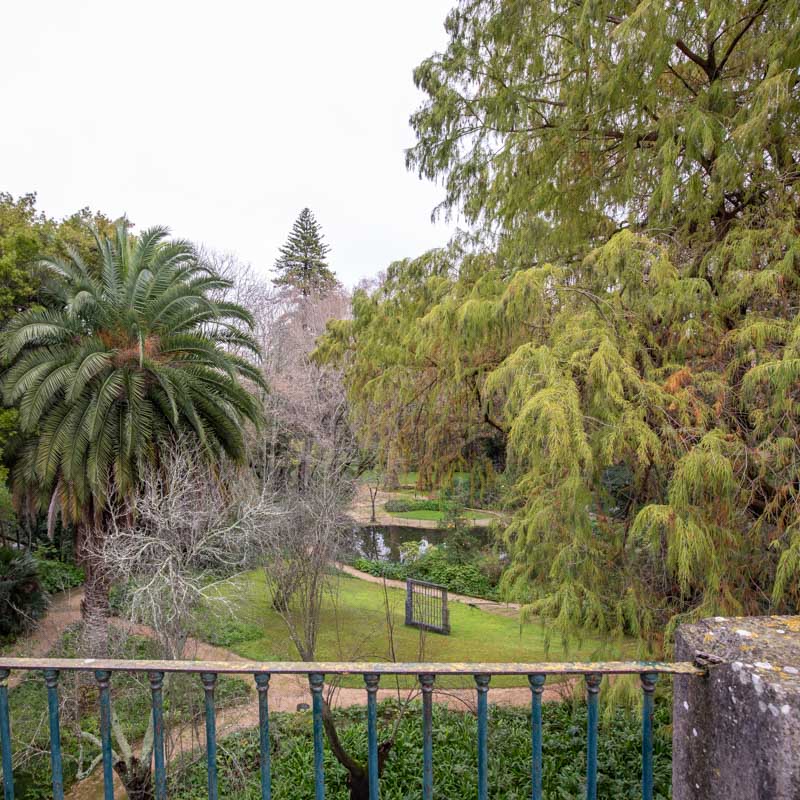
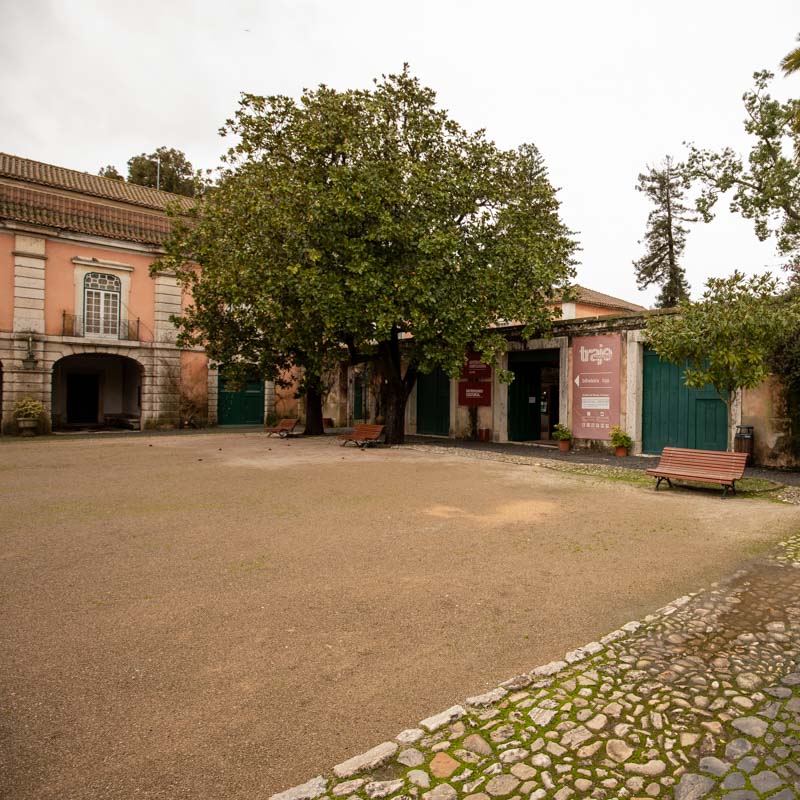
In Lumiar, the National Museum of Theatre and Dance keeps the living memory of the Portuguese stage. Housed in the eighteenth-century Monteiro-Mor complex, it brings together the country’s most extensive collection on the performing arts, with costumes, set models, props, posters, scores, photographs and archives that reveal centuries of creation, rehearsal and applause. The museum has the rare ability to show theatre not as distant art, but as work shaped by body, voice and imagination. Since the important donation made by José Sasportes in 2015, dance has gained an even more central place here, strengthening the museum’s very identity. During a visit, it is also worth noticing the atmosphere of old Monteiro-Mor: an eighteenth-century aristocratic setting linked to gardens with tropical species and exotic birds. Between memory, study and invention, this is a place that brings us closer to what happens before the curtain rises.
Why it matters
The National Museum of Theatre and Dance was officially created in 1982 and marks forty years of existence in 2025, which helps explain its place in Portuguese cultural history. It is linked to the Monteiro-Mor Palace complex in Lumiar, an eighteenth-century group of buildings acquired by the State and rebuilt to house the museum after a fire. The institution was created to preserve the memory of arts that, by their nature, disappear when a performance ends. For that reason, it now holds the most extensive collection in Portugal devoted to the performing arts, with more than 300,000 objects and a documentation centre and library with around 40,000 titles. In January 2015, its name changed from National Museum of Theatre to National Museum of Theatre and Dance. That change reflected the strengthening of its dance holdings, including the donation by José Sasportes, which significantly expanded the museum’s bibliographic and documentary resources in this field. The collection mainly documents the development of theatre in Portugal in the nineteenth and twentieth centuries, while also bringing together dance, music and records connected to artists and institutions.
Architecture and history
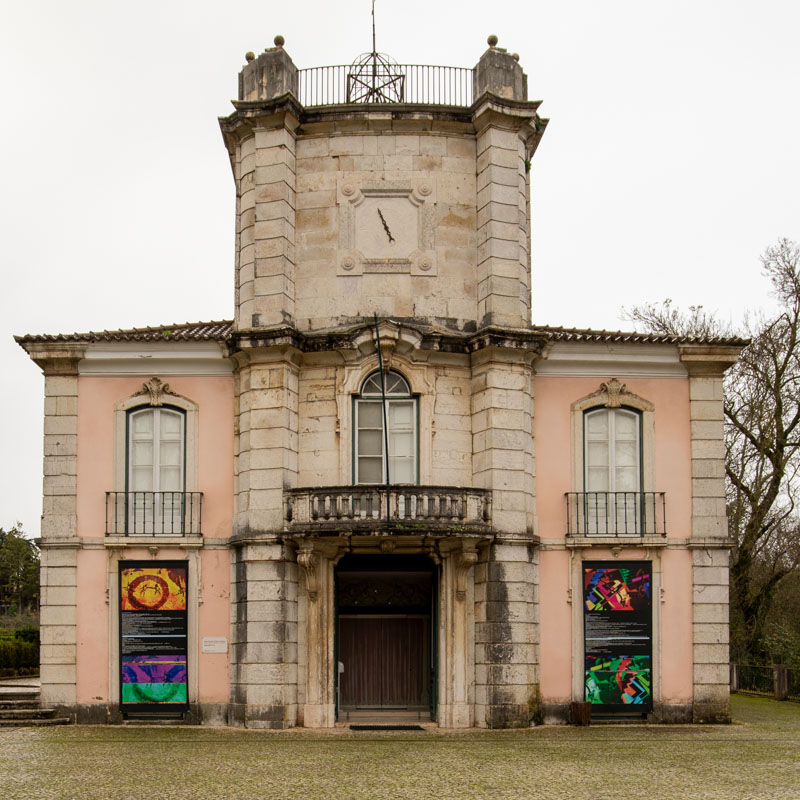
The building that houses the museum belongs to the Monteiro-Mor ensemble, whose origins go back to the third quarter of the eighteenth century and to the third Marquis of Angeja. Its architectural language combines Baroque, Pombaline and Neoclassical references. The plan is simple and rectangular, organised around a longitudinal axis, and the original arrangement placed service areas on the ground floor while reserving the upper floor for reception rooms and the main private quarters. That clarity of organisation still helps visitors read the building even after its museum adaptations. Inside, the most striking elements are the trough-shaped Rococo ceilings, which give movement and depth to the rooms. The tile panels also deserve close attention, with gallant scenes, maritime views and pastoral or secular subjects, together with painted compositions of Neoclassical taste. The former garden setting was an essential part of the house’s design and extended the culture of leisure and representation associated with this eighteenth-century residence. The botanical garden linked to the complex, probably designed by Domingos Vandelli, reinforced that learned and theatrical character.
More context
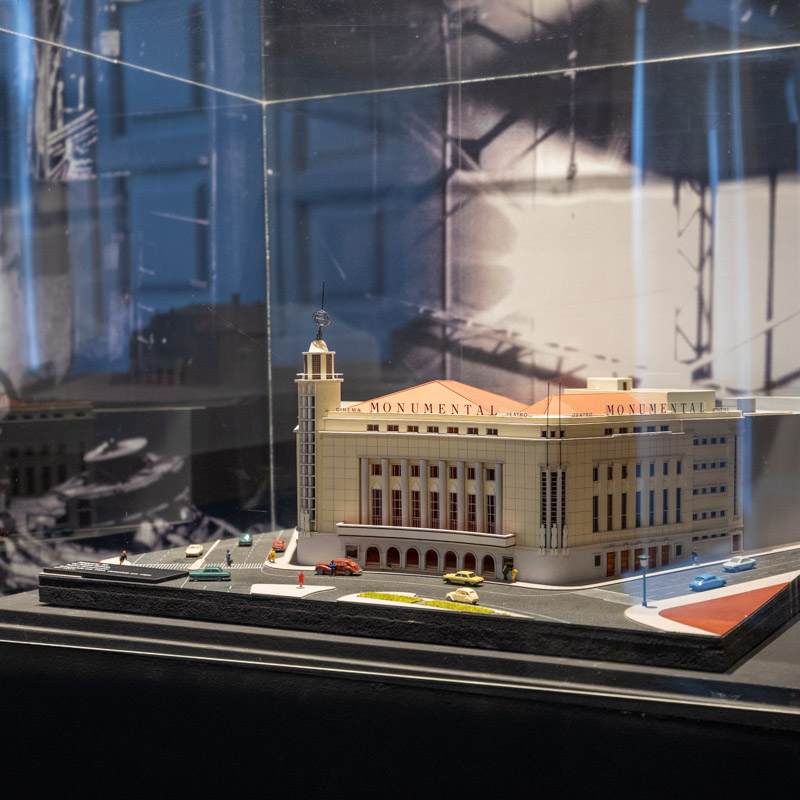
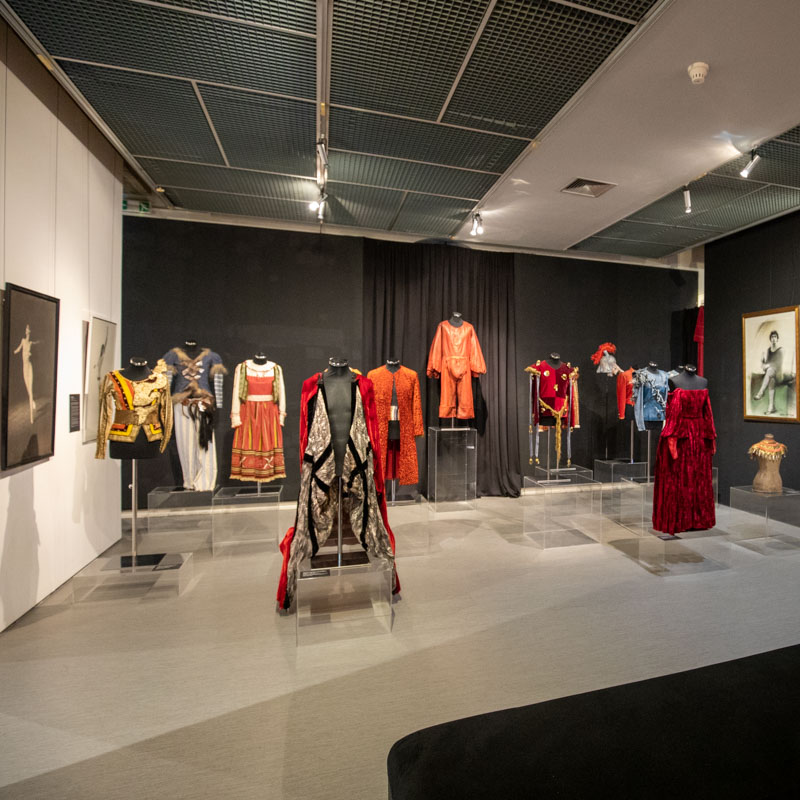
The stage costumes and theatrical dress form one of the most expressive groups in the museum, because they show how body, movement and character were conceived in theatre and dance. Set models and scenographic drawings help explain the visual construction of a performance before it reaches the stage. Posters, programmes, scores, records, caricatures and photographs reveal another essential dimension, that of publicity, criticism and the public memory of artists and companies. It is also worth paying attention to the contrast between the collection and the building that contains it. The museum display occupies a historic setting, yet it does not erase the traces of the former palatial atmosphere, still visible in the decoration and in the scale of the rooms. That dialogue between ephemeral arts and enduring architecture is one of the museum’s most distinctive qualities. The documentation centre and library extend this reading by bringing together archives, press cuttings, sound recordings and holdings connected to central figures and institutions in the Portuguese performing arts scene.
Gallery