Lisboa · Lisboa
Palácio dos Condes de Tomar - Brotéria
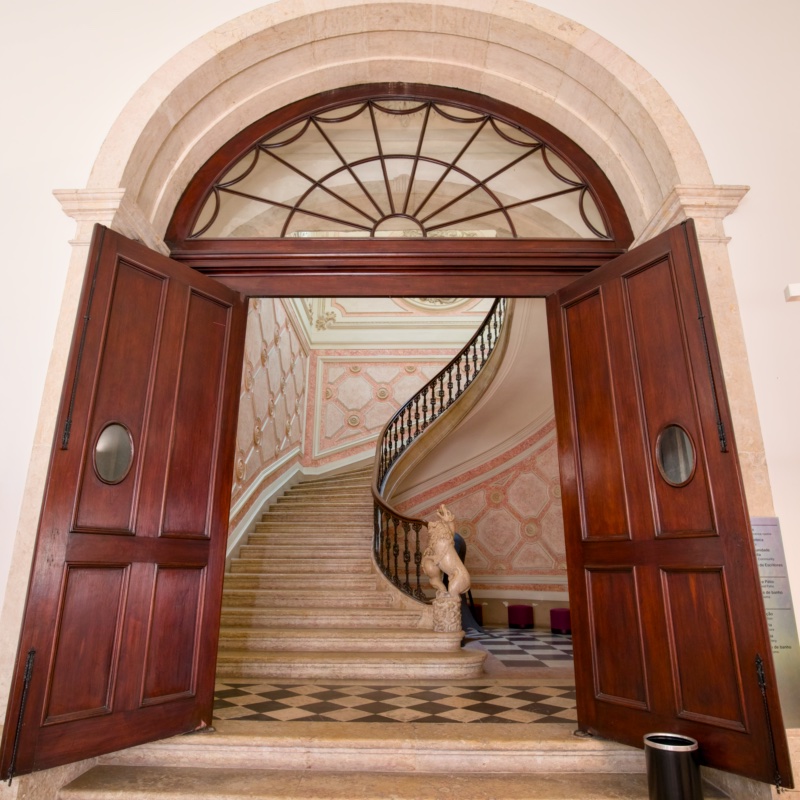
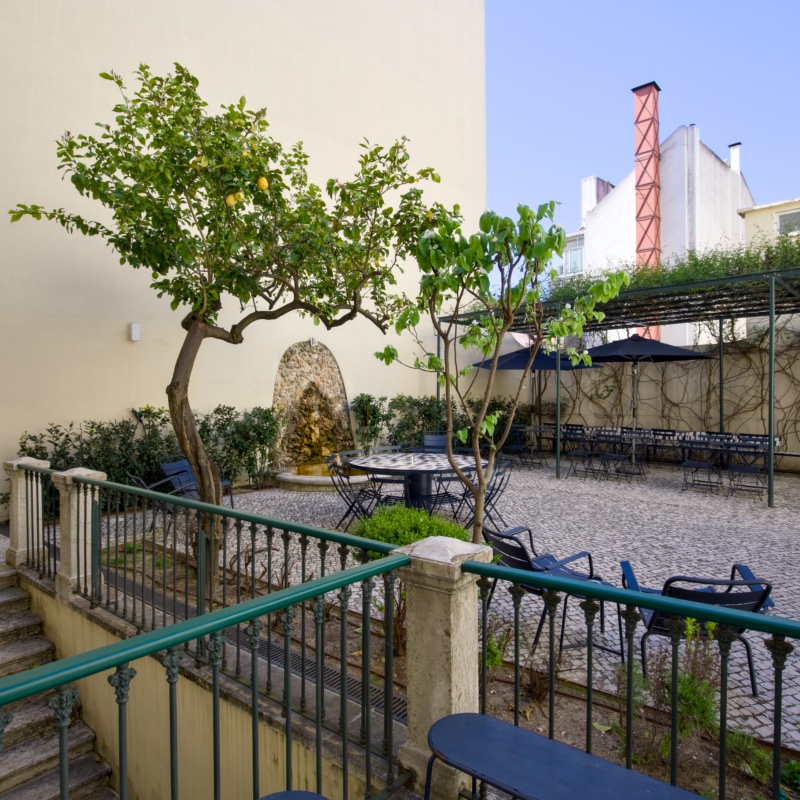
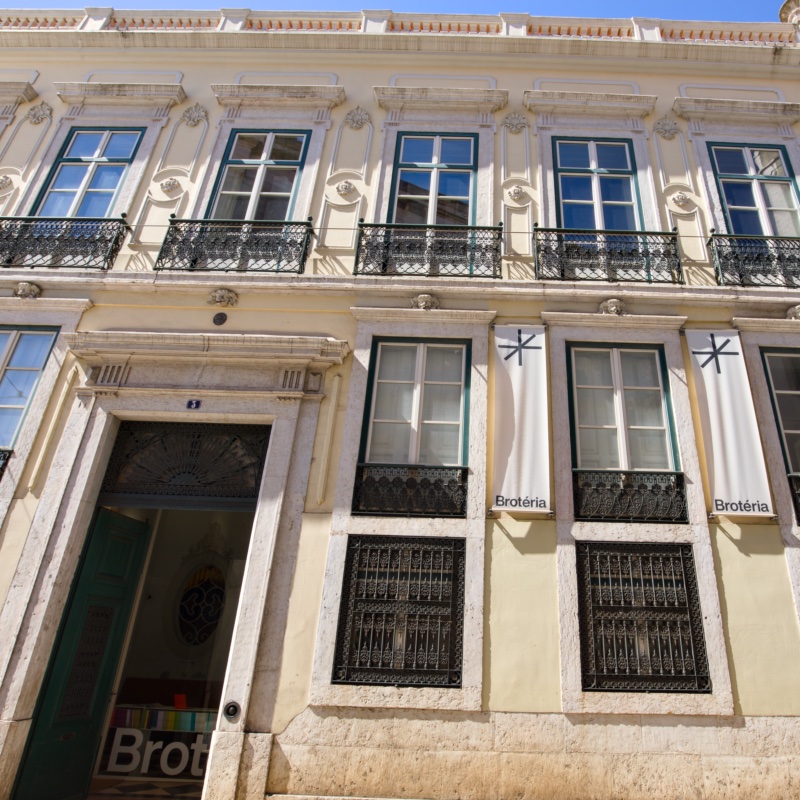
The Palace of the Counts of Tomar, in Lisbon, is today home to Brotéria, a cultural centre of the Society of Jesus. The building has its origins in 16th-century structures and gained its palatial form in the 19th century, linked to António Bernardo da Costa Cabral, first Count and Marquis of Tomar. Its history has passed through very different uses: it was an aristocratic residence, the headquarters of the Royal British Club and, for decades, Lisbon’s Municipal Newspaper and Periodicals Library. After being acquired by Santa Casa da Misericórdia de Lisboa and rehabilitated, it opened in 2020 as a house of culture. Brotéria brings together a magazine, library, gallery, bookshop, café and courtyard, bringing into the old palace a programme of thought, art and contemporary debate. The great central staircase and the interiors with Romantic decoration recall the building’s former life, now inhabited by books, exhibitions and public conversation.
Why it matters
The Condes de Tomar Palace, now associated with Brotéria, stands on Rua de São Pedro de Alcântara, beside Largo Trindade Coelho and the São Roque complex in Bairro Alto. Its history does not belong to a single building campaign: the origins of the property go back to the sixteenth century, when this part of the district was urbanised on land linked to the Trinitarian friars, and the palace later passed through several owners, including the Brito Freire family. In the mid nineteenth century, the complex was substantially enlarged and reshaped, first by Joaquim José Pereira de Sousa and later by the family of António Bernardo da Costa Cabral, 1st Count and 1st Marquis of Tomar, from whom it inherited its best-known name. In the twentieth century, the building took on new roles: it housed the Royal British Club between 1926 and 1966, then the Lisbon Municipal Newspaper Library between 1973 and 2012, and, after a major rehabilitation promoted by Santa Casa da Misericórdia de Lisboa, it became the home of Brotéria and the Society of Jesus, opening to the public as a cultural house in 2020. This sequence of uses explains its present value: more than a former aristocratic palace, it is a clear example of urban continuity and heritage reuse in Lisbon.
Architecture and history
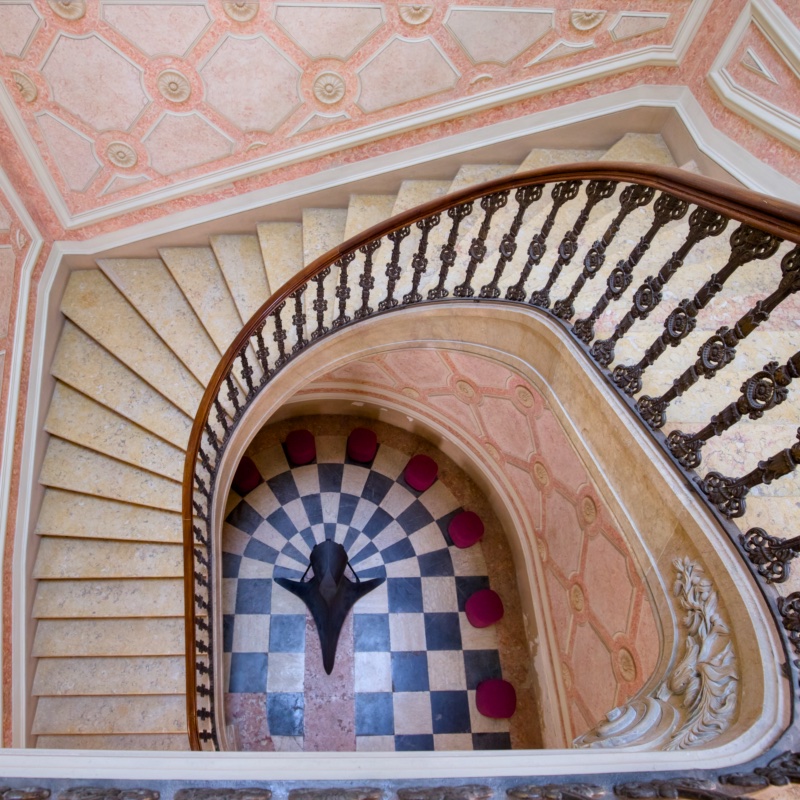
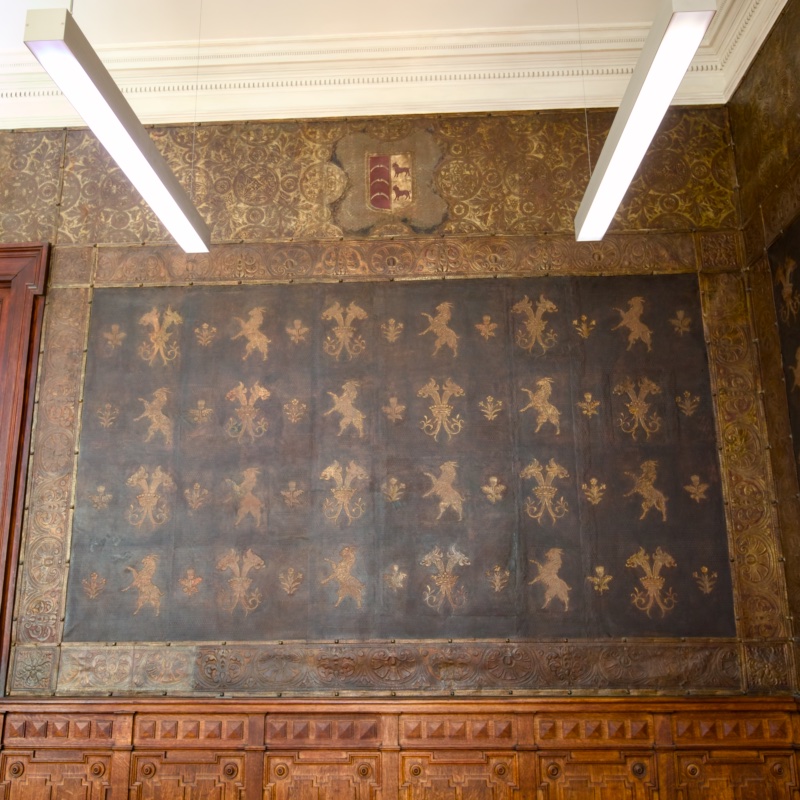
Architecturally, the palace has an L-shaped plan, a largely block-like volume and four storeys, with stone quoins and a stone plinth combined with facades opened by regularly arranged straight-lintel windows. Its present character is defined above all by a Romantic language, visible both in the exterior composition and in the interior decoration, where stucco, leather, painted and coloured glass, painted plaster, tiles and wrought iron appear together. The most distinctive feature is the grand staircase, inserted into the former inner courtyard: it is a rare solution, made up of a long uninterrupted flight rising in an elegant elliptical curve within a double-height space lit by a lantern skylight. Its theatrical effect is heightened by an elaborate stucco programme associated with Domingos Meira and by decorative motifs that include medallions of the Four Seasons, vegetal frames and a sculpture of a lion fighting a dragon at the base of the handrail. The noble floor once contained the former reception rooms connected to the house chapel. Taken together, these elements make the building a notable case of Lisbon’s Romantic residential architecture, constructed over older layers and reinterpreted with strong scenographic ambition.
More context
During a visit to the palace, the first highlight should be the monumental staircase itself, because it concentrates the artistic ambition of the ensemble and leads to the former noble floor. Visitors should then explore the spaces that now define Brotéria as a cultural house: the temporary exhibition gallery, conceived as a meeting ground between art and the city; the permanent contemporary art collection spread through the accessible rooms; and the research library, which holds around 95,000 books and 65,000 journals, including an old-book collection transferred to this house in 2019. The Snob bookshop and the inner courtyard also deserve attention, because they extend the experience of the building beyond heritage appreciation and show how the palace has been adapted to contemporary cultural uses. Whenever possible, guided visits are especially helpful in explaining the logic of the building, the collection and the library holdings, allowing visitors to connect the former aristocratic residence with its present cultural programme. Seen as a whole, the Condes de Tomar Palace does not merely preserve historic interiors: it offers a route where architecture, books, art and reflection coexist within the same heritage structure, open to the city.
Gallery