
Parque e Palácio de Monserrate

Sintra · Lisboa

Parque e Palácio de Monserrate

PalaceXVIIIPalace Architecture
Rua Visconde de Monserrate, 2710-591 Sintra4.7 Rating · 14,521120 min

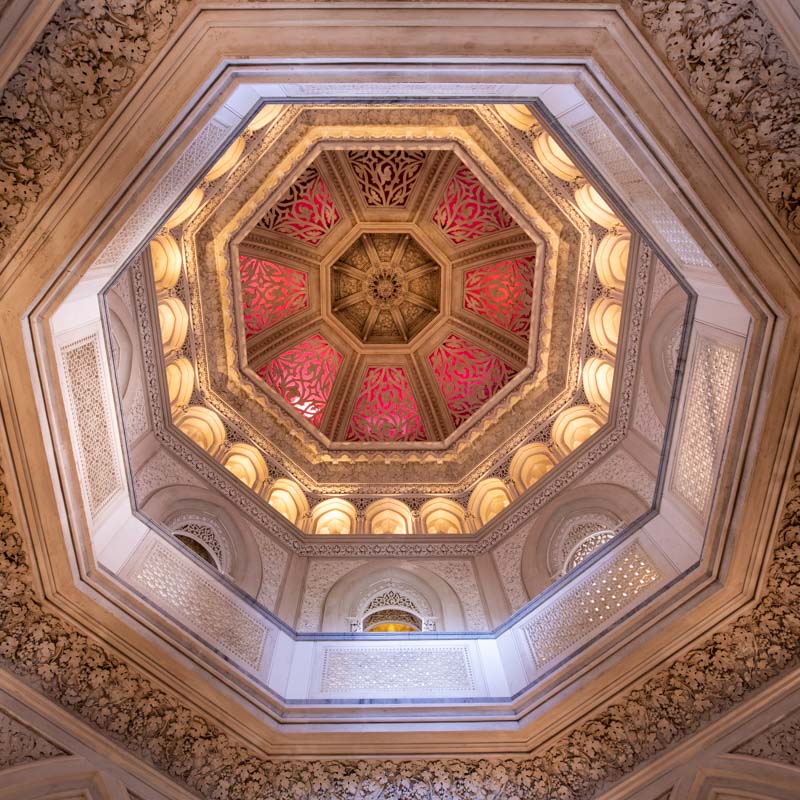
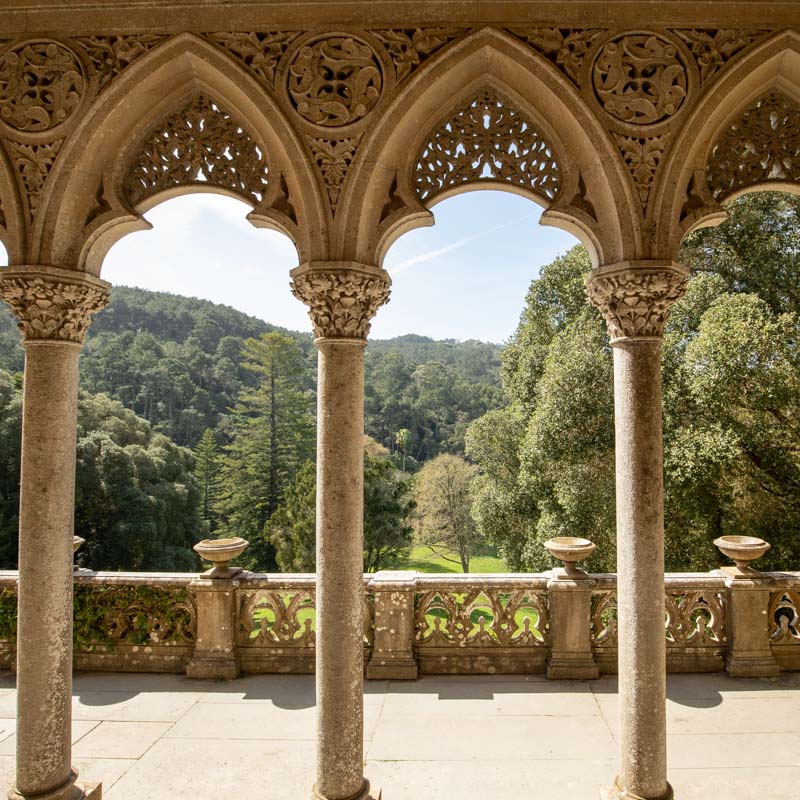
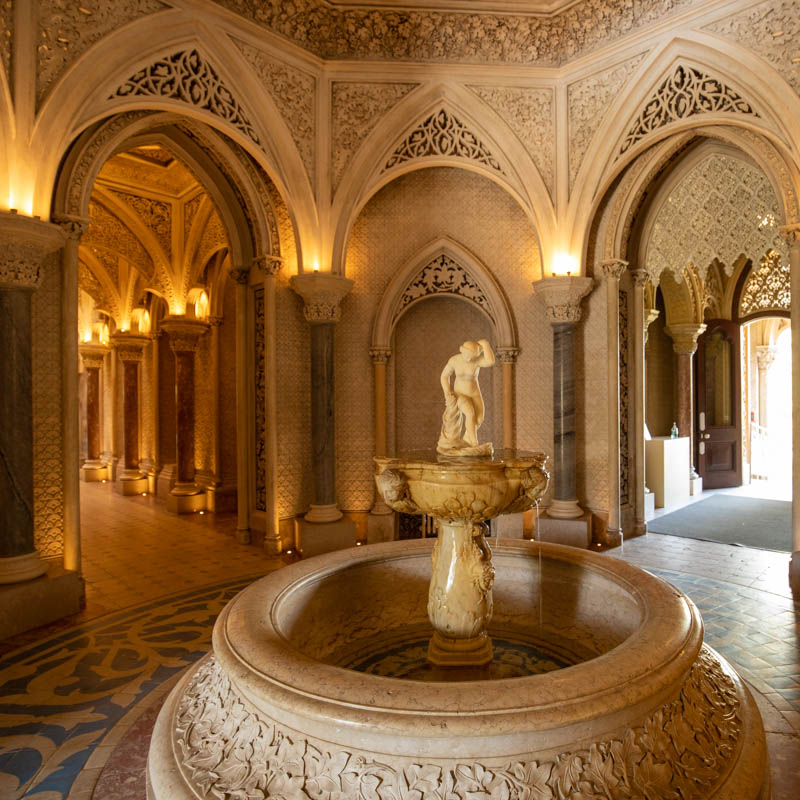
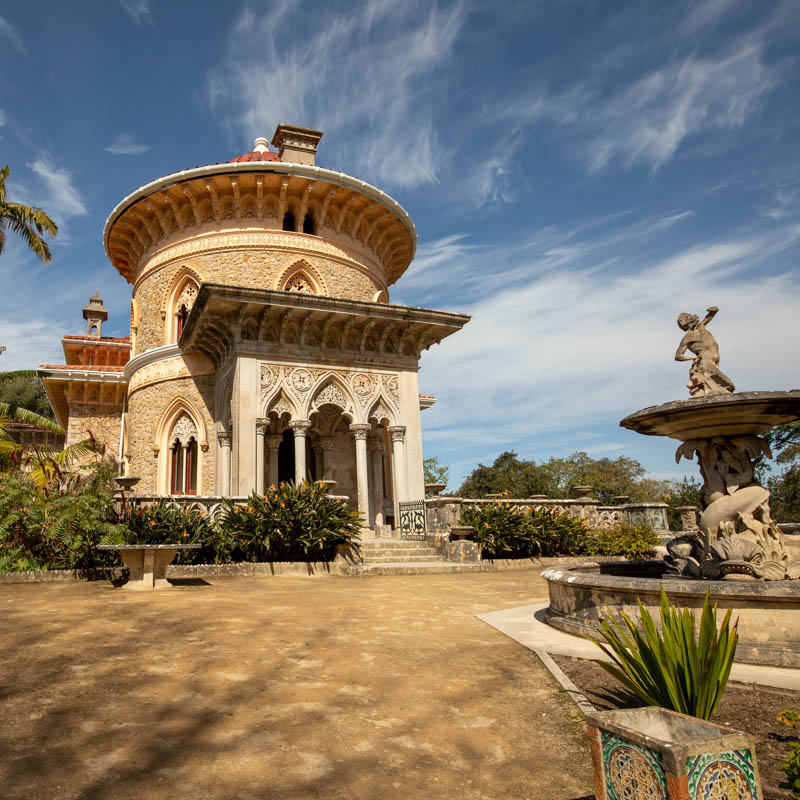
At Monserrate, Romanticism seems to have taken on an almost vegetal form. The story of the place begins in 1540, with the hermitage ordered by Frei Gaspar Preto, but the setting that dazzles visitors today gained a different scale in the nineteenth century: after the stay of William Beckford and the admiration that Lord Byron gave it in Childe Harold’s Pilgrimage, Francis Cook bought the estate in 1863 and had the palace built that still defines it today. Designed by James Knowles Junior, the building blends Gothic, Indian and Moorish echoes with unexpected lightness, especially in the octagonal atrium, where the sound of the fountain and the light filtered through the dome create an almost unreal atmosphere. Outside, the park matters as much as the palace: exotic species were arranged by geographical areas, taking advantage of the hills’ microclimates, and turned Monserrate into one of Portugal’s most remarkable botanical gardens. Among ruins, tree ferns, lakes and winding paths, everything here seems made to surprise without haste.

Why it matters

In the Sintra hills, Monserrate shows how an old religious and agricultural space was transformed into one of the most expressive Romantic creations in the Sintra landscape. Its documented history begins in 1540, when Frei Gaspar Preto ordered the construction of a hermitage dedicated to Our Lady of Monserrate. The 1755 earthquake left the place badly damaged, but the estate continued to attract foreign travellers, especially English visitors. In 1863, Francis Cook became the owner and commissioned the present palace, designed by James Knowles Jr. with Gothic, Indian and Moorish influences. The Portuguese Government acquired the property in 1949. Today, the Park and Palace of Monserrate forms part of the Cultural Landscape of Sintra, inscribed by UNESCO as World Heritage in 1995.

Architecture and history

The Central Gallery organises the interior as a circulation axis between rooms and towers. The corridor is covered with raised stucco in a Moorish pattern, paced by arches and columns, with overhead light that strengthens the perspective. At the centre of the palace, the octagonal hall preserves a fountain and receives light through the dome, where plant motifs cast cut-out shadows. This link between house and garden also appears in the decoration: leaves, stems, birds and flowers pass from the park into the interiors. Outside, the palace combines Gothic, Indian and Moorish references, without trying to copy a single historical model. Monserrate’s Romantic architecture works instead as an imaginative composition, where forms, light, colour and ornament help create continuity between building, garden and hills.

More context

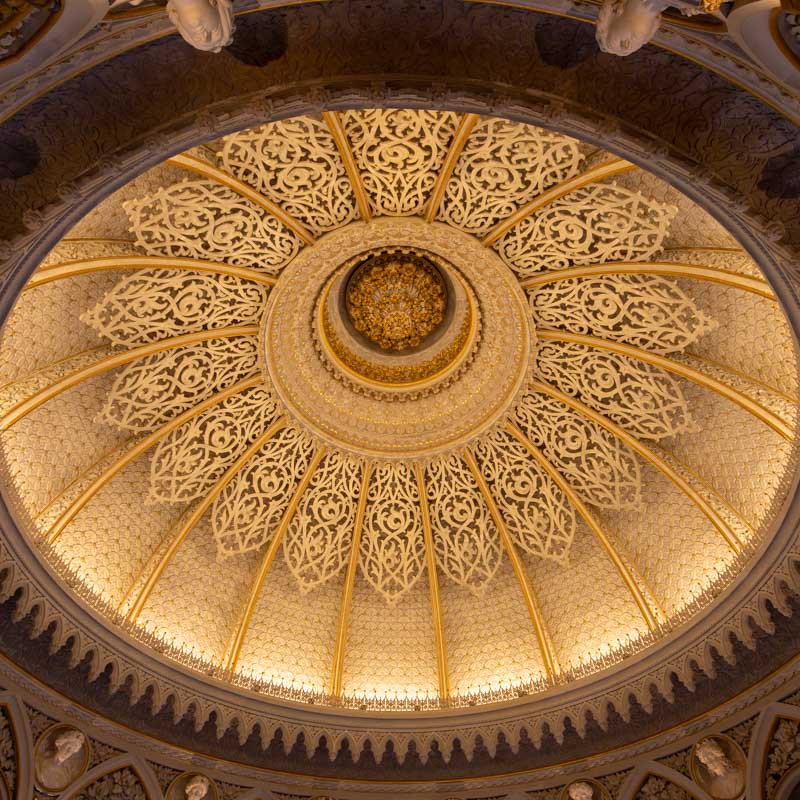
The octagonal hall helps explain the organisation of the house: it was the point where family and guests crossed paths before moving towards different areas of the palace. In the Music Room, notice the dome, the stucco busts of Apollo, the muses and Saint Cecilia, and the concern with acoustics. In the park, the paths reveal a botanical collection organised by environments and origins. The Fern Valley brings together tree ferns from Australia and New Zealand, placed in a humid valley facing north-west. The Mexican Garden and the Japanese Garden show how plants were used to build contrasting scenes. The false ruin, created from an earlier chapel, reminds us that in Romanticism landscape could also be staged.

Gallery

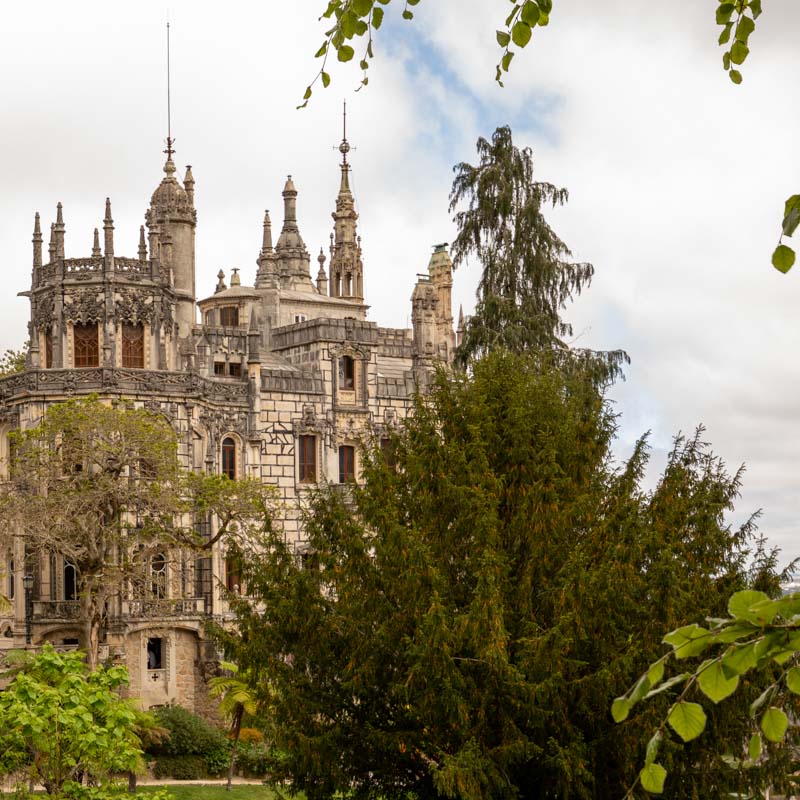
Parque e Palácio de Monserrate 1
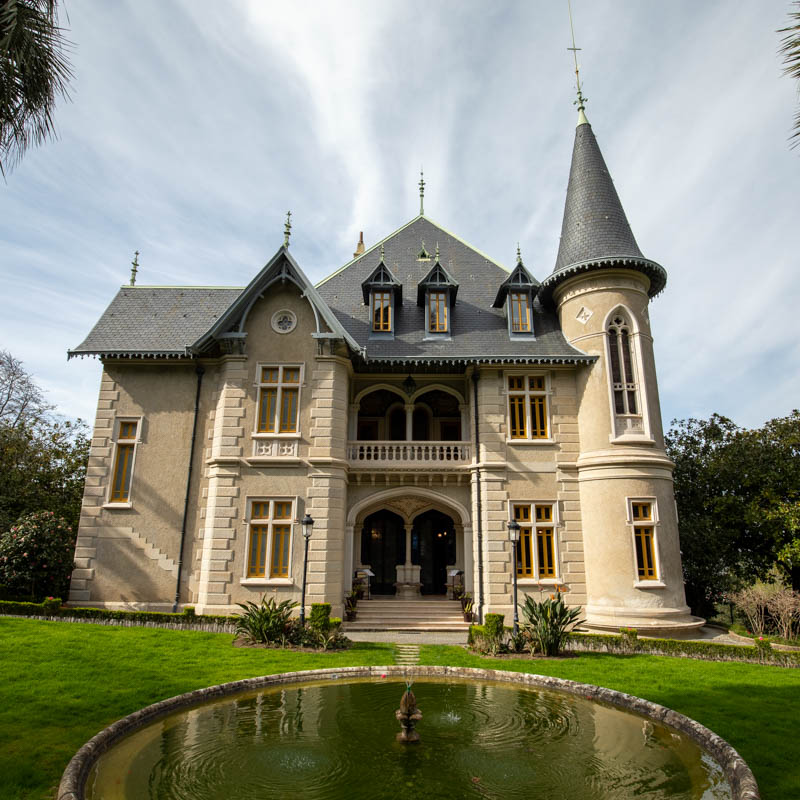
Parque e Palácio de Monserrate 2
Parque e Palácio de Monserrate 3
Parque e Palácio de Monserrate 4
Parque e Palácio de Monserrate 5

Nearby places

View all