Santuario do Senhor Jesus da Pedra

Óbidos · Leiria

Santuario do Senhor Jesus da Pedra

ChurchXVIIIReligious Architecture
Largo do Santuário, 2510-071 Óbidos4.4 Rating · 1,09030 min

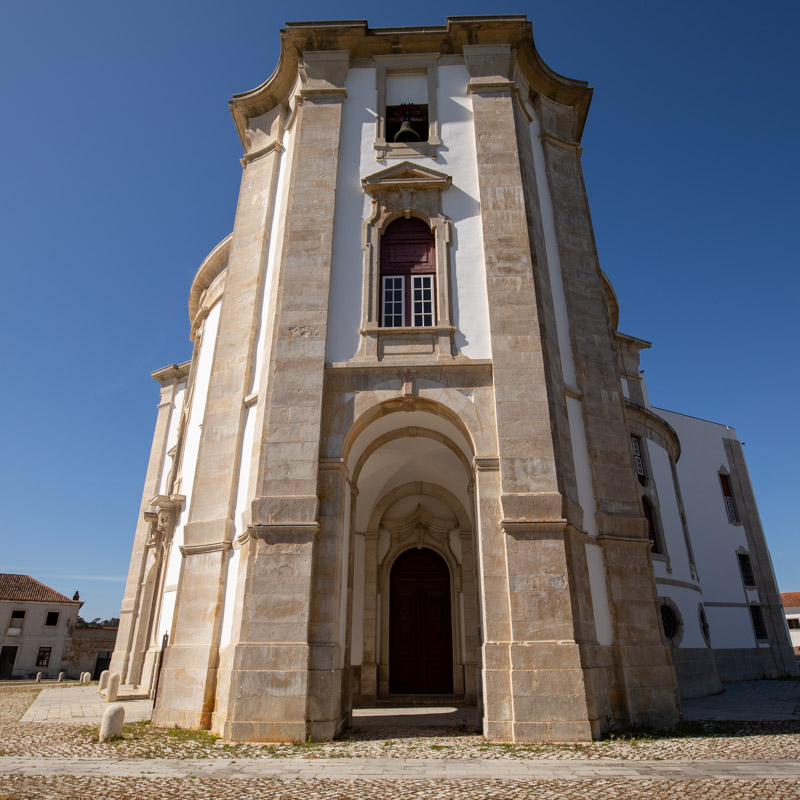
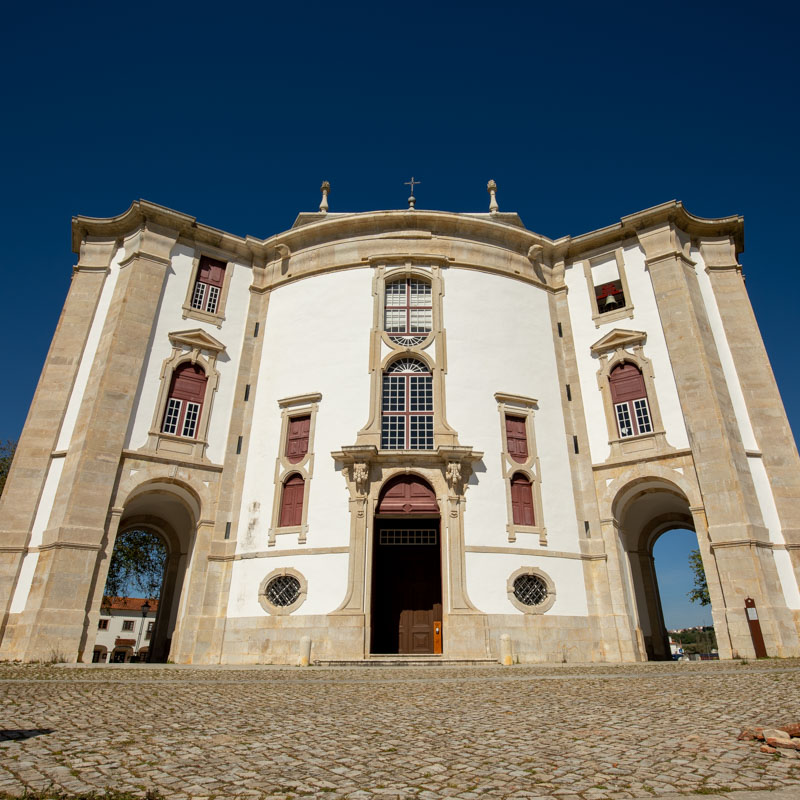
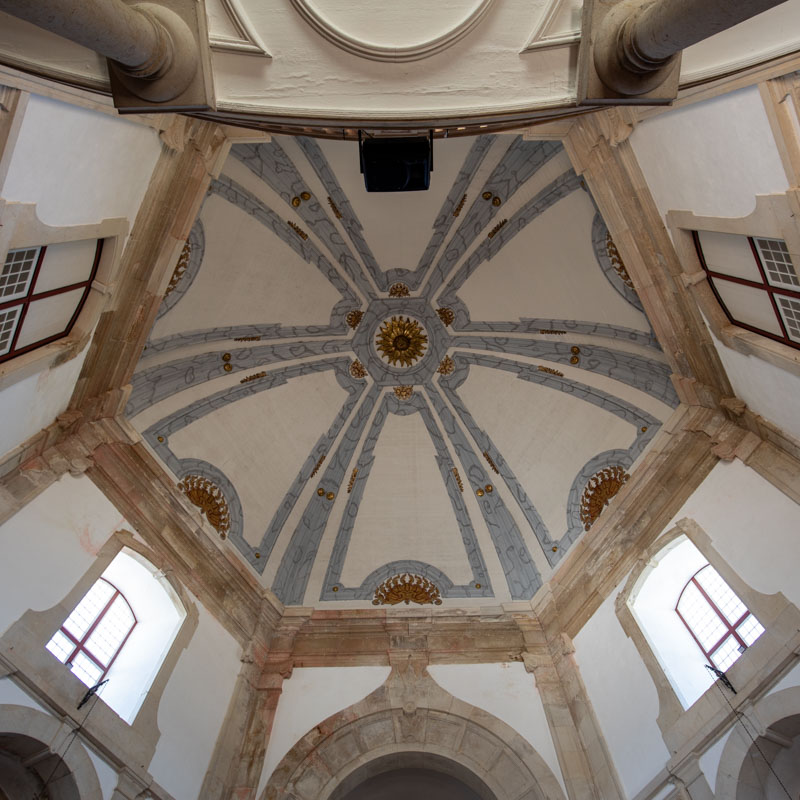
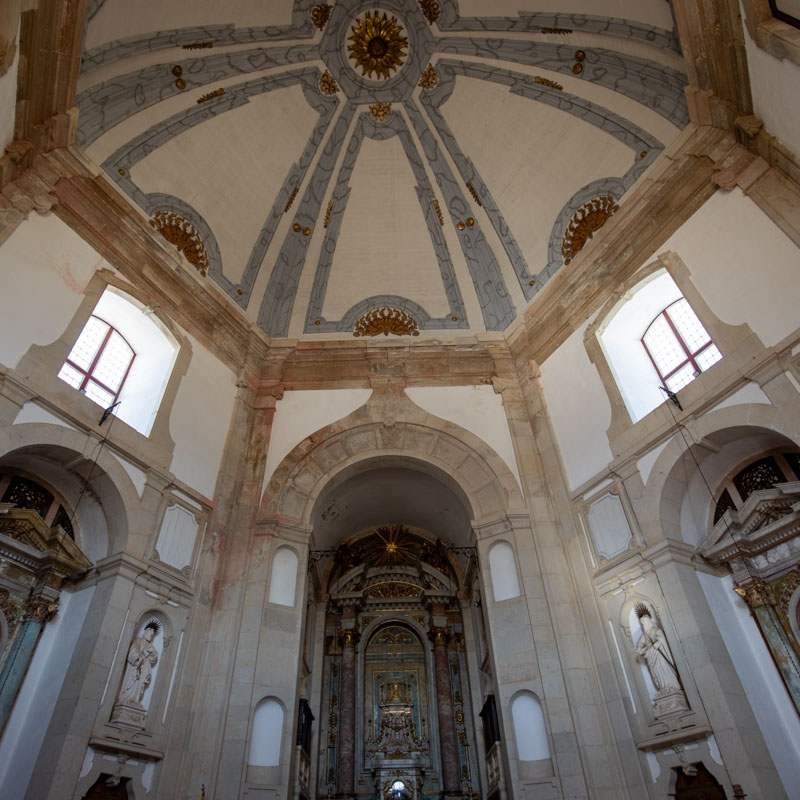
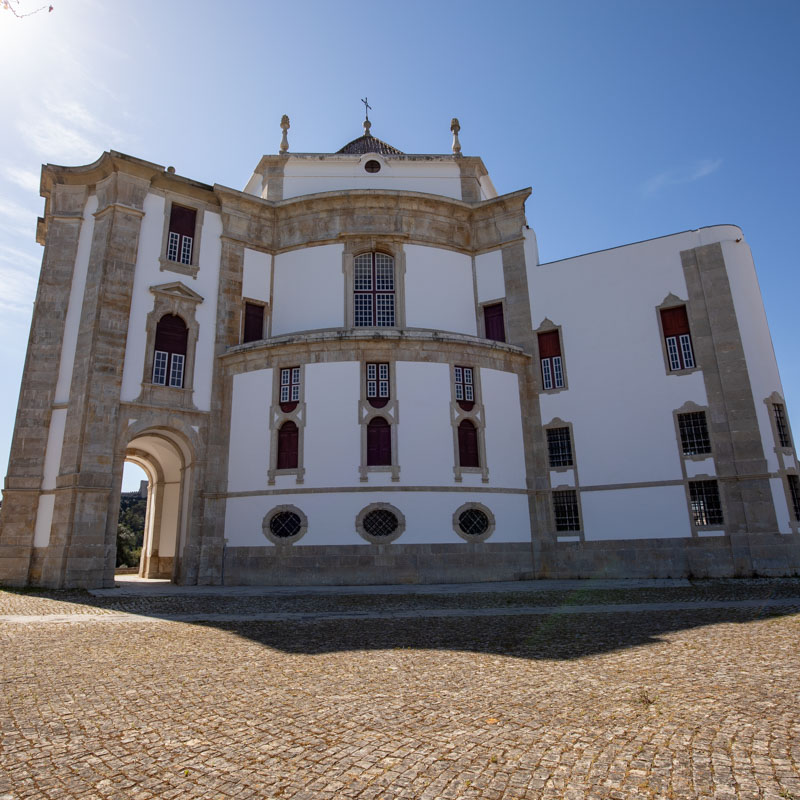
Outside the walls of Óbidos, beside the road to Caldas da Rainha, the Sanctuary of Senhor Jesus da Pedra stands out for its unusual form and for the devotion that gave rise to it. The present church was built between 1740 and 1747, to a design by Captain Rodrigo Franco, architect of the Patriarchal See, in a period associated with the patronage of D. Tomás de Almeida and King João V. Its centralised plan combines a cylindrical exterior body with a hexagonal interior; around it are arranged the chancel, the sacristy and the bell towers. In the churchyard remain the pilgrims’ lodging house and a Rococo fountain. Inside, the chancel holds the stone image of the Crucified Christ, placed in a small shrine within the altarpiece, accompanied by a painting of Calvary by André Gonçalves. Classified as a Monument of Public Interest in 2013, it preserves, in its open forecourt, a direct visual relationship with the town of Óbidos.

Why it matters

Outside the walls of Óbidos, on the old road to Caldas da Rainha, the Sanctuary of Senhor Jesus da Pedra was born as a place of pilgrimage. The devotion is linked to the tradition of the discovery of a stone cross with the image of Christ, sought by farmers in years of drought. In the early eighteenth century, this image was already kept in a small wooden chapel, too modest for the number of devotees. The present sanctuary was built between 1740 and 1747, with a design attributed to Captain Rodrigo Franco, architect of the Patriarchal Mitre. The work belongs to the cycle of major religious commissions associated with D. Tomás de Almeida and D. João V. In 2013, the ensemble was recognised as a Monument of Public Interest, including the sanctuary, the forecourt and its immediate surroundings.

Architecture and history

The central body is striking for its unusual solution: an exterior volume with a circular reading is combined with a hexagonal interior plan. The six-sided roof, covered with green glazed tiles, reinforces the building’s distinctive silhouette when seen from the forecourt. The main façade faces the town and is framed by two square-plan bell towers. The monumental portal and the large windows reveal a curious play of doubled and inverted openings, a detail that the sources associate with parts of the work that were never completed. Inside, corridors follow the sides of the hexagon and give access to the side chapels and tribunes. The chancel holds the venerated stone cross, placed in a small shrine at the centre of the altarpiece, with a painting of Calvary.

More context

The forecourt helps explain the sanctuary’s pilgrimage function, as it extends the religious experience beyond the church itself. Notice the Rococo fountain with its back panel and the former pilgrims’ house, elements that recall the arrival and stay of devotees. On the façade, look at the inverted windows and the base of the balcony that was never completed, discreet signs of an ambitious and unfinished project. Inside the church, the centralised space changes the usual relationship between visitor, altar and chapels: the eye moves around the hexagon before settling on the chancel. The stone cross of Senhor Jesus da Pedra is the devotional core of the building. The side chapels, tile panels, Baroque woodcarving, marbles and sculptures of the Apostles complete the reading of a sanctuary designed to receive faith, image and movement.

Gallery

Santuario do Senhor Jesus da Pedra 1
Santuario do Senhor Jesus da Pedra 2
Santuario do Senhor Jesus da Pedra 3
Santuario do Senhor Jesus da Pedra 4
Santuario do Senhor Jesus da Pedra 5

Nearby places

View all