Lisboa · Lisboa
Tapada das Necessidades
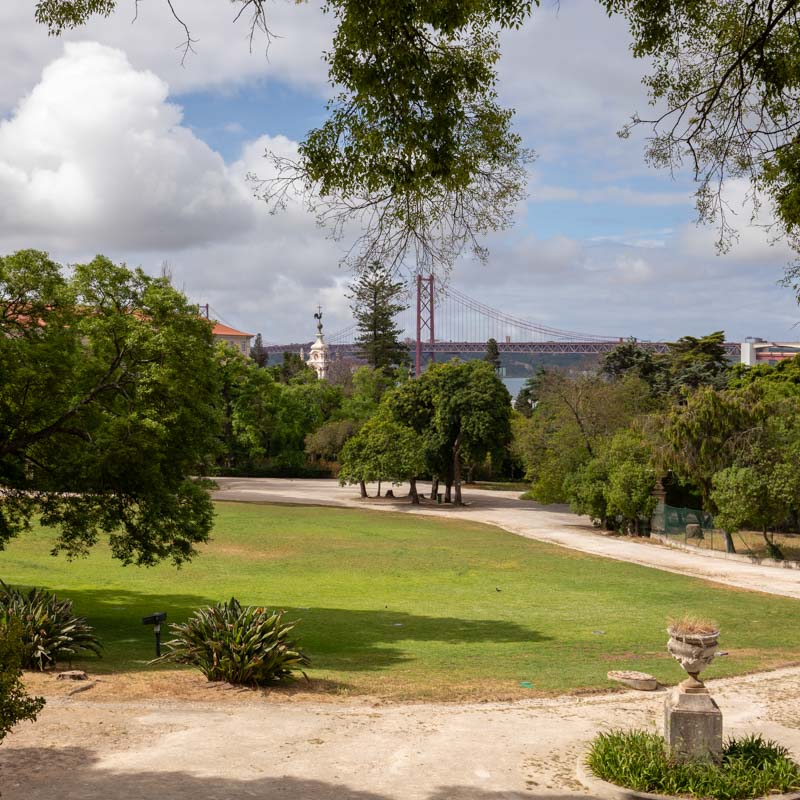
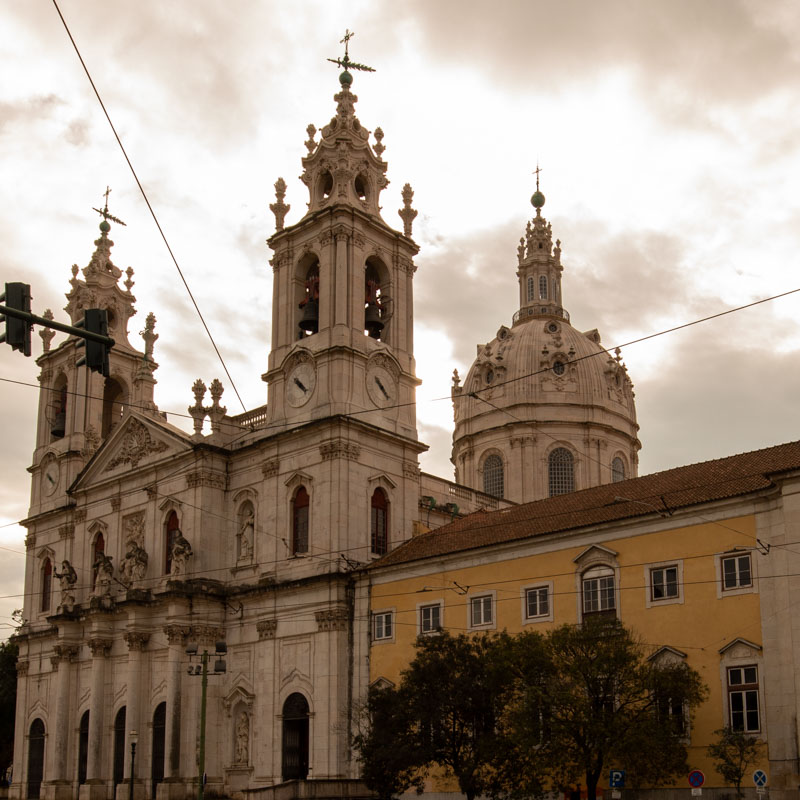
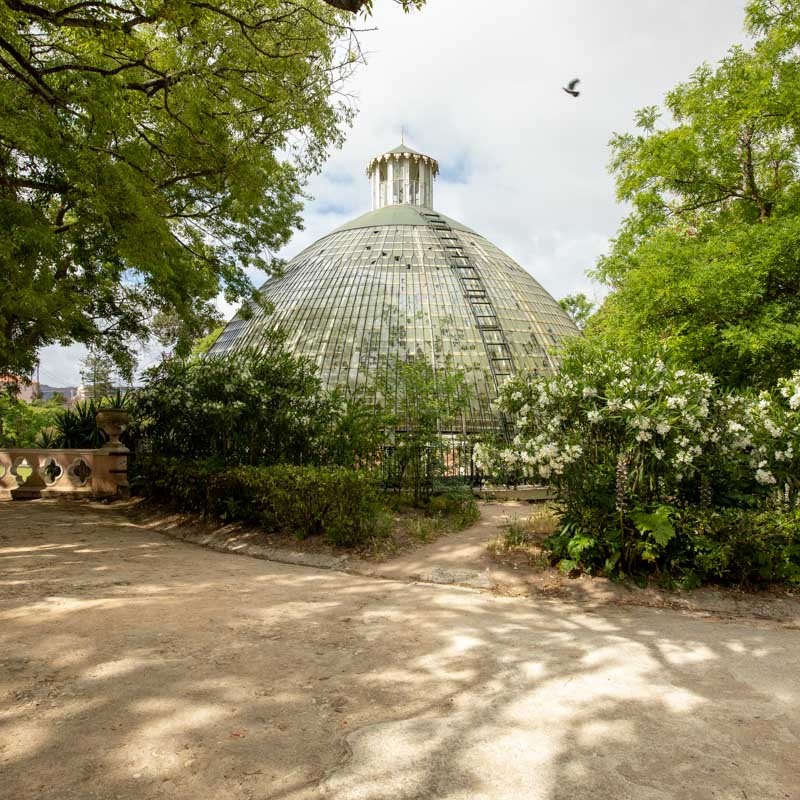
At Tapada das Necessidades, Lisbon keeps a garden where the idea of a Romantic park still lives alongside traces of court life. Created in 1742 beside the complex of Our Lady of Necessities, it began as a walled enclosure linked to the palace and convent, and for a long time it remained a space reserved for monarchs. In the nineteenth century, the grounds gained lakes, exotic vegetation and the character of an English garden, which still gives the place the feeling of a discreet retreat within the city. Between 1855 and 1861, the circular greenhouse commissioned by King Pedro V was added; later, Casa do Regalo and other small pavilions strengthened the site’s theatrical quality. Today, among clearings, shaded paths and Romantic structures, it becomes clear that this is not simply a large garden: it is a rare fragment of Lisbon where landscape and royal memory still mingle.
Why it matters
Tapada das Necessidades began as part of the former royal Necessidades estate, on a Lisbon hillside facing the Tagus. In 1742, King João V ordered the enlargement of the existing hermitage and, using the surrounding agricultural land, created a complex that included a convent, palace and areas for gardens and production. The word “tapada” recalls this character as an enclosed area protected by walls. In the 19th century, the estate gained a new landscape design: in 1843, King Fernando ordered former vegetable-garden areas to be redesigned as an English garden, a task attributed to the gardener Bonard. Between 1855 and 1861 the circular greenhouse was built, and in the late 19th century the tennis court and Casa do Regalo appeared. Today, the Tapada reveals several layers of use: devotion, royal residence, leisure, botanical experimentation and public garden.
Architecture and history
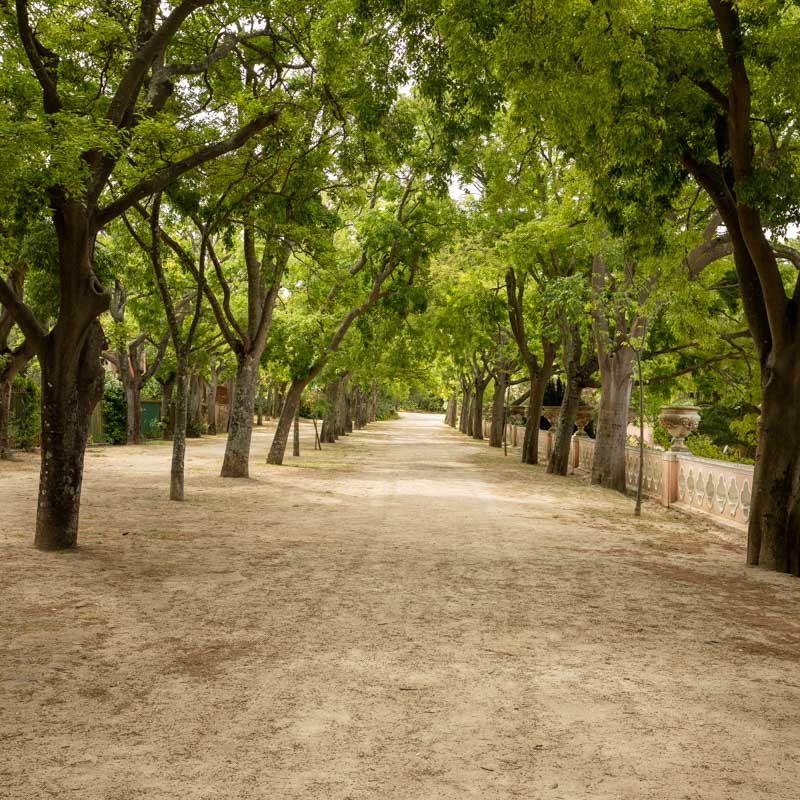
The walled enclosure, covering about 10 hectares, preserves the feeling of an estate set apart from the city. Paths, terraces, retaining walls and wooded areas follow the slope of the ground and help visitors understand how the landscape was organised. The circular greenhouse is one of the garden’s most expressive features, because of its unusual form and its memory of horticultural and botanical experiments connected with the former estate. The Casa de Fresco, Casa do Regalo, mill, pavilions associated with the former Zoological Garden and the south gatehouse show that the Tapada was not only a walking park: it included buildings for leisure, service and support. Water also structures the site, through lakes, tanks, fountain, cascade and remains related to the Galeria das Necessidades, linked to the Águas Livres Aqueduct system.
More context
The three lakes known as da Palmeira, das Estrelícias and do Duque de Lafões help trace the romantic route of the garden, where water creates pauses between lawns, trees and paths. Notice the stonework, ornamental vases, columns and sculptures, including the group associated with the Virtues, as they show the care taken to turn nature into a cultivated setting. The circular greenhouse and Casa de Fresco deserve attention for the way they connect garden, shade, water and plants. The Casa do Regalo and the area of the former Zoological Garden recall leisure uses that have now disappeared. Vegetation is an essential part of the visit: the Tapada preserves trees of public interest, exotic species, woodland areas, a cactus garden and alignments that reveal the long botanical history of the site.
Gallery