Leiria areas

Leiria

Óbidos

2 places in Leiria.

Map
CastleChurch
Castelo de Óbidos4.7

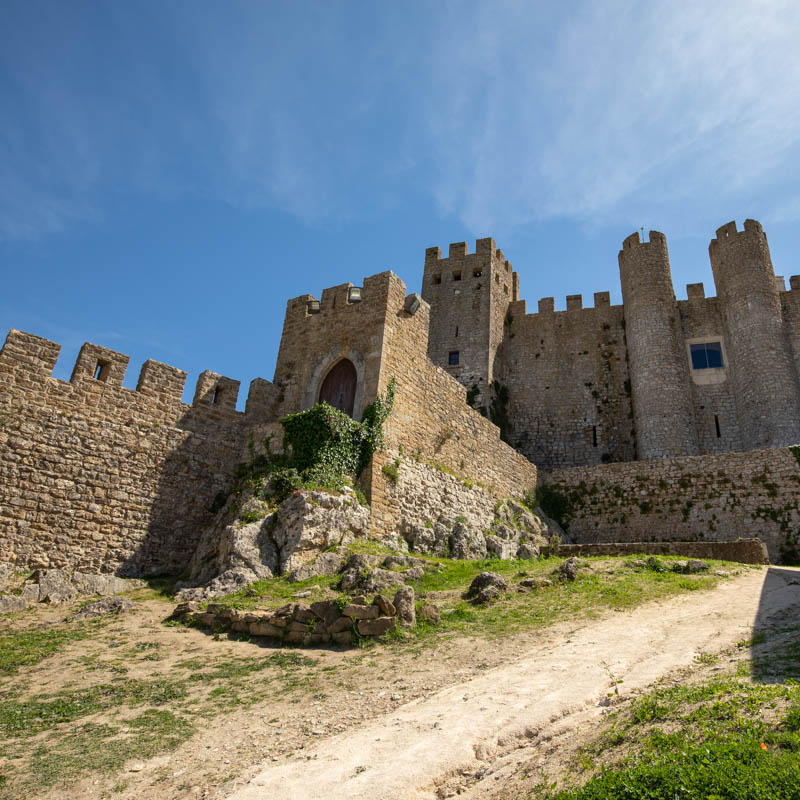
Castelo de Óbidos

Castle • Óbidos, Leiria

In Óbidos, the castle does not merely dominate the town: it almost merges with it. Raised on an ancient fortified site, consolidated in the Muslim period and taken by the Christians in 1148, it was enlarged by several kings, above all Dinis and Fernando, until it gained the ring of walls that still shapes the skyline today. In 1210, the town passed to the House of the Queens, and the castle also became a residence sought by the court, leaving Óbidos with a very distinctive royal memory. In the Paço dos Alcaides, the Manueline windows recall that palatial dimension, while the ramparts reveal how fortress and houses form a single body. There is, however, a less obvious detail: part of the medieval image that captivates visitors today was also fixed by twentieth-century restorations. Perhaps that is why Óbidos is so striking: it seems untouched, yet it is also a patient construction of memory.
Santuario do Senhor Jesus da Pedra4.4

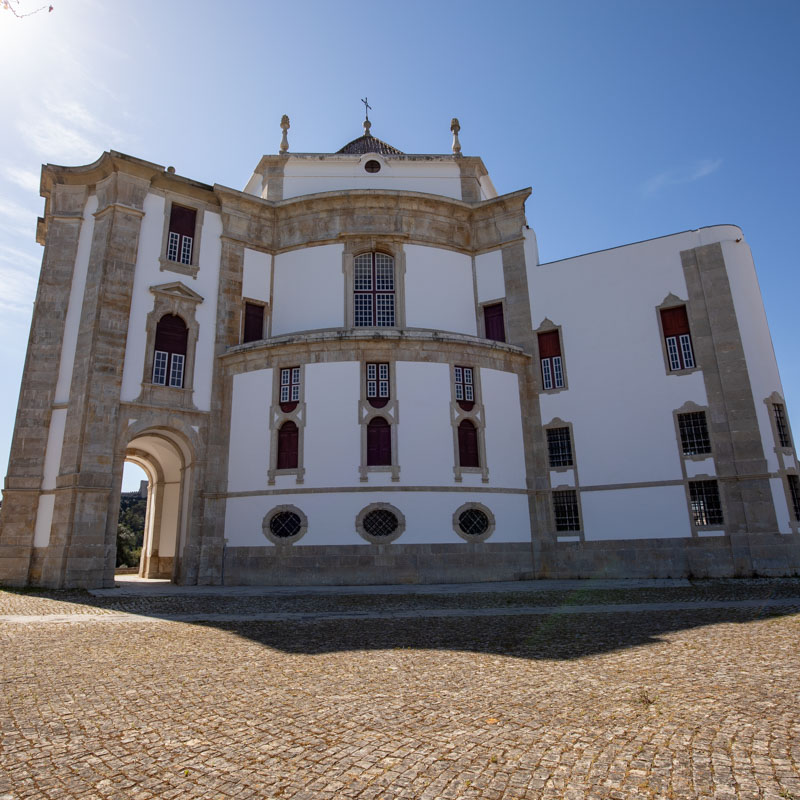
Santuario do Senhor Jesus da Pedra

Church • Óbidos, Leiria

Outside the walls of Óbidos, beside the road to Caldas da Rainha, the Sanctuary of Senhor Jesus da Pedra stands out for its unusual form and for the devotion that gave rise to it. The present church was built between 1740 and 1747, to a design by Captain Rodrigo Franco, architect of the Patriarchal See, in a period associated with the patronage of D. Tomás de Almeida and King João V. Its centralised plan combines a cylindrical exterior body with a hexagonal interior; around it are arranged the chancel, the sacristy and the bell towers. In the churchyard remain the pilgrims’ lodging house and a Rococo fountain. Inside, the chancel holds the stone image of the Crucified Christ, placed in a small shrine within the altarpiece, accompanied by a painting of Calvary by André Gonçalves. Classified as a Monument of Public Interest in 2013, it preserves, in its open forecourt, a direct visual relationship with the town of Óbidos.