Lisboa areas

Lisboa

Oeiras

3 places in Lisboa.

Map
AquariumGardenLighthouse
Aquário Vasco da Gama4.6

Aquário Vasco da Gama

Aquarium • Oeiras, Lisboa

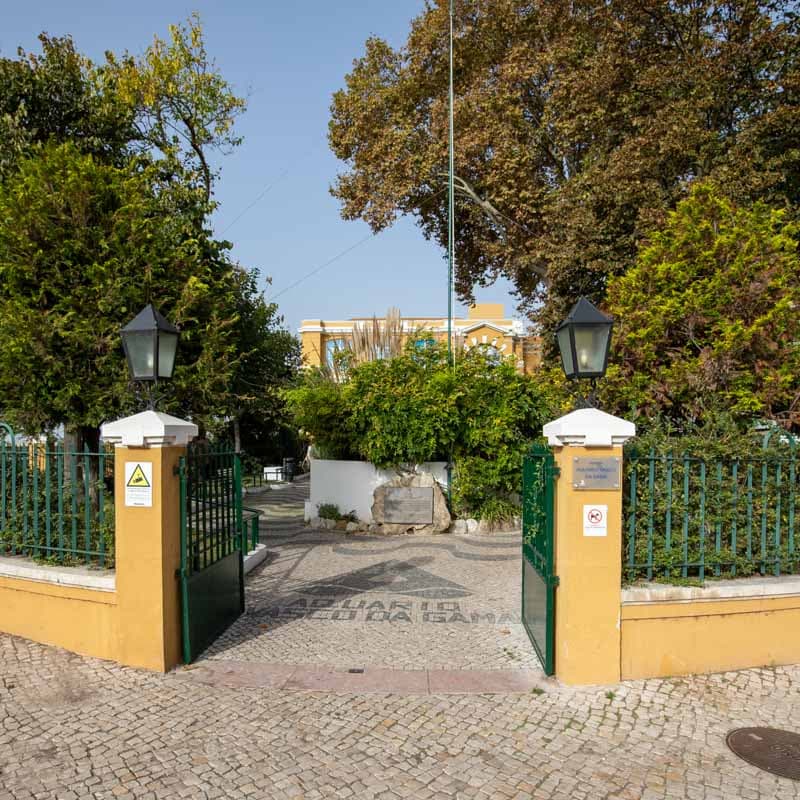
The Aquário Vasco da Gama, in the municipality of Oeiras, combines living animals with a museum connected to the history of marine research. At its opening in 1898, King Carlos the First exhibited specimens collected on his oceanographic expeditions. These returned in 1935 as part of a collection that became central to the institution. Fishermen contributed too, giving animals that helped reveal the diversity of Portuguese waters. Over time, the museum grew and developed techniques for preparing specimens and making reproductions. The shell exhibition and aquariums offer different ways of understanding nature. Behind each collection lies the work of gathering, studying and preserving that sustains the scientific life of this place.
Jardins do Palácio Marquês de Pombal4.7

Jardins do Palácio Marquês de Pombal

Garden • Oeiras, Lisboa

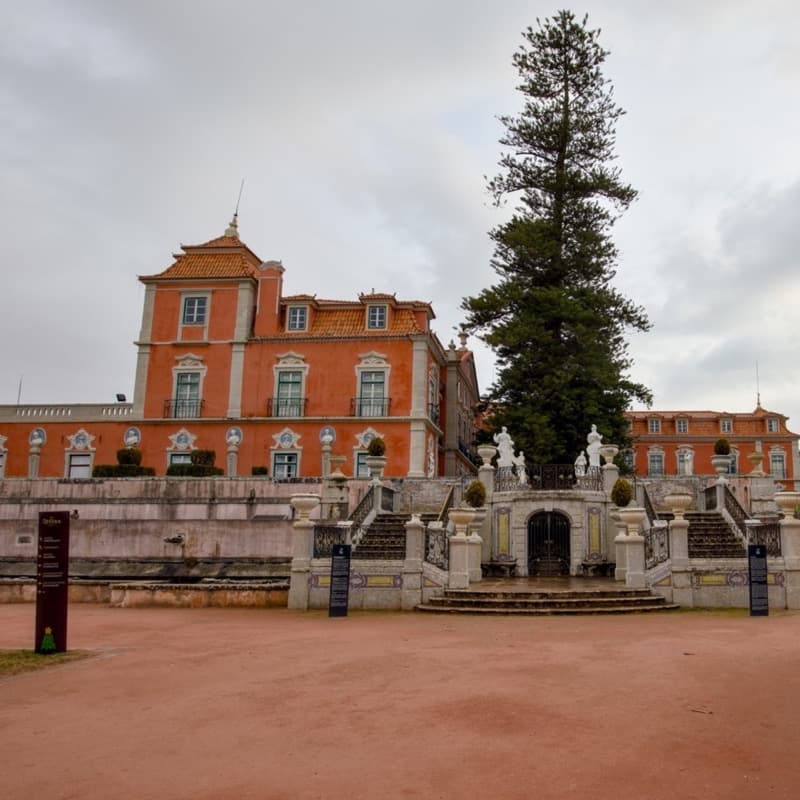
In the gardens of the Marquis of Pombal’s Palace in Oeiras, fountains, tiles and stairways tell the story of an estate that combined leisure with agricultural production. Created by the Carvalho family in the eighteenth century, it had ornamental gardens alongside a wine cellar, presses and a watermill. At the Poets’ Cascade, an allegory of the Tagus shares its setting with busts of Homer, Virgil, Tasso and Camões. Elsewhere, the Fonte dos Embrechados combines shells, stone, crockery and glass, including Leonor and Sebastião’s initials. Tiles on walls and benches show boats, plants and mythological scenes. Open to the public since 2004, the garden preserves small details that reward an unhurried walk.

Farol do Bugio4.8

Farol do Bugio

Lighthouse • Oeiras, Lisboa

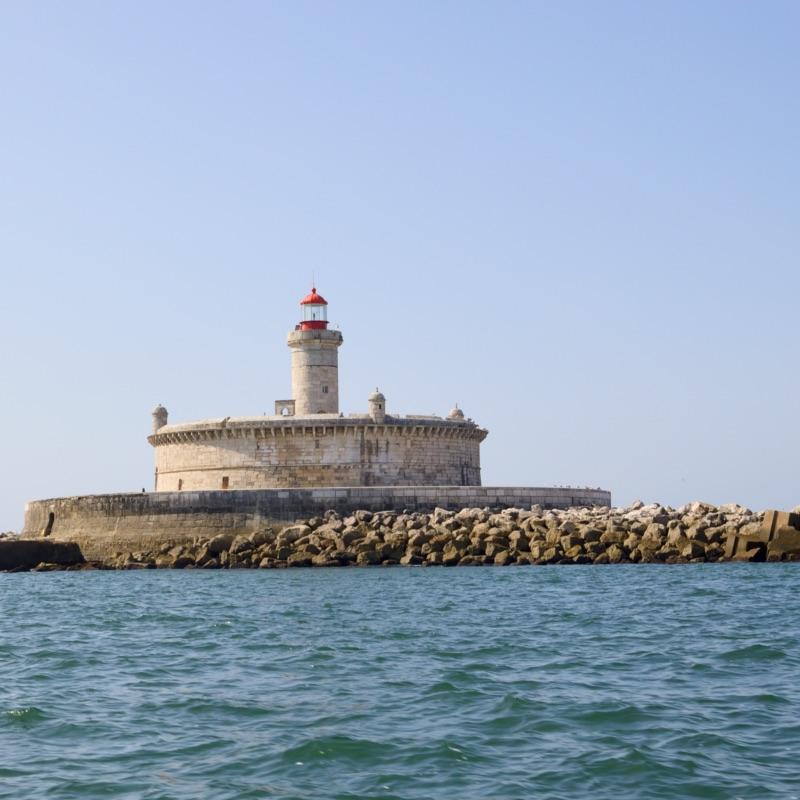
The Farol do Bugio stands within a circular fortress on the Cabeça Seca sandbank, at the entrance to the Tagus. Its guns were intended to provide crossfire with those of São Julião da Barra and protect Lisbon. The rounded design helped withstand the sea and made it easier to move the artillery. But this place was also a home. Some lighthouse keepers lived here with their families, going ashore once a month to buy supplies. Later, their work was organised into shifts, with changeovers dependent on sea conditions. Automation eventually removed the need for keepers to remain permanently on site. Today, the tower continues to guide coastal navigation above the walls of the old fort.