Setúbal areas

Setúbal

Almada

6 places in Setúbal.

Map
ConventMonumentMuseumMuseum ShipPalace
Cristo Rei4.6

Cristo Rei

Monument • Almada, Setúbal

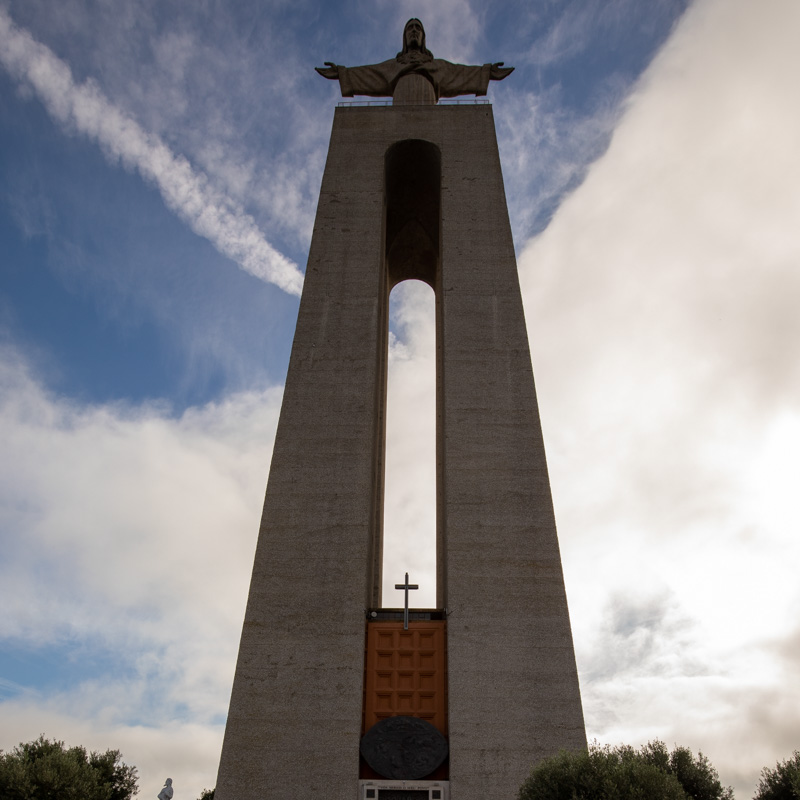
High above Pragal, with arms open over the Tagus, Cristo Rei has become one of the most striking shapes in Lisbon’s skyline, although it already belongs to Almada. The idea was born when Cardinal Cerejeira saw Christ the Redeemer in Rio de Janeiro, yet the monument gained its deepest meaning in the vow made by the Portuguese bishops in 1940: if the country were spared from the Second World War, a great sign of gratitude and peace would be raised here. Inaugurated in 1959, with a design by António Lino and sculpture by Francisco Franco, the ensemble joins the solemn scale of a sanctuary to the simple force of a figure turned towards the city. It is worth noticing the void between the four pillars and letting your eyes rise to the open arms before lingering at the viewpoint, where the Tagus and Lisbon seem to unfold in a single breath.
Fragata D. Fernando II e Glória4.7

Fragata D. Fernando II e Glória

Museum Ship • Almada, Setúbal

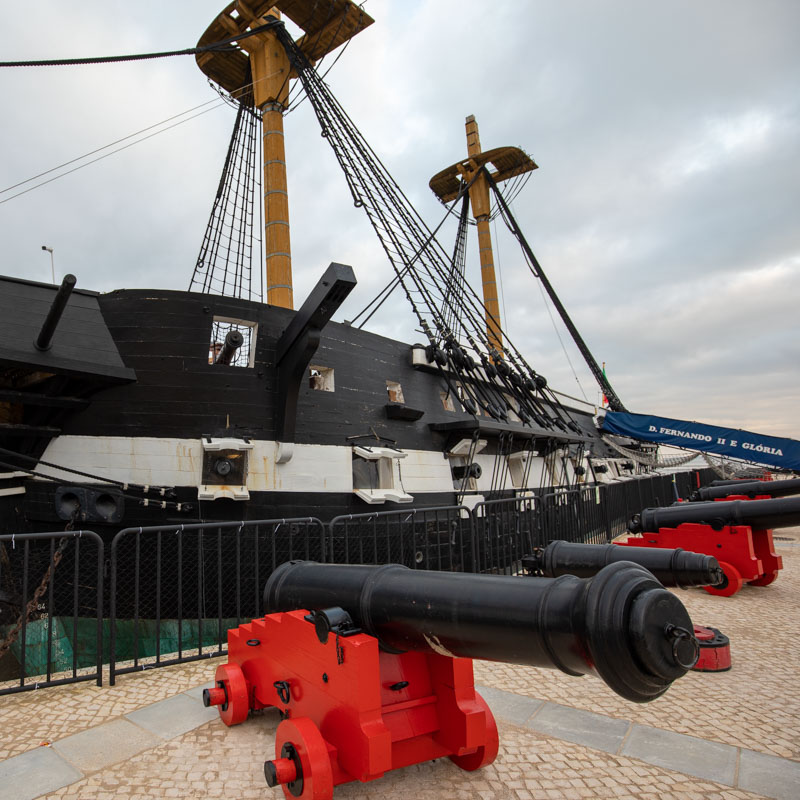
Some ships seem to contain an entire empire within them, and the frigate D. Fernando II e Glória is one of them. Built in Daman and launched in 1843, it was the last great ship of the Portuguese Navy to sail entirely under canvas and the last to serve the India Run. Over 33 years it covered more than 100,000 nautical miles in a succession of voyages linking Lisbon to Portugal’s overseas world. It later served as the Naval Artillery School, housed a social institution for disadvantaged boys and, in 1963, was nearly lost in a fire that left it half-submerged. Restored and opened to the public in 1998, it returned as a museum ship. During a visit, it is worth lingering on the main deck, the gun deck and the cabins: among the masts, the teak wood and the cramped spaces, the hardship and scale of life on board become easier to grasp. Remarkably, it never entered combat.

Casa da Cerca4.7

Casa da Cerca

Museum • Almada, Setúbal

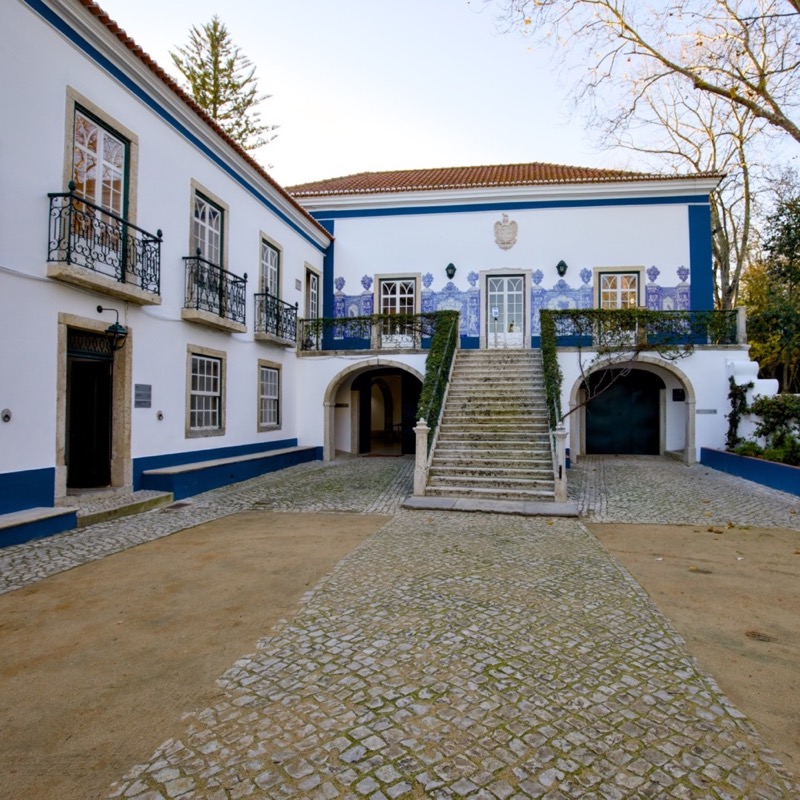
High above Almada Velha, facing Lisbon and the Tagus, Casa da Cerca brings together an old leisure estate and one of the most distinctive cultural projects on the south bank. Built between the late seventeenth and early eighteenth centuries, the manor house was enlarged over time; in the chapel survive tile panels attributed to Master P.M.P., and in the oldest part there are still traces of a blocked sixteenth-century doorway. After decades of private use and a period of neglect, the building was restored by the municipal council and opened in 1993 as a Centre for Contemporary Art, through the initiative of Rogério Ribeiro, with special attention to drawing. The garden deepens that rare identity: O Chão das Artes, inaugurated in 2001, brings together botany, art and science through plants linked to pigments, fibres, oils and other materials used in artistic creation. Between the white house, the walls and the light on the river, the place has the calm of a belvedere and the curiosity of a laboratory.

Submarino Barracuda4.6

Submarino Barracuda

Museum Ship • Almada, Setúbal

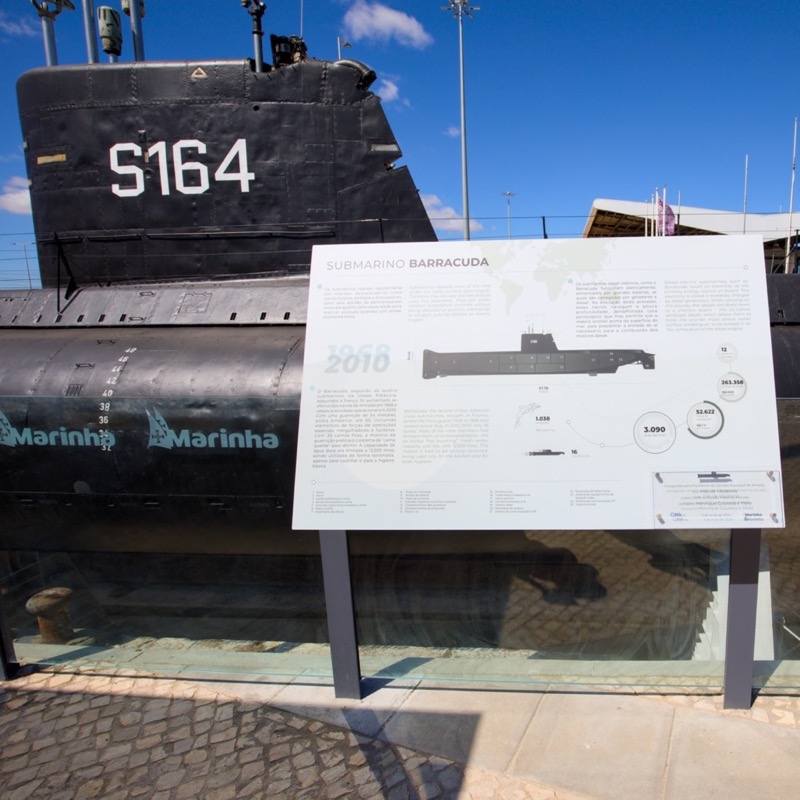
In Cacilhas, in the municipality of Almada, the Barracuda Submarine returned to public contact as a museum ship of the Portuguese Navy. Inaugurated in this new role on 9 May 2024 and open to visitors since 11 May, it forms part of the Cacilhas dry dock, alongside the Frigate D. Fernando II e Glória. Built in France, it was the second of four Albacora-class submarines in the Portuguese Navy. It entered service on 4 May 1968 and completed its last mission in 2010, after 42 years of operational life. With a length of 54 metres, a submerged displacement of 1,038 tonnes and a crew of 54 servicemen, it could operate down to 300 metres and carry 12 torpedoes. Over its career, it carried out national and international missions and covered 263,358 nautical miles. Today, the dark hull and compact interior reveal the technical precision and discipline required by submarine navigation.

Convento dos Capuchos4.5

Convento dos Capuchos

Convent • Almada, Setúbal

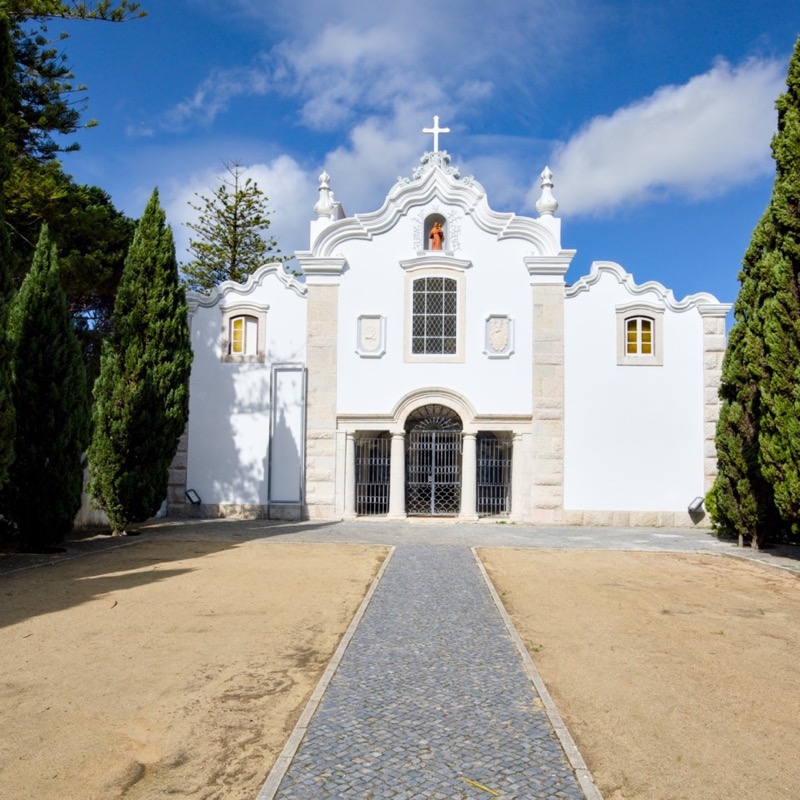
The Convento dos Capuchos is located in Caparica, in the municipality of Almada, within the area of the Protected Landscape of the Fossil Cliff of Costa de Caparica. Built in 1558 on the initiative of Lourenço Pires de Távora, it was intended for a community of friars of the Order of Saint Francis, under the invocation of Our Lady of Piety. Its architecture was designed for retreat, prayer and poverty: a modest, austere and stripped-back construction, with small cells on the upper floor and spaces connected to worship and daily life on the lower floor. Outside, the former enclosure included agricultural land, niches, a tank, a small hermitage dedicated to Saint Peter, a porch, a clock tower and a cemetery. Shaken by the 1755 Earthquake, the convent closed after the extinction of the religious orders in 1834. Acquired in ruins by Almada City Council in 1950, it was restored and integrated into the cultural life of the municipality.

Solar dos Zagallos4.4

Solar dos Zagallos

Palace • Almada, Setúbal

The Solar dos Zagallos is located in Sobreda, in the municipality of Almada, and preserves the memory of an old manor estate. Construction began in the 18th century, linked to the Zagallo family and to the Morgado da Sobreda, established in 1745. The house, with the character of a small palace, brings together civil and religious architecture, with Baroque, Rococo, Pombaline, Neoclassical and modern elements. Inside, the two noble halls, the courtyard, the chapels and a remarkable set of tile panels stand out, appearing in corridors, religious spaces and passage areas. Outside, the gardens, avenue, ponds, orchard and Casa da Água extend the reading of the former agricultural property. Restored by Almada City Council in 1994, while preserving its original character, the solar is now a cultural space, where family history, architecture and contemporary creation meet on an intimate scale.