LxDiscover
ExploreMapRoutesRegionsAbout
Get the app

Map · 19 / 203

Explore the map

Regions:
Estádio do Dragão4.7

Estádio do Dragão

Stadium • Porto, Porto

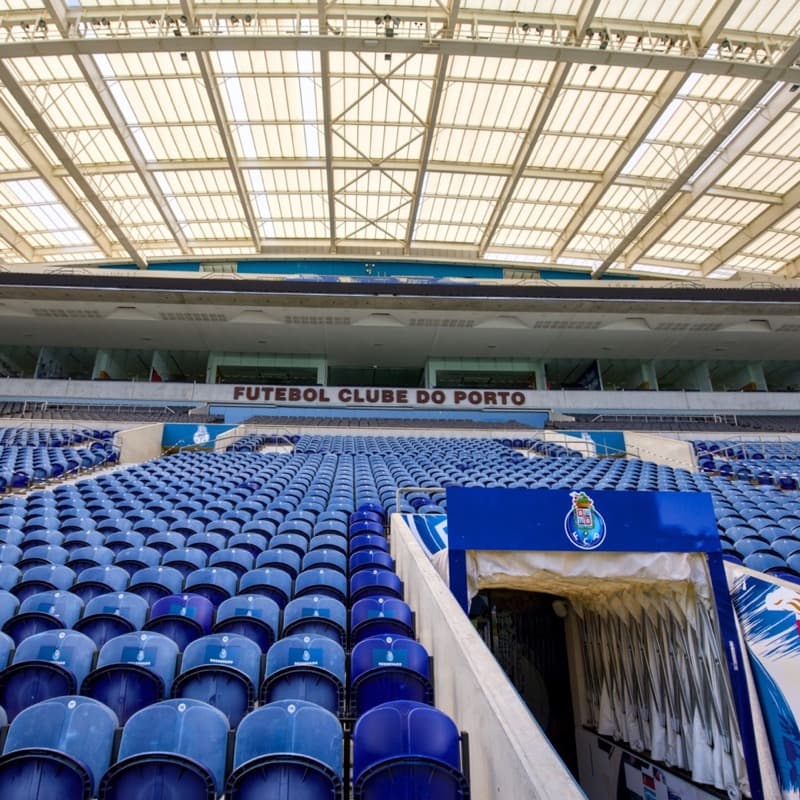
Estádio do Dragão rises in the eastern part of Porto as the home of Futebol Clube do Porto since 2003. Inaugurated on 16 November that year, with a match between FC Porto and FC Barcelona, it replaced the former Estádio das Antas and came to hold 50,033 spectators. Designed by the architect Manuel Salgado, it was built in the context of Euro 2004 and hosted the competition’s opening ceremony. Its architecture combines structural clarity and large scale: the roof over the stands uses a metal structure covered with polycarbonate sheets, a solution distinguished in 2005 with the European award for steel and mixed construction. More than a sports venue, the Dragão functions as a multifunctional space, prepared for a variety of events. Inside it, the FC Porto Museum adds to the stadium experience a reading of memory, trophies and collective identity.
Museu FC Porto4.7

Museu FC Porto

Museum • Porto, Porto

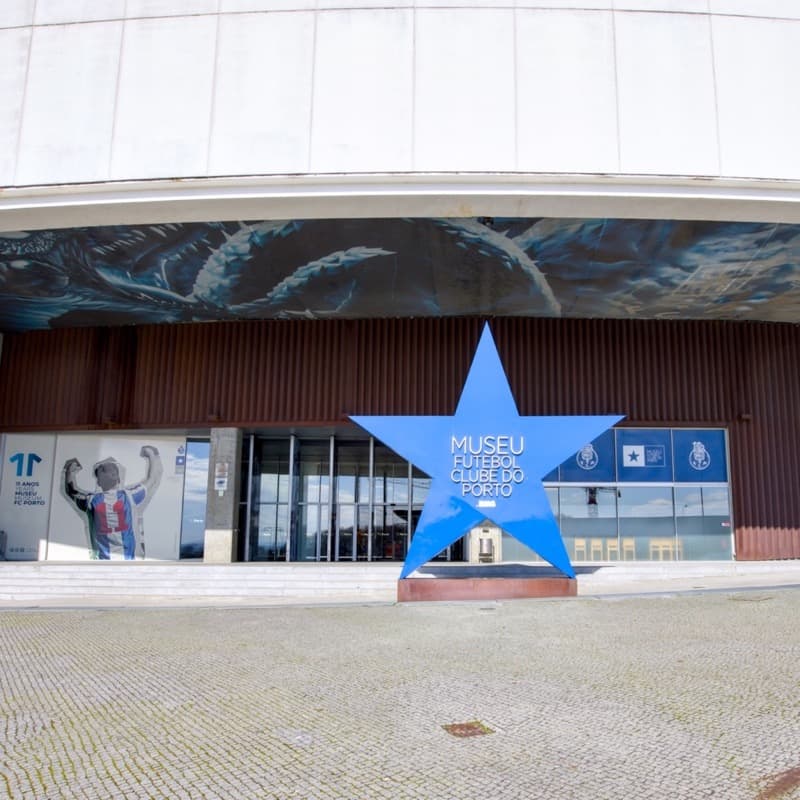
The Museu FC Porto is located in Estádio do Dragão, in the eastern area of the city of Porto. Inaugurated on 28 September 2013, on the day when Futebol Clube do Porto marked 120 years, it occupies around 7,000 square metres dedicated to the history and heritage of the club. The permanent exhibition is spread across 27 thematic areas, where trophies, documents, images, objects and interactive resources build a narrative that brings together football, other sports, institutional memory and the life of the city. Among the most visible pieces is Valquíria Dragão, a work by Joana Vasconcelos installed in the reception area. The museum also presents temporary exhibitions, an educational service and spaces supporting its cultural programme. More than a celebration of sporting results, it offers an organised reading of collective identity, made of victories, symbols, protagonists and belonging.

Sea Life4.2

Sea Life

Aquarium • Porto, Porto

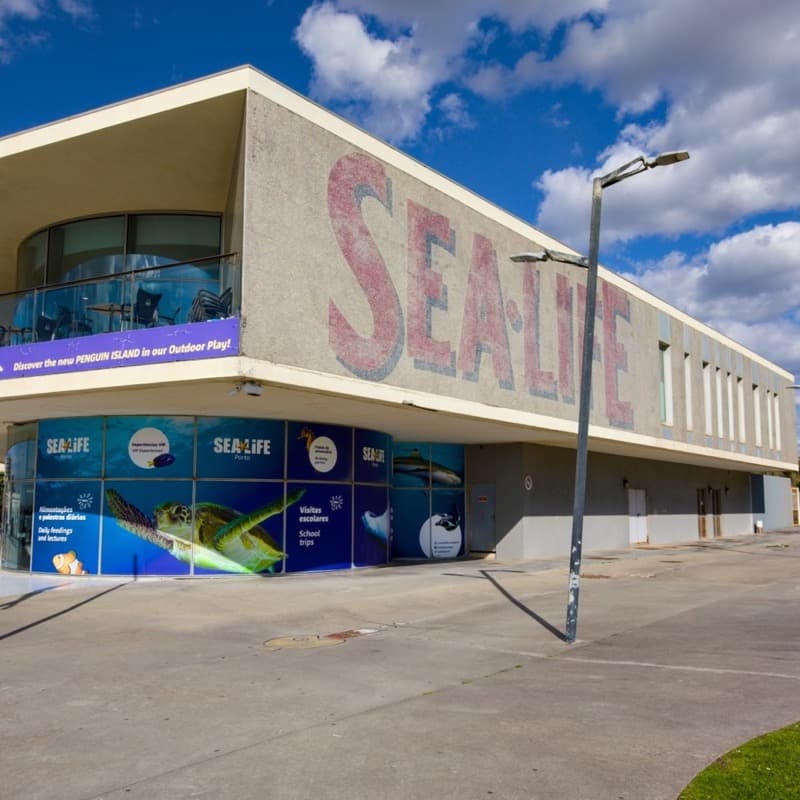
SEA LIFE Porto is located beside Castelo do Queijo, between the City Park and the sea. It is an aquarium dedicated to discovering marine life, environmental education and conservation, bringing together more than 3,000 creatures in different habitats. The route passes through areas such as Rivers and Streams, Rock Pools, Sunken Ship, Kingdom of Salacia, Ocean Cave, Seahorse Temple and Ray Bay. Among its inhabitants are seahorses, jellyfish, sharks, octopuses, penguins, rays and the turtle Mariza. One of its most striking features is the underwater tunnel, presented by the aquarium itself as the only one in the country. The space also includes a Coral Nursery, described as the first national project for breeding threatened corals for the worldwide SEA LIFE network. Between tanks, filtered light and the constant movement of water, the museum brings science, biodiversity and ocean awareness closer together.

Forte de São Francisco Xavier4.4

Forte de São Francisco Xavier

Fort • Porto, Porto

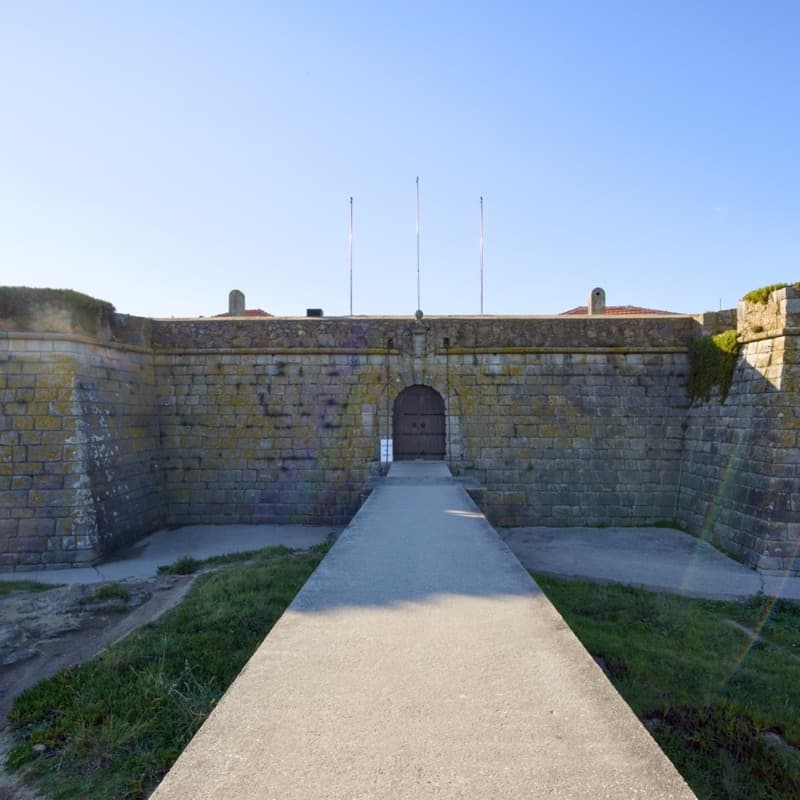
The Forte de São Francisco Xavier, in Porto, is better known as Castelo do Queijo. It stands in Praça de Gonçalves Zarco, beside the Atlantic, between Foz and Matosinhos, on the rounded rock that explains its popular name. Built in the 17th century to defend the coast, it forms part of the line of small maritime fortifications that protected this stretch of shoreline. Its presence is compact and austere: stone walls, a moat, a fortified entrance, corner sentry boxes and platforms facing the sea recall the building’s military function. Tradition links the name “Queijo” to the shape of the granite rock on which it was built. Classified as a Property of Public Interest, the fort still offers a clear reading of coastal defensive architecture. Between stone, wind and the nearness of the waves, it preserves the scale of an Atlantic sentry at the northern entrance to the city.

Palácio da Bolsa4.5

Palácio da Bolsa

Palace • Porto, Porto

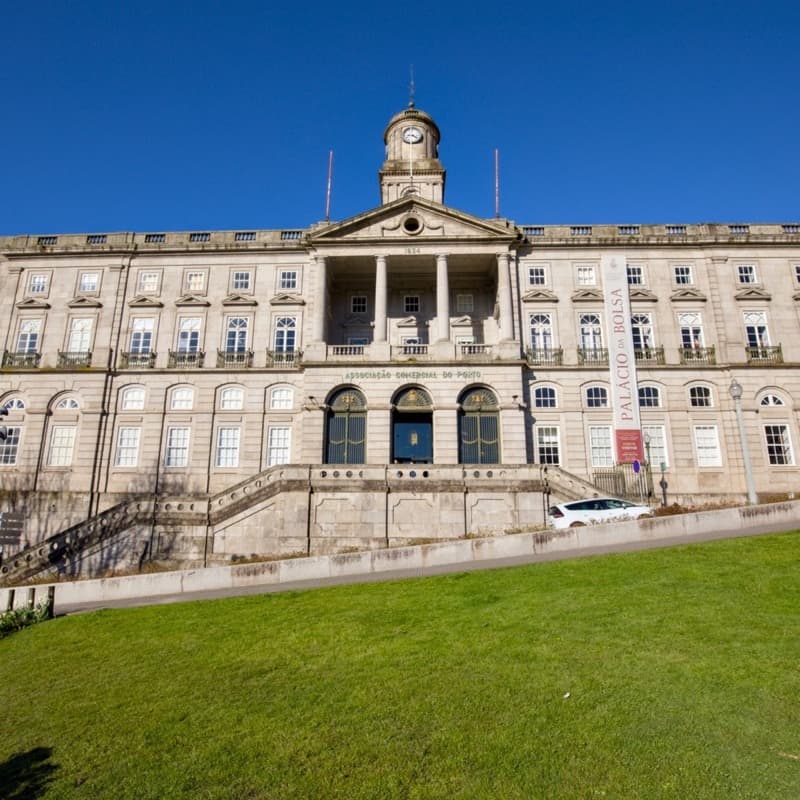
The Palácio da Bolsa, on Rua Ferreira Borges, stands in Porto’s Historic Centre, beside the former Convent of São Francisco. Its origin is linked to the fire of 1832, during the Siege of Porto, which left the convent in ruins. After the closure of the Casa da Bolsa do Comércio, Porto’s merchants sought a headquarters of their own; the first stone was laid in 1842 by the Associação Comercial do Porto, following a design by the architect Joaquim da Costa Lima. The neoclassical building, classified as a National Monument, is organised around the Pátio das Nações, covered by a glazed metal structure. From the 1860s onwards, the interiors gained greater decorative richness. The Arab Room, conceived by Gustavo Adolfo Gonçalves e Sousa, was inaugurated in 1880 and evokes the Alhambra. Between staircases, noble rooms and ornamented surfaces, the palace preserves the economic, artistic and civic memory of 19th-century Porto.

Igreja e Museu de São Francisco4.4

Igreja e Museu de São Francisco

Church • Porto, Porto

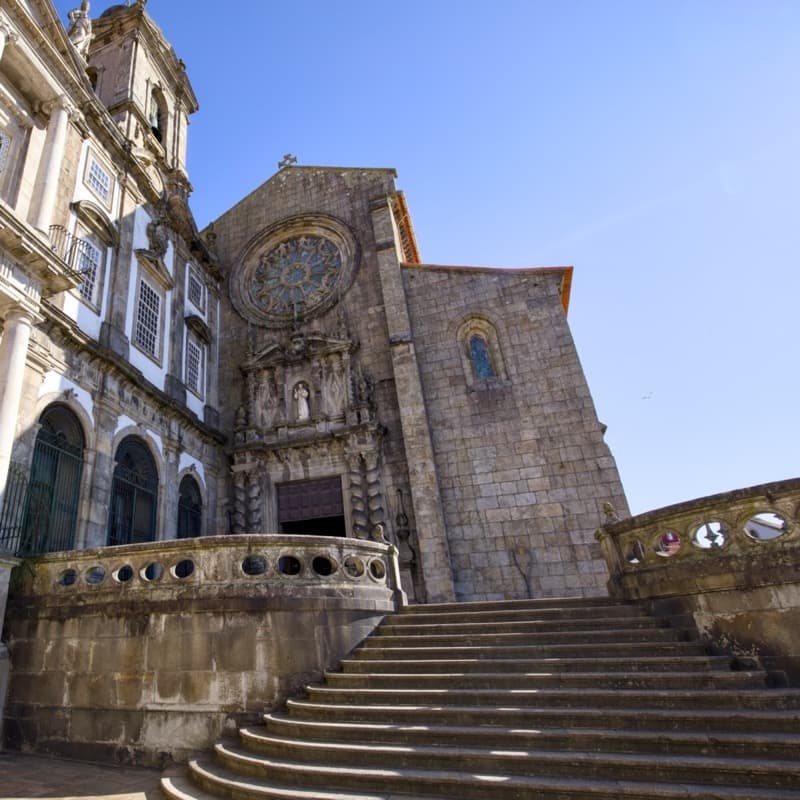
The Igreja e Museu de São Francisco are located on Rua da Bolsa, in Porto’s historic heart. The Church of the Convent of São Francisco, classified as a National Monument since 1910, began to be built in 1383, linked to the Franciscan presence in the city. Its Gothic architecture, with three naves, received over the centuries an interior decoration of great intensity, marked by Baroque gilded woodcarving from the 17th and 18th centuries. This contrast between the sobriety of the medieval structure and the ornamental brilliance is one of the ensemble’s strongest features. Among the works, the mural painting of Senhora da Rosa and the Tree of Jesse altarpiece stand out. The museum route continues in the Casa do Despacho, designed by Nicolau Nasoni and completed in 1749, with the Treasury Room, the Sessions Room and the Catacomb Cemetery. Stone, gold and funerary memory reveal here several layers of Porto’s religious and artistic history.

Casa do Infante4.4

Casa do Infante

Historic House • Porto, Porto

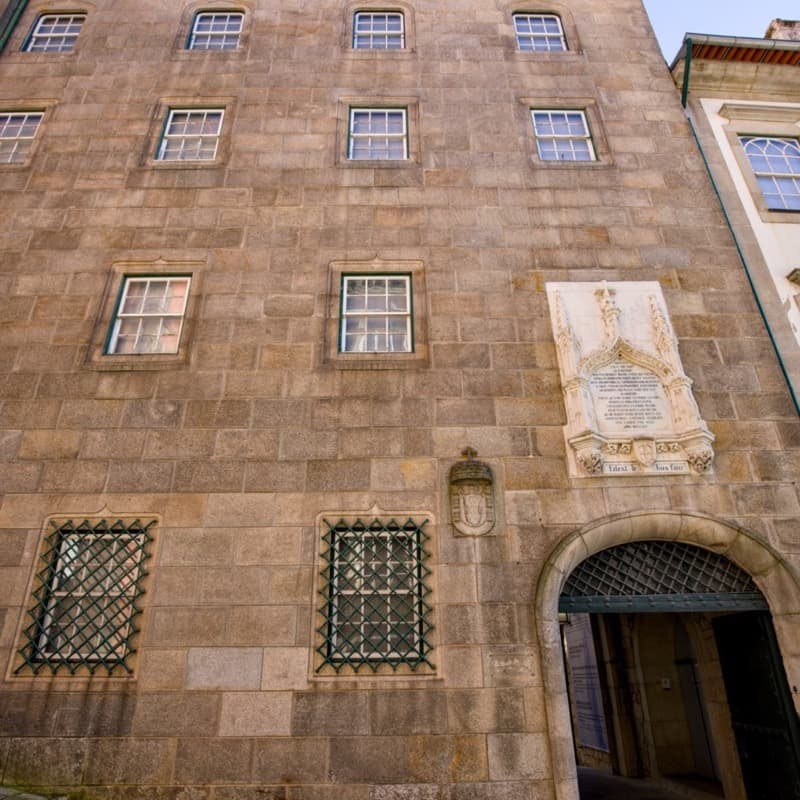
Casa do Infante is located on Rua da Alfândega, in Porto’s riverside area. Also known as Casa da Rua da Alfândega Velha, it is one of the city’s oldest buildings and preserves the memory of royal services installed beside the Douro. Over the centuries, it housed the former Customs House, the Mint and functions connected to the administration of the Crown. Its name became associated with the tradition that Prince Henry the Navigator was born here in 1394. Classified as a National Monument since 1924, the house reveals a history built in layers: medieval structures, later enlargements and archaeological remains of Roman occupation, including mosaic floors. Today it forms part of the Museu do Porto and contains permanent exhibitions, the Gabinete do Tempo and the Municipal Historical Archive. Between stone, documents and excavated ruins, the building brings together trade, royal power and urban memory.

Museu da Misericórdia do Porto4.2

Museu da Misericórdia do Porto

Museum • Porto, Porto

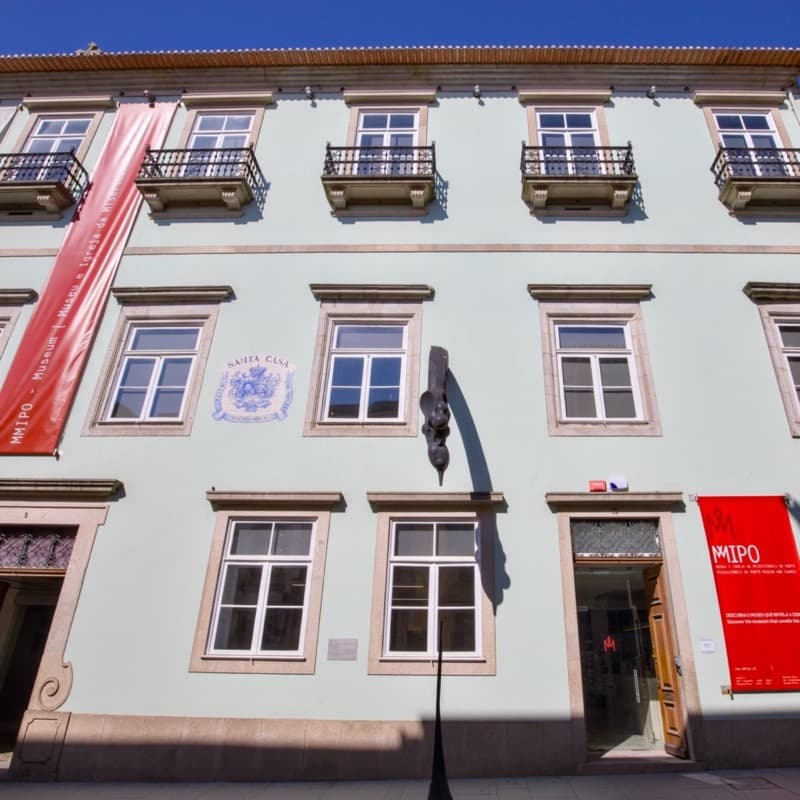
The Museu da Misericórdia do Porto, or MMIPO, is located on Rua das Flores, in Porto’s Historic Centre, in the building that served as the headquarters of the Santa Casa da Misericórdia do Porto from the mid-16th century until 2013. The institution, founded in 1499, is linked to a long history of assistance, charity and artistic heritage. The museum presents this memory through collections of painting, sculpture, sacred art and objects related to the work of the Misericórdia. The route includes the Igreja da Misericórdia, a 16th-century construction deeply transformed in the 18th century by Nicolau Nasoni, and the Galeria dos Benfeitores, marked by iron-and-glass architecture. Among the works on display, Fons Vitae stands out, an oil painting on oak panel, attributed to Colijn de Coter and dated to around 1515-1517. Between devotion, assistance and art, the museum makes visible a long-standing institutional memory in Porto.

Torre e Igreja dos Clérigos4.6

Torre e Igreja dos Clérigos

Church • Porto, Porto

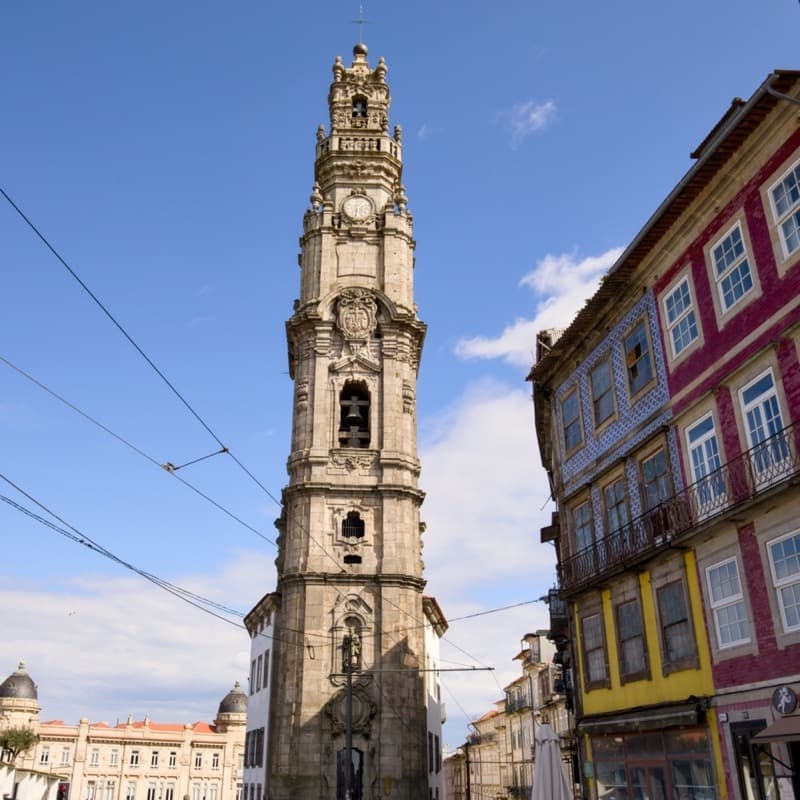
The Torre e Igreja dos Clérigos rise in the heart of Porto, between Rua dos Clérigos, Rua de São Filipe de Nery and Rua da Assunção. The ensemble was designed by the Italian architect Nicolau Nasoni for the Irmandade dos Clérigos, founded in 1707. The first stone of the church was laid in 1732, and construction of the tower began in 1754, being completed in 1763. Classified as a National Monument since 1910, the ensemble is one of Nasoni’s most prominent works in northern Portugal. The church reveals an elliptical plan and a Baroque façade with a strong scenic quality. The granite tower rises in six storeys to a height of 75 metres, with 225 steps to the top. Between the verticality of stone, Baroque decoration and the view over the Douro, the Clérigos condense Porto’s architecture, devotion and urban image.

Igreja do Carmo4.5

Igreja do Carmo

Church • Porto, Porto

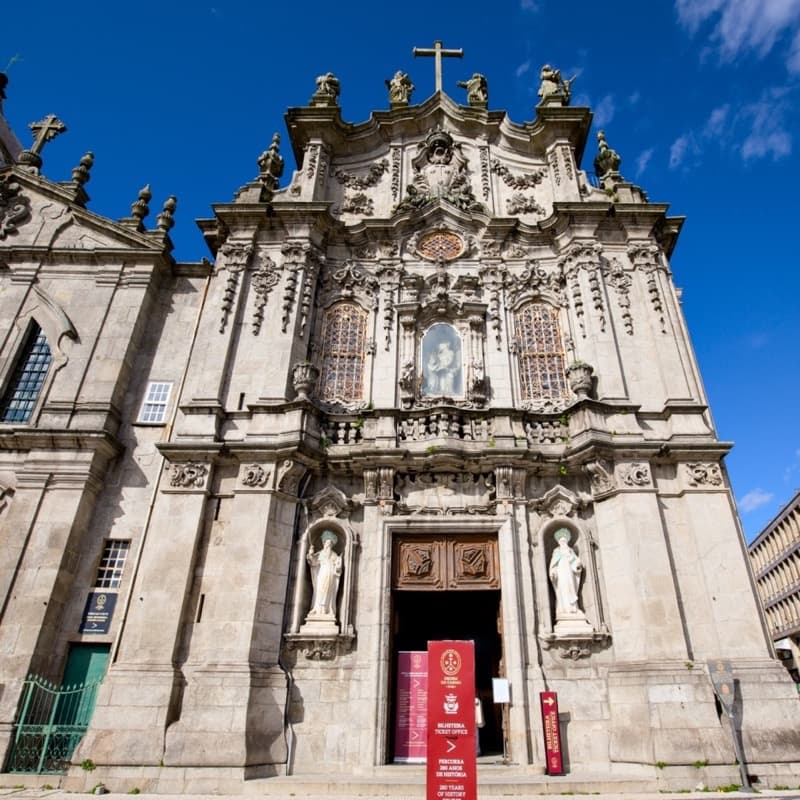
The Igreja do Carmo, in Porto, stands beside the Igreja dos Carmelitas, between Rua do Carmo and Praça de Carlos Alberto. The church belongs to the Venerable Third Order of Our Lady of Mount Carmel, established in 1736. The first stone was laid in 1756, with a design by José de Figueiredo Seixas, and the church was completed in 1762, after Nicolau Nasoni had endorsed the architectural plan. Part of the ensemble classified as a National Monument in 2013, it is distinguished by its Rococo façade, full of decorative movement, with images of the prophets Elijah and Elisha, Saint Anne and the four Evangelists. Inside, the gilded woodcarving of the chapels and high altar extends the ornamental richness. The side façade, covered with blue and white tiles in 1907 and 1912, represents Carmelite devotion and has become one of the city’s most recognisable surfaces.

Showing 1-10 of 19