Self-guided cultural guide for Portugal

Discover Portugal with more context

Explore monuments, museums, gardens, viewpoints and cultural routes with LxDiscover. Use the map, read concise cultural context, listen to short audio introductions and track your visits with the app passport.

Explore · 6 / 203

Discover Portugal with context

Regions:
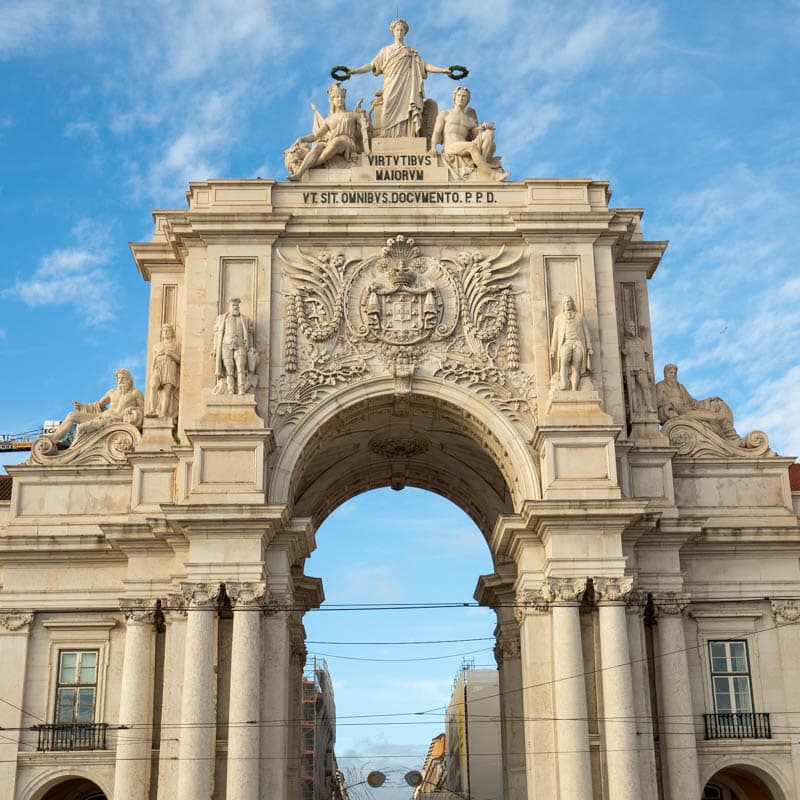
Arco Triunfal da Rua Augusta4.7

Arco Triunfal da Rua Augusta

Arch • Lisboa, Lisboa

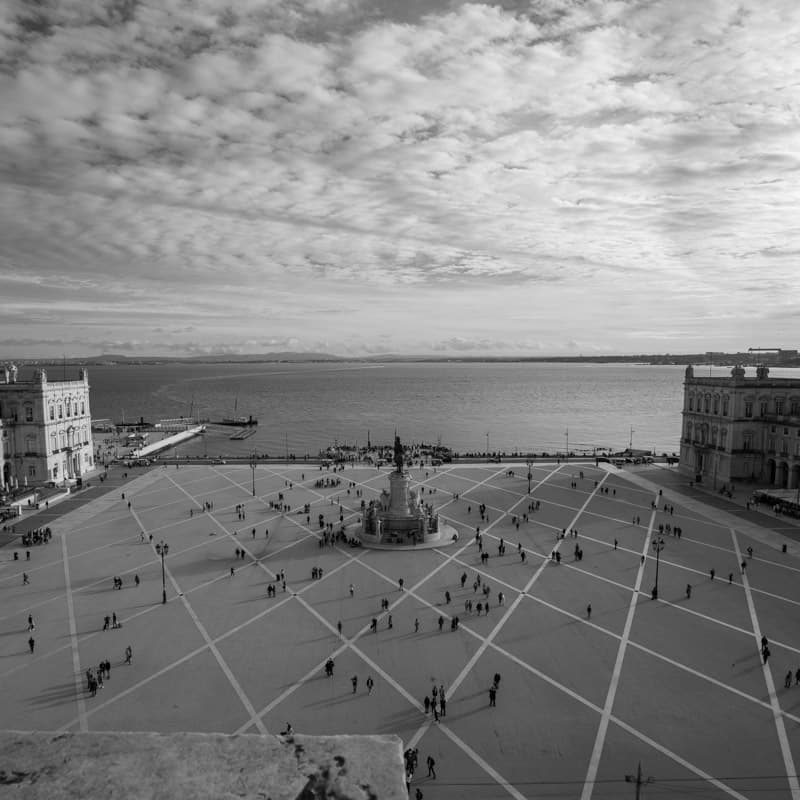
More than a monumental entrance, the Rua Augusta Triumphal Arch is the great symbolic gateway to the Lisbon that rose again after the 1755 earthquake. Conceived in the context of the Pombaline reconstruction, it took more than a century to reach its final form, and that delay says much about the city’s slow reinvention. At the top, Glory crowns Genius and Valour; below, figures such as Vasco da Gama, Viriato, Nuno Álvares Pereira and the Marquis of Pombal turn the monument into a statement of memory and power. It is also worth noticing the Latin inscription, dedicated to the virtues of the ancients, and the way the arch frames the Baixa, Praça do Comércio and the Tagus. Seen up close, it impresses with its scale and sculptural relief; seen from above, it offers one of the clearest readings of the Pombaline plan and of Lisbon’s deep bond with the river.

Cristo Rei4.6

Cristo Rei

Monument • Almada, Setúbal

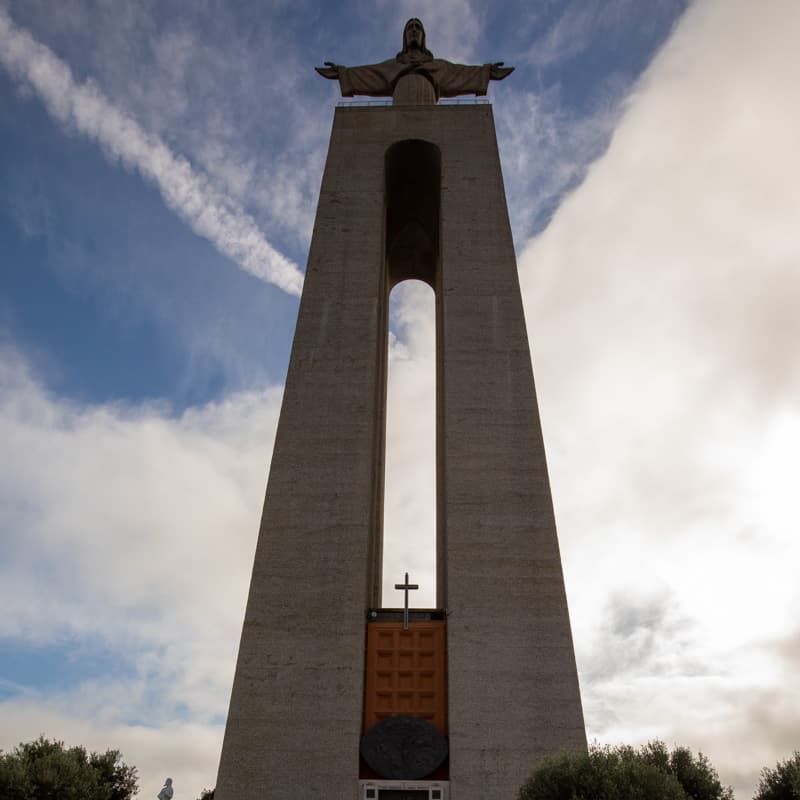
High above Pragal, with arms open over the Tagus, Cristo Rei has become one of the most striking shapes in Lisbon’s skyline, although it already belongs to Almada. The idea was born when Cardinal Cerejeira saw Christ the Redeemer in Rio de Janeiro, yet the monument gained its deepest meaning in the vow made by the Portuguese bishops in 1940: if the country were spared from the Second World War, a great sign of gratitude and peace would be raised here. Inaugurated in 1959, with a design by António Lino and sculpture by Francisco Franco, the ensemble joins the solemn scale of a sanctuary to the simple force of a figure turned towards the city. It is worth noticing the void between the four pillars and letting your eyes rise to the open arms before lingering at the viewpoint, where the Tagus and Lisbon seem to unfold in a single breath.

Padrão dos Descobrimentos4.6

Padrão dos Descobrimentos

Monument • Lisboa, Lisboa

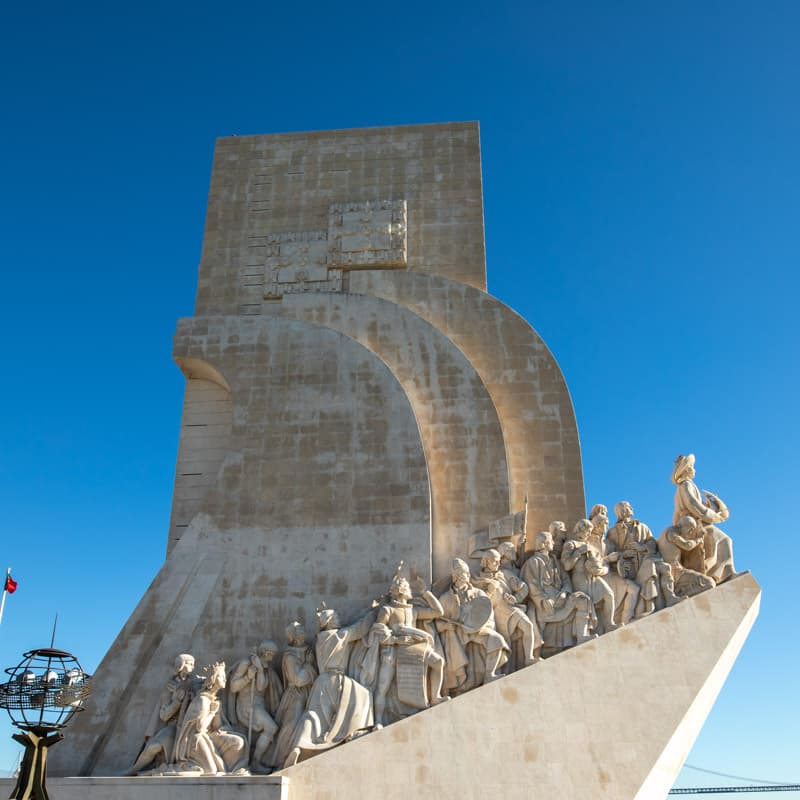
Facing the Tagus, the Monument to the Discoveries has the theatrical force of a ship ready to depart, yet it speaks as much about Portuguese memory in the twentieth century as about the voyages of the fifteenth and sixteenth centuries. It was first built as an ephemeral structure for the Portuguese World Exhibition of 1940 and rebuilt in 1960, for the fifth centenary of the death of Prince Henry the Navigator, the figure who advances at the prow of this stone caravel. Behind him come navigators, cartographers, missionaries and men of culture, in a sculptural procession conceived by Cottinelli Telmo and Leopoldo de Almeida. It is worth seeing the monument from a distance, to feel its scale and forward thrust, and then noticing the Compass Rose on the ground, a gift from South Africa. From the viewpoint, the panorama over Belém, the Tagus and the monumental riverfront helps explain why this is a place where landscape, history and memory meet with rare clarity.

Torre de Belém4.5

Torre de Belém

Monument • Lisboa, Lisboa

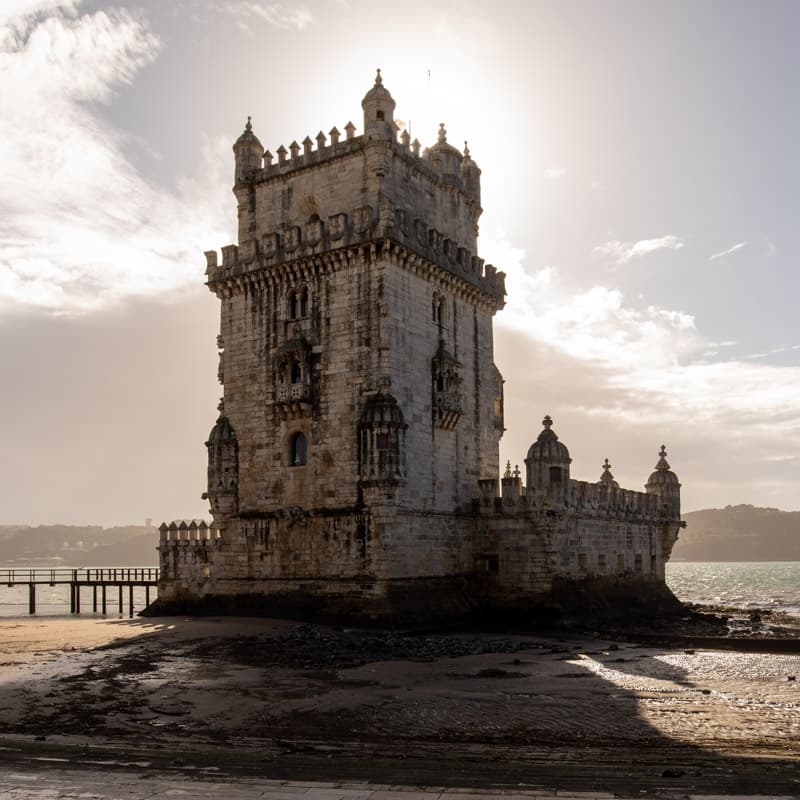
Belém Tower has the grace of a Manueline jewel and the firmness of a fortress built to guard the entrance to the Tagus. Raised in the reign of King Manuel the First, from 1514 onwards, and designed by Francisco de Arruda, it grew closely tied to the port of Lisbon, Jerónimos Monastery and the imagination of the Discoveries. Its form combines a medieval-looking tower with a modern bulwark, while the exterior is covered with ropes, knots, armillary spheres, crosses of the Order of Christ and other motifs that make the stone feel almost like lace. It is worth lingering over the balcony facing the river and one surprising detail: the small rhinoceros carved into one of the façades. From above, the Tagus and Belém come into sharper focus. It then becomes clear why this tower has become one of Lisbon’s great symbols and a UNESCO World Heritage site.

Monumento Natural das Pegadas de Dinossáurios4.2

Monumento Natural das Pegadas de Dinossáurios

Natural Monument • Ourém, Santarém

The Ourém/Torres Novas Dinosaur Footprints Natural Monument lies in the Serra de Aire, near the village of Bairro, on the boundary between the municipalities of Ourém and Torres Novas. The former Pedreira do Galinha quarry revealed a limestone slab where hundreds of footprints of sauropod dinosaurs, large four-legged herbivores from the Jurassic, have been preserved. The site was classified in 1996, by Regulatory Decree no. 12/96, with the aim of conserving the Cabeço dos Casanhos ichnofossil deposit, promoting its scientific study and communicating its environmental and palaeoenvironmental value. On the rocky surface, the footprints are arranged in around twenty trackways; the longest reach 142 and 147 metres, creating a concrete reading of these animals’ movement. The interpretive route allows visitors to observe elliptical marks from the feet and smaller impressions from the hands, inscribed in the limestone like a silent sequence of their steps.

Museu de Lisboa - Teatro Romano4.4

Museu de Lisboa - Teatro Romano

Archaeological Site • Lisboa, Lisboa

The Museu de Lisboa - Teatro Romano reveals, on the slope of São Jorge Castle, one of the great remains of ancient Felicitas Iulia Olisipo. The theatre was built in the time of Emperor Augustus and remodelled in AD 57, during Nero’s rule. It is estimated to have held around four thousand spectators, a sign of the public importance of performances in the Roman city. Abandoned in the 4th century, it remained buried until 1798, when the ruins emerged during the reconstruction of Lisbon after the 1755 Earthquake. Only in the second half of the 20th century did the monument begin to be studied again through systematic archaeological campaigns. The present route brings together an exhibition area, an archaeological field and the ruins of the theatre, where parts of the orchestra, seating, stage front and stage can still be recognised. Between excavated stone and the urban fabric, the museum reveals a Lisbon older than the city’s own medieval memory.

Short cultural audio guides

Listen to cultural context before and during your visit

Listen to concise cultural introductions for selected places. Ideal before entering a monument, while walking between stops, or when you want quick context without reading a long article.

Available in the appLearn how it works

Get the app

Take LxDiscover with you

Explore Portugal with a cultural guide for monuments, museums, gardens, palaces, viewpoints, and historic places in Lisbon, Porto, Sintra, and other regions.

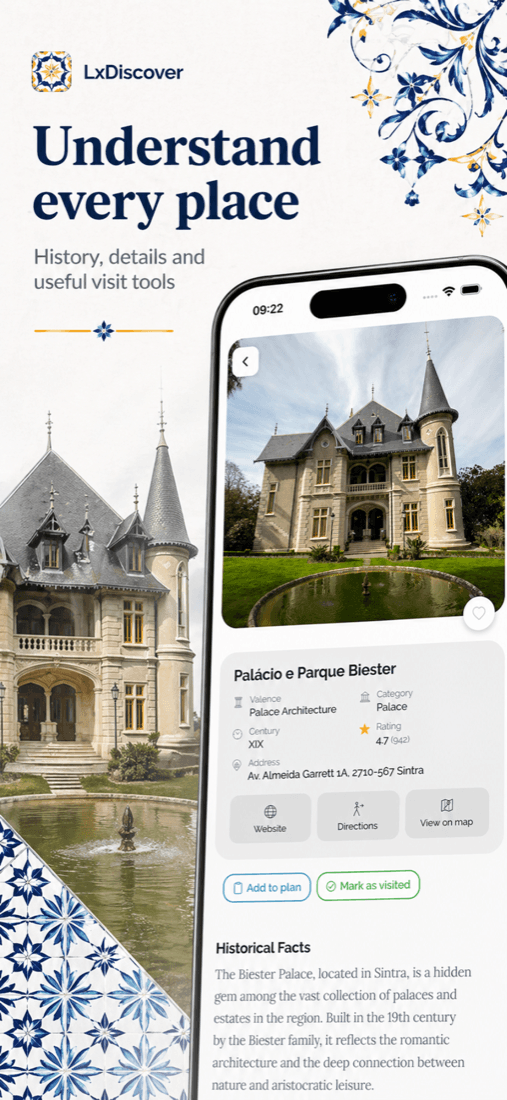
Use the map, follow cultural routes, read editorial context, save places, and track your visits with the visit passport.


Free features

  • Interactive map to discover places of interest
  • Detailed information about monuments, museums, and cultural sites
  • Favorites for the places you want to visit
  • Selected routes to start exploring

Premium subscription

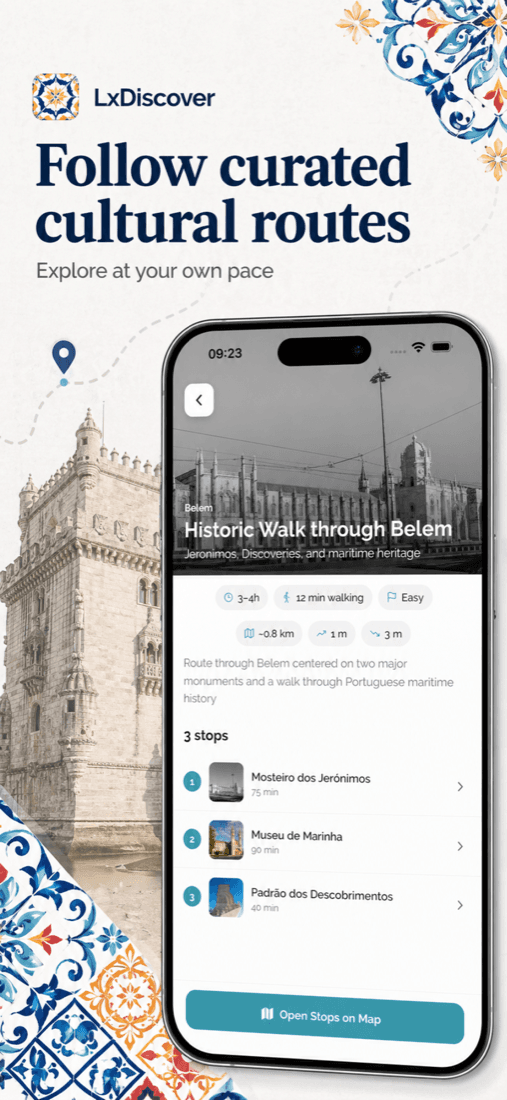
  • Curated routes with ordered stops, duration, and difficulty
  • Thematic collections with editorial context for each area
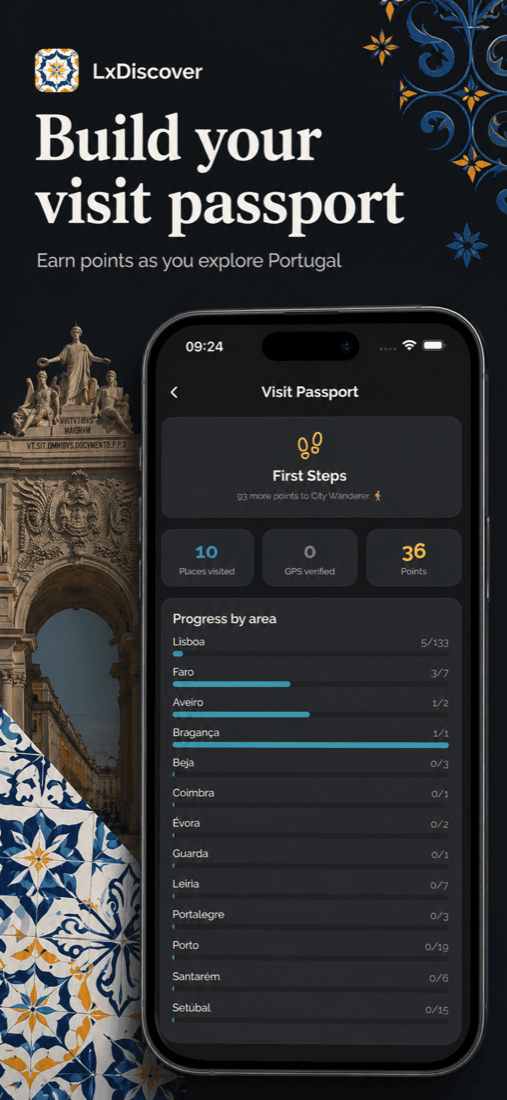
  • Visit passport for progress, visited places, and achievements
  • Advanced map, planning, and proximity alert tools
LxDiscover map screen
LxDiscover routes screen
LxDiscover visit passport screen

Highlights in Lisboa

View all