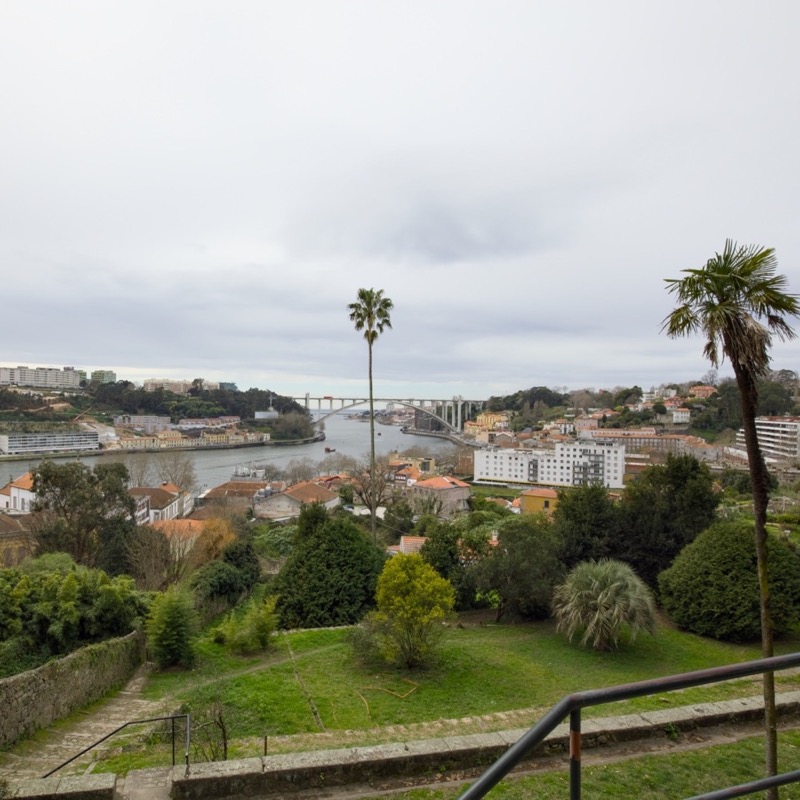
Map-based discovery
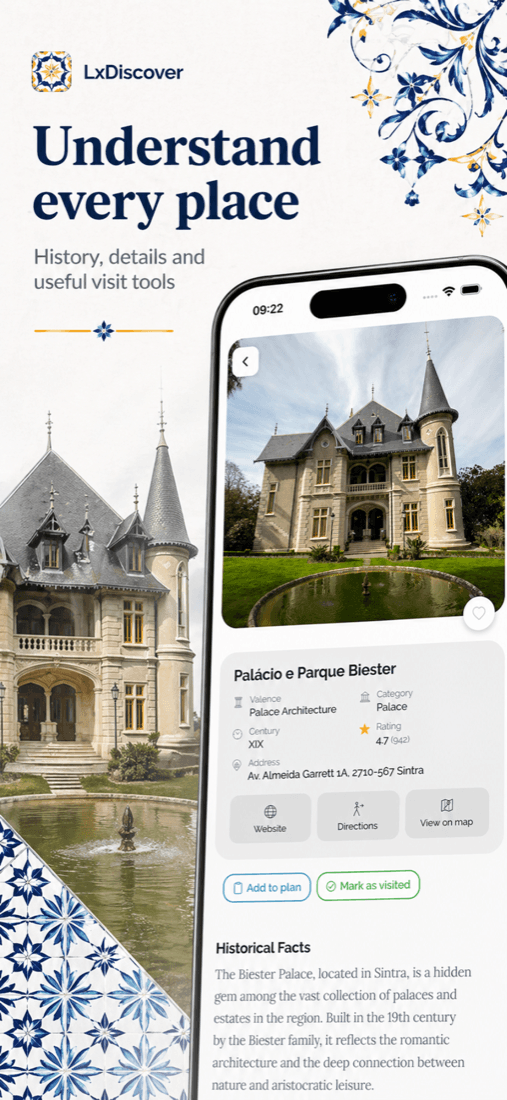
Use LxDiscover to find Porto places on the map and see what is nearby.
Cultural guide
Porto's cultural value is concentrated in a compact historic centre, where cathedral, churches, civic buildings, museums and gardens explain the city's mercantile and religious history.
Use LxDiscover to find Porto places on the map and see what is nearby.
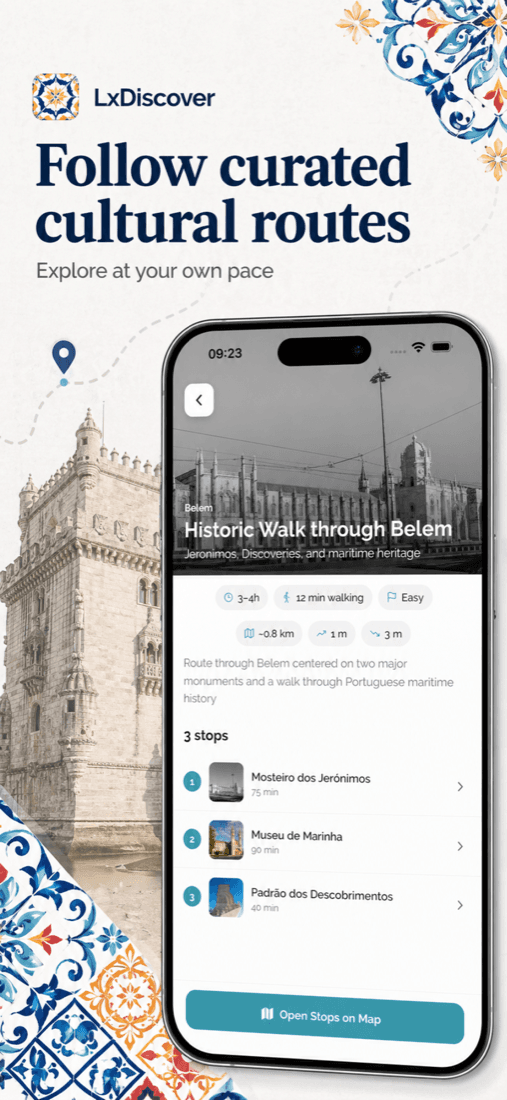
Follow ordered cultural stops with duration, difficulty and useful context.
Listen to concise cultural introductions before or during selected visits.
Routes
Places
 4.6
4.6Church • Porto, Porto
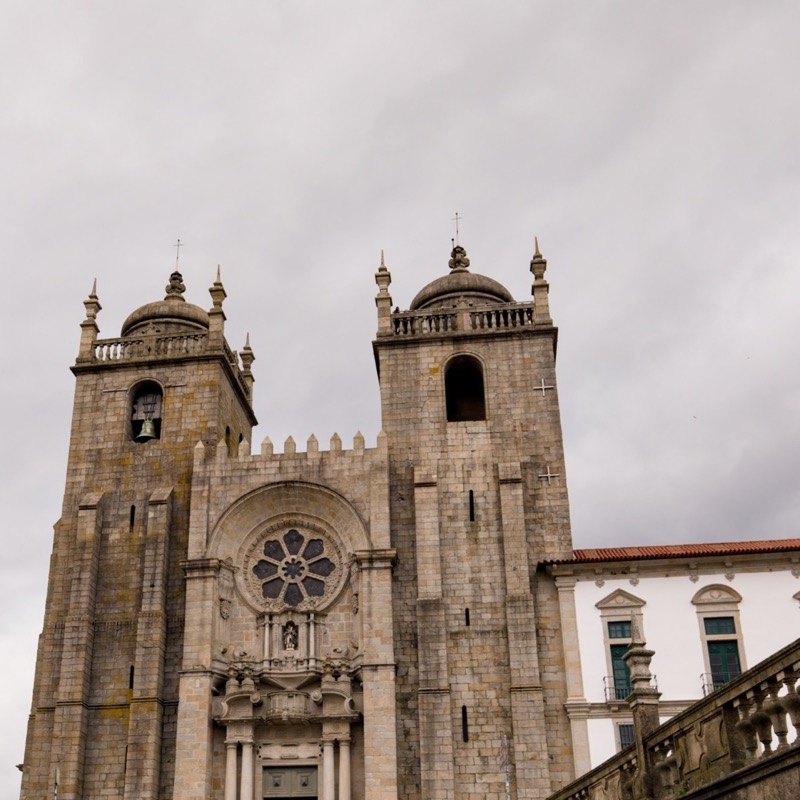
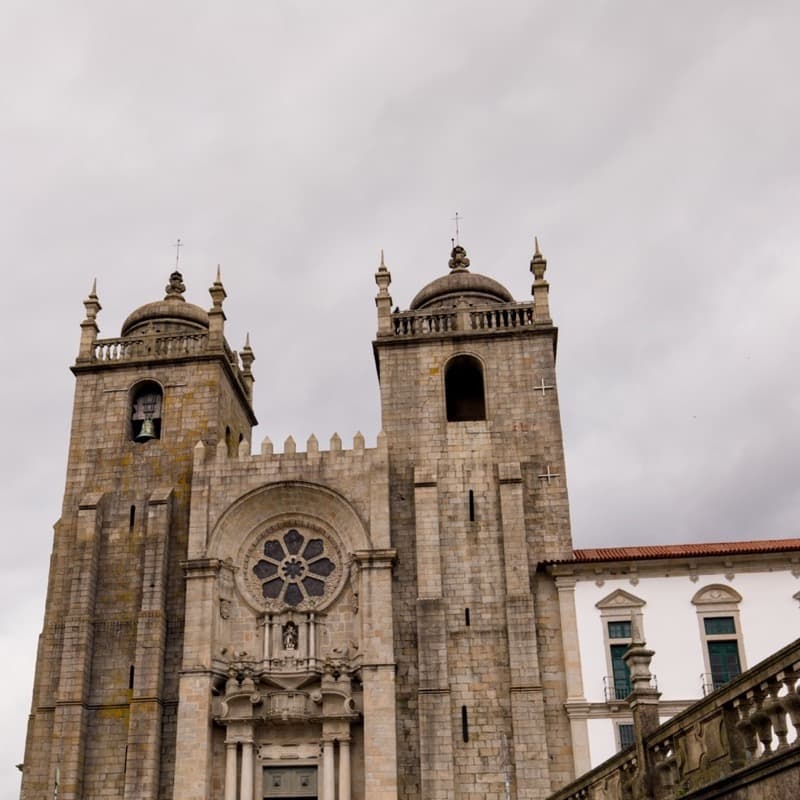
Porto Cathedral rises on the Terreiro da Sé, in the historic heart of the city, as a Romanesque-Gothic cathedral marked by successive transformations. Classified as a National Monument in 1910, it preserves traces of the Romanesque building begun in the first half of the 12th century and continued until the early 13th century. Its fortress-church silhouette, with a façade flanked by two towers, battlements and a rose window, reveals the austere strength of the medieval construction. The building received Mannerist and Baroque alterations, among them the lateral galilee of 1736, by Nicolau Nasoni, facing the city. The Gothic cloister, associated with the time of King João I, contains 18th-century tile panels. Between ancient stone, gilded woodcarving and open views over Porto, the Cathedral shows the city’s religious, artistic and urban continuity.
 4.6
4.6Church • Porto, Porto
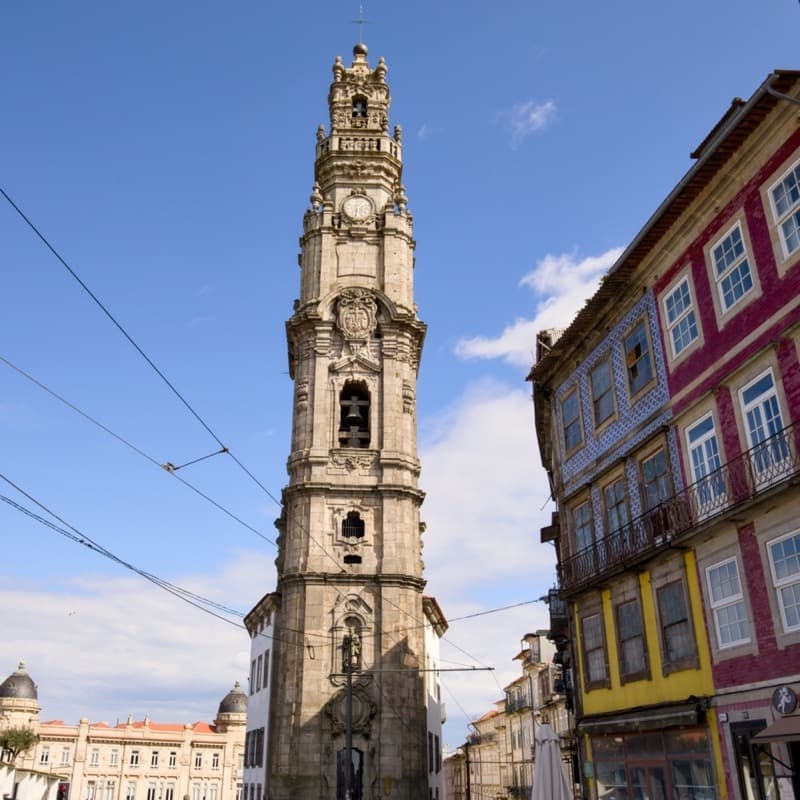
The Torre e Igreja dos Clérigos rise in the heart of Porto, between Rua dos Clérigos, Rua de São Filipe de Nery and Rua da Assunção. The ensemble was designed by the Italian architect Nicolau Nasoni for the Irmandade dos Clérigos, founded in 1707. The first stone of the church was laid in 1732, and construction of the tower began in 1754, being completed in 1763. Classified as a National Monument since 1910, the ensemble is one of Nasoni’s most prominent works in northern Portugal. The church reveals an elliptical plan and a Baroque façade with a strong scenic quality. The granite tower rises in six storeys to a height of 75 metres, with 225 steps to the top. Between the verticality of stone, Baroque decoration and the view over the Douro, the Clérigos condense Porto’s architecture, devotion and urban image.
 4.5
4.5Palace • Porto, Porto
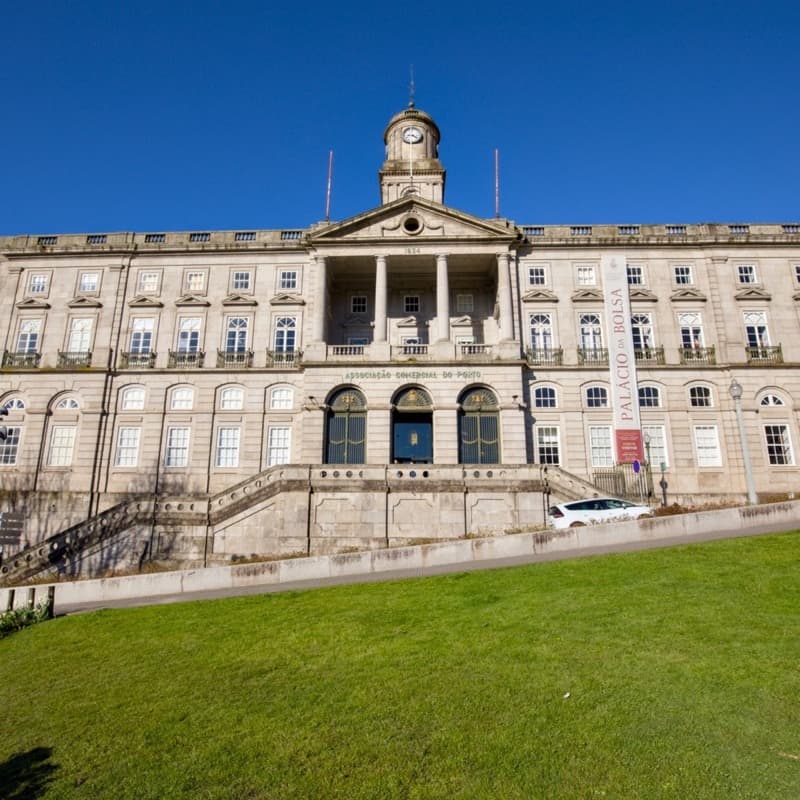
The Palácio da Bolsa, on Rua Ferreira Borges, stands in Porto’s Historic Centre, beside the former Convent of São Francisco. Its origin is linked to the fire of 1832, during the Siege of Porto, which left the convent in ruins. After the closure of the Casa da Bolsa do Comércio, Porto’s merchants sought a headquarters of their own; the first stone was laid in 1842 by the Associação Comercial do Porto, following a design by the architect Joaquim da Costa Lima. The neoclassical building, classified as a National Monument, is organised around the Pátio das Nações, covered by a glazed metal structure. From the 1860s onwards, the interiors gained greater decorative richness. The Arab Room, conceived by Gustavo Adolfo Gonçalves e Sousa, was inaugurated in 1880 and evokes the Alhambra. Between staircases, noble rooms and ornamented surfaces, the palace preserves the economic, artistic and civic memory of 19th-century Porto.
 4.4
4.4Church • Porto, Porto
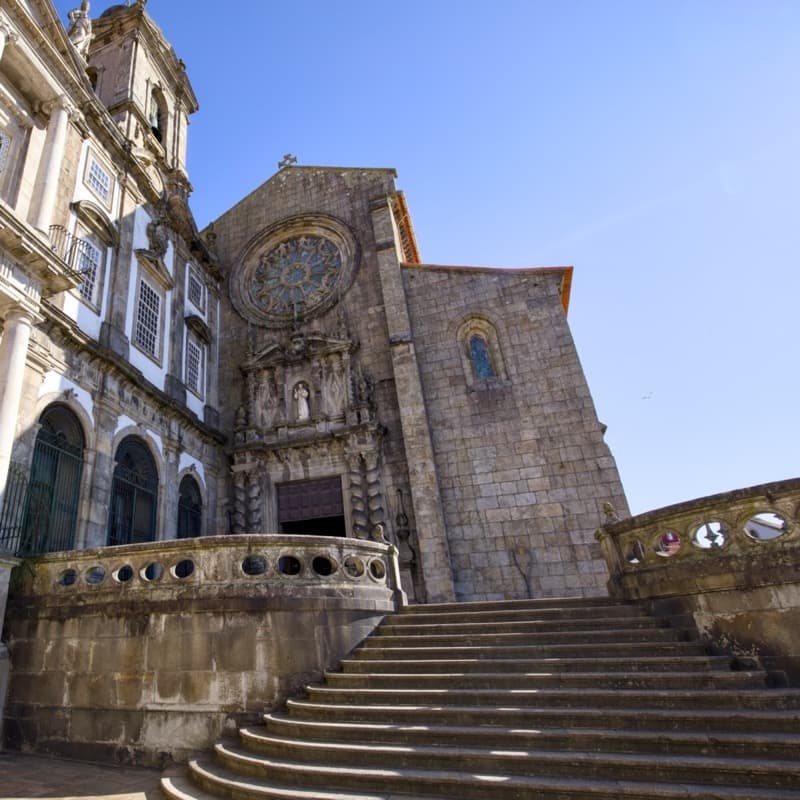
The Igreja e Museu de São Francisco are located on Rua da Bolsa, in Porto’s historic heart. The Church of the Convent of São Francisco, classified as a National Monument since 1910, began to be built in 1383, linked to the Franciscan presence in the city. Its Gothic architecture, with three naves, received over the centuries an interior decoration of great intensity, marked by Baroque gilded woodcarving from the 17th and 18th centuries. This contrast between the sobriety of the medieval structure and the ornamental brilliance is one of the ensemble’s strongest features. Among the works, the mural painting of Senhora da Rosa and the Tree of Jesse altarpiece stand out. The museum route continues in the Casa do Despacho, designed by Nicolau Nasoni and completed in 1749, with the Treasury Room, the Sessions Room and the Catacomb Cemetery. Stone, gold and funerary memory reveal here several layers of Porto’s religious and artistic history.
 4.4
4.4Historic House • Porto, Porto
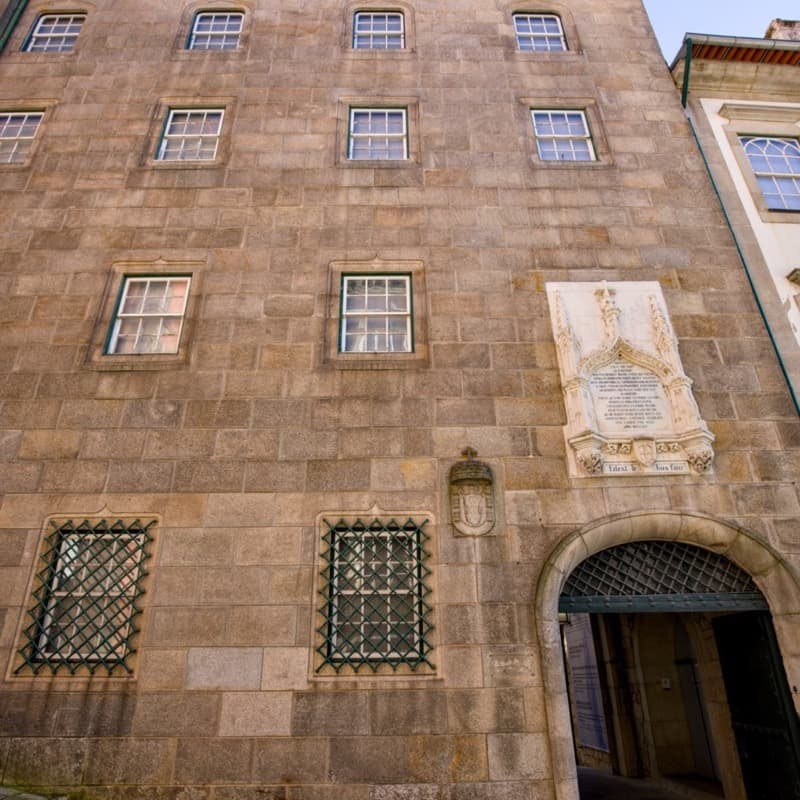
Casa do Infante is located on Rua da Alfândega, in Porto’s riverside area. Also known as Casa da Rua da Alfândega Velha, it is one of the city’s oldest buildings and preserves the memory of royal services installed beside the Douro. Over the centuries, it housed the former Customs House, the Mint and functions connected to the administration of the Crown. Its name became associated with the tradition that Prince Henry the Navigator was born here in 1394. Classified as a National Monument since 1924, the house reveals a history built in layers: medieval structures, later enlargements and archaeological remains of Roman occupation, including mosaic floors. Today it forms part of the Museu do Porto and contains permanent exhibitions, the Gabinete do Tempo and the Municipal Historical Archive. Between stone, documents and excavated ruins, the building brings together trade, royal power and urban memory.
 4.6
4.6Garden • Porto, Porto
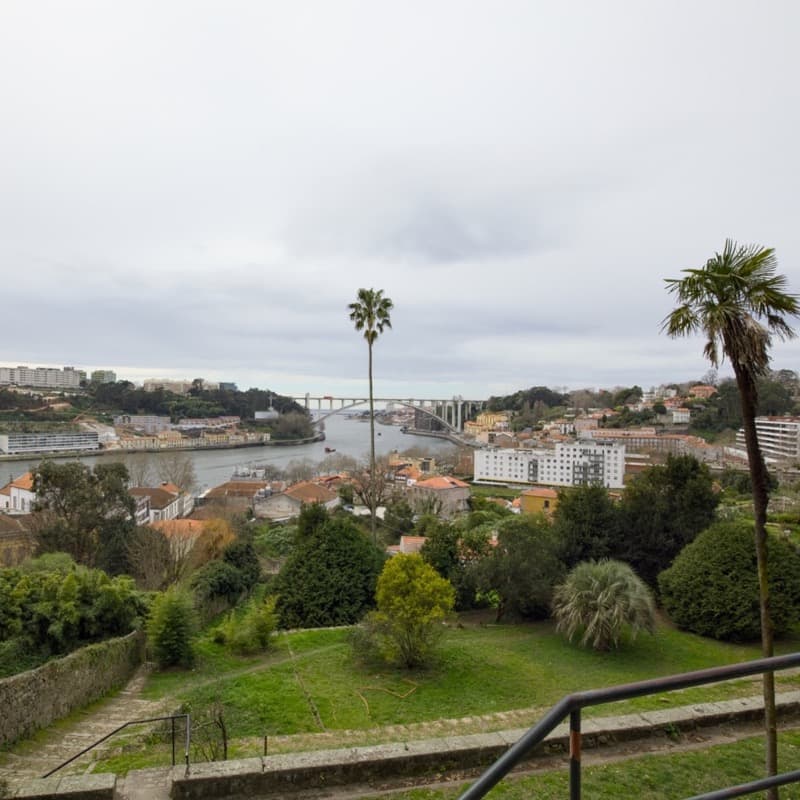
The Jardins do Palácio de Cristal, in Porto, preserve the memory of a place that has changed its face several times. The former Campo da Torre da Marca, known since 1542 for a tower used as a reference point for ships at the Douro bar, received the Palácio de Cristal Portuense in the 19th century. Inaugurated by D. Luís in 1865 for the Portuguese International Exhibition, the iron-and-glass building was designed by Thomas Dillens Jones; the romantic gardens were entrusted to Émile David. The palace was demolished in 1951 and replaced by the Sports Pavilion, today the Pavilhão Rosa Mota. From the original design, the Émile David Garden, the Lime and Plane Tree avenues, the woodland and the terraces over the Douro still remain. Among camellias, fountains, sculptures and viewpoints, the garden keeps alive the bond between city, leisure and landscape.
More places
Explore Portugal with a cultural guide for monuments, museums, gardens, palaces, viewpoints, and historic places in Lisbon, Porto, Sintra, and other regions.
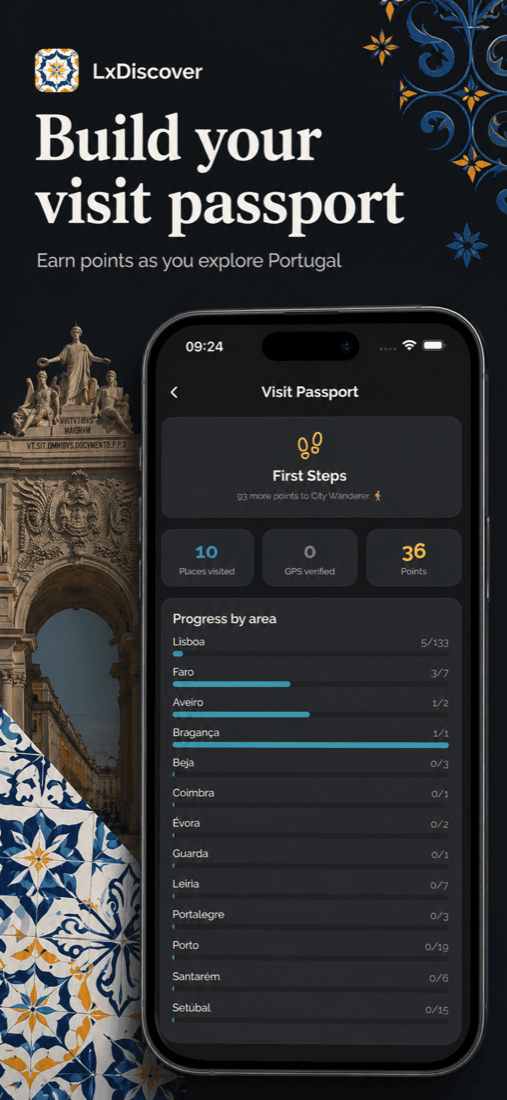
Use the map, follow cultural routes, read editorial context, save places, and track your visits with the visit passport.