
Sintra

Sintra Palaces

Sintra is essentially a landscape of palaces. Twelve kilometres of hill country between Lisbon and the Atlantic became, from the 14th century onwards, the place Portuguese royalty went to escape summer heat — and the place 19th-century Romantics chose to build the most elaborate private follies in Europe. The result is a UNESCO World Heritage cultural landscape where palace and garden are inseparable.

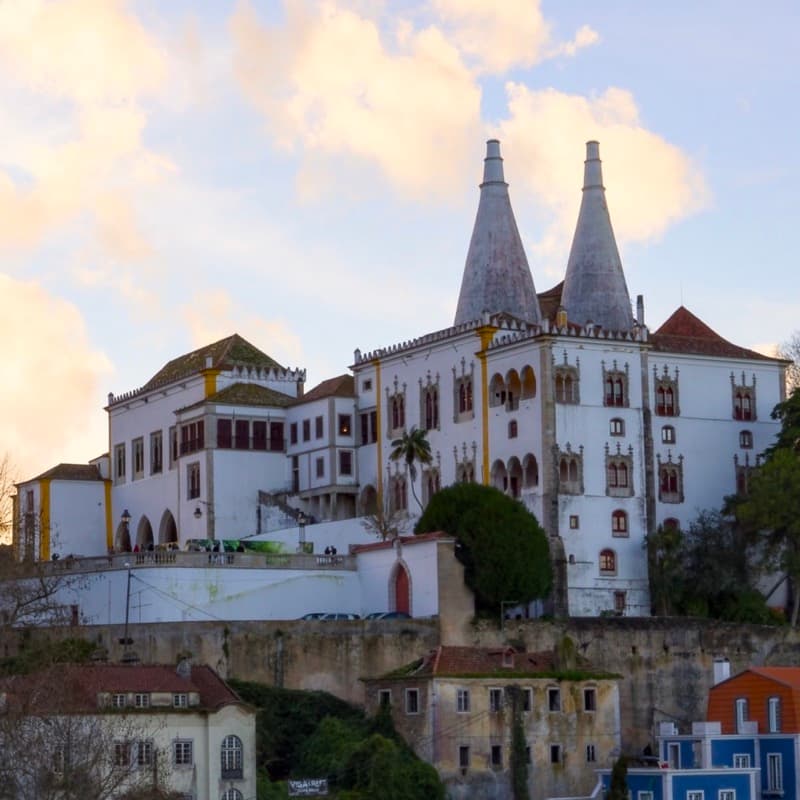
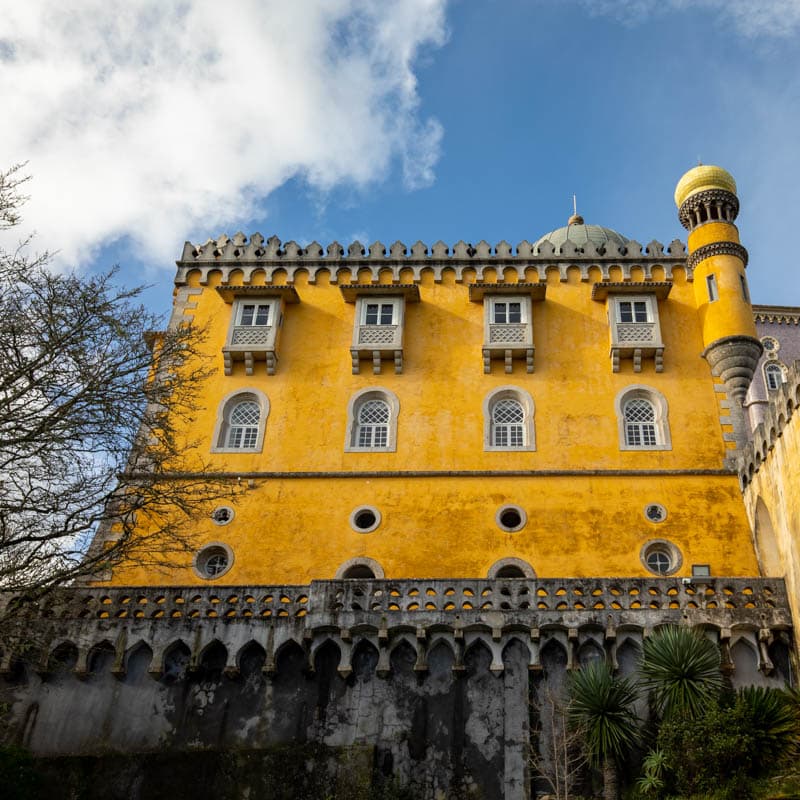
Three palaces define a visit. The Palácio Nacional de Sintra, the oldest, sits in the village centre with its twin conical kitchen chimneys; its tiled interiors trace 600 years of court use. Up the hill, the Palácio Nacional da Pena is the icon of 1840s Romantic eclecticism — yellow and pink walls, Moorish arches, German neo-Gothic towers. Below the village, the Quinta da Regaleira is the strangest of the three: a private estate of esoteric symbolism, initiation wells, grottoes and a secret subterranean staircase.

Add Queluz for an 18th-century pink Rococo palace; Monserrate for the gardens; Biester for a restored neo-Gothic surprise; Vila Sassetti as a quieter companion site. The LxDiscover app maps each palace with editorial context.

7 places

Get the app
Palácio Nacional de Sintra4.5

Palácio Nacional de Sintra

Palace • Sintra, Lisboa

The two white chimneys of the Palácio Nacional de Sintra belong to the kitchen built during King João the First's reign. It served a court of hundreds and banquets associated with local hunts. The palace grew through several reigns, combining Gothic, Manueline and Mudéjar elements. Its interiors therefore tell stories from different periods. In the Sala dos Brasões, King Manuel the First's arms crown the dome, accompanied by symbols of seventy-two noble families. Below, the tiles represent a later addition. Through kitchens and ceremonial rooms, this residence reveals both the work supporting court life and the ways royal authority was displayed.
Palácio Nacional da Pena4.4

Palácio Nacional da Pena

Palace • Sintra, Lisboa

The Palácio da Pena grew from a converted monastery. King Fernando the Second bought the old religious house in 1838, initially imagining a summer residence. The project expanded, preserving the monks' church, cloister and other spaces while adding new rooms. Towers, battlements and a drawbridge borrow medieval castle forms for a nineteenth-century royal home. The park extended this freedom of composition through paths and plants from different regions of the world. Its collections include Asian camellias planted from the 1840s onwards. Together, these elements bring together an adapted monastery, a new palace and a landscape constructed around them.

Palácio Nacional e Jardins de Queluz4.6

Palácio Nacional e Jardins de Queluz

Palace • Sintra, Lisboa

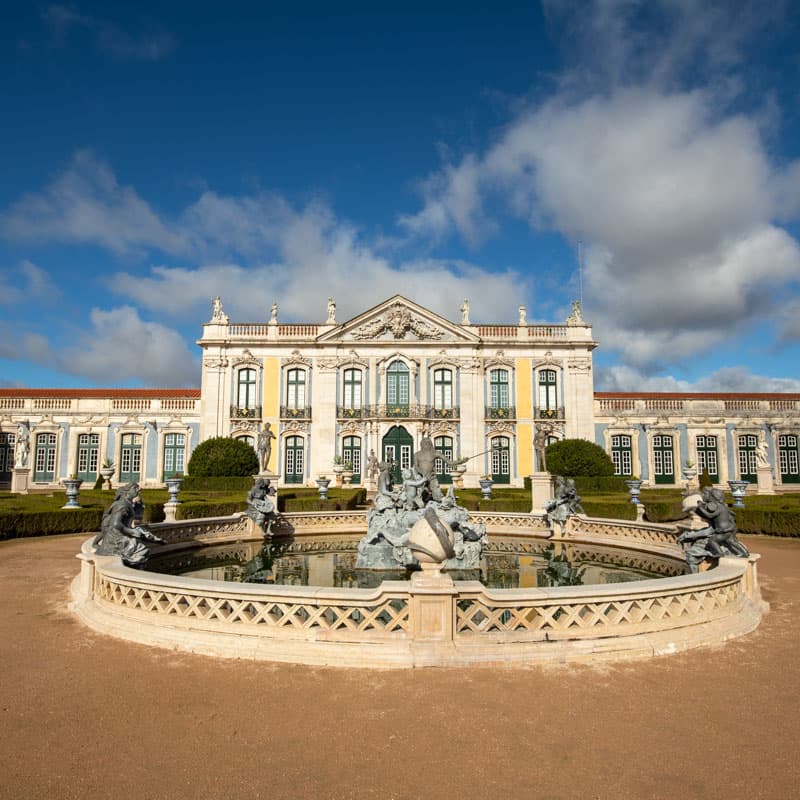
At Queluz Palace, the River Jamor once became a place for courtly outings. Gates in the tiled canal retained water for boats and gondolas, extending royal recreation into the gardens. The residence began to expand in 1747 at the initiative of the future King Pedro the Third. Later, a fire at the Real Barraca in Ajuda brought the court here permanently. Among ceremonial rooms, fountains and mythological sculptures, the palace also preserves a personal connection with Brazil: Pedro the Fourth was born and died in the Don Quixote Room. The blue recovered on its façades belongs to another chapter, the history of conserving the building.

Parque e Palácio de Monserrate4.7

Parque e Palácio de Monserrate

Palace • Sintra, Lisboa

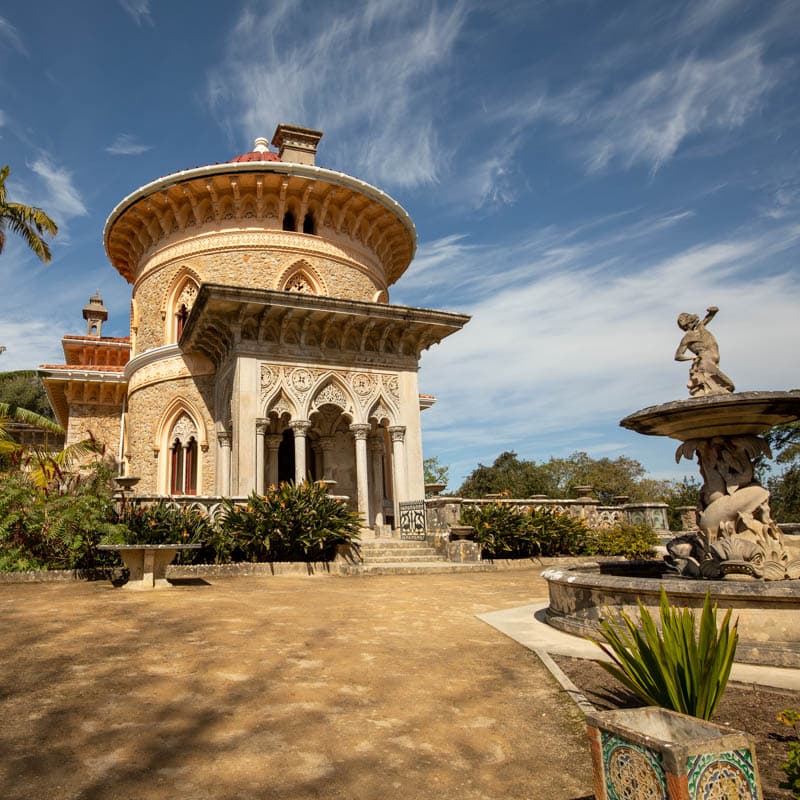
Monserrate Park and Palace in Sintra connect architecture and botany through choices drawn from different parts of the world. Francis Cook's nineteenth-century palace combines Gothic, Indian and Moorish references, with ornament inspired by plants. In the gardens, plants associated with Mexico and Japan grow alongside cork oaks, strawberry trees and other species from Portugal's landscape. The estate had already held a chapel and other residences before this transformation. Later restoration of the palace and its interiors continued that long history. Monserrate reveals a particular Romantic taste: gathering forms, plants and objects of diverse origins and giving them a place within the same estate.

Palácio e Parque Biester4.7

Palácio e Parque Biester

Palace • Sintra, Lisboa

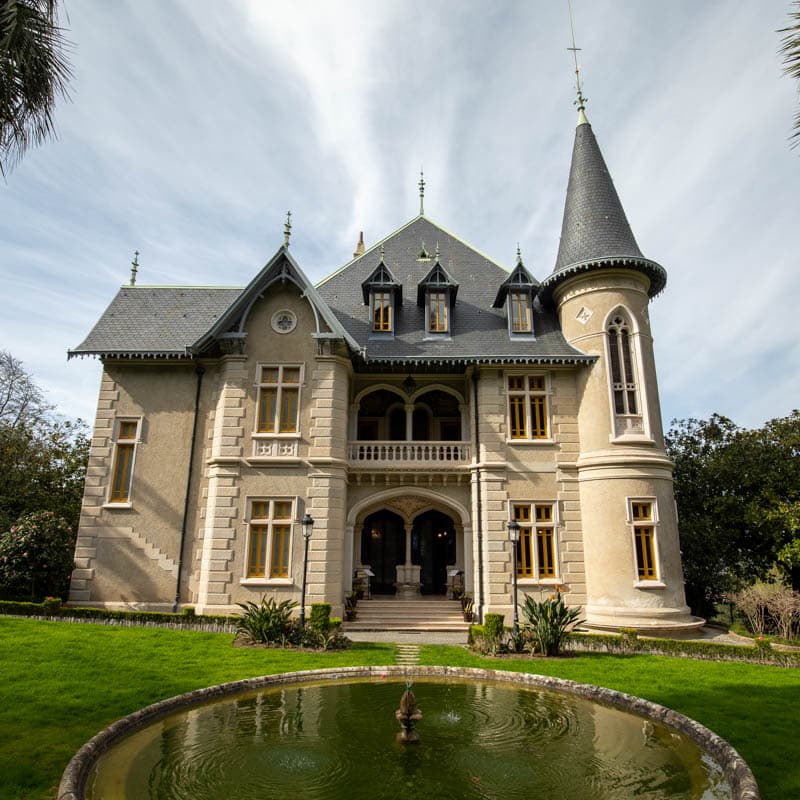
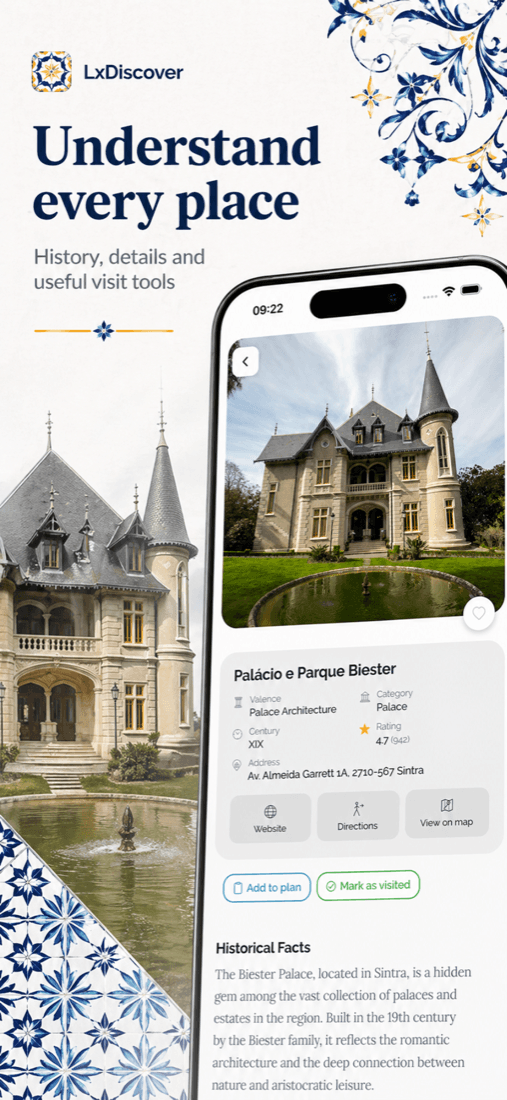
Palácio Biester in Sintra was built in the late nineteenth century to a design by José Luiz Monteiro. Its library, music room, ballroom and chapel reveal the different functions of this former residence. Artists including Luigi Manini and Leandro de Souza Braga contributed to the decoration, while a lift recalls the attention given to comfort and technology. Outside, the park designed by François Nogré combines vegetation and watercourses. Two viewpoints connect the estate with the Castelo dos Mouros and the landscape towards the sea. Together, house and garden show how architecture, decoration and landscape design formed parts of the same vision of a home.

Palácio e Quinta da Regaleira4.7

Palácio e Quinta da Regaleira

Palace • Sintra, Lisboa

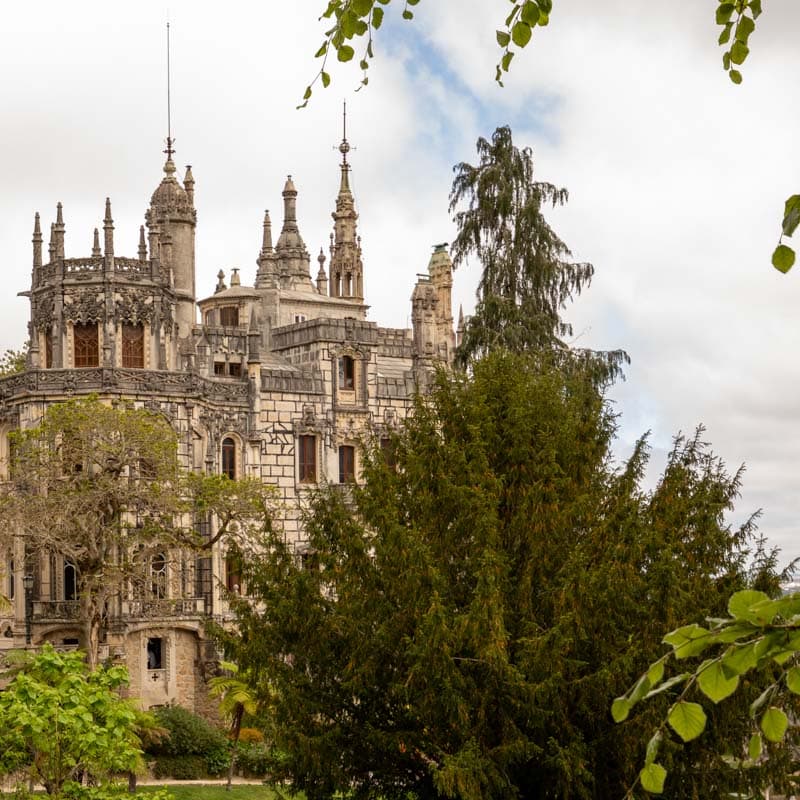
Quinta da Regaleira in Sintra was transformed by António Augusto de Carvalho Monteiro and architect and stage designer Luigi Manini. Completed in 1910, their project extended from the palace to gardens, grottoes, lakes and other structures. Gothic, Manueline and Renaissance references were combined in a revivalist work conceived for its own time. The Poço Iniciático and Gruta de Leda connect architecture, routes and cultural references within the estate. The property later had other inhabitants and passed to the municipality in 1997. Its history therefore combines a major artistic project with successive adaptations of an inhabited estate.

Vila Sassetti4.6

Vila Sassetti

Historic House • Sintra, Lisboa

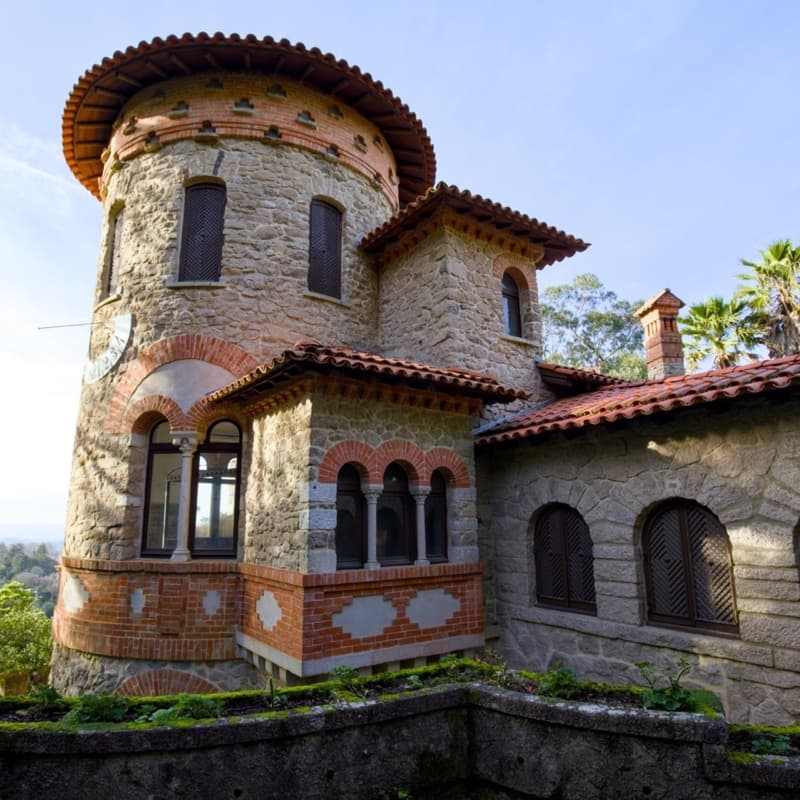
At Vila Sassetti, a circular terracotta-coloured tower connects Sintra with northern Italian architecture. Victor Carlos Sassetti bought the property in 1885 and asked his friend Luigi Manini to design the house, begun in 1890. The garden follows the hillside with winding paths and an artificial stream designed to appear natural in the landscape. Later, Calouste Gulbenkian leased the estate and used it occasionally. The property acquired additions and was also known as Quinta da Amizade. Its appeal remains in the way house and garden were conceived together: the tower can be recognised among the vegetation, while every bend in the path changes its setting.

Related guides

Take the LxDiscover App with you

Explore Portugal with a cultural guide for monuments, museums, gardens, palaces, viewpoints, and historic places in Lisbon, Porto, Sintra, and other regions.

Use the map, follow cultural routes, read editorial context, save places, and track your visits with the visit passport.

Free features

  • Interactive map to discover places of interest
  • Detailed information about monuments, museums, and cultural sites
  • Favorites for the places you want to visit
  • Selected routes to start exploring

Premium subscription

  • Curated routes with ordered stops, duration, and difficulty
  • Thematic collections with editorial context for each area
  • Visit passport for progress, visited places, and achievements
  • Advanced map, planning, and proximity alert tools
LxDiscover map screen
LxDiscover routes screen
LxDiscover visit passport screen