
Explore Portugal by region

Regions

Leiria

7 places across Alcobaça, Batalha, Bombarral, Mira de Aire, Porto de Mós, Óbidos.

Map
CastleCavesChurchGardenMonastery
Mosteiro da Batalha4.7

Mosteiro da Batalha

Monastery • Batalha, Leiria

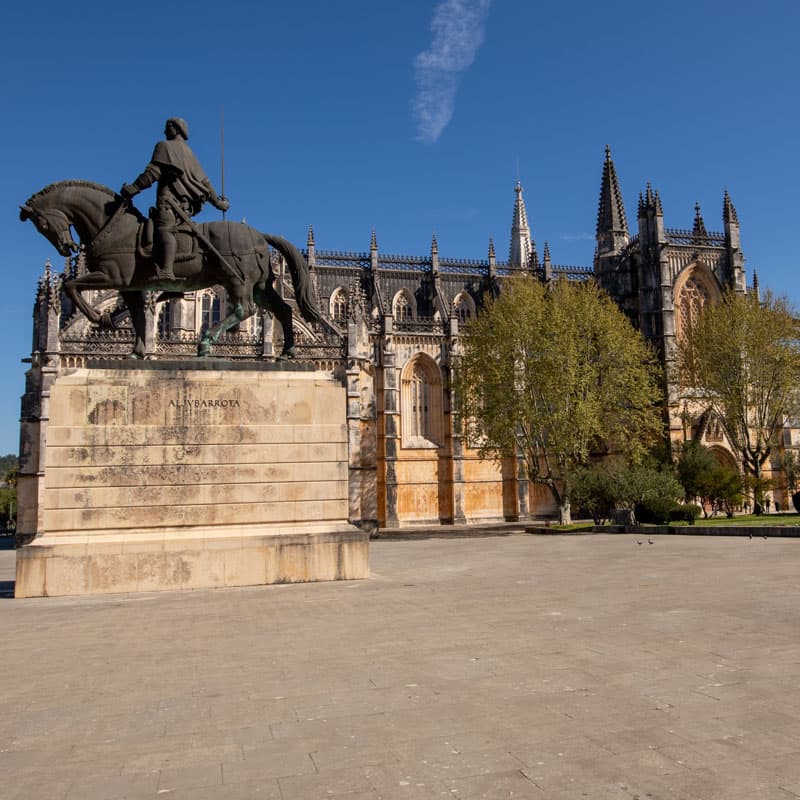
Batalha Monastery began after the Portuguese victory at Aljubarrota in 1385. King João the First's initiative created a house for Dominican friars and a burial place for the Avis dynasty. Construction continued for more than 150 years, leaving Gothic forms, Manueline decoration and traces of other phases. The church and cloisters recall the religious community's life. The Founder's Chapel and Unfinished Chapels reveal the importance of royal memory to the project. The complex is also interesting for its long construction history: different master builders and generations added spaces to a monastery that grew far beyond its initial intention.
Mosteiro de Alcobaça4.6

Mosteiro de Alcobaça

Monastery • Alcobaça, Leiria

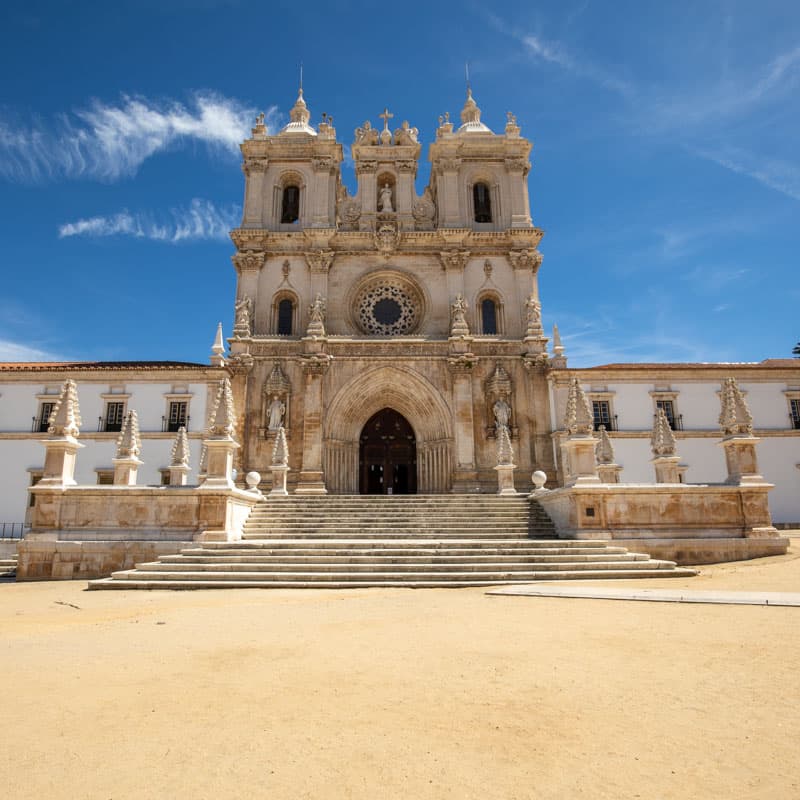
Alcobaça Monastery began with a foundation by King Afonso Henriques in 1153 and became an important Cistercian house. The church stands out for its scale and austerity, while the refectory, dormitory, kitchen and cloisters reveal the community's daily life. Additions were made to the medieval building over the centuries, also visible in the Baroque façade incorporating the older portal. Inside the church, the tombs of King Pedro the First and Inês de Castro recall another connection between the monastery and the monarchy. Among spaces for work, prayer and burial, Alcobaça preserves several histories within a single complex.

Castelo de Óbidos4.7

Castelo de Óbidos

Castle • Óbidos, Leiria

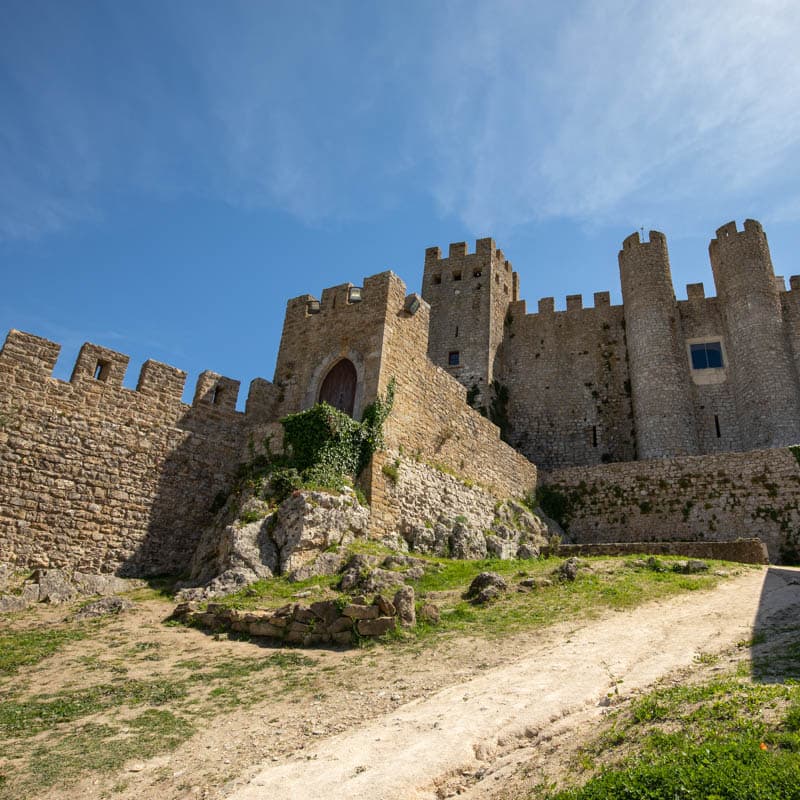
Óbidos Castle preserves traces of a manor house within its military history. After the Christian conquest of 1148, the fortification was repaired and enlarged. Later, the governors' residence received Manueline windows and a portal bearing the Noronha arms and armillary spheres. The main hall's chimney recalls domestic life inside the castle. The 1755 earthquake and subsequent deterioration left the residence in ruins. In the twentieth century, restoration brought a new purpose: it became the first state pousada established in a historic building. The surviving complex therefore brings together defence, habitation and modern conservation choices.

Castelo de Porto de Mós4.4

Castelo de Porto de Mós

Castle • Porto de Mós, Leiria

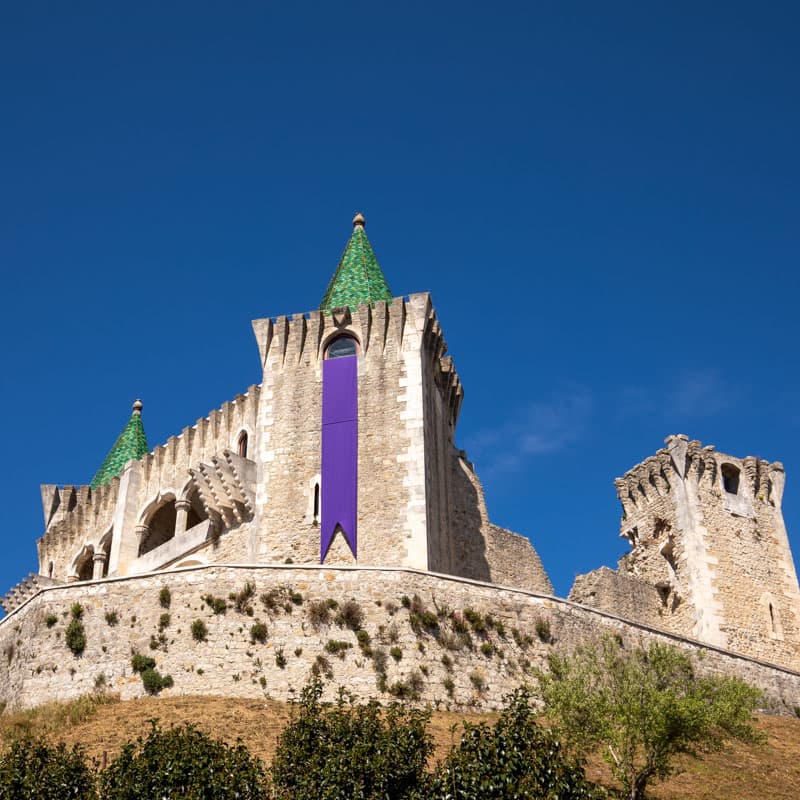
Porto de Mós Castle is recognisable for its green tower roofs and its combination of fortress and palatial residence. The medieval building was associated with defence and regional routes, but was also adapted for habitation. In the fifteenth century, Afonso, the fourth Count of Ourém, gave it a residential character influenced by his experience in Italy. The 1755 earthquake and later abandonment caused serious damage. Its current appearance owes much to twentieth-century restoration campaigns. Cultural uses now add another stage to the story. The building retains traces of territorial defence, aristocratic life and the decisions made to restore it.

Santuário do Senhor Jesus da Pedra4.5

Santuário do Senhor Jesus da Pedra

Church • Óbidos, Leiria

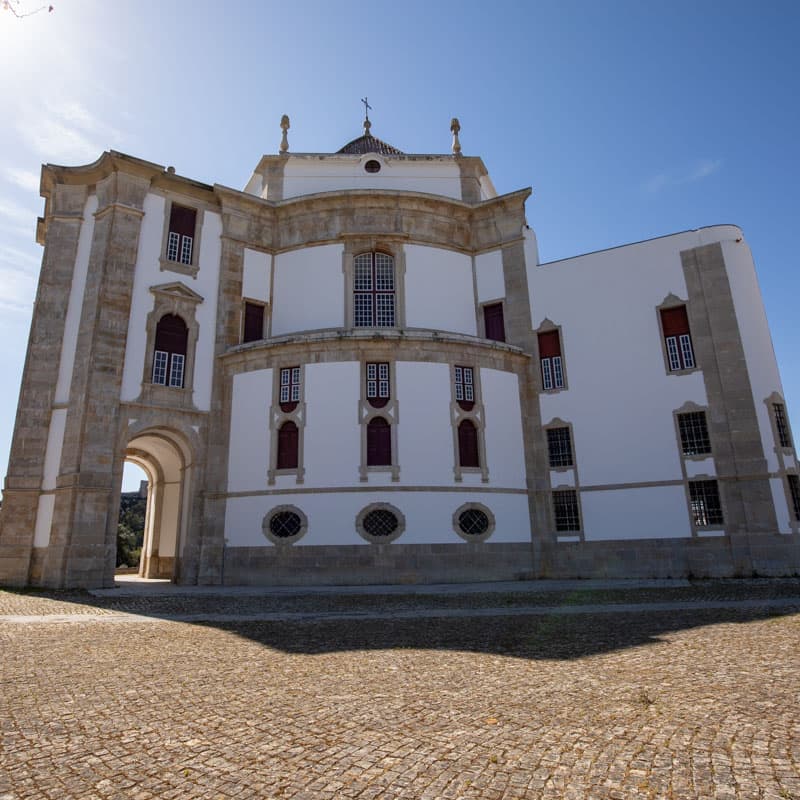
The Sanctuary of Senhor Jesus da Pedra, near Óbidos, was created to house a stone crucifix already venerated in a small chapel. Designed by Rodrigo Franco, the new church was inaugurated in 1747 during the reign of João the Fifth. Its architecture stands out for the contrast between the cylindrical exterior and the hexagonal interior. Three chapels contain paintings of Calvary, Our Lady of the Conception and the Death of Saint Joseph. The church's unusual form attracts attention, but its origin lies in a specific devotional object. The crucifix connects the monumental sanctuary to the longer history of worship here.

Grutas de Mira de Aire4.7

Grutas de Mira de Aire

Caves • Mira de Aire, Leiria

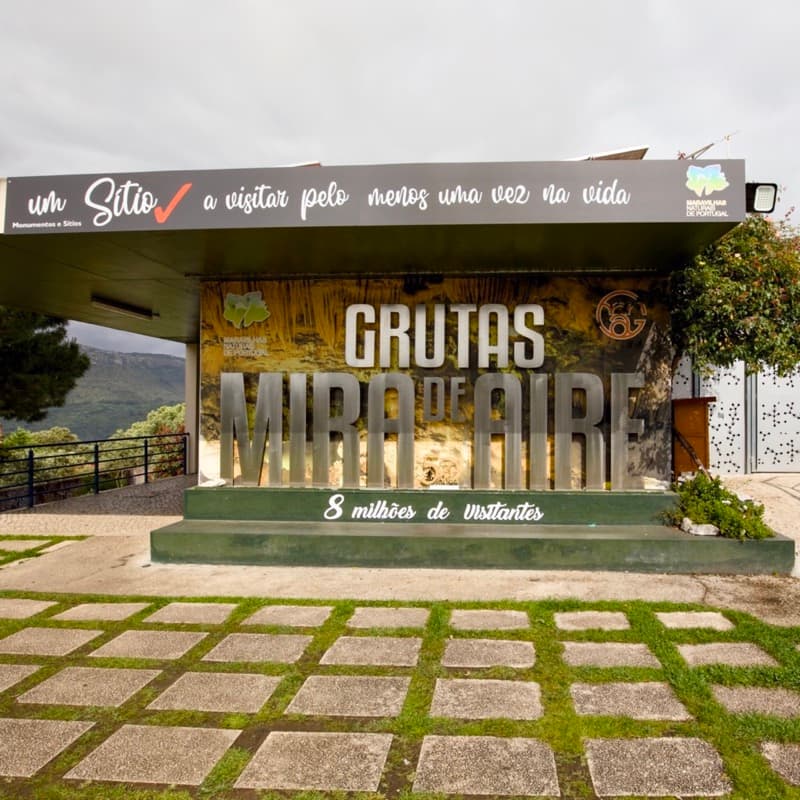
Exploration of the Mira de Aire caves began in 1947, when local residents descended into the Great Chamber. Years of investigation followed before the public opening in 1974. Inside, water tells the main story: entering cracks, it dissolves limestone and creates cavities; depositing minerals, it forms stalactites, stalagmites and columns. The visitor route, around six hundred metres long, reveals only part of the Moinhos Velhos system. Records of the expeditions also recall the obstacles faced by cavers, including rising underground water. The visit brings together geology and the work of those who gradually revealed this hidden space beneath Mira de Aire.

Bacalhôa Buddha Eden4.7

Bacalhôa Buddha Eden

Garden • Bombarral, Leiria

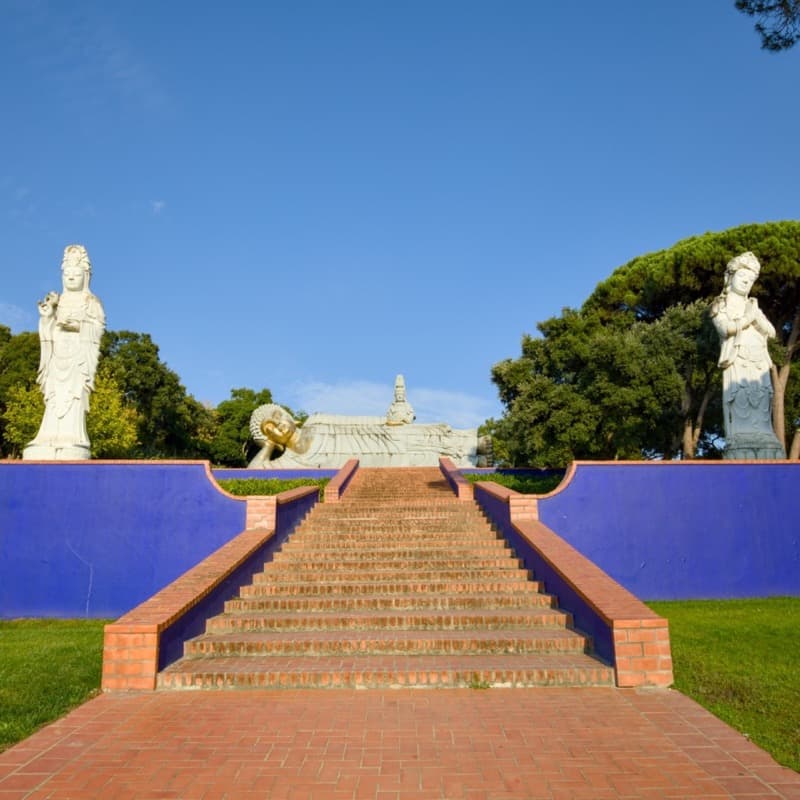
Buddha Eden at Quinta dos Loridos began as a response to the destruction of Afghanistan's Buddhas of Bamyan. In Bombarral, that intention produced a sculpture garden with large Buddha figures, pagodas and terracotta works. The central staircase organises one of its most striking groups; koi carp and sculpted dragons create another setting at the lake. The route also includes modern and contemporary sculpture and an area devoted to Zimbabwe's Shona tradition. These different references retain their individual character within shared grounds. Among materials, scale and water, the interest lies in both the works and the way they are encountered in the landscape.