Lisboa areas

Lisboa

Cascais

6 places in Lisboa.

Map
Historic HouseLighthouseMuseumPalace
Casa de Santa Maria4.5

Casa de Santa Maria

Historic House • Cascais, Lisboa

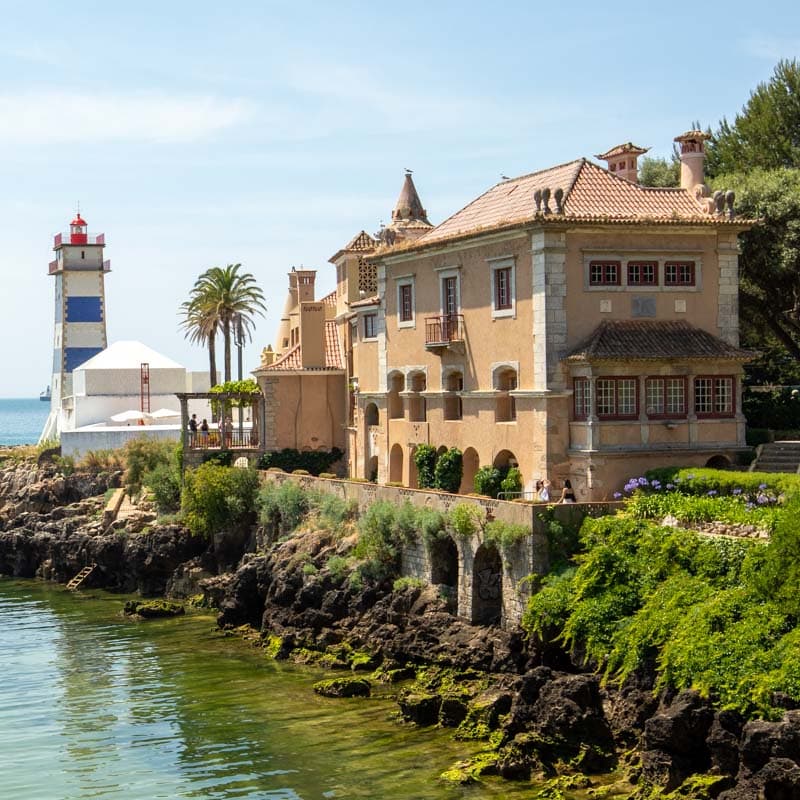
Casa de Santa Maria in Cascais was designed by Raul Lino in 1902 and grew in stages. One extension allowed it to accommodate old tiles from a chapel in Frielas, in the municipality of Loures. Their panels depict religious episodes, rural scenes and even card games. A painted timber ceiling was also adapted to the dining room. Arches, covered verandas and roofs reveal the architect's attention to southern Portuguese traditions. The house combines a residential design modern for its time with materials carrying an earlier history. Acquired by the municipality in 2004, it preserves these connections between places, techniques and different uses.
Palácio da Cidadela de Cascais4.6

Palácio da Cidadela de Cascais

Palace • Cascais, Lisboa

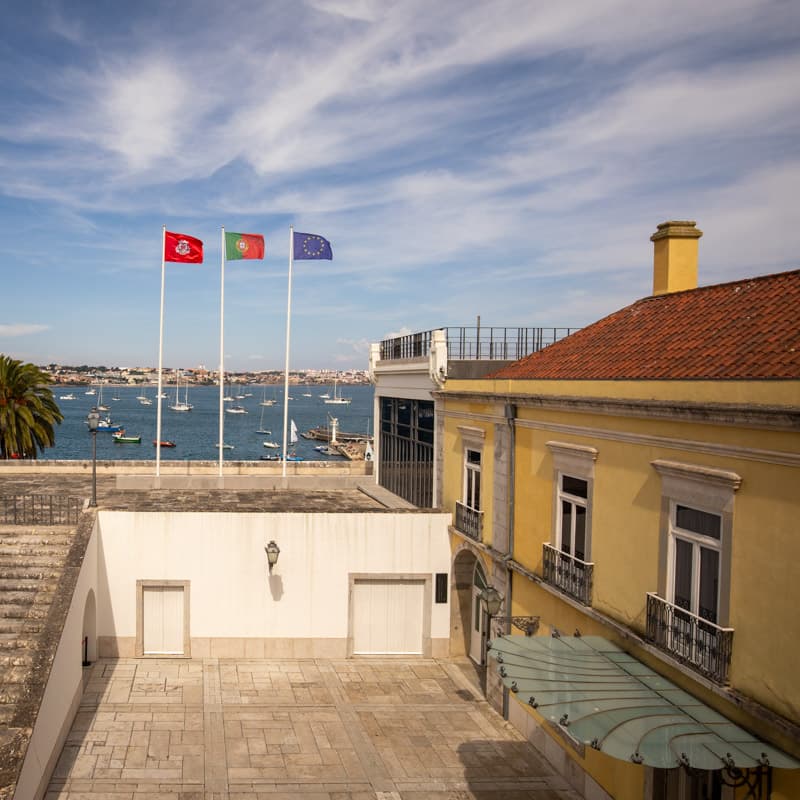
The Palácio da Cidadela de Cascais occupies the fortification's former governor's house. King Luís adapted it as a summer residence in 1870, bringing the town closer to court life. Later, King Carlos established a marine biology laboratory associated with his oceanographic expeditions. The building combined habitation, representation and scientific work. After 1910, presidents of the Republic continued to use it. Restoration completed in 2011 brought presidential functions together with cultural use. Its history shows how a building within a military enclosure was adapted to different needs, retaining its connection with the head of state through a change of regime.

Museu Condes de Castro Guimarães4.6

Museu Condes de Castro Guimarães

Museum • Cascais, Lisboa

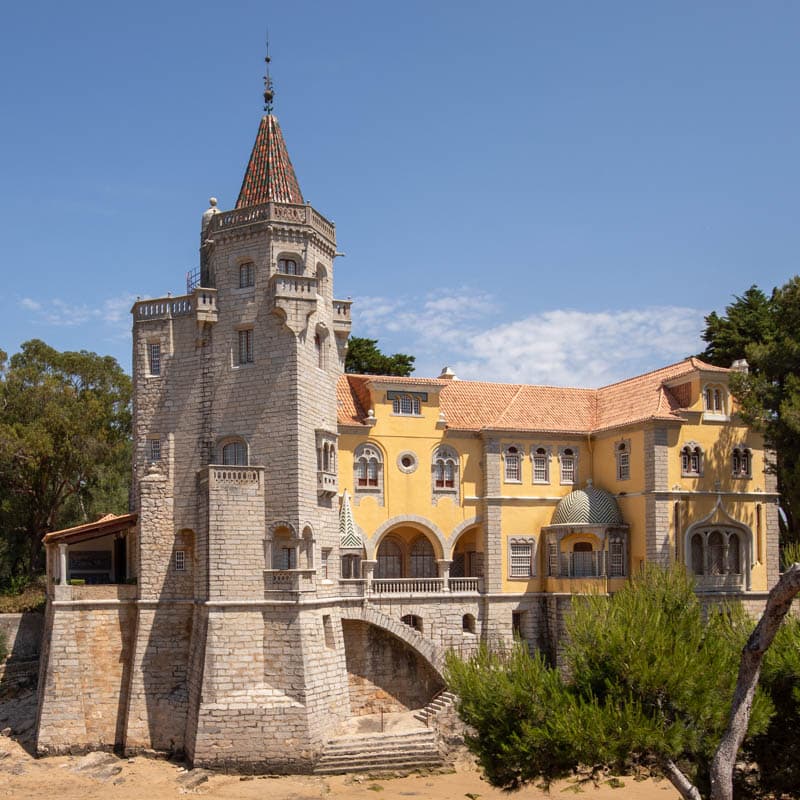
The Museu Condes de Castro Guimarães in Cascais preserves the atmosphere of a former residence and its owners' collections. Built in the late nineteenth century for Jorge O'Neill, the house later passed to the Count of Castro Guimarães. In the music room, an organ commissioned in 1912 recalls the family's evening gatherings. The library holds a 1505 manuscript of the chronicle of King Afonso Henriques, with an early representation of Lisbon. The count left the house, books and artworks to the town to create a museum and public library. The museum opened in 1931, carrying out that wish.

Farol Museu de Santa Marta4.4

Farol Museu de Santa Marta

Lighthouse • Cascais, Lisboa

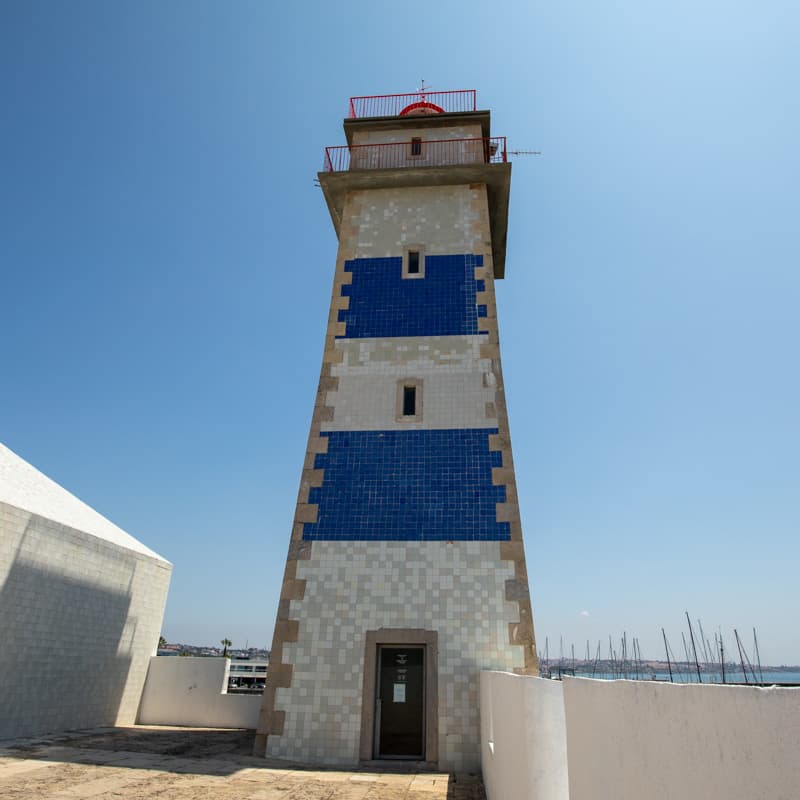
The Farol Museu de Santa Marta in Cascais continues to provide maritime signalling. Its first light was lit in 1868 within the former fort, and the tower was later raised to clear obstacles affecting visibility. The museum opened in 2007 in the former keepers' homes, restored by the Aires Mateus brothers. Its collection includes optical equipment, among it a large lens from Berlengas Lighthouse. Diaries and other records recall the work of those who kept the signal operating. The blue-and-white tower therefore combines an ongoing activity with a space explaining the technology and human lives behind the light.

Casa Sommer4.6

Casa Sommer

Historic House • Cascais, Lisboa

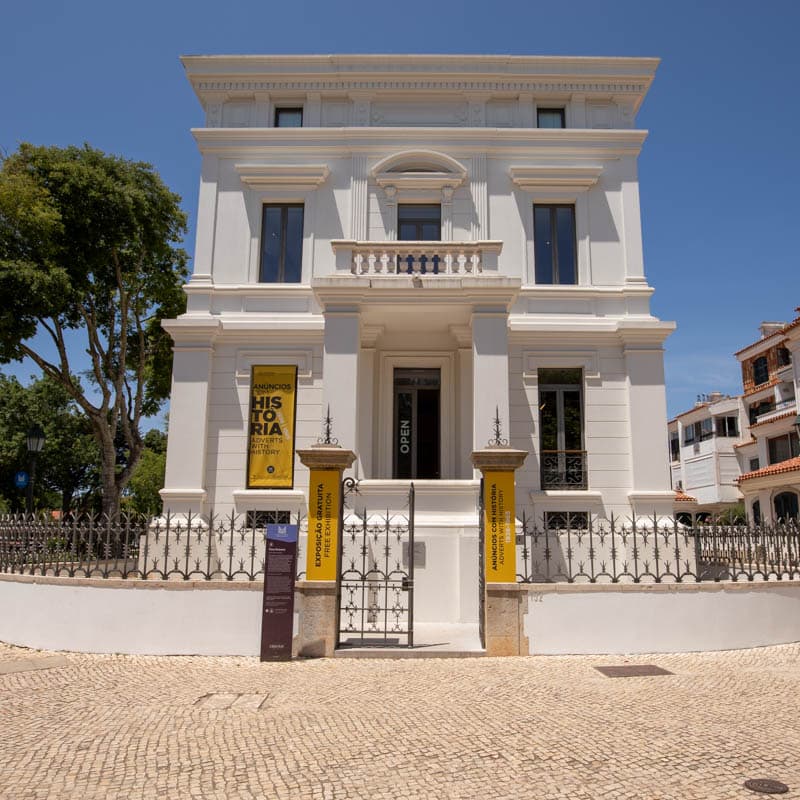
Casa Sommer in Cascais changed from a private residence into the home of the Municipal Historical Archive and Municipal Bookshop. Built in the late nineteenth century for Henrique Sommer, it has a Neoclassical façade with pediments, pilasters and a balcony above the entrance porch. Paula Santos's restoration included the former coach house and an underground link between the buildings. The new complex opened in 2016. Its records go back to the Middle Ages, long before the house was built. The former residence retains its architectural presence while accommodating different work: preserving and sharing sources for Cascais's history.

Museu do Mar Rei Dom Carlos I4.5

Museu do Mar Rei Dom Carlos I

Museum • Cascais, Lisboa

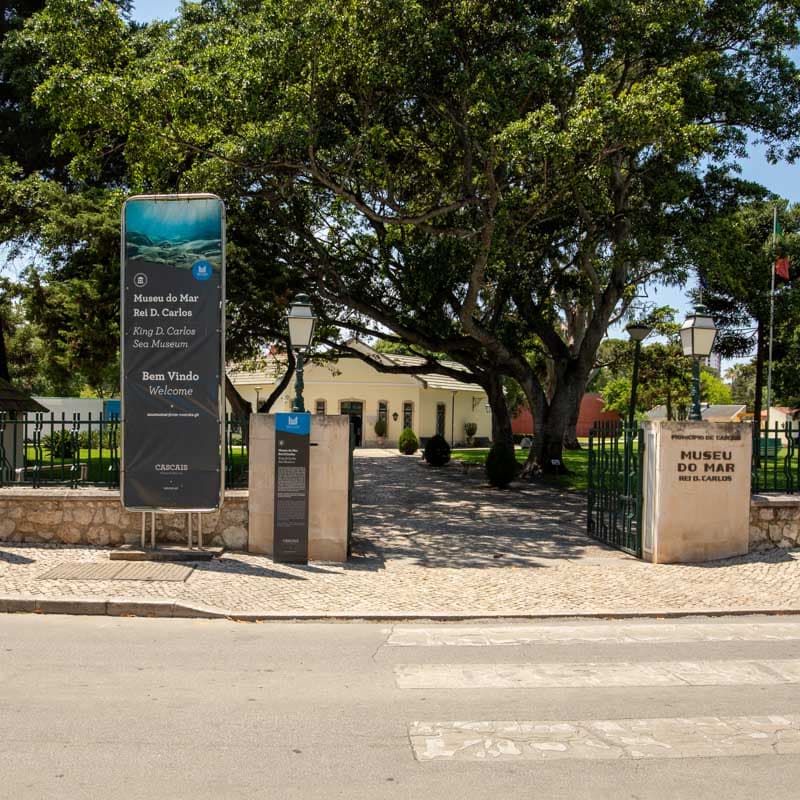
The Museu do Mar Rei Dom Carlos in Cascais occupies the former Sporting Club de Cascaes, where an octagonal room once hosted dances. Open to the public since 1992, the museum brings together natural history, underwater archaeology and objects from maritime life. Boats, fishing tools and work stories connect visitors with the town's communities. Pieces recovered from wrecks reveal another side of navigation, while fossils and shells introduce ocean life. King Carlos's twelve oceanographic expeditions also feature. The building connects a former social space with work, research and the stories the sea has left in Cascais.