Map-based discovery
Use LxDiscover to find Lisbon places on the map and see what is nearby.
Cultural guide
Lisbon is the strongest starting point for LxDiscover: a city of riverfront monuments, viewpoints, museums, churches and neighbourhoods where history is visible at street level.
Use LxDiscover to find Lisbon places on the map and see what is nearby.
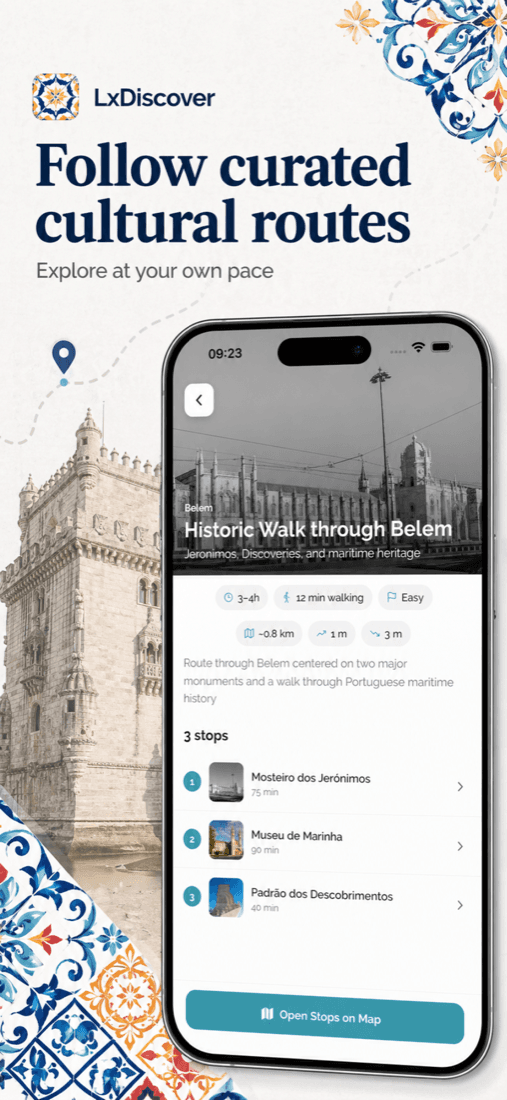
Follow ordered cultural stops with duration, difficulty and useful context.
Listen to concise cultural introductions before or during selected visits.
Routes
Lisboa
Route between Baixa and Castelo. The final climb to Castelo de S. Jorge is the most demanding stretch
View route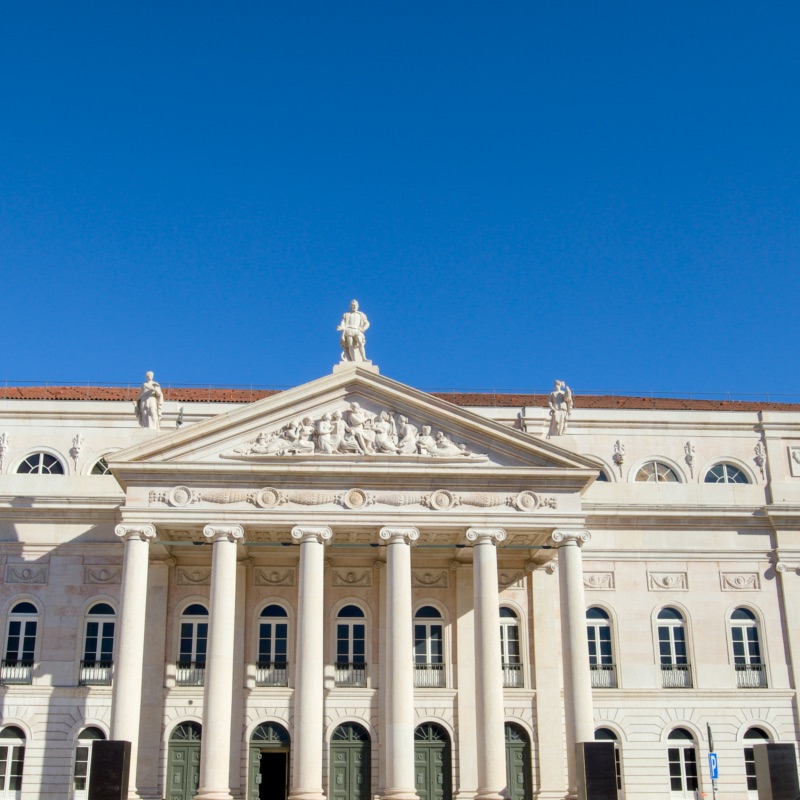
Lisboa
Squares, ruins, churches, and views over the city
Open in the app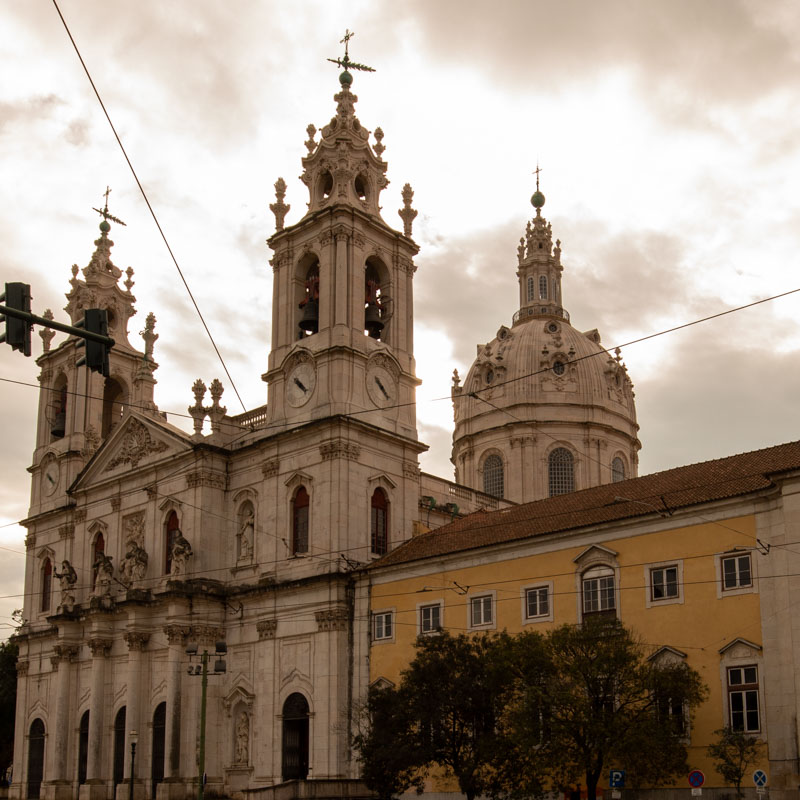
Lisboa
Church, garden, house museum, and puppet museum
Open in the app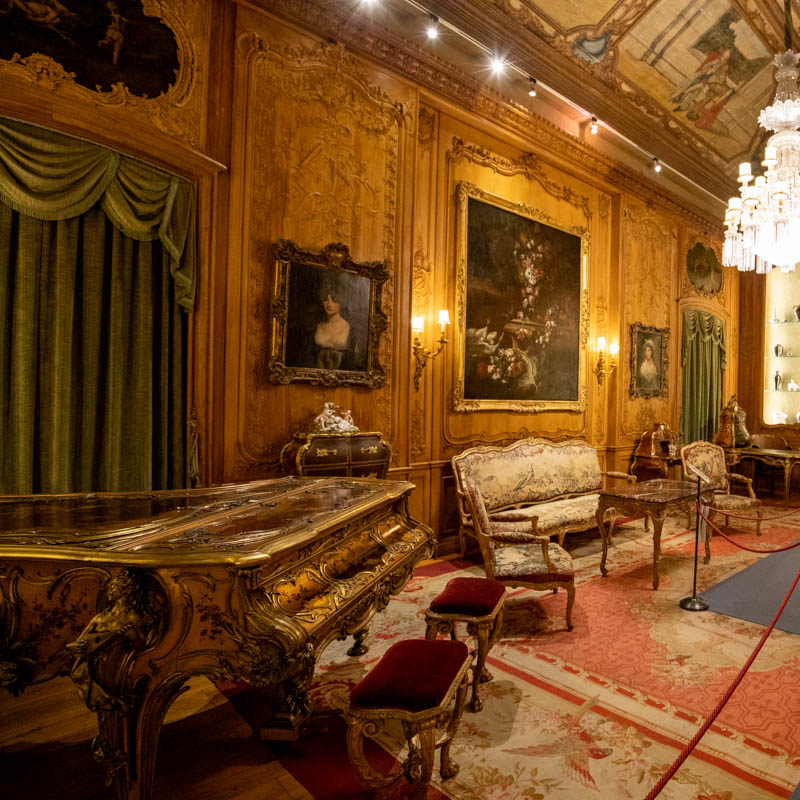
Lisboa
Belle Epoque Lisbon, science, gardens, and water engineering
Open in the app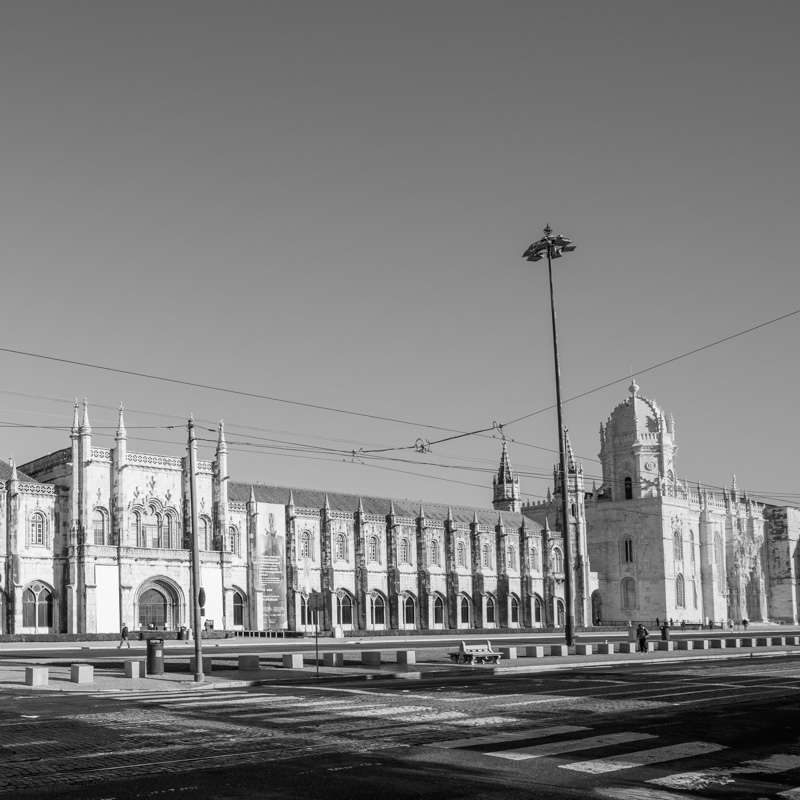
Lisboa
Route through Belem centered on two major monuments and a walk through Portuguese maritime history
View route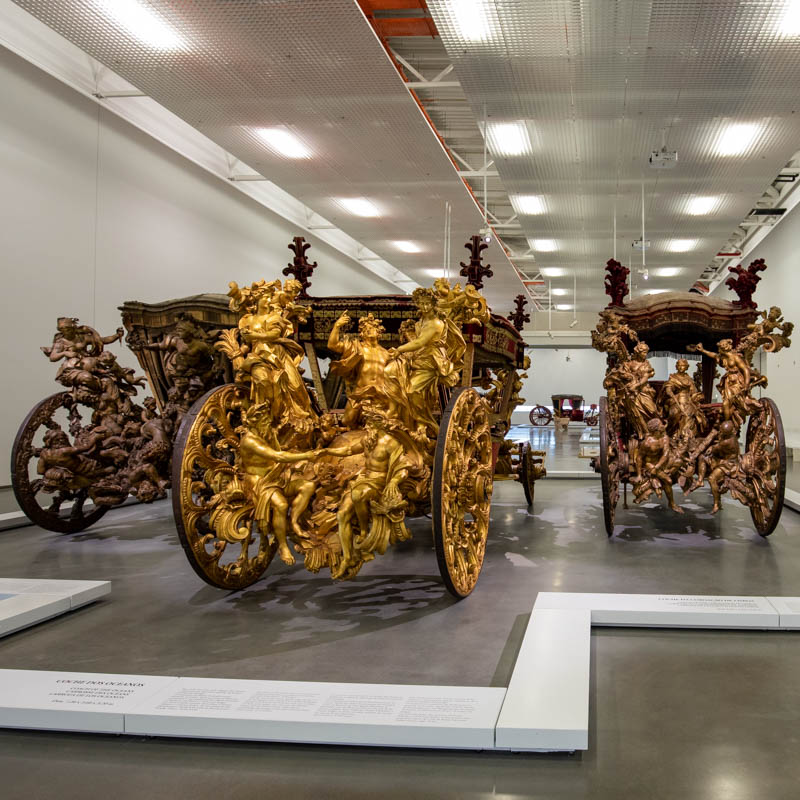
Lisboa
Ceremonial Lisbon and royal collections
Open in the app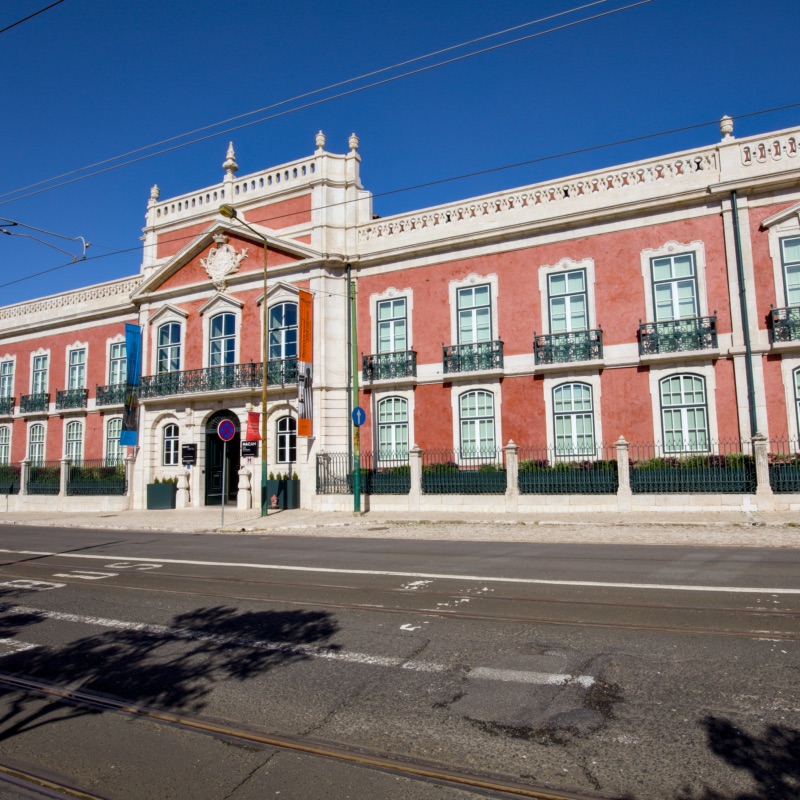
Lisboa
Contemporary art and immersive experiences by the river
Open in the app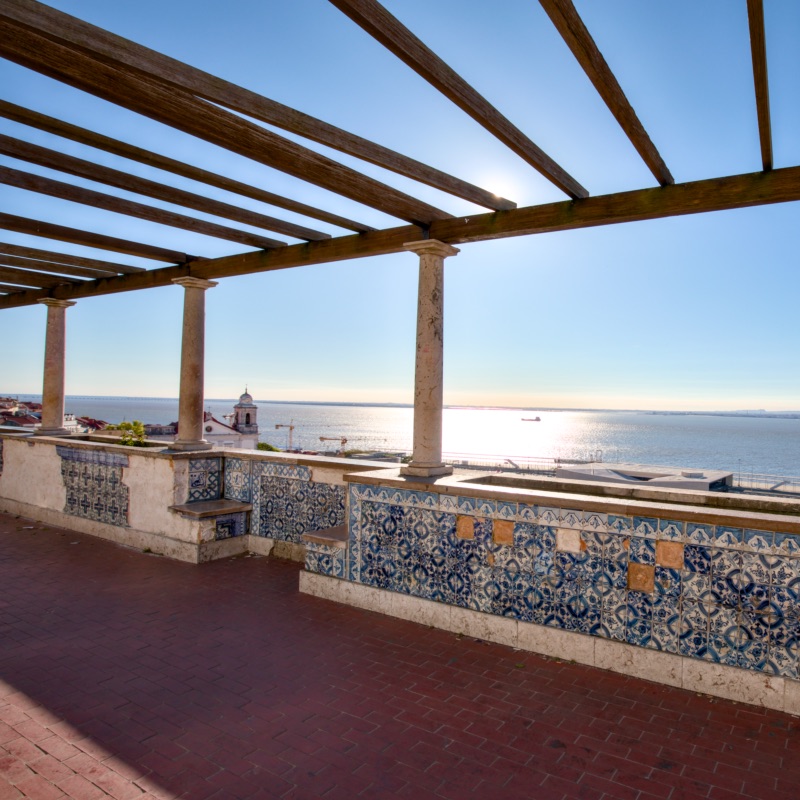
Lisboa
Fortress, historic churches, and balconies over the city
Open in the appPlaces
 4.7
4.7Arch • Lisboa, Lisboa
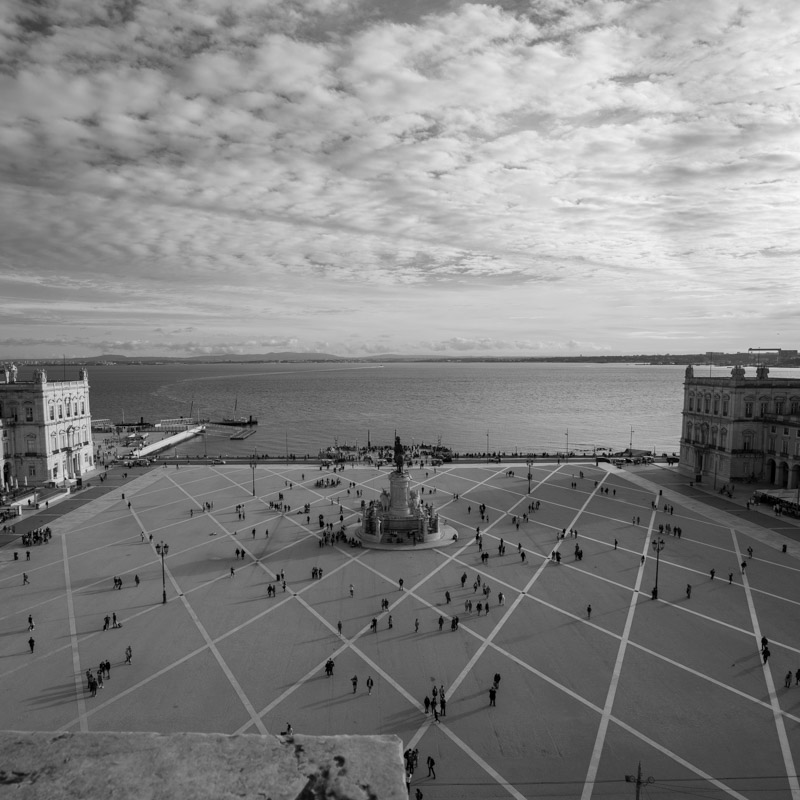
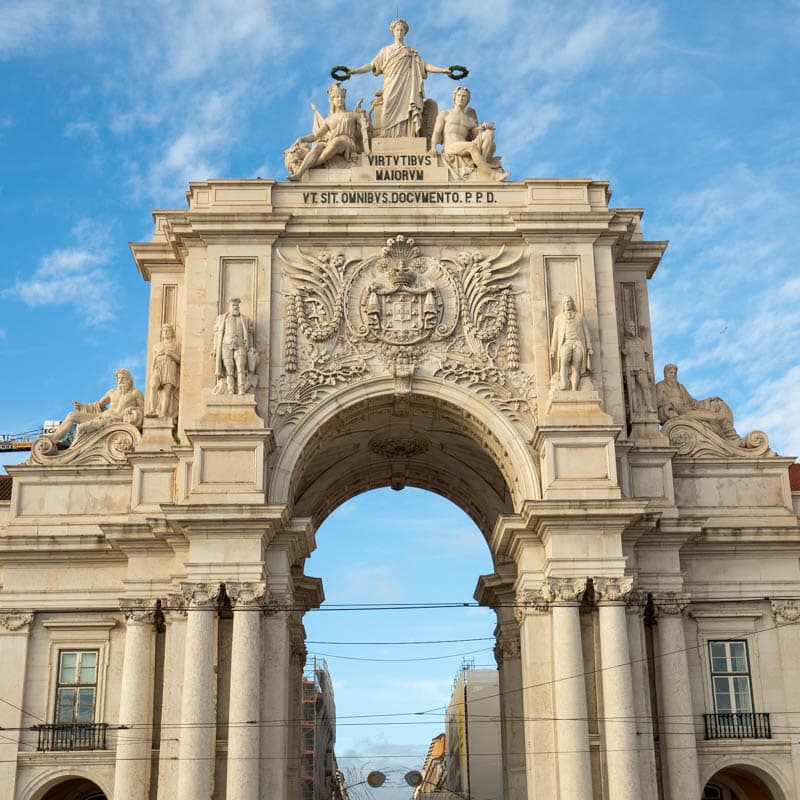
More than a monumental entrance, the Rua Augusta Triumphal Arch is the great symbolic gateway to the Lisbon that rose again after the 1755 earthquake. Conceived in the context of the Pombaline reconstruction, it took more than a century to reach its final form, and that delay says much about the city’s slow reinvention. At the top, Glory crowns Genius and Valour; below, figures such as Vasco da Gama, Viriato, Nuno Álvares Pereira and the Marquis of Pombal turn the monument into a statement of memory and power. It is also worth noticing the Latin inscription, dedicated to the virtues of the ancients, and the way the arch frames the Baixa, Praça do Comércio and the Tagus. Seen up close, it impresses with its scale and sculptural relief; seen from above, it offers one of the clearest readings of the Pombaline plan and of Lisbon’s deep bond with the river.
 4.5
4.5Castle • Lisboa, Lisboa
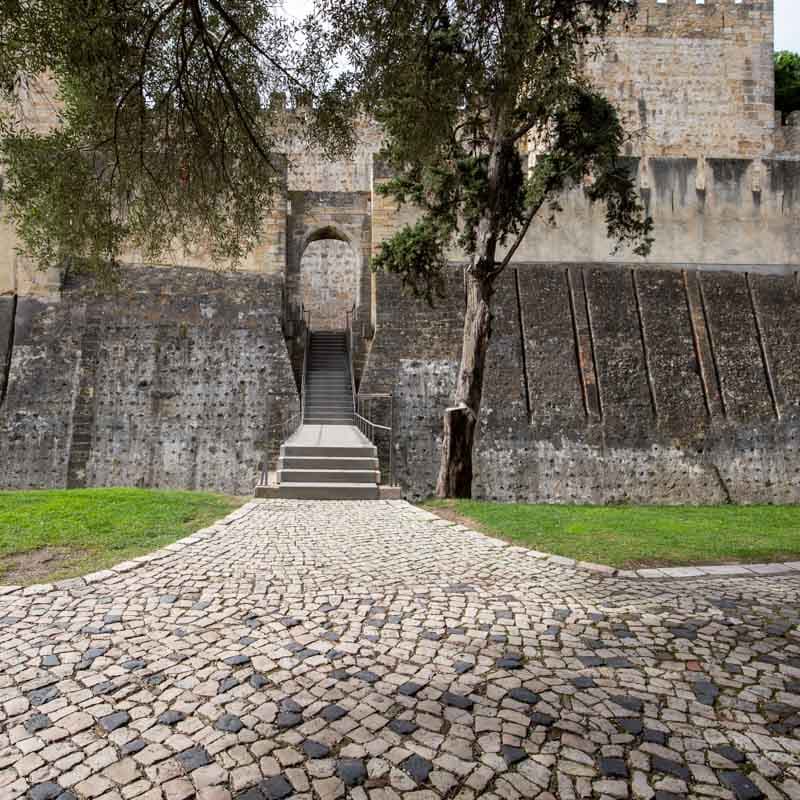
Rising from the highest point of old Lisbon, São Jorge Castle seems to gather almost the whole biography of the city into one place. The hill had been occupied since very early times, but the fortification we recognise today took shape in the Islamic period, as the last defensive stronghold of the citadel. After the conquest of 1147 by Afonso Henriques, the castle entered its brightest age: it became a royal palace, housed the court, the royal archive and major ceremonies, and from here the city’s rooftops, estuary and gateways could be watched over. When the royal residence moved down to the riverside, the complex lost its central role, was turned to military use and suffered after the 1755 earthquake, before being rediscovered in the great restoration campaigns of the twentieth century. Today, among walls, archaeological remains and the Camera Obscura in the Tower of Ulysses, it remains a rare place to understand Lisbon in layers, between stone, memory and horizon.
 4.5
4.5Monastery • Lisboa, Lisboa
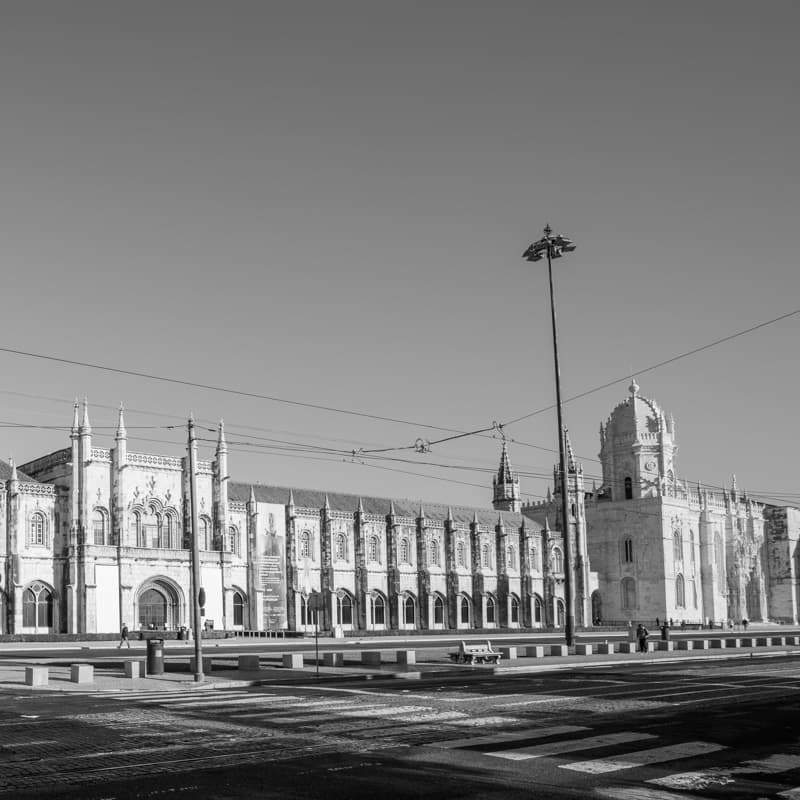
On the edge of the Tagus, Jerónimos Monastery seems to turn into stone the moment when Lisbon opened itself to the world. Commissioned by King Manuel the First at the end of the fifteenth century, beside Restelo, where ships and caravels set out, it was entrusted to the monks of Saint Jerome, who were meant to pray for the king and offer spiritual support to navigators. Work began in fifteen hundred and one and continued for about a century, leaving one of the finest examples of the Manueline style, exuberant yet precise, filled with royal, Christian and natural symbols. During a visit, it is worth slowing down in the sixteenth-century cloister and before the south portal, where the sculpture seems almost like lace in stone. In the church lie Vasco da Gama and Luís de Camões, a detail that deepens the monument’s bond with the country’s maritime and literary memory. Few places tell Portugal’s story with such clarity and beauty.
 4.5
4.5Monument • Lisboa, Lisboa
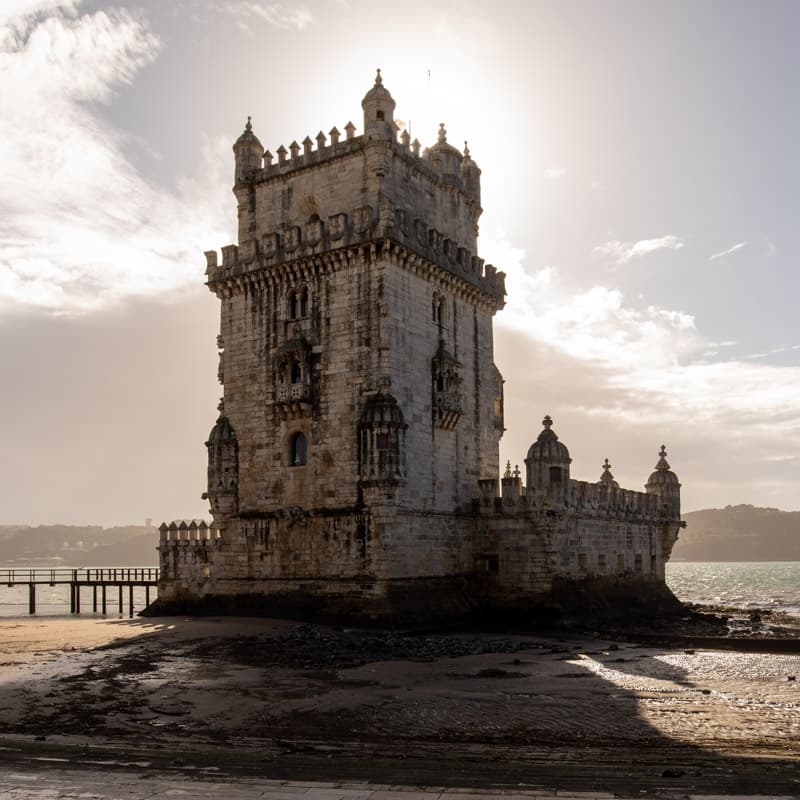
Belém Tower has the grace of a Manueline jewel and the firmness of a fortress built to guard the entrance to the Tagus. Raised in the reign of King Manuel the First, from 1514 onwards, and designed by Francisco de Arruda, it grew closely tied to the port of Lisbon, Jerónimos Monastery and the imagination of the Discoveries. Its form combines a medieval-looking tower with a modern bulwark, while the exterior is covered with ropes, knots, armillary spheres, crosses of the Order of Christ and other motifs that make the stone feel almost like lace. It is worth lingering over the balcony facing the river and one surprising detail: the small rhinoceros carved into one of the façades. From above, the Tagus and Belém come into sharper focus. It then becomes clear why this tower has become one of Lisbon’s great symbols and a UNESCO World Heritage site.
 4.6
4.6Museum • Lisboa, Lisboa
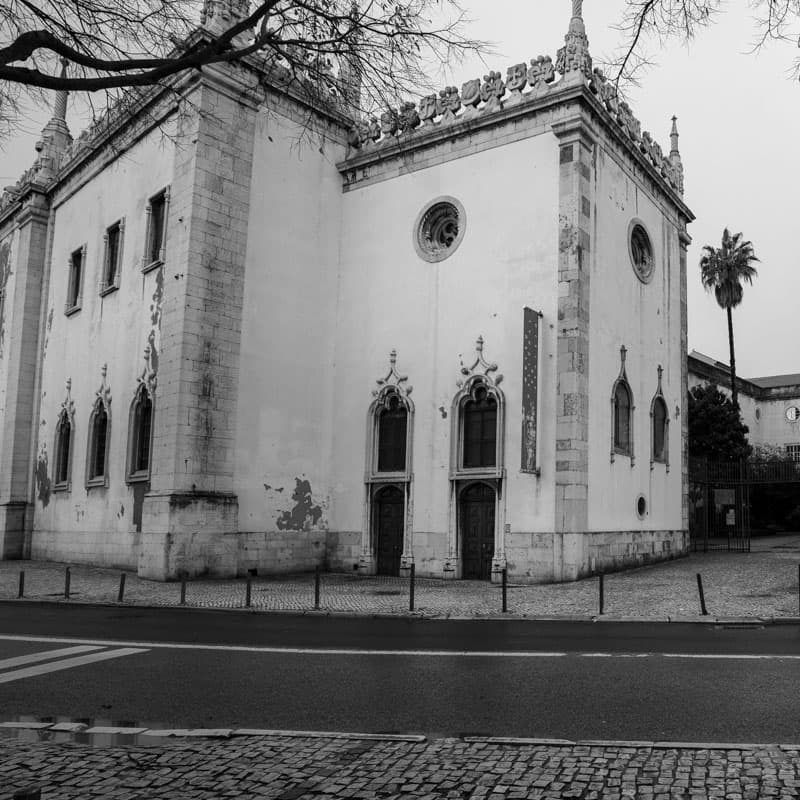
In the former Madre de Deus Convent, founded by Queen Leonor in 1509, the National Tile Museum shows how an apparently simple material became one of the most distinctive expressions of Portuguese culture. The route follows the history of the azulejo from the second half of the fifteenth century to the present day, helping visitors understand how this art decorated churches, palaces, houses and public spaces, while also preserving memory. Among the most striking spaces is the Church of Madre de Deus, where gilded woodcarving, painting and tiles create an interior of remarkable richness. There is also one work that holds the eye for a long time: the Grande Panorama de Lisboa, attributed to Gabriel del Barco, a monumental panel that shows the city before the 1755 earthquake. More than a museum visit, coming here feels like reading Lisbon and Portugal surface by surface, century by century.
 4.6
4.6Viewpoint • Lisboa, Lisboa
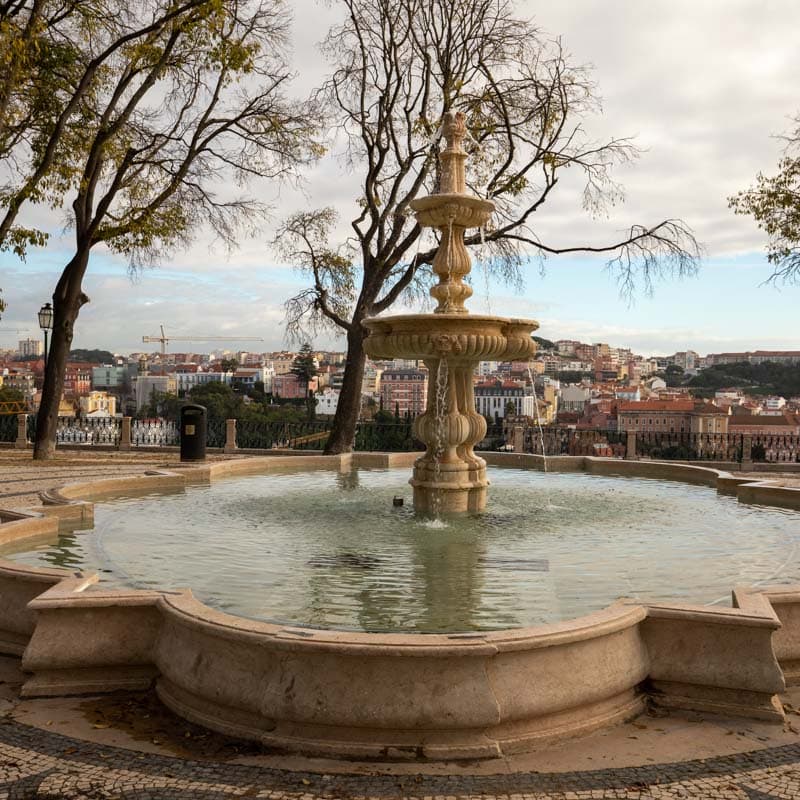
From the top of the São Pedro de Alcântara Viewpoint, Lisbon opens out like a city built in layers. Part of António Nobre Garden, this romantic space is arranged on two terraces linked by stairs and offers one of the broadest panoramas in the capital, from São Jorge Castle and the Cathedral to Baixa, Graça and the valley of Avenida da Liberdade. The power of the place lies both in the view and in the way it frames it. On the upper terrace, among trees and a central fountain, a tile panel designed by Fred Kradolfer helps visitors identify the main landmarks in the landscape. On the lower level, geometric flowerbeds and busts of historical figures and characters from classical mythology extend the atmosphere of romantic Lisbon. More than a viewing point, this is a place that invites you to pause, direct your gaze and understand the city with time and attention.
More places
Explore Portugal with a cultural guide for monuments, museums, gardens, palaces, viewpoints, and historic places in Lisbon, Porto, Sintra, and other regions.
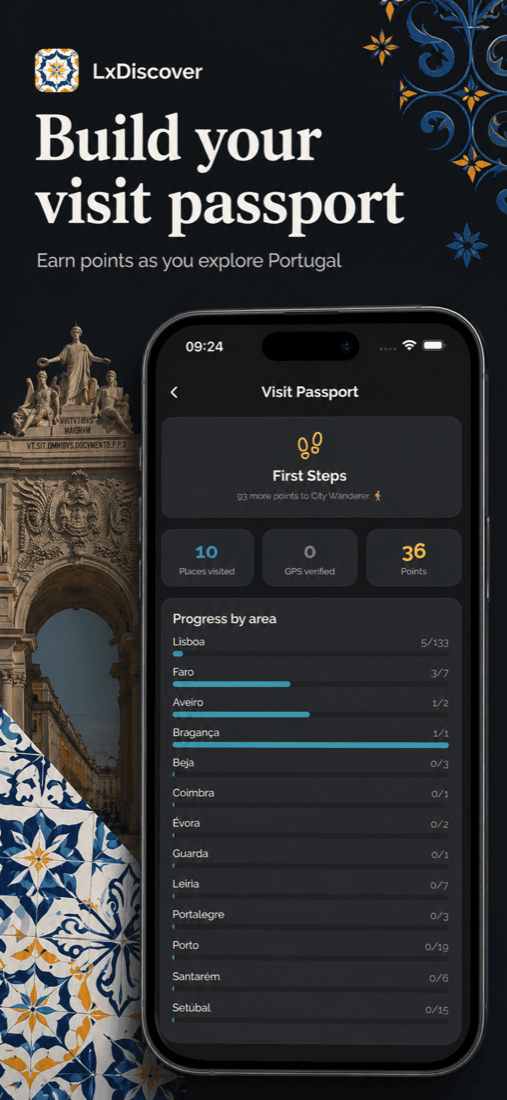
Use the map, follow cultural routes, read editorial context, save places, and track your visits with the visit passport.