Places

Cultural places in Portugal

Browse LxDiscover places across monuments, museums, palaces, viewpoints, gardens, churches and historic sites. Use this hub to start planning, then open the app for map-based routes, saved places and short cultural audio guides.

7 places

Places in Porto

Explore on the map
Museu FC Porto4.7

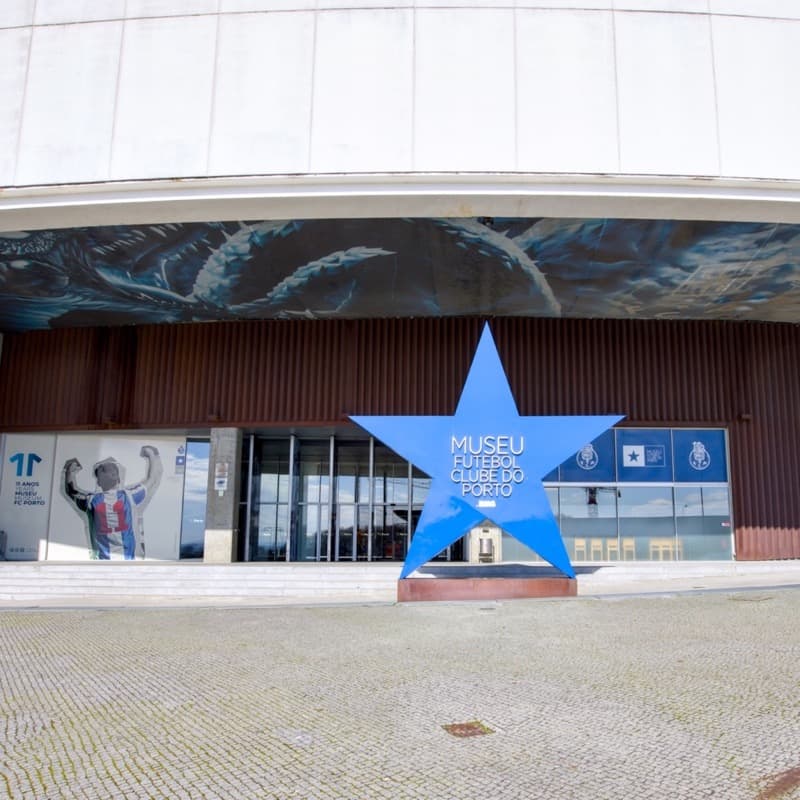
Museu FC Porto

Museum • Porto, Porto

The Museu FC Porto is located in Estádio do Dragão, in the eastern area of the city of Porto. Inaugurated on 28 September 2013, on the day when Futebol Clube do Porto marked 120 years, it occupies around 7,000 square metres dedicated to the history and heritage of the club. The permanent exhibition is spread across 27 thematic areas, where trophies, documents, images, objects and interactive resources build a narrative that brings together football, other sports, institutional memory and the life of the city. Among the most visible pieces is Valquíria Dragão, a work by Joana Vasconcelos installed in the reception area. The museum also presents temporary exhibitions, an educational service and spaces supporting its cultural programme. More than a celebration of sporting results, it offers an organised reading of collective identity, made of victories, symbols, protagonists and belonging.
Museu da Misericórdia do Porto4.2

Museu da Misericórdia do Porto

Museum • Porto, Porto

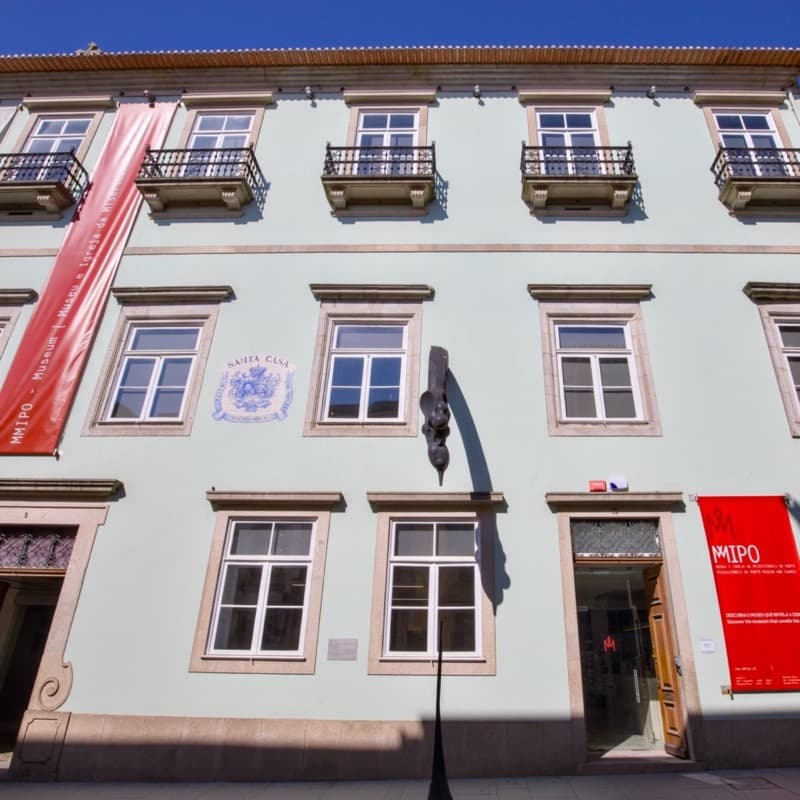
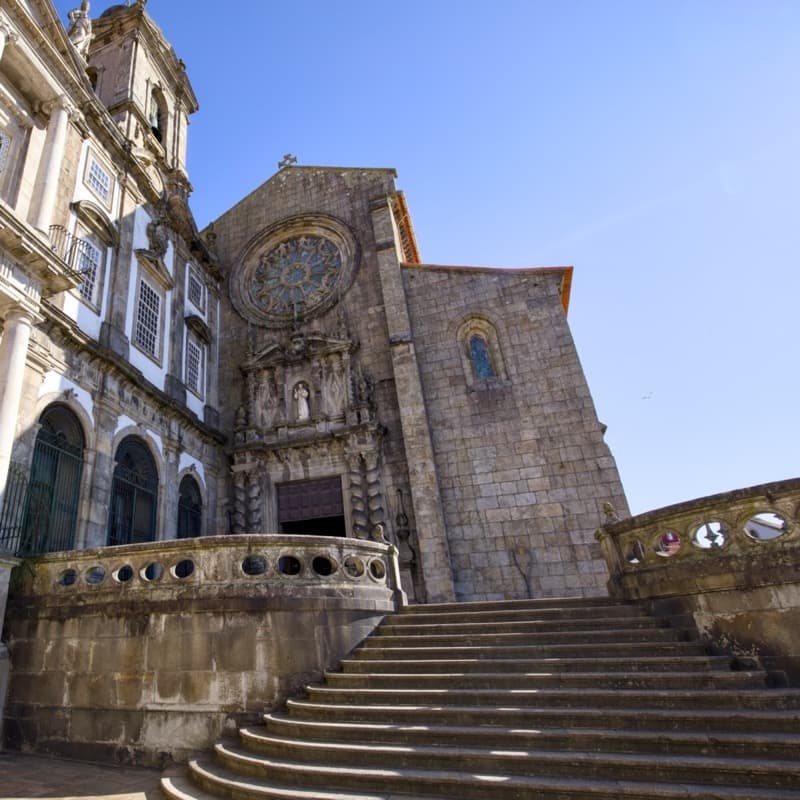
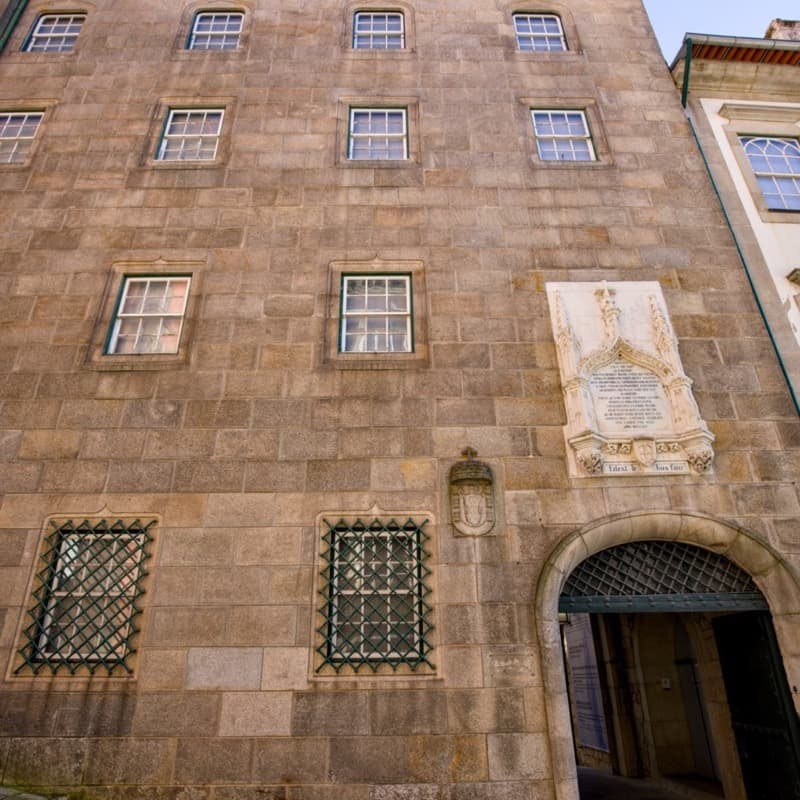
The Museu da Misericórdia do Porto, or MMIPO, is located on Rua das Flores, in Porto’s Historic Centre, in the building that served as the headquarters of the Santa Casa da Misericórdia do Porto from the mid-16th century until 2013. The institution, founded in 1499, is linked to a long history of assistance, charity and artistic heritage. The museum presents this memory through collections of painting, sculpture, sacred art and objects related to the work of the Misericórdia. The route includes the Igreja da Misericórdia, a 16th-century construction deeply transformed in the 18th century by Nicolau Nasoni, and the Galeria dos Benfeitores, marked by iron-and-glass architecture. Among the works on display, Fons Vitae stands out, an oil painting on oak panel, attributed to Colijn de Coter and dated to around 1515-1517. Between devotion, assistance and art, the museum makes visible a long-standing institutional memory in Porto.

World of Discoveries4.4

World of Discoveries

Museum • Porto, Porto

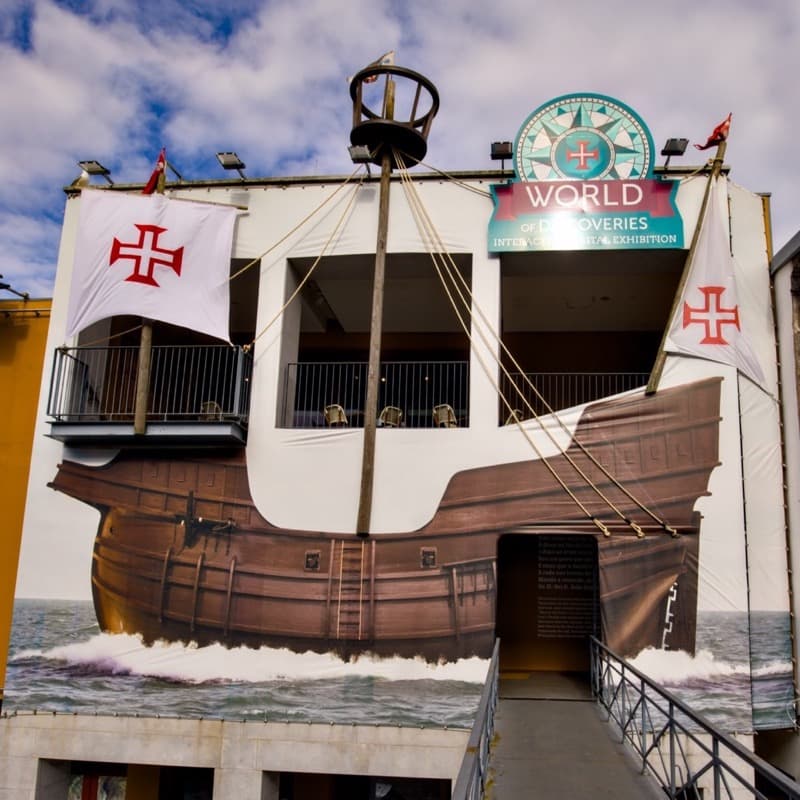
World of Discoveries is located in Porto’s riverside area, a few metres from the Douro and the Alfândega. Inaugurated in 2014, it presents itself as an interactive museum and theme park dedicated to the Portuguese Discoveries. The route combines exhibition, scenography and immersive experience to recreate episodes of Portuguese navigation, maritime routes and encounters with other territories. Among the proposed moments are the Conquest of Ceuta, the figure of Adamastor, the exploration of the inside of a vessel and the evocation of spices. One of its distinctive components is the journey along a water channel, designed to follow, in a staged setting, routes associated with Portuguese maritime expansion. With multilingual content, audio guides and an educational service, the space brings history, adventure and pedagogy together in an accessible format. More than presenting old objects, it seeks to transform the narrative of the Discoveries into a visual, sound and participatory experience.

Museu dos Transportes e Comunicações4.4

Museu dos Transportes e Comunicações

Museum • Porto, Porto

The Museu dos Transportes e Comunicações occupies the Alfândega Nova do Porto, on Rua Nova da Alfândega, beside the right bank of the Douro. The building, designed by the French architect Jean F. G. Colson, began to be built in 1859 on the former Praia de Miragaia and was inaugurated in 1869. Its neoclassical architecture, marked by the combined use of iron, stone, brick and wood, served the city’s customs activity for more than a century. In 1987 it was decided that it would house the future museum, and the requalification was guided by Eduardo Souto de Moura. Today, the museum preserves the memory of the Customs House and interprets the role of transport and communications in modern society. Among its sections are Metamorfose de um Lugar, O Motor da República and the panel Ribeira Negra, by Júlio Resende.

Fundação Serralves4.6

Fundação Serralves

Cultural Centre • Porto, Porto

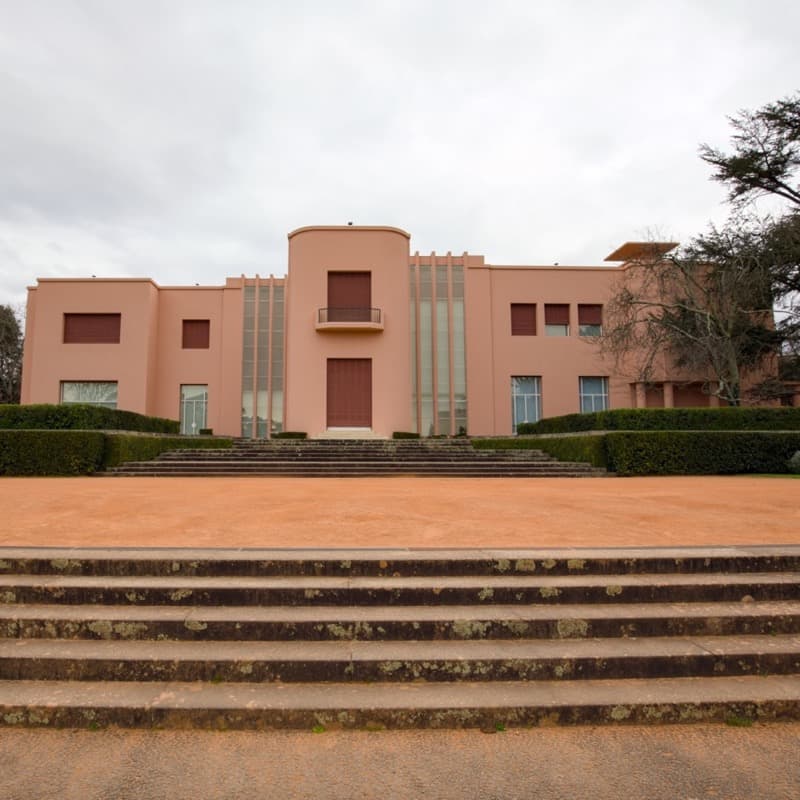
The Serralves Foundation, in Porto, brings together contemporary art, architecture, cinema and landscape in a heritage ensemble classified as a National Monument in 2012. The property was acquired by the State in December 1986, and the House and Park opened to the public on 29 May 1987. Created in 1989, the Foundation gave institutional structure to this cultural project. The Museum of Contemporary Art, designed by Álvaro Siza, began in 1991 and opened its new building in 1999. The Serralves House preserves the Art Deco language of the 1930s, while the Park, designed by Jacques Gréber, extends over 18 hectares of formal gardens, woodland and a traditional farm. Between lioz-stone interiors, exhibition spaces and tree-lined paths, Serralves shows how historic heritage and contemporary creation can inhabit the same place.

Museu de História Natural e da Ciência da Universidade do Porto4.3

Museu de História Natural e da Ciência da Universidade do Porto

Museum • Porto, Porto

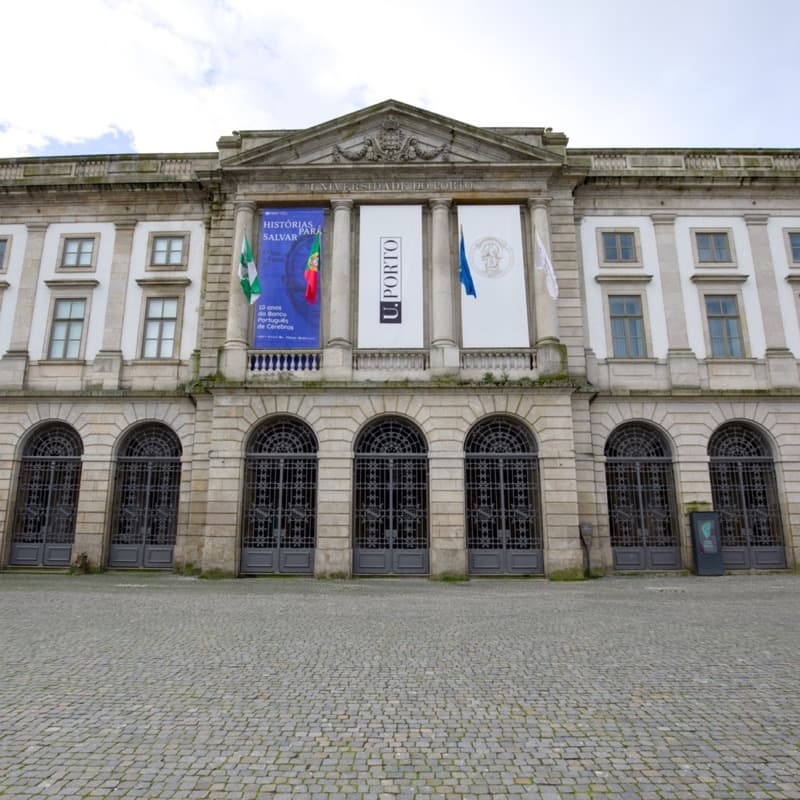
The Natural History and Science Museum of the University of Porto, brings together the University’s scientific memory and brings it closer to the public through a multipolar structure. Formally created at the end of 2015, it resulted from the merger of the Natural History Museum of the University of Porto with the Science Museum of the University of Porto / Faculty of Sciences Centre. Its Central Hub occupies the Historic Building of the Rectorate, next to the Jardim da Cordoaria, and houses collections of geology, palaeontology, zoology, archaeology and ethnography, scientific instruments, documentary and audiovisual archives, and the Herbarium of the University of Porto. The museum also includes the Biodiversity Gallery – Ciência Viva Centre and the Botanical Garden of Porto. Its collections comprise around 850,000 specimens, distributed across 17 collections, with material dating from the mid-19th century to the present day.

Museu do Carro Eléctrico4.4

Museu do Carro Eléctrico

Museum • Porto, Porto

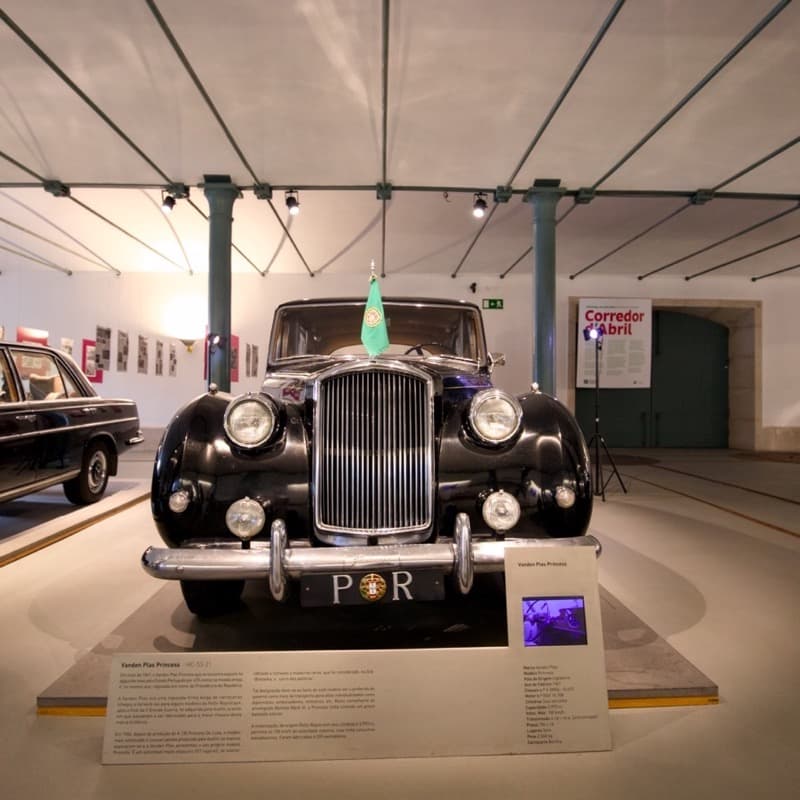
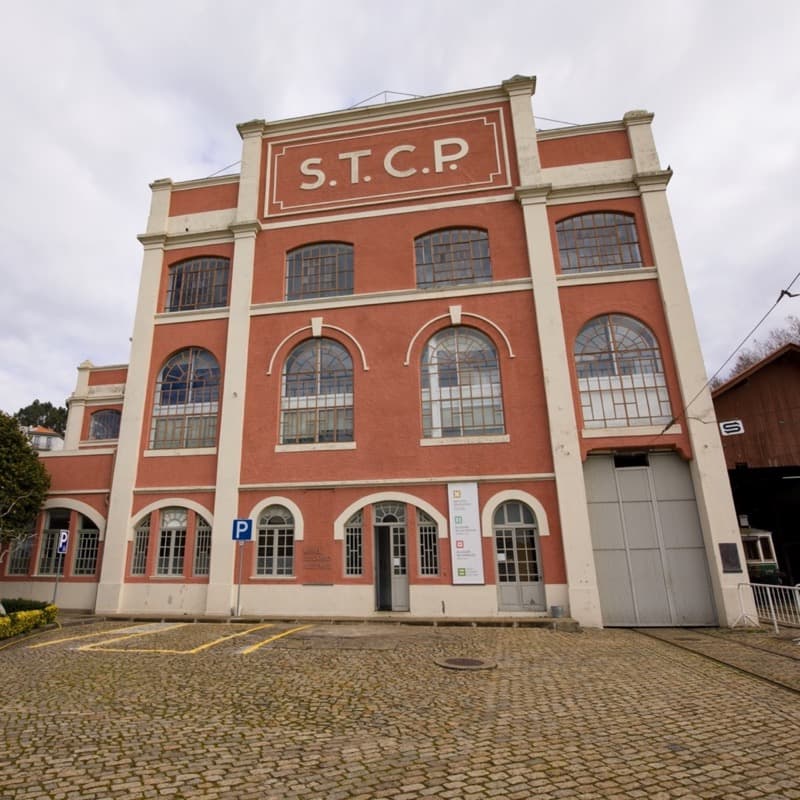
The Museu do Carro Eléctrico, in Porto, occupies part of the former Massarelos Thermoelectric Power Station and preserves the memory of the city’s urban rail transport. The idea of creating a museum emerged in the 1980s, when the electric traction network was losing ground to buses and the car. On 18 May 1992, it opened to the public with vehicles restored by STCP. The building, completed in 1911 and fully operational from 1915, produced and transformed energy to power the trams. Inspired by French industrial structures, it had two production naves and a chimney connected to coal combustion. Today, the collection brings together 28 vehicles, technical equipment, uniforms, transport tickets and documentation. Among rails, machines and restored bodies, the museum tells a story in which energy, city and mobility move forward side by side.

Get the app

Take LxDiscover with you

Explore Portugal with a cultural guide for monuments, museums, gardens, palaces, viewpoints, and historic places in Lisbon, Porto, Sintra, and other regions.

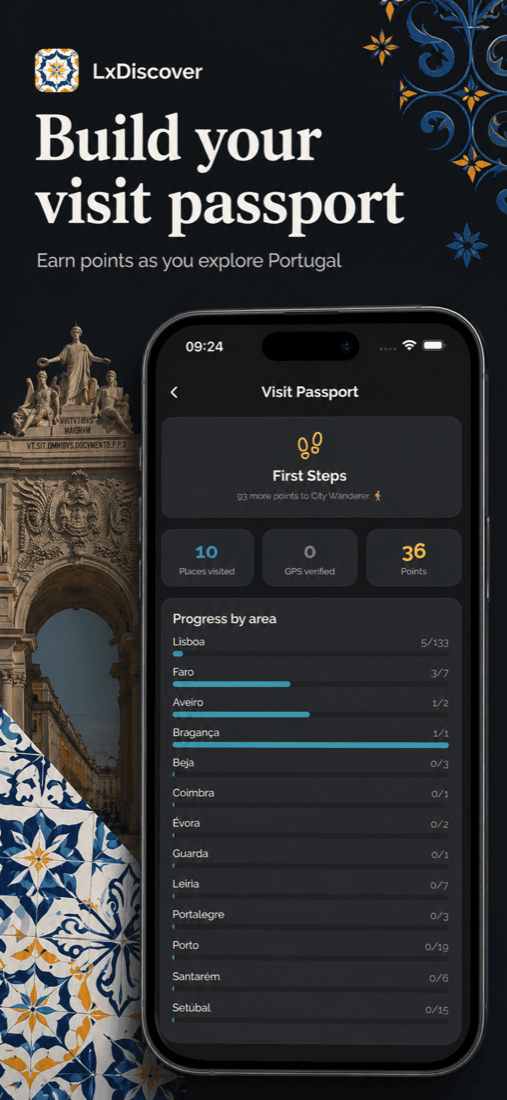
Use the map, follow cultural routes, read editorial context, save places, and track your visits with the visit passport.

Free features

  • Interactive map to discover places of interest
  • Detailed information about monuments, museums, and cultural sites
  • Favorites for the places you want to visit
  • Selected routes to start exploring

Premium subscription

  • Curated routes with ordered stops, duration, and difficulty
  • Thematic collections with editorial context for each area
  • Visit passport for progress, visited places, and achievements
  • Advanced map, planning, and proximity alert tools
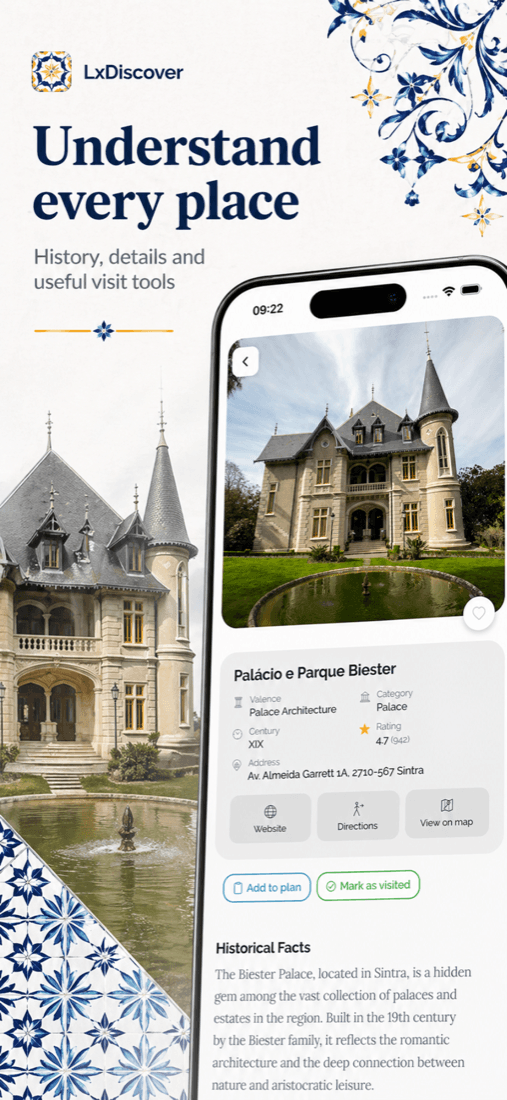
LxDiscover map screen
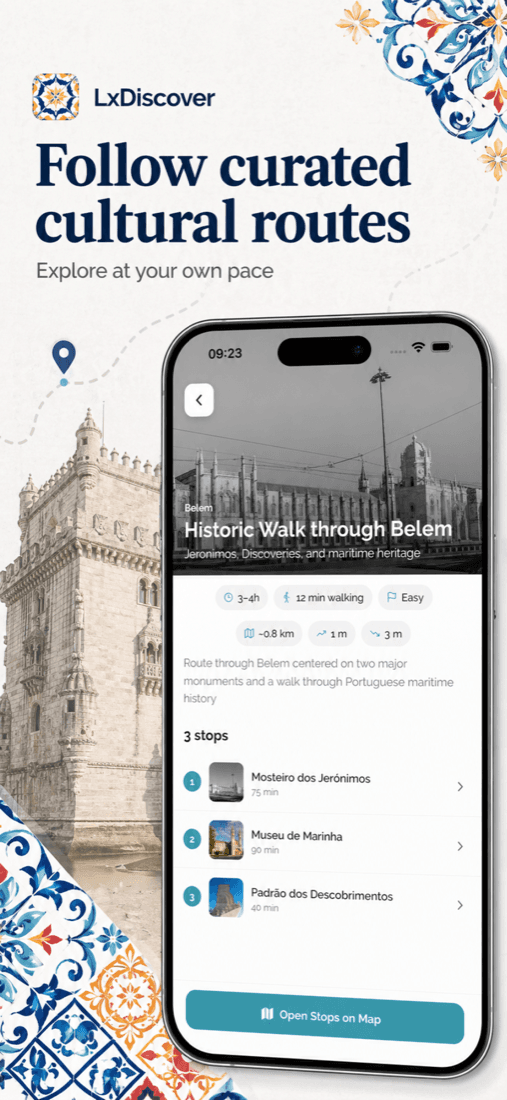
LxDiscover routes screen
LxDiscover visit passport screen